“Two roads diverged in a wood, and I took the one less traveled by, and that has made all the difference.” Robert Frost
5/15-29, 2024
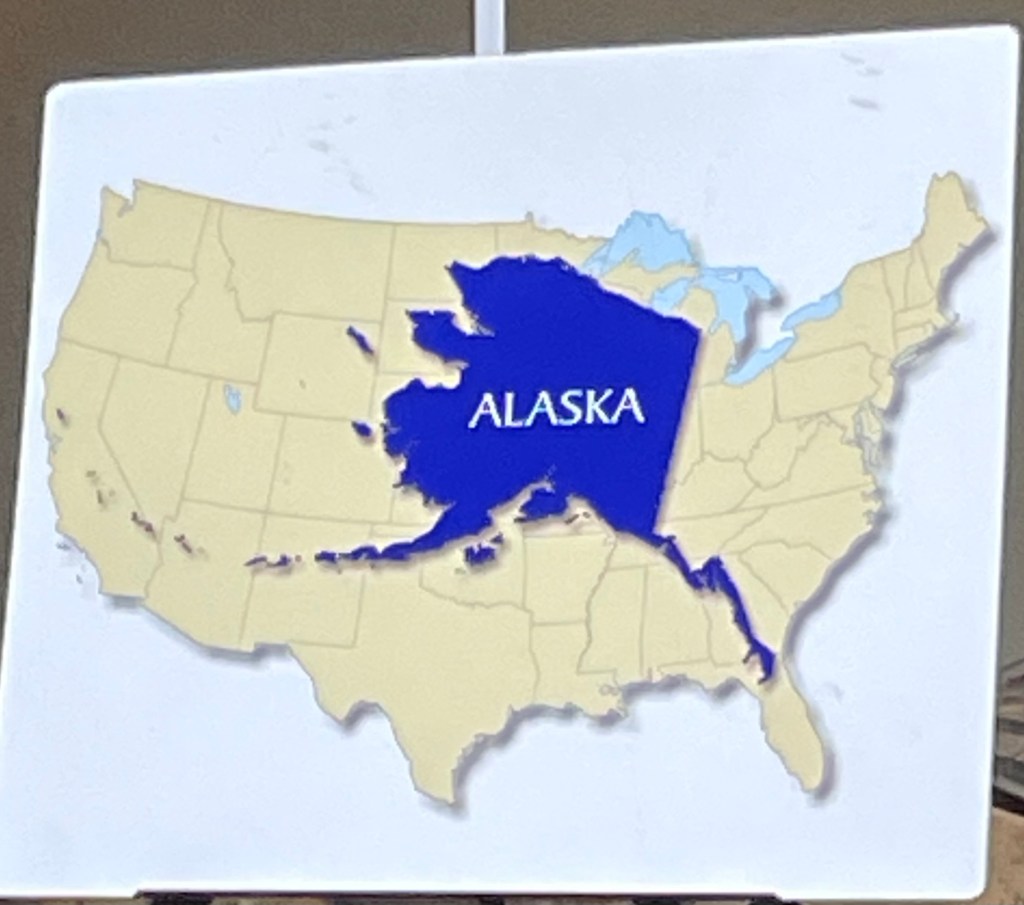
What I knew about Alaska before this adventure, was that it was big, cold, full of grizzly bears and moose, and most likely you would see an Eskimo or two. Well, I was right about the moose. And it is big – twice the size of Texas, though Texans don’t like to hear that. In fact, if you cut Alaska in half, Texas would be the third largest state instead the second. In case you don’t remember, Alaska is our 49th state, purchased from Russia in 1867 and gaining statehood in 1959. The government purchased it because it was seen as a strategic military location and continues to maintain a large military presence there. Sixty-three percent of the state is federally owned, 24 percent state owned and only 12 percent privately owned.
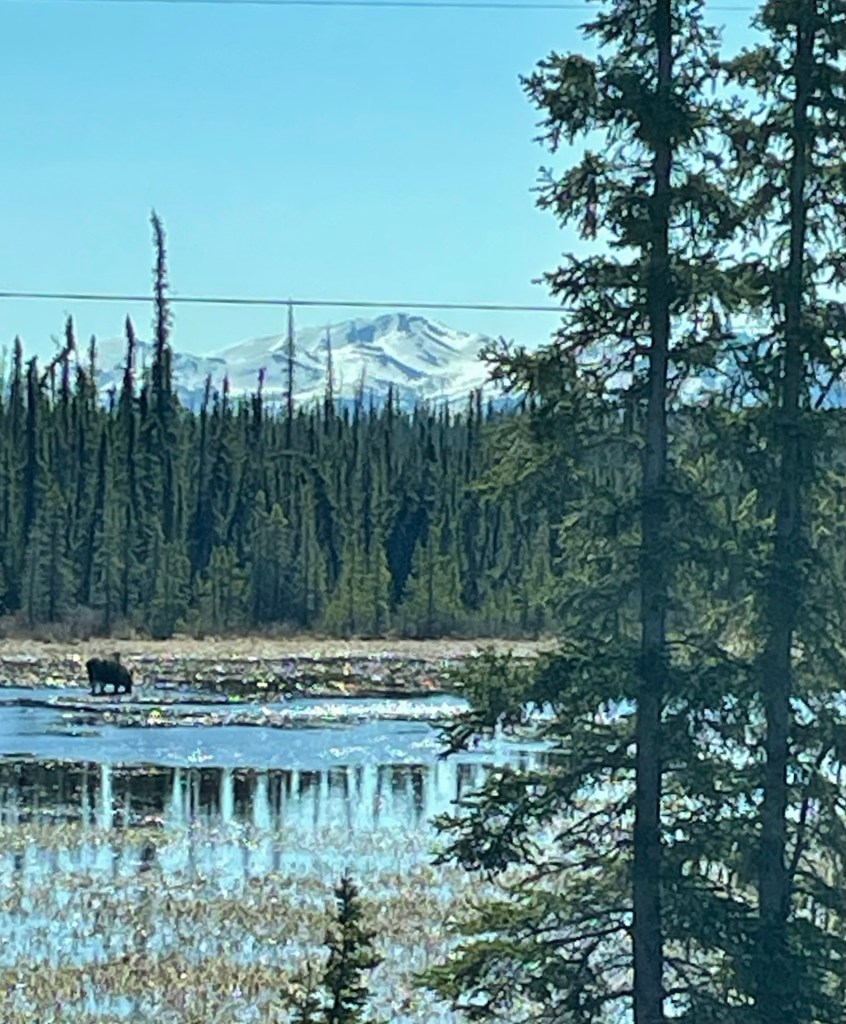
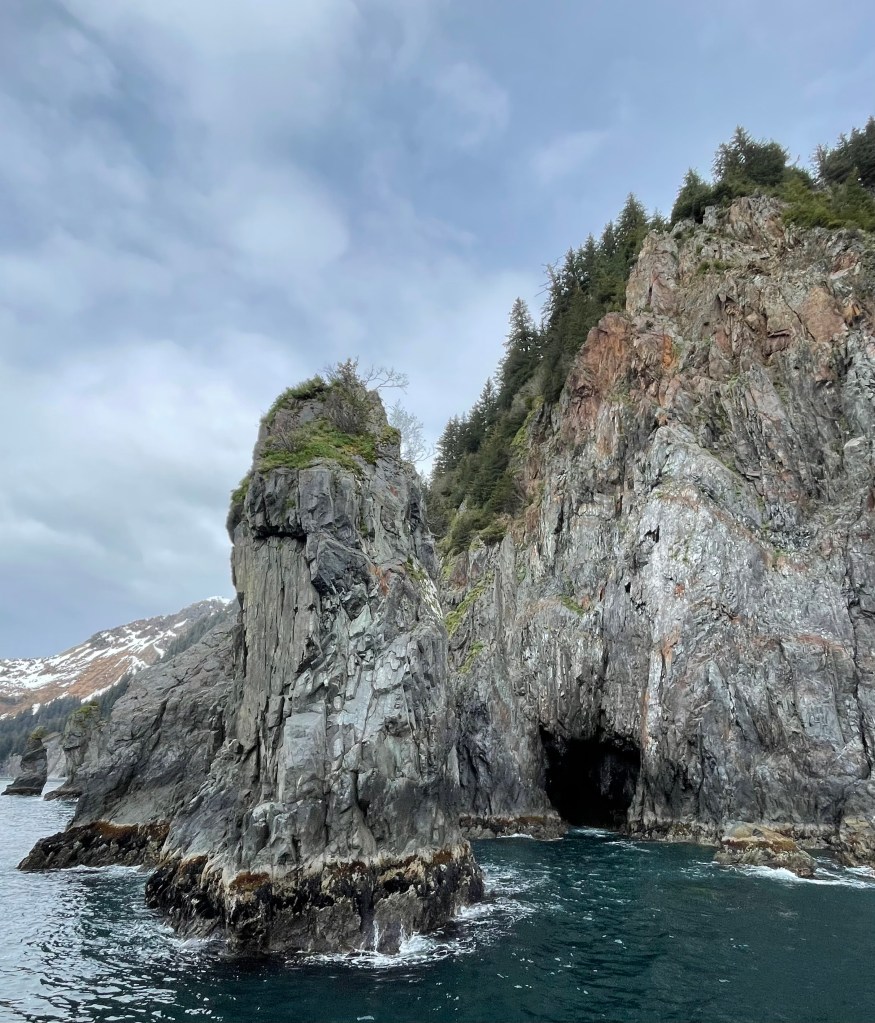
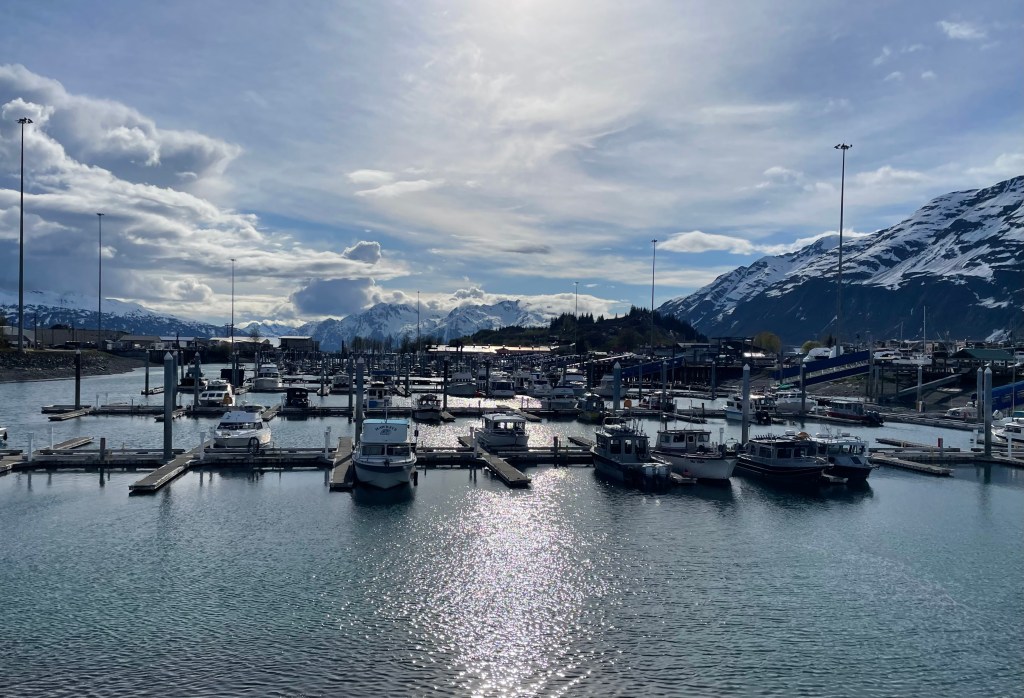
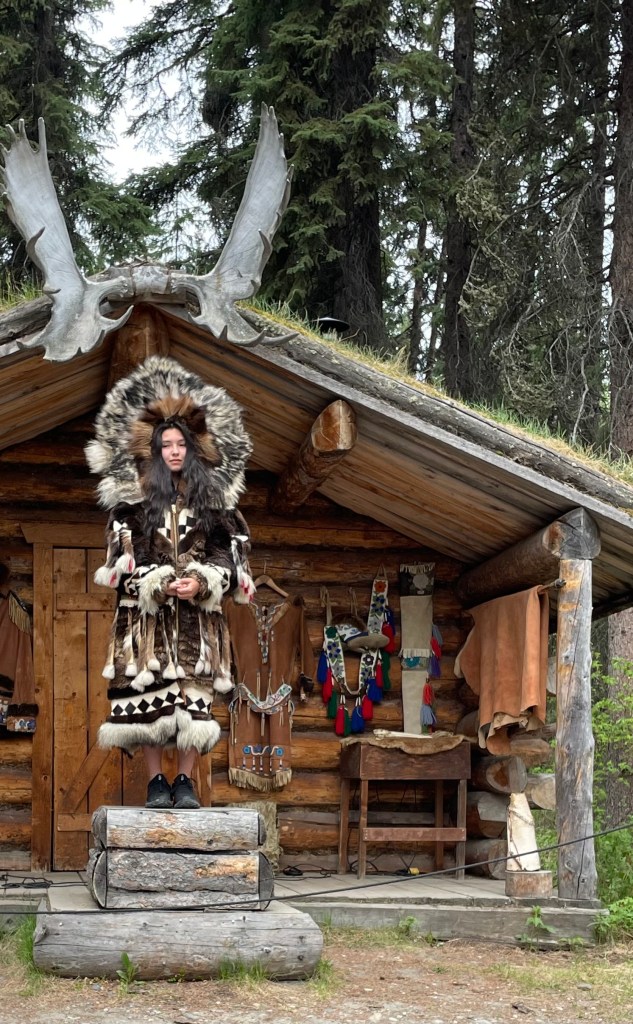
From the beginning, wildlife has played a major role in Alaska’s culture. The first people, of course, trapped animals for centuries before Russia came for much coveted sea otter pelts. Fur trading was a major industry for decades. The tribes used the pelts for clothing, blankets, and decorations and utilized every other part of the animals as well. I not only saw many of those animals-caribou, bear – black and brown, fox, wolf, wolverine, mink, sea otters, sea lions, seals, and more, but also got to see and feel their fur at a Athabaskan demonstration village. I had multiple opportunities to view the wildlife in Alaska from cruises through the fjords near Valdez and Seward, a double decker train ride from Fairbanks to Alaska, a six hour bus tour through Denali National Park, as well as along the road as we rambled long distances between snow covered ranges.

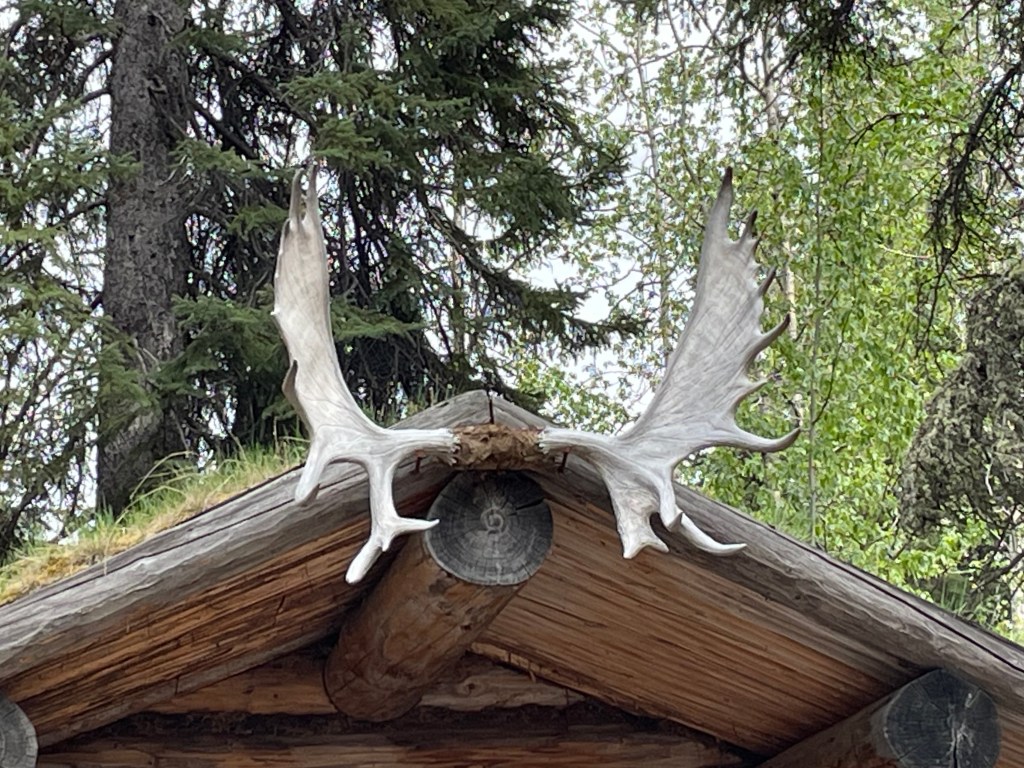

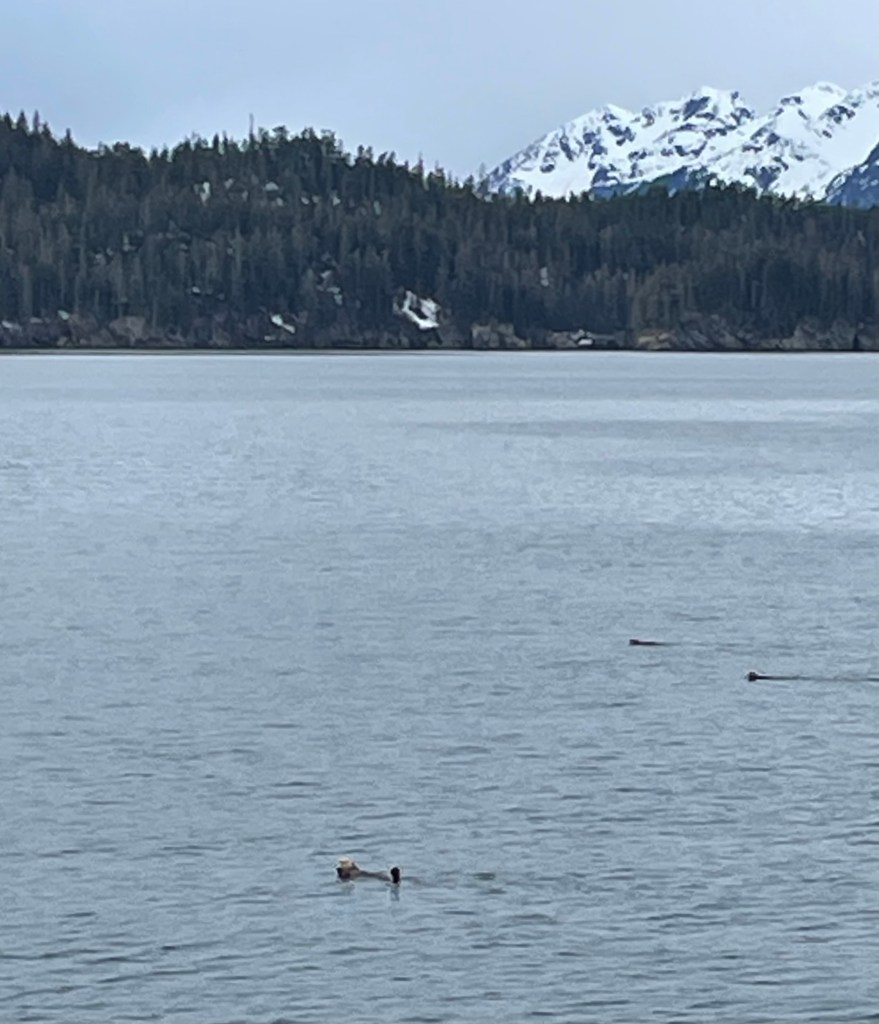
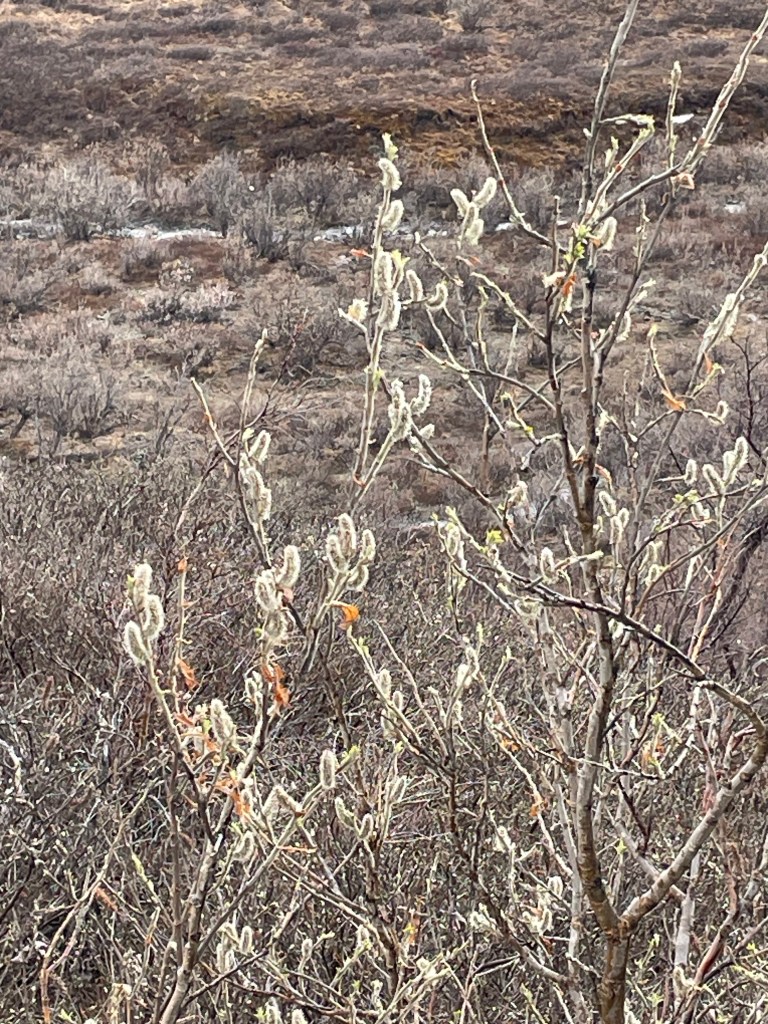
One night, while we were having dinner in Denali National Park two moose, male and female, wandered up munching on the new growth of the willow bushes outside our window. We all rushed to the windows for photos. I didn’t like the screen between my camera and the moose so went outside for a better shot, staying 30 feet away as I had been instructed. Soon our guide ran out and quietly called me back. “But I was 30 feet away” I said. “It’s 30 yards away” my guide emphatically replied. “Thirty feet, thirty yards, what’s the difference?” “Sixty yards” he said. It seems that moose kill or injure more people in Alaska than bears. At up to 7 ft tall at the shoulder and 2,000 pounds for a male, I’m sure they can inflict some damage, but luckily they paid no attention to me. I did get my shot however. Otters have always been one of my favorite animals, they’re just so cute and playful, so seeing them floating in rafts in the frigid Alaskan waters was amazing. Otters have no blubber to keep them warm, instead they’re unfazed by the cold because of their dense fur – 700,000 to a million hairs per INCH. A German Shepherd dog has about 6- 700,000 hairs in total in comparison. And sea otters are huge compared to our river otters, up to 5 feet and 100 pounds. But they’re still really cute and shy it seems – so it was hard to get a good photo.
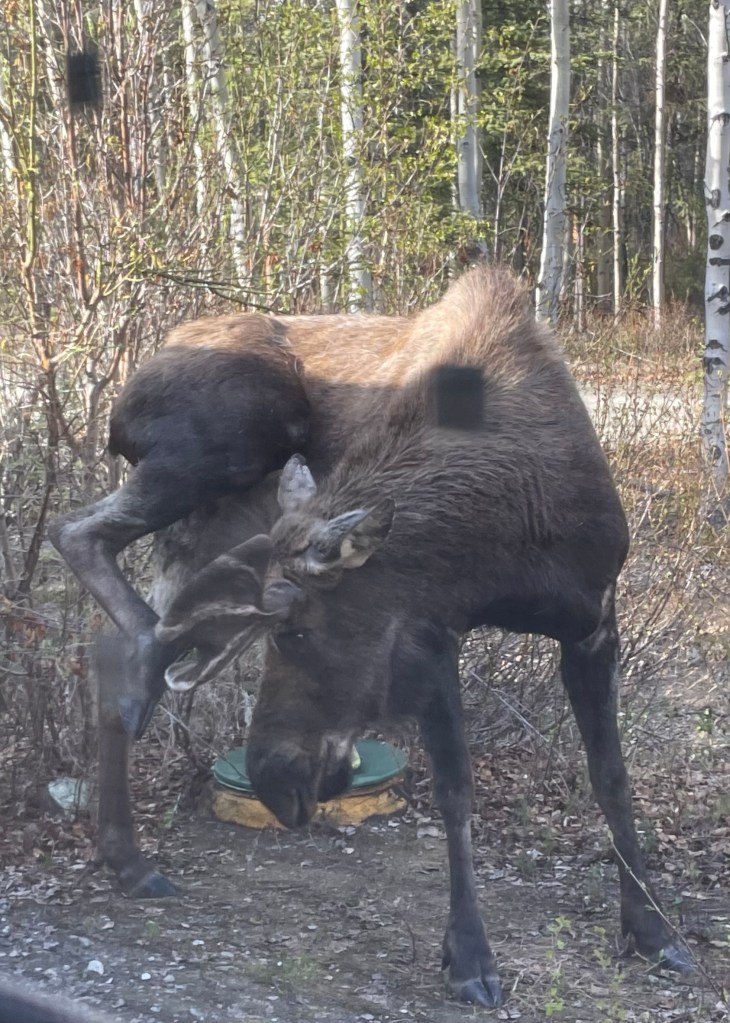
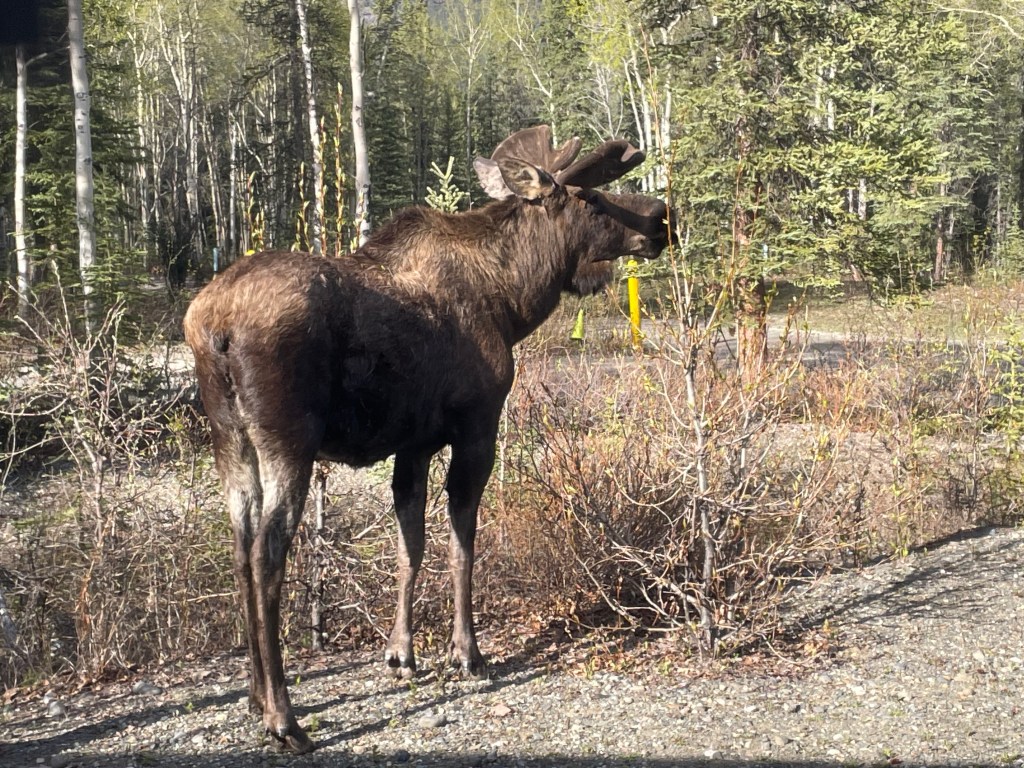
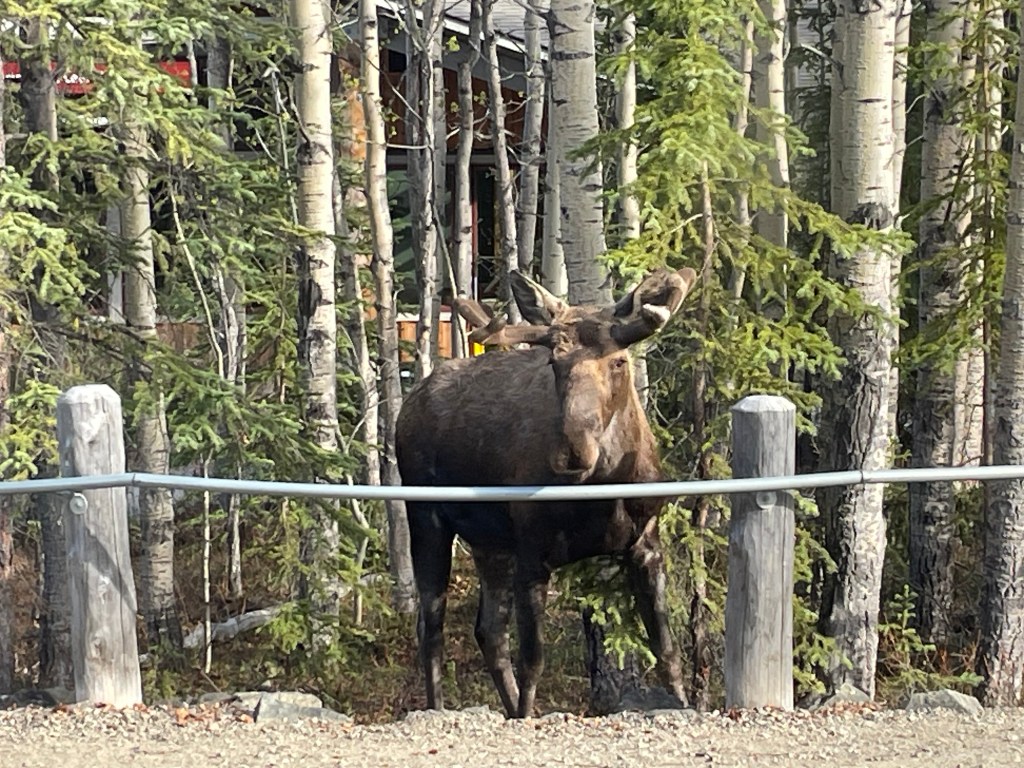


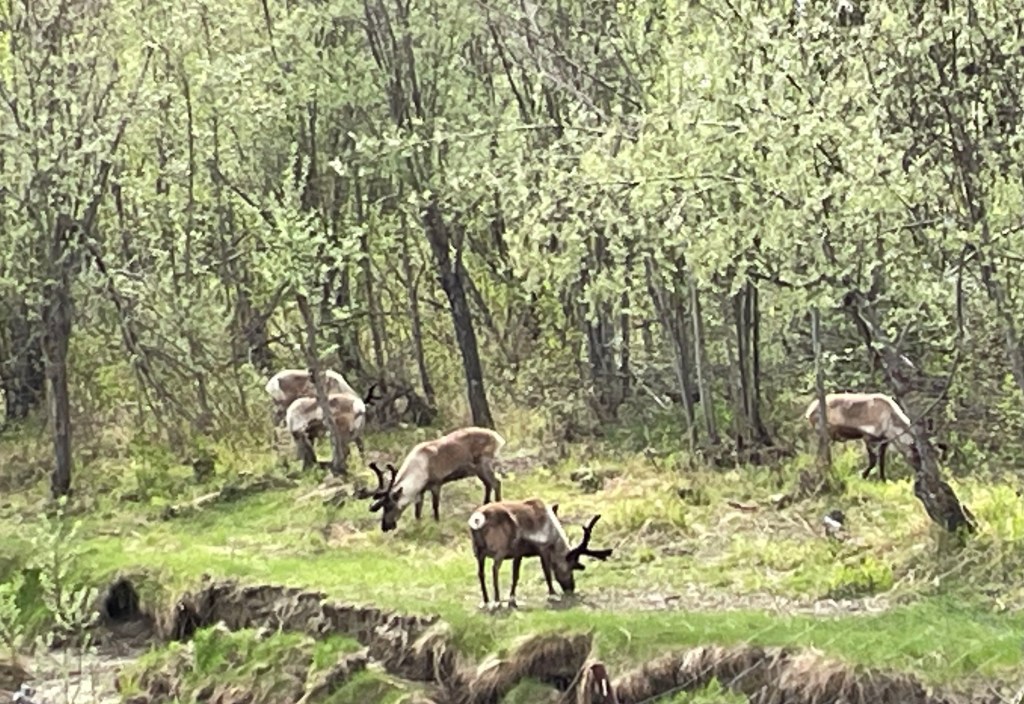
We got up close and personal with moose, caribou, a porcupine, and a grizzly bear. Caribou, the wild relatives of the domesticated reindeer, were fairly abundant across the Alaskan tundra. Both females and males sport huge antlers – covered in velvet this time of year, which they will lose at the end of the season. The grizzly bear, that ran in front of our bus and along side the road in Denali, was an unusual sighting, given that Denali is 6.2 million acres and there are only around 300 grizzlies in the park. Did you know that bears can run 35 mph? That’s as fast as a race horse! From afar we saw a fox prancing across a grassy field; Dall sheep and mountains goats as small white specks high on the rocky ledges; ptarmigan- the Alaskan state bird, speckled brown and white between their summer and winter plumage; bald eagles perched high in tree tops or soaring over head; and a black bear hugging the edge of the forest as he looked for food after a long winter nap. I only saw one, but the arctic squirrel is an amazing animal. He does a true hibernation. He survives the cold winters by almost freezing to death. He sleeps, allowing his body temperature to drop until his heart is about to stop, then he shivers himself back to life, forages for food for a couple days before falling back asleep. And these winters are long, it’s an incredible survival adaptation. The Alaskan wood frog also has adapted to this harsh environment. In the winter, they excrete the water from their body replacing it with a glucose substance that acts like an antifreeze. The outside of their body is encapsulated in ice, but the interior does not freeze.
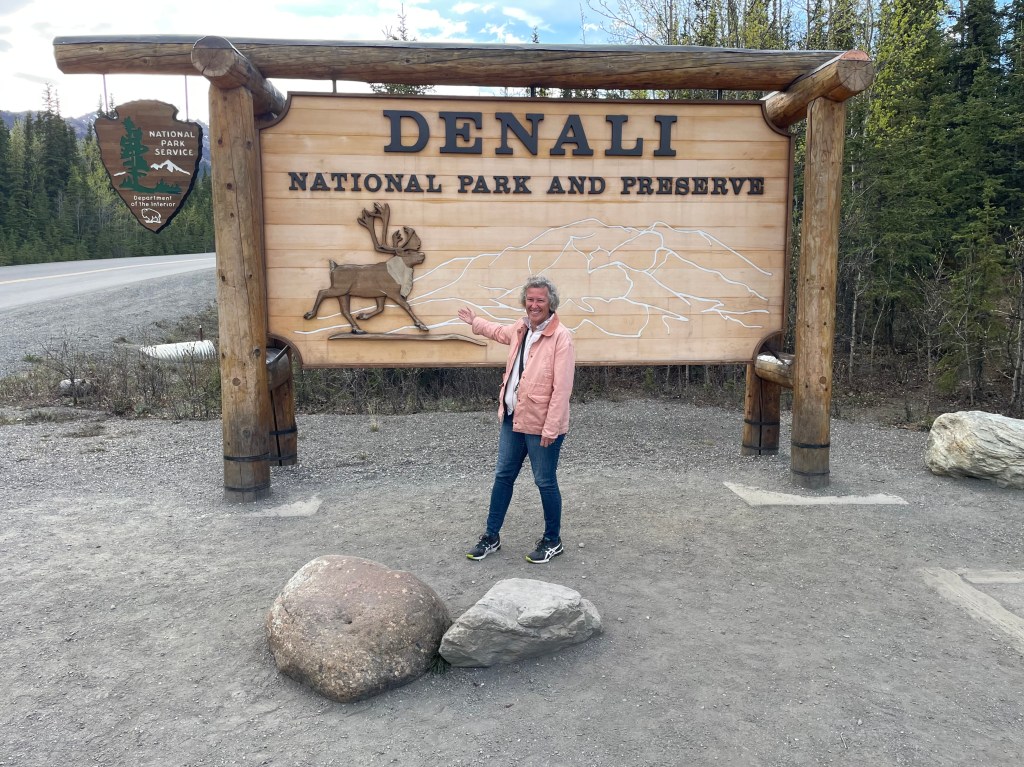

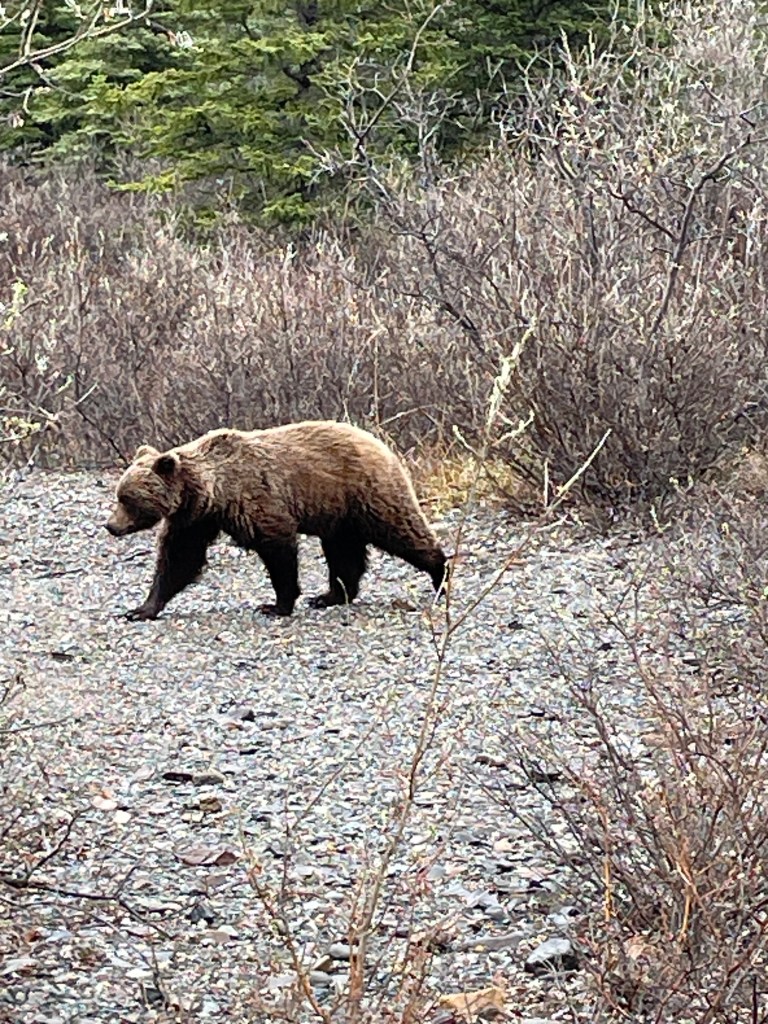
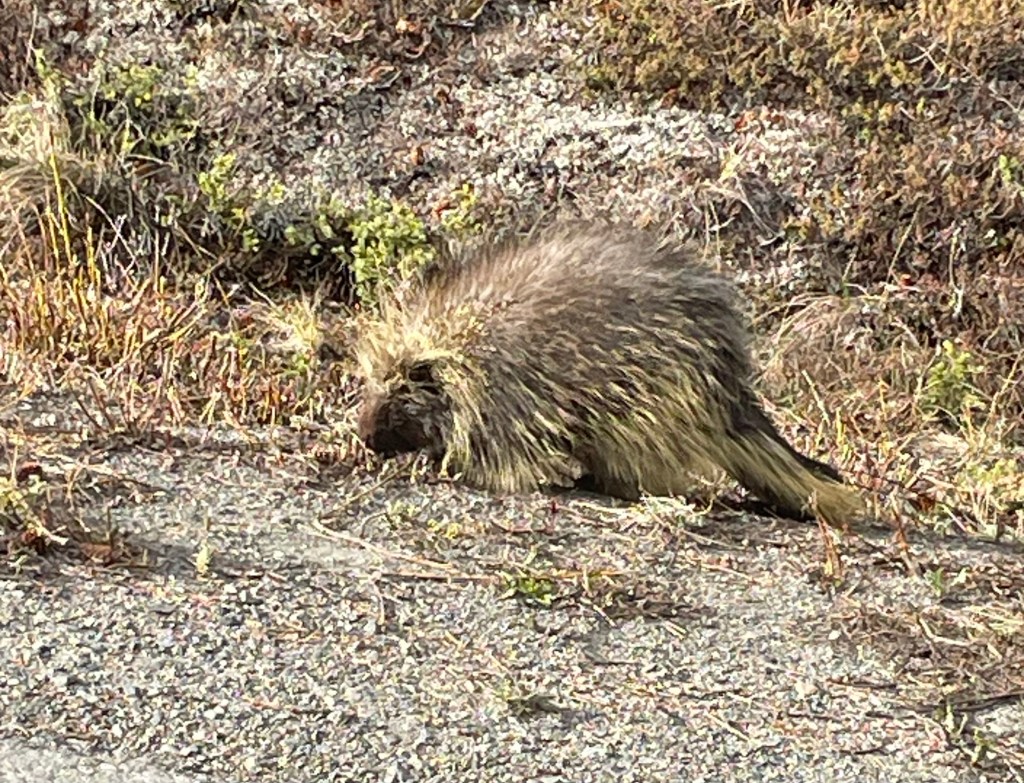
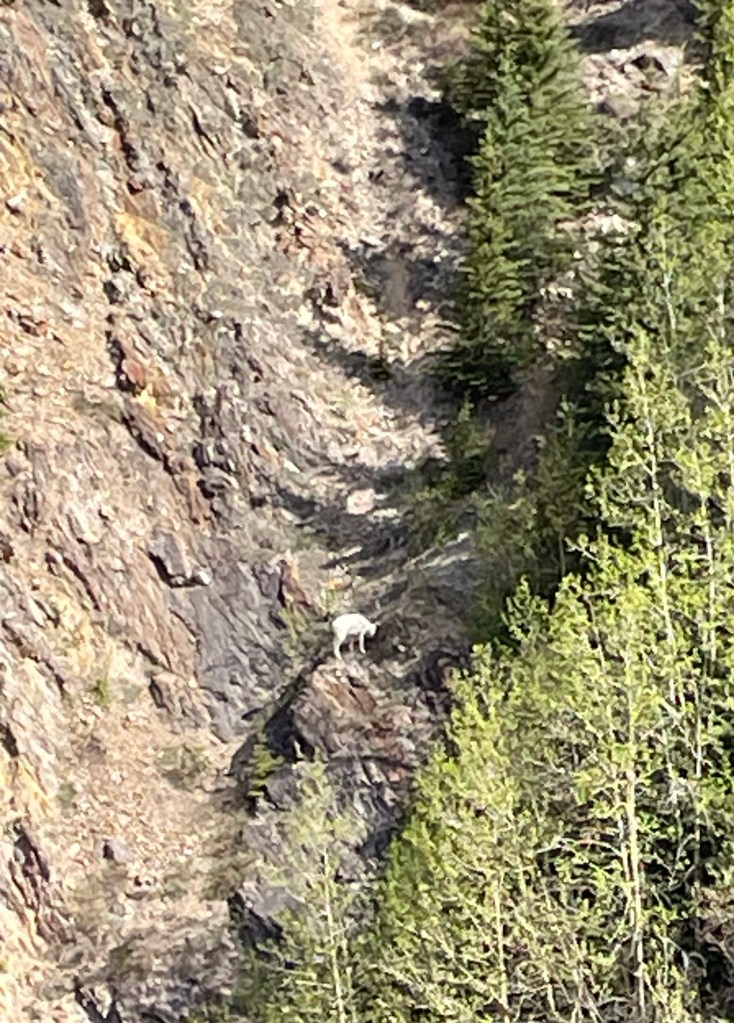
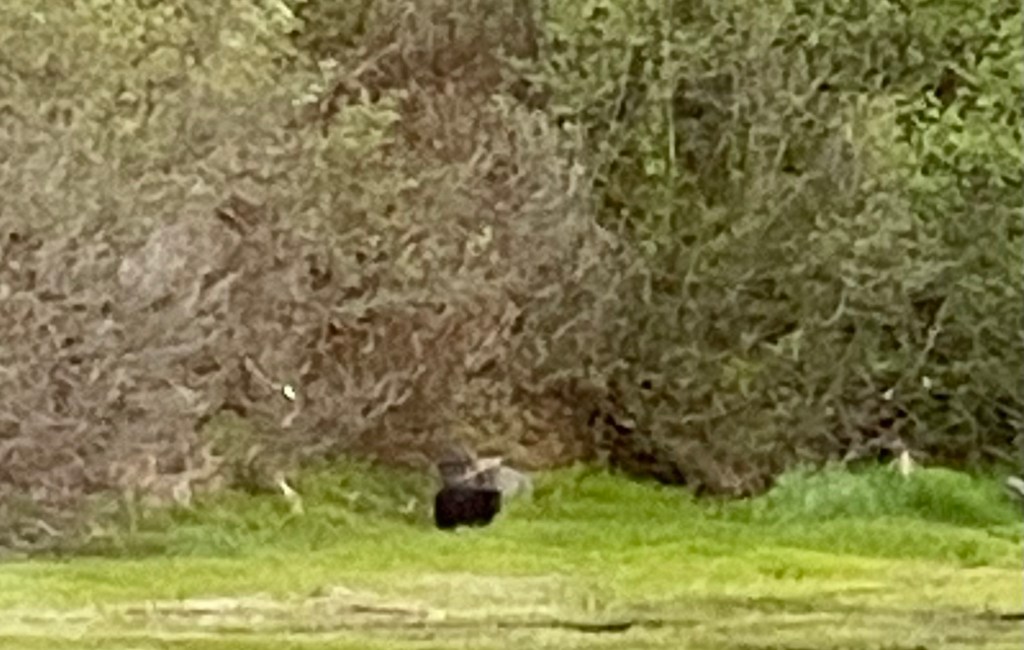

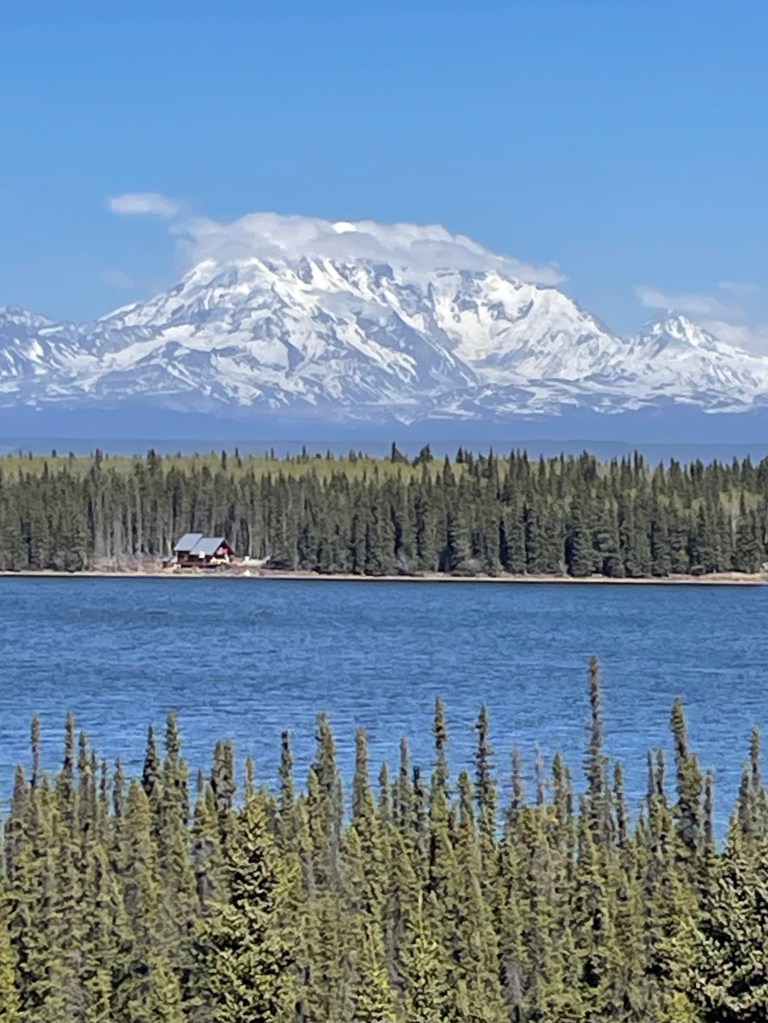
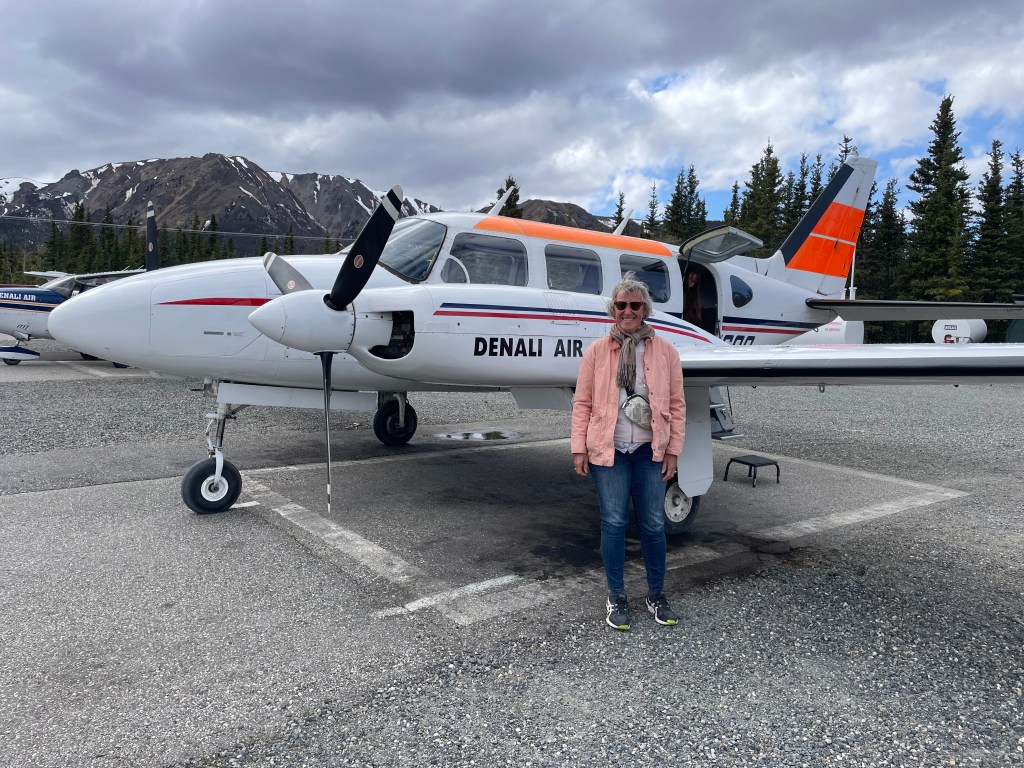
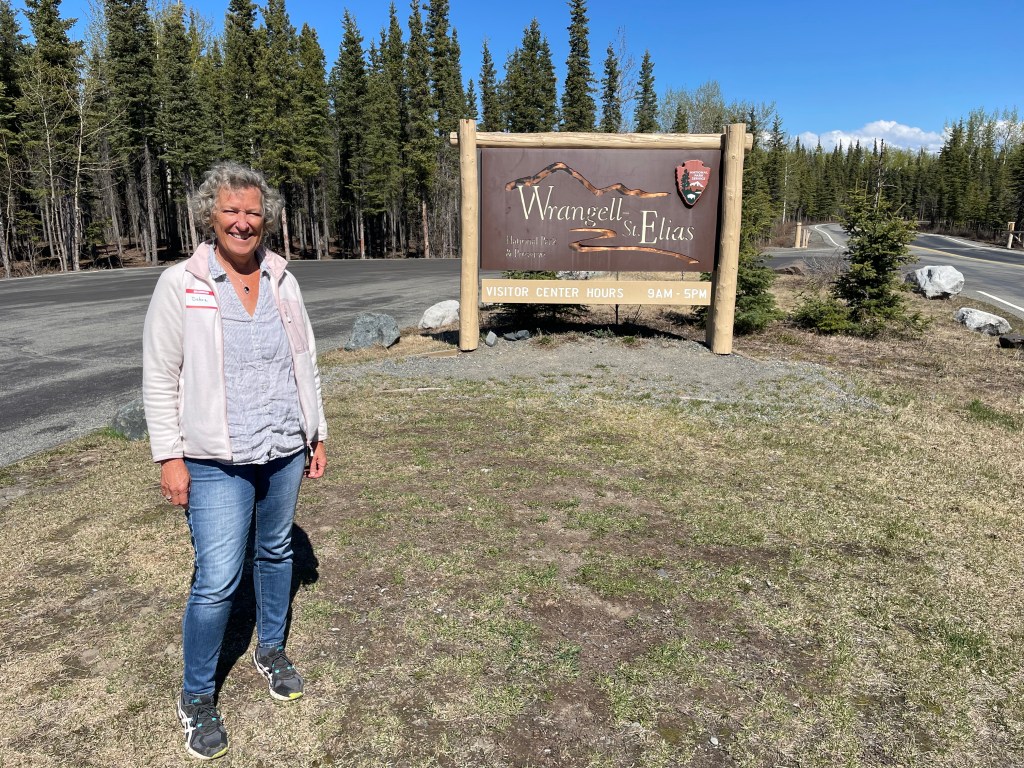
As I said, Alaska is big, 365 million acres big. There are 54 millions acres of national parks, which is 2/3 of the national park system. Wrangell St Elias is the largest and least visited national park with 13 million acres and Tongass National Park was established by Teddy Roosevelt in 1907, long before Alaska became a state. Nine of the 16 tallest peaks in the North America are in Alaska. Denali is the only national park that was created to protect wildlife, specifically the Dall sheep. One day, I took a flight to see Mount Denali-which means the high one, close up. I was one of the lucky ones, as it’s only visible about 20% of the time. Although, Everest is the highest mountain by elevation, Denali is the tallest when measured from base to peak. Much of the land here is pristine wilderness with no evidence of human existence. You can see for miles across the tundra and once you’re at 3,000 feet there are no trees to obstruct your view. In places like Colorado the tree line is between 11 -12,000 feet.


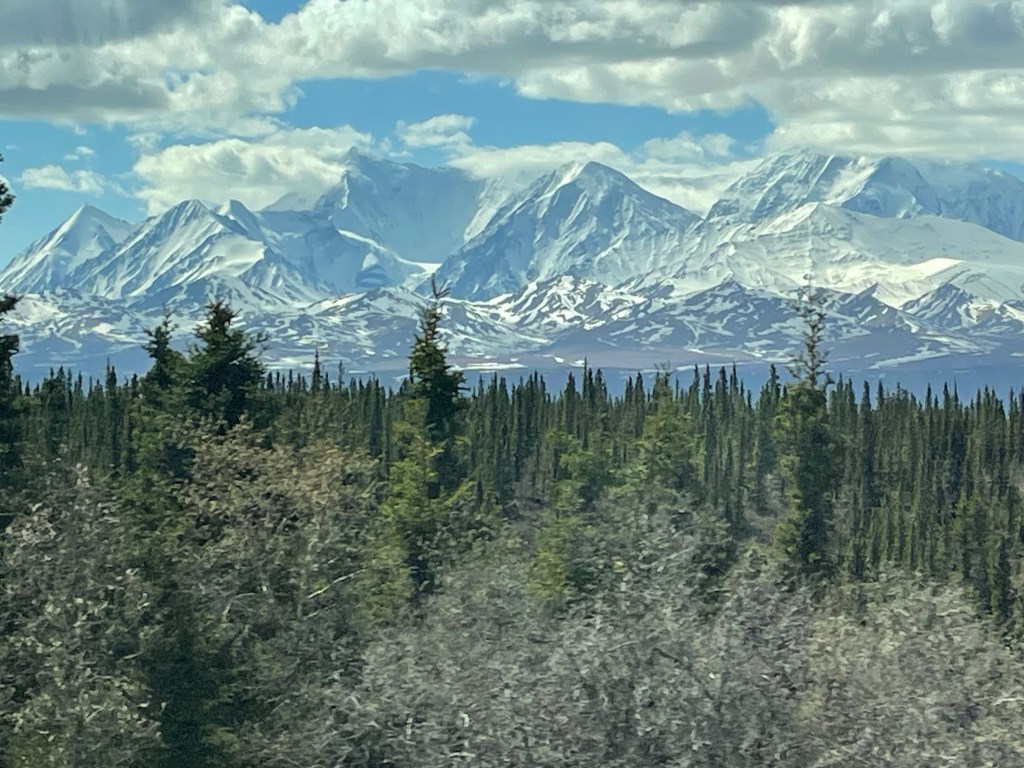
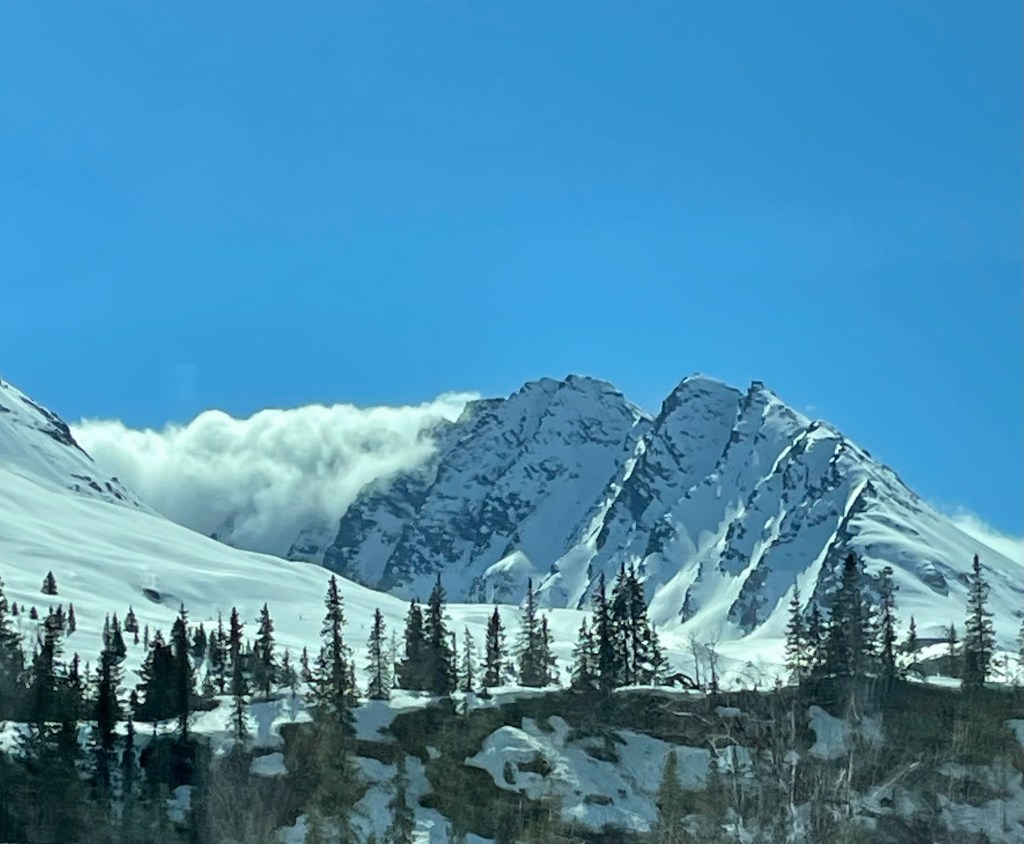
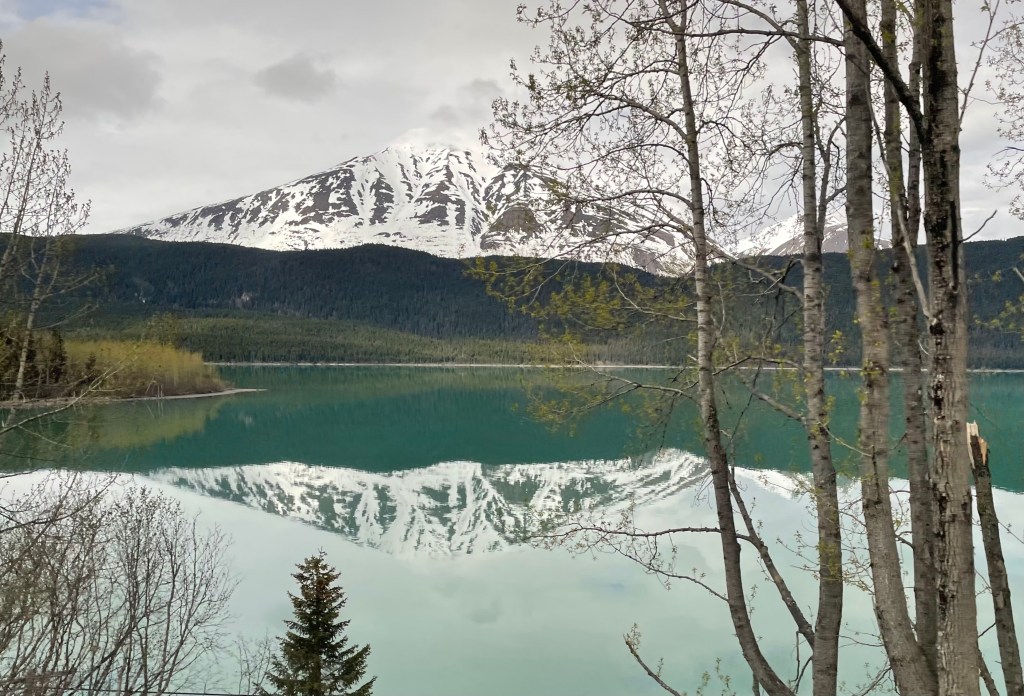
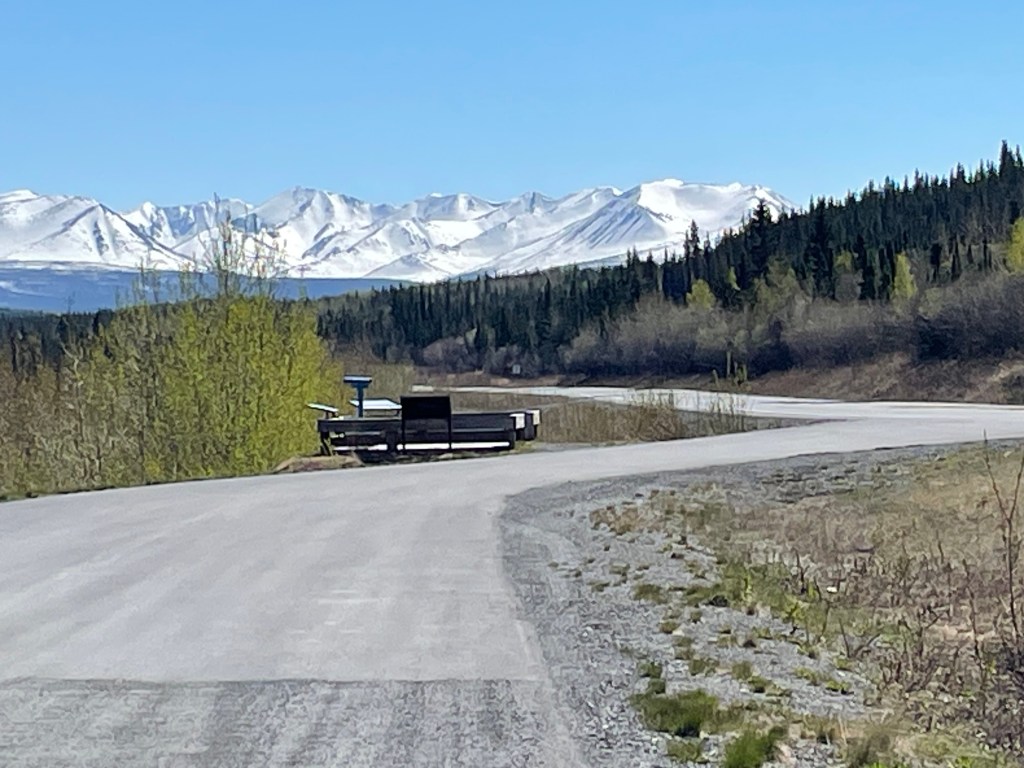
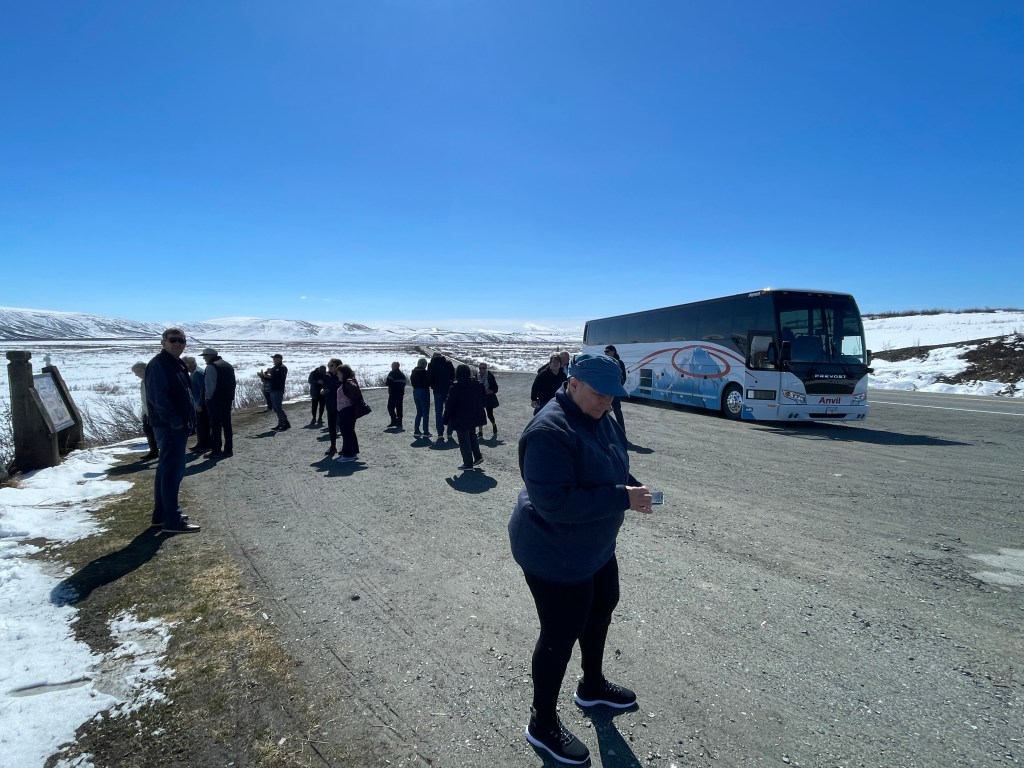
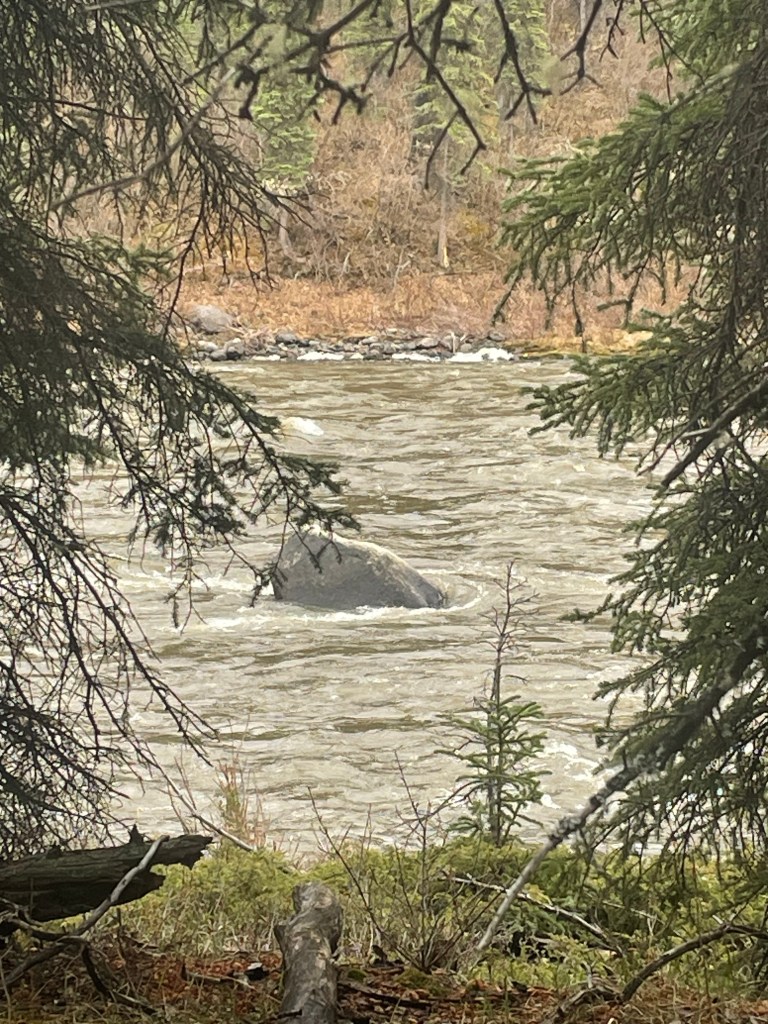
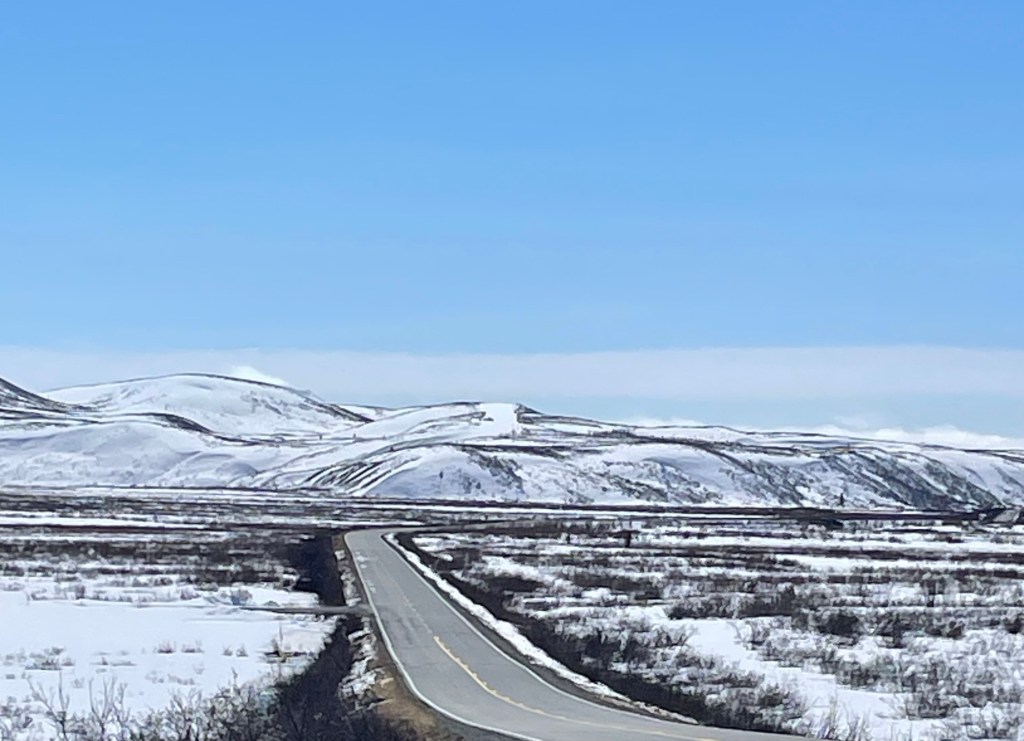
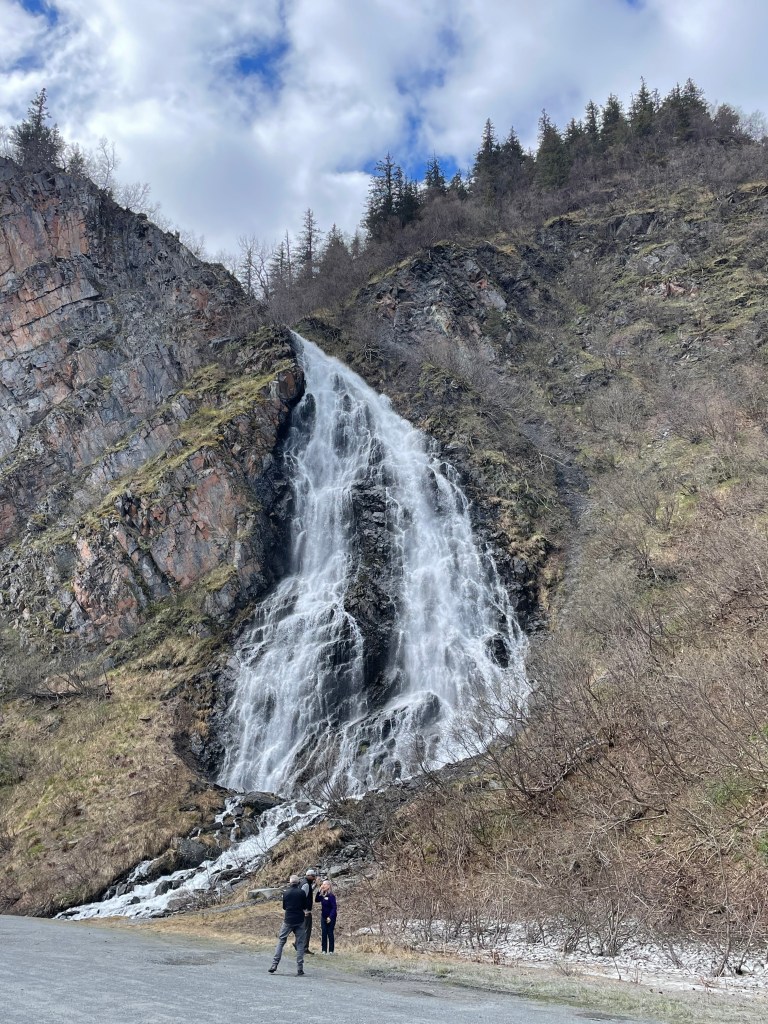
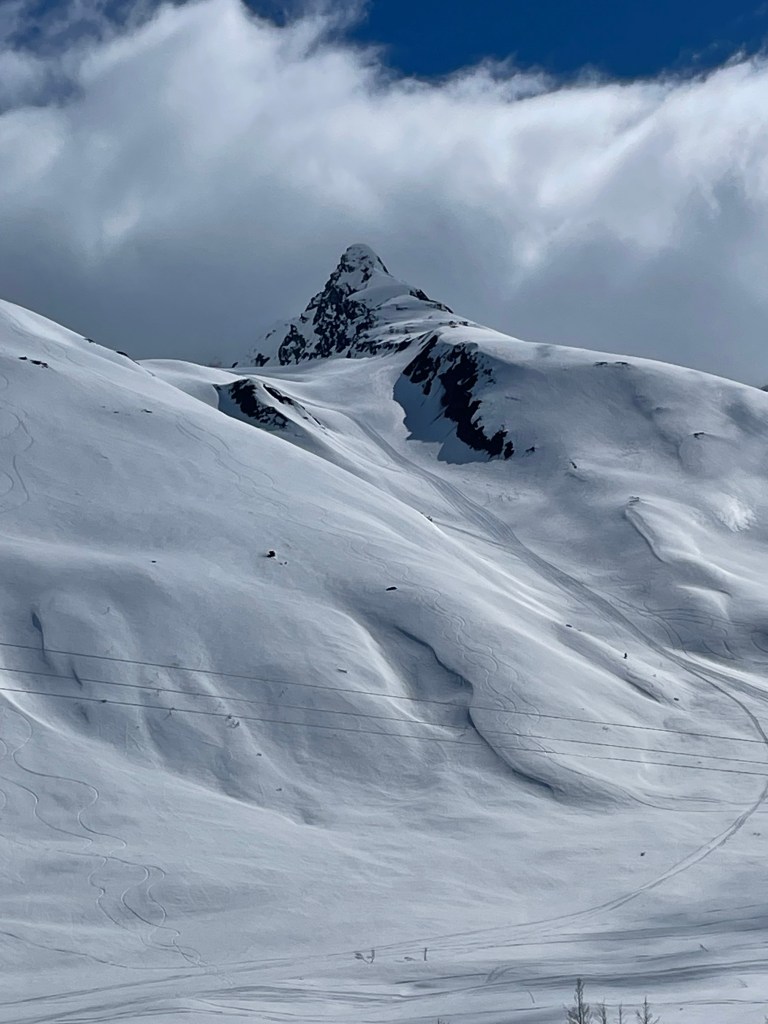
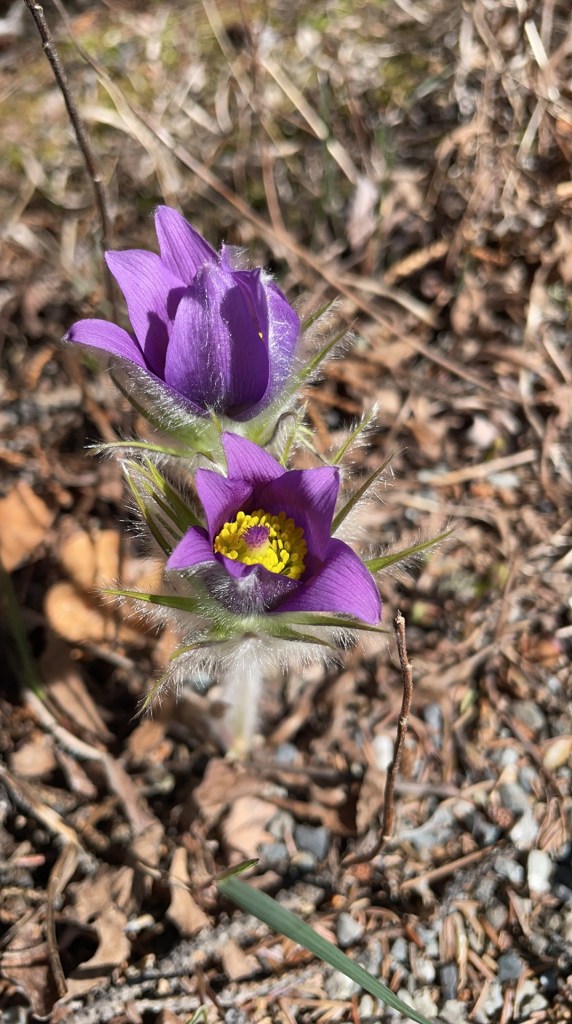
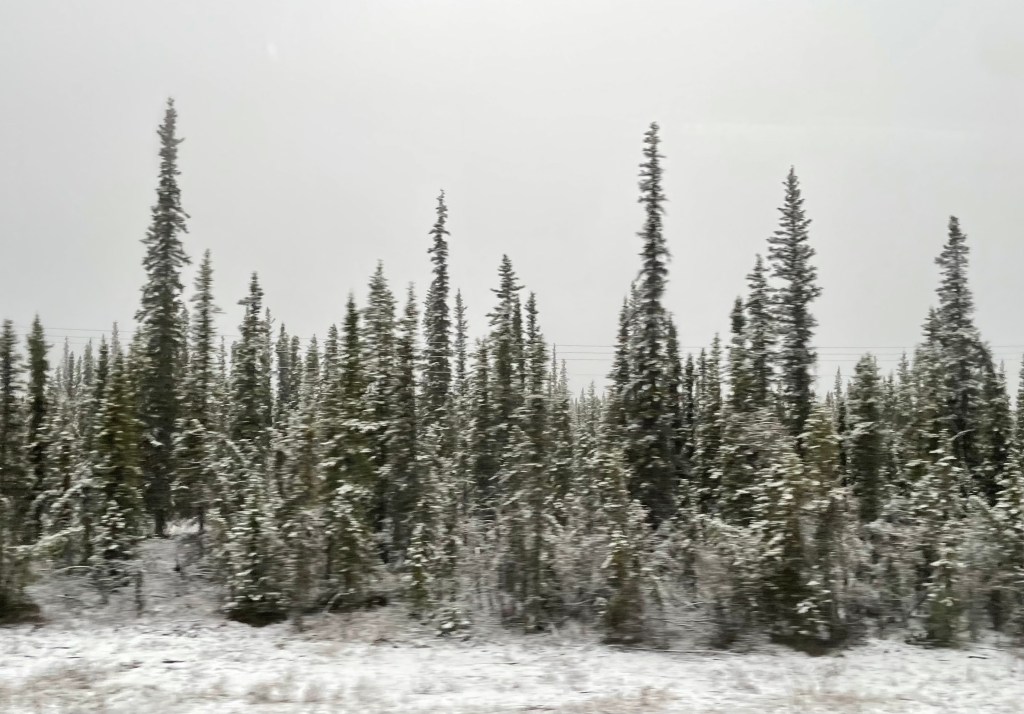
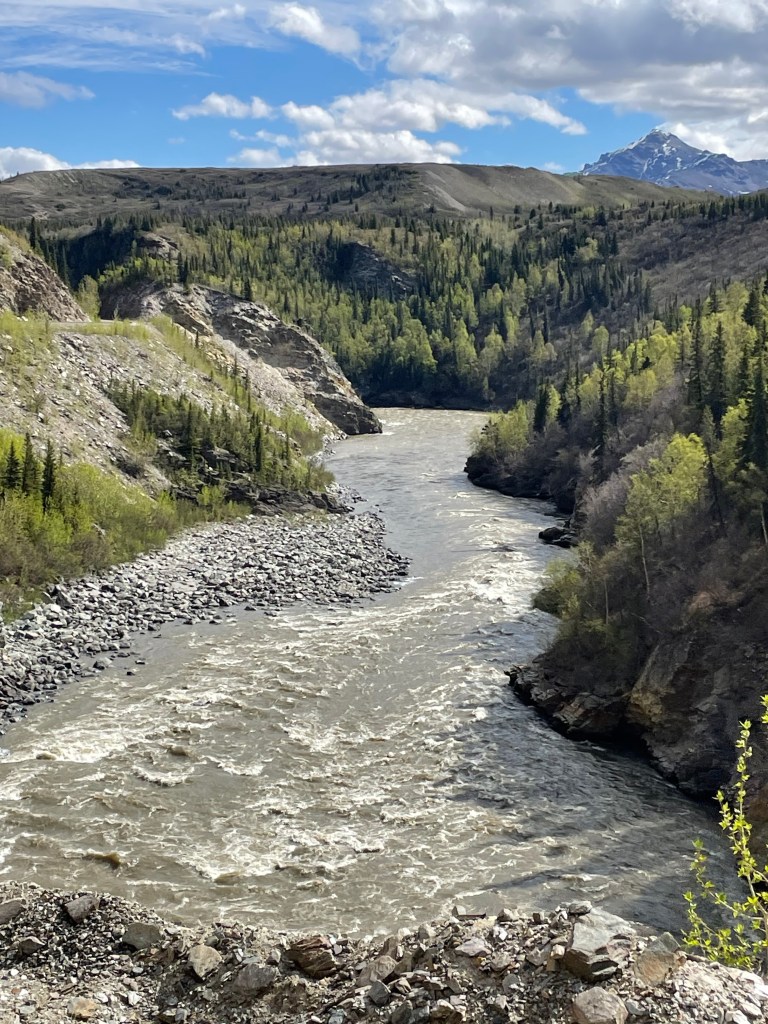
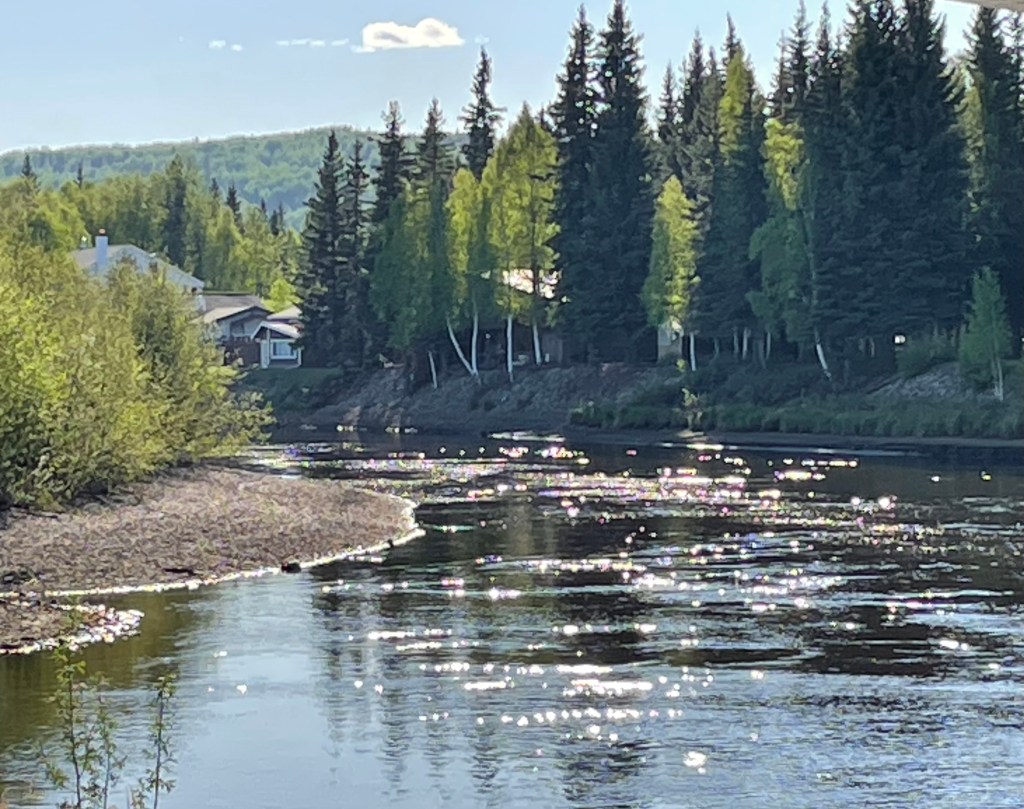
We covered at least 1,000 miles from Anchorage to Valdez, Valdez to Fairbanks, Fairbanks to Denali, Denali to Anchorage, and Anchorage to Seward and back and only saw a small portion of this amazing state. Every part of the drive provided beautiful vistas of snow covered ranges, raging rivers, and tall spring melt waterfalls. In spite of the inhospitable permafrost, black spruce manage to grow, like tall spindly pipe cleaners. In places, many are tipped over as they rise too tall for their shallow roots to hold them up, these are called drunken forests. We went from early summer in Anchorage, with the trees leafed out in spring green to snow covered spruces up in the mountain passes, and then north where trees and bushes were just beginning to bud and wildflowers only starting to push their way out of the earth.

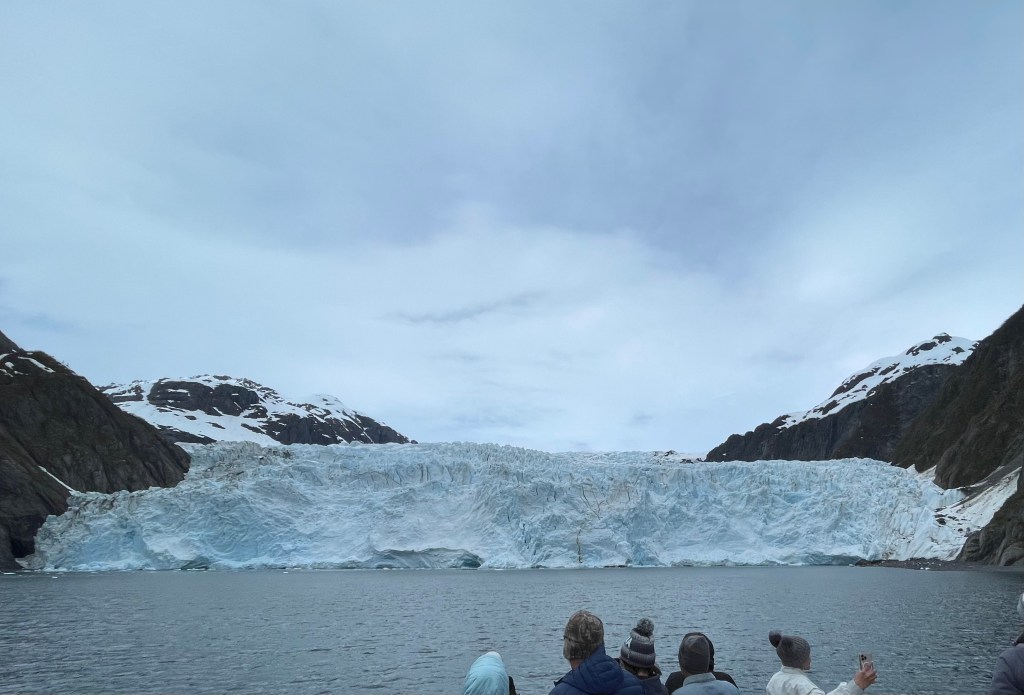
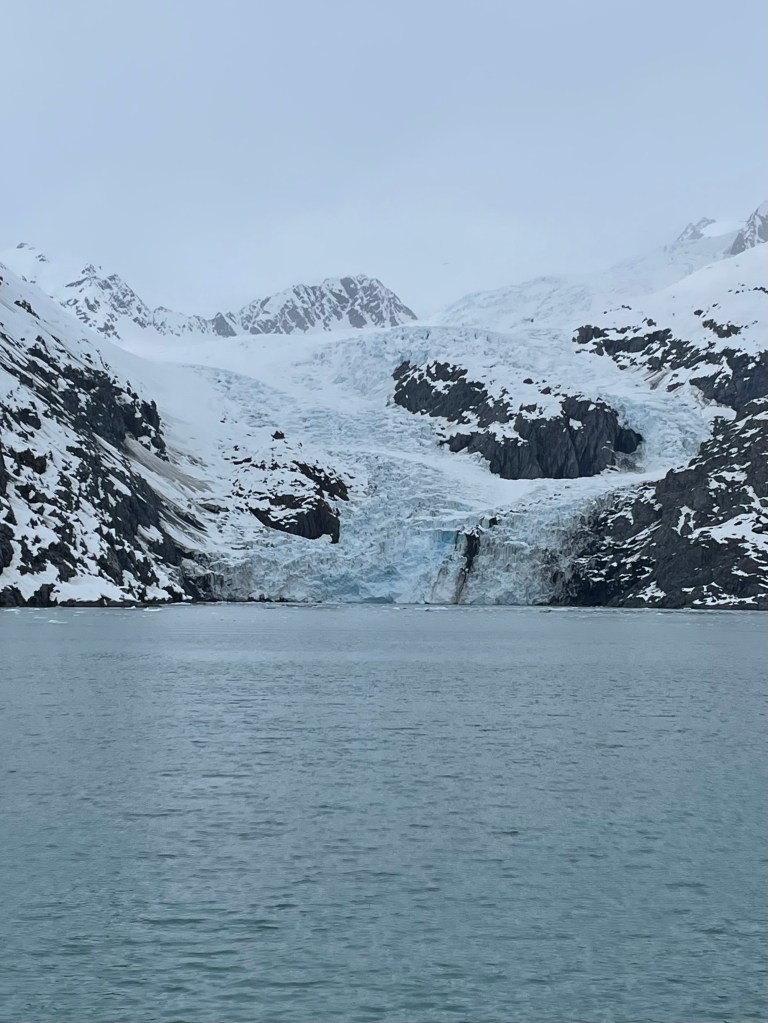
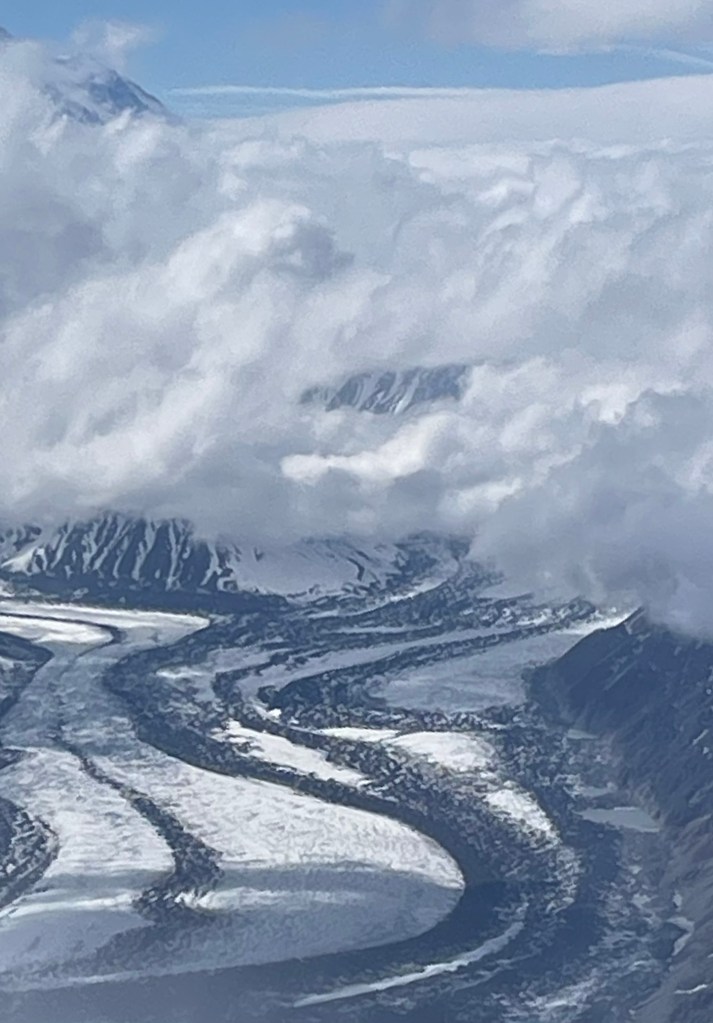
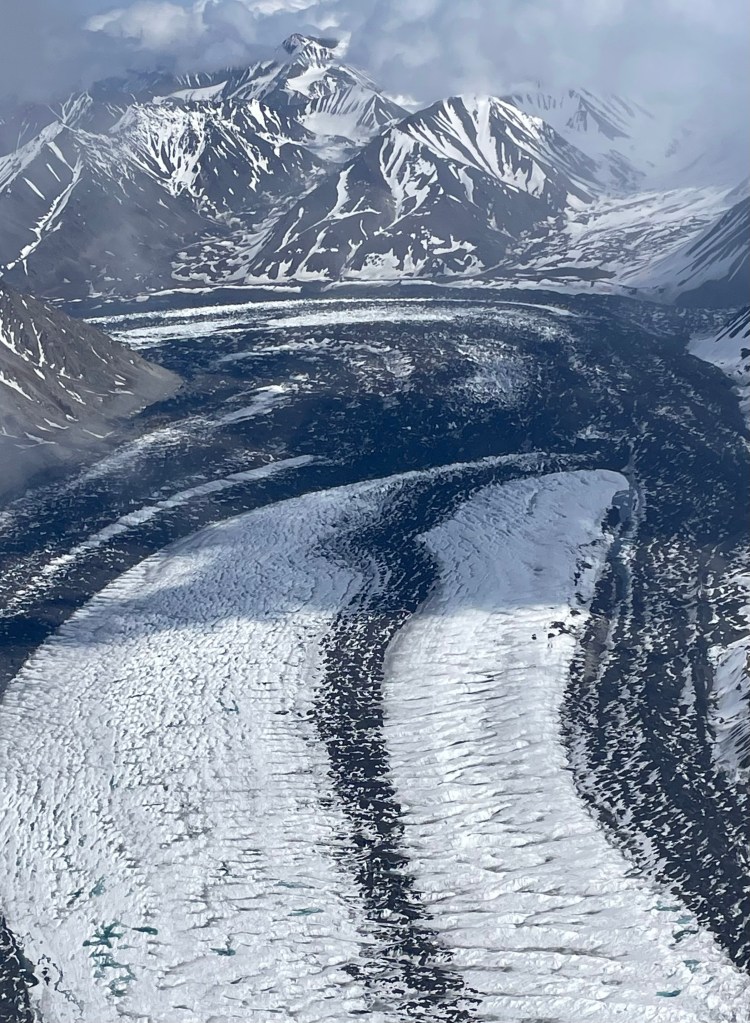
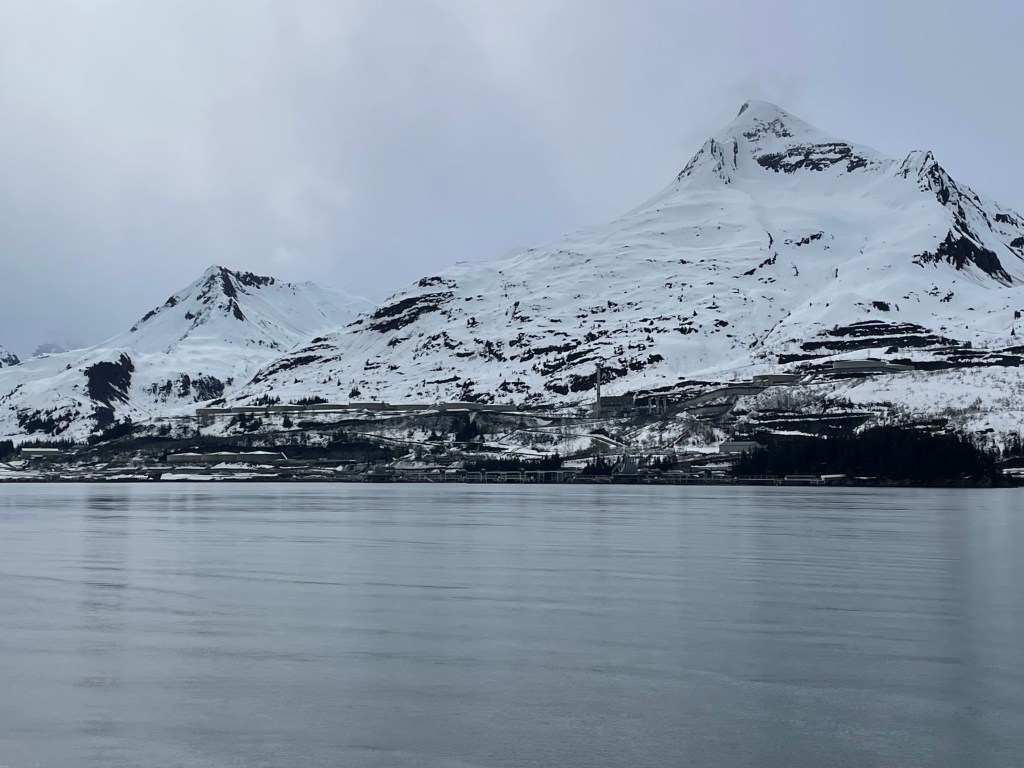
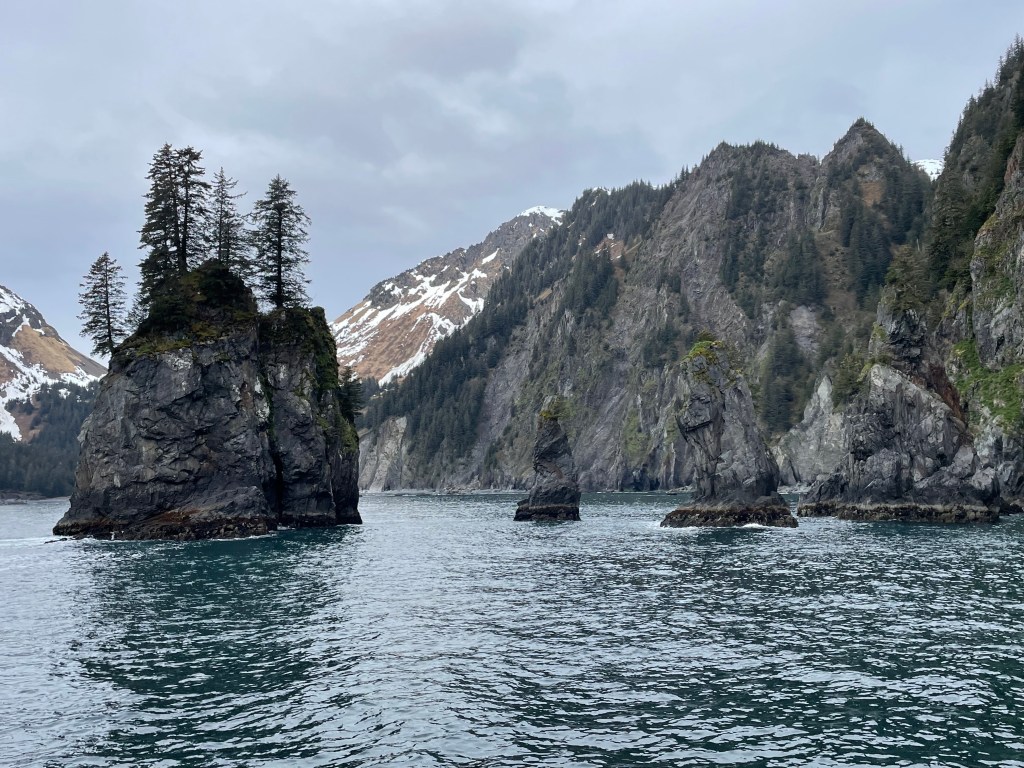
Our two cruises up the fjords brought us face to face with massive glaciers. There are over 100,000 slow moving rivers of ice, or glaciers, in Alaska. Many are receding, or growing smaller as the climate warms up. But many are still moving forward, sometimes 30 to 40 feet per day. In Columbia Bay, the glacier was a mile across and over 300 feet above the water level, with much more below. In the fjord near Seward they were 500 to 800 feet tall. One of the deepest ones is over 3,800 feet. Just huge! From my flight I could see miles of glacier rivers carving wide flat valleys through the landscape. As the ice melts, it creates braided rivers – multiple river streams through silt islands, full of fine silt called flour which colors the water gray or aqua. Glacier valleys are different from river canyons which have steep sides – think of the grand canyon. The ice is snow that has been impacted over time to be very thick and dense, so dense that only the short blue spectrum is refracted, making them appear blue. It was interesting to see the color shift and change in the light, more vivid blue when the skies were gray, lighter blue in the bright sunshine. Leading up to the glacier face in the fjords are various sized ice bergs which have broken off from the glacier. In the water the bigger ones are blue but as they melt they turn white, but when you take them out of the water they’re clear. A little bit of magic. It was fun to find an array of ice berg animals floating in the water -turtles, orca, birds, etc, kind of like the animals you see in clouds.
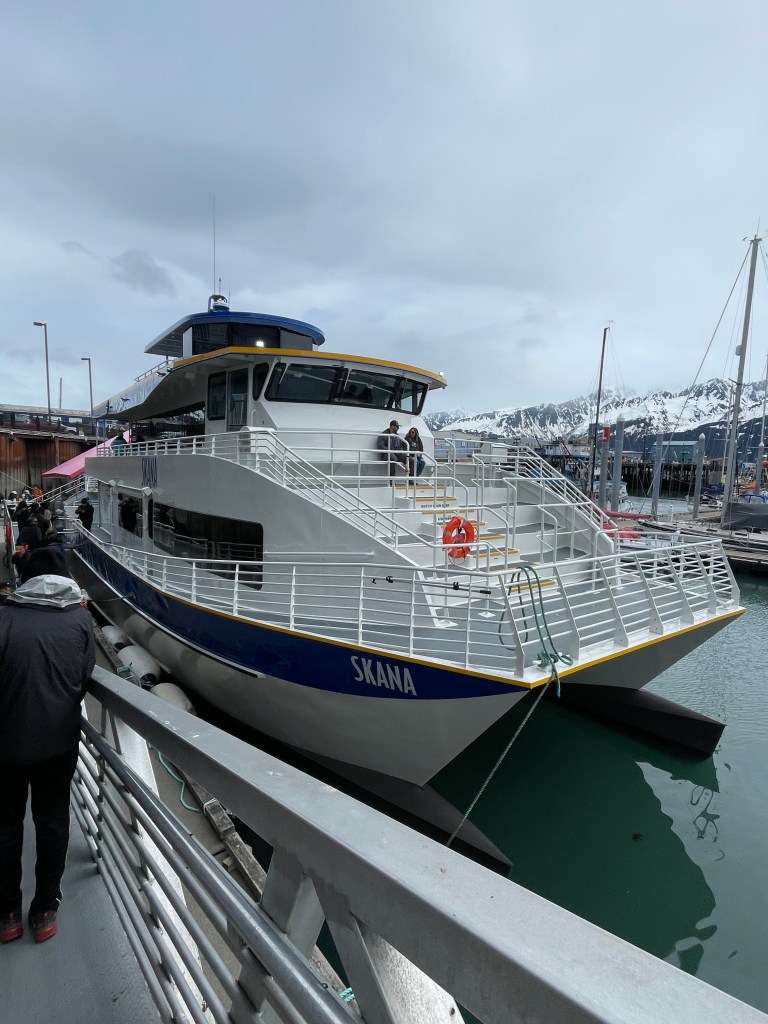
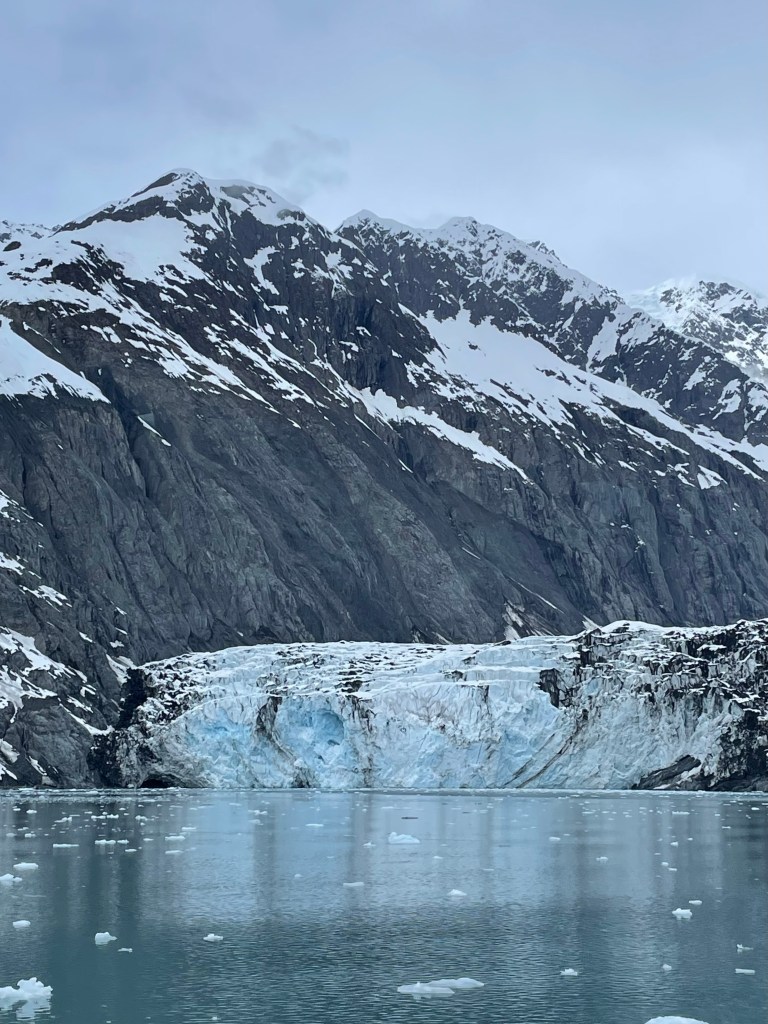


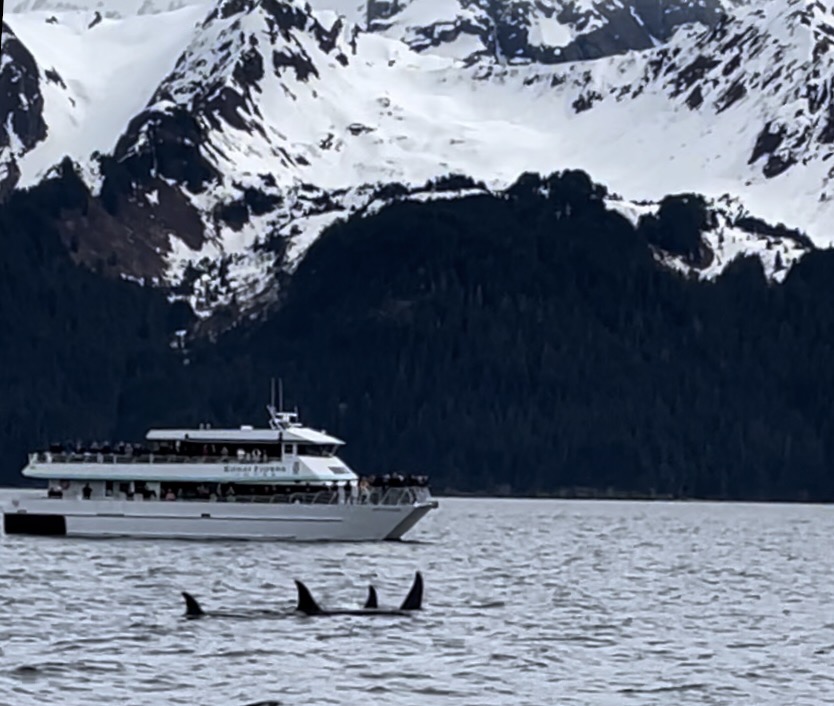
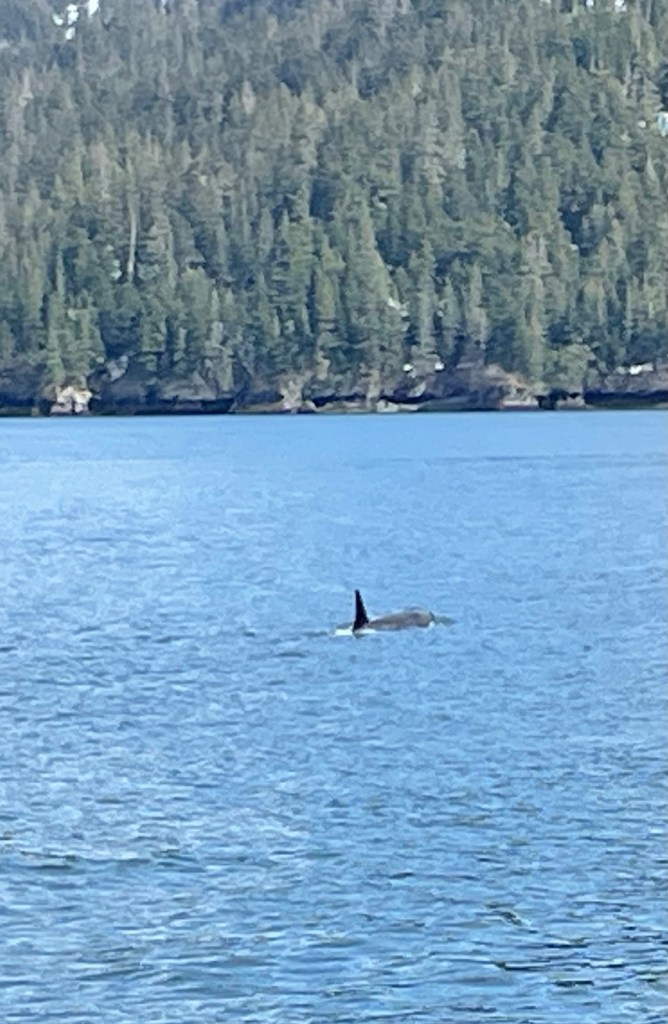
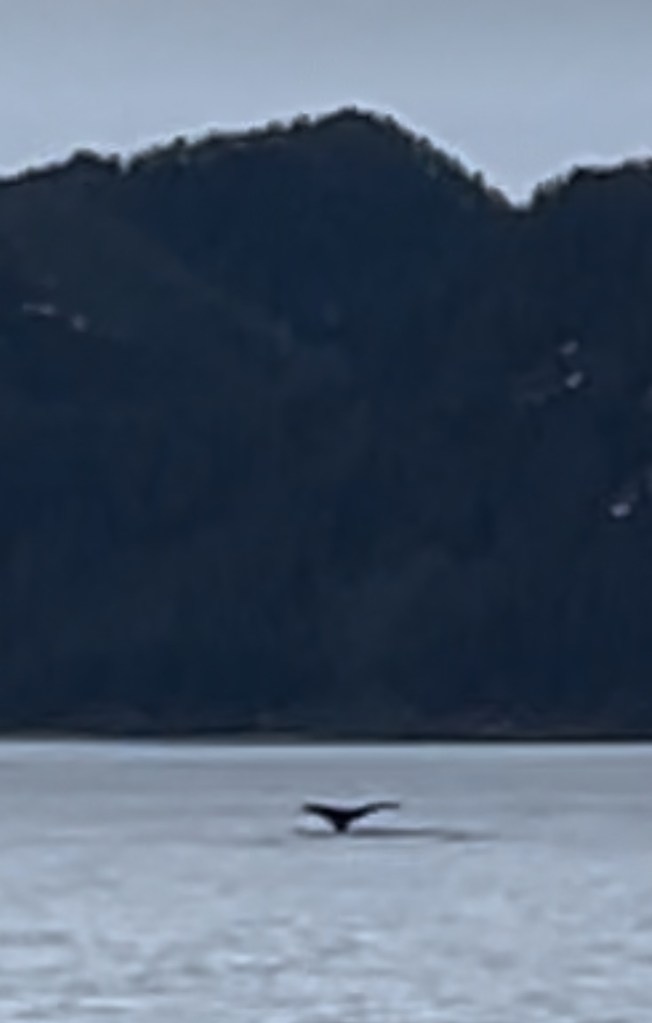
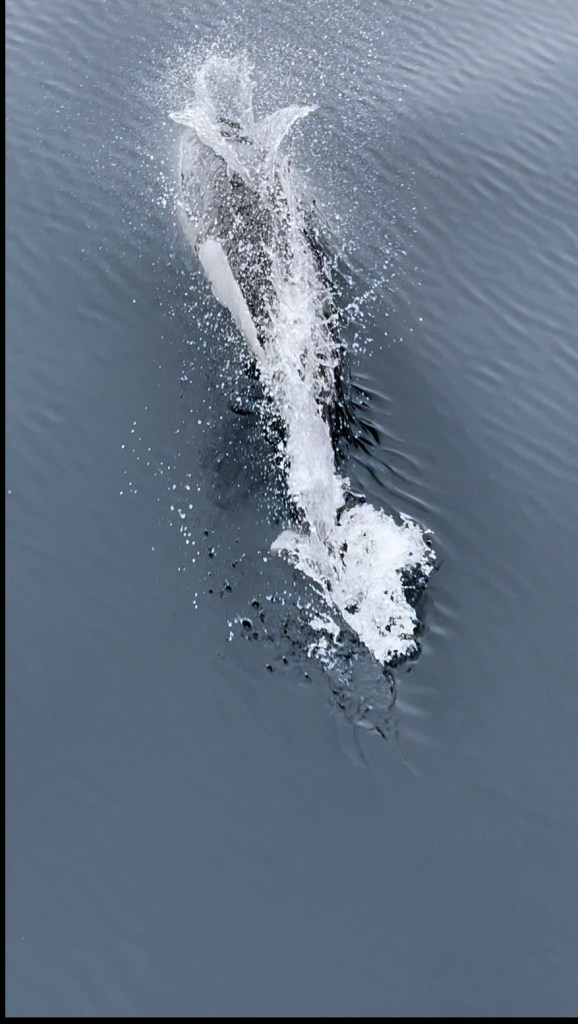
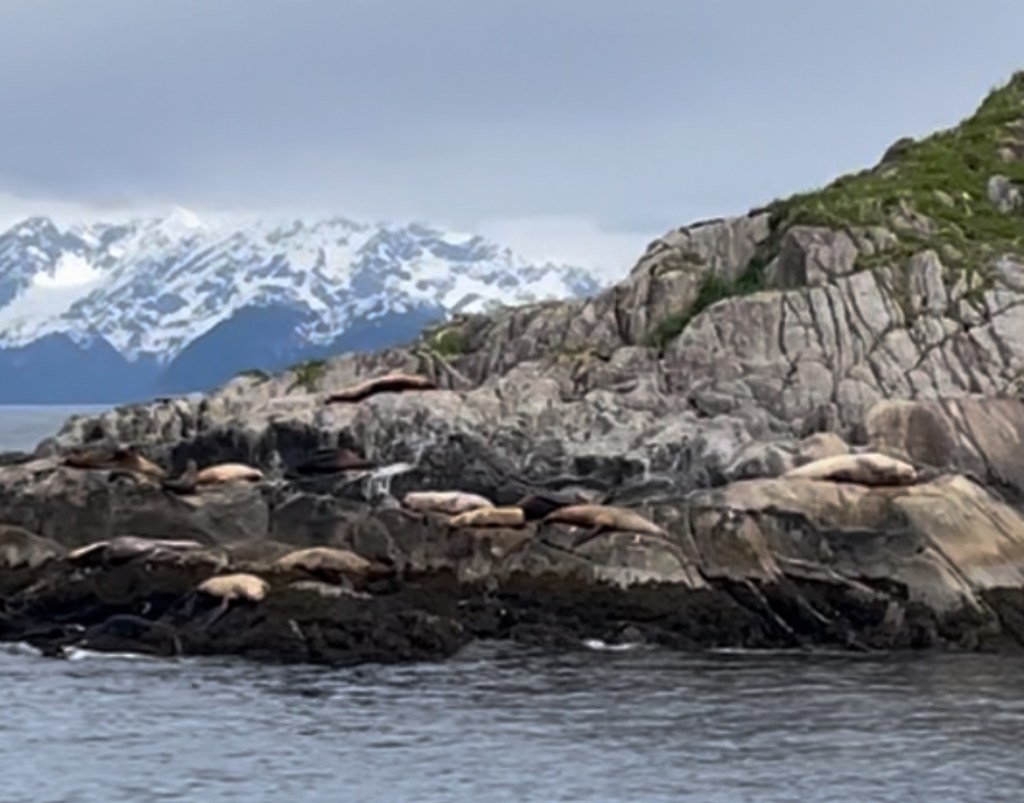
The waters in the fjords were home to another whole range of animals. We saw several pods of orca fishing in the bays. We saw one humpback whale, showing us a little tail from time to time. There were porpoises leading our way, jumping and diving in front of the boat; sea lions, warming in the sun on rocks and buoys; sea otters floating on their backs watching the world go by; and a few seals unfazed by the orcas swimming near their rocky ledge. Eagles presented themselves here as well, you found them by scanning the tree line for something that resembles a soft ball. Their nest are huge and used year after year. One, which had been in use for a long time, tumbled to the ground due to its weight. Someone measured the debris, it weighed 2,000 pounds! Those are big nests. Eagles mate for life, grasping each others talons as they do a spiral death dive- their marriage ceremony, separating at the just before they hit the water.




After the fur traders came through, the gold rushes began, sometime around 1880. The initial miners panned along rivers, but any success was short-lived and those that came later often missed out. Then placer mines were created, where they dug down through the permafrost to bedrock looking for veins of gold, and then mined horizontally. That was hard work and success was elusive and fleeting. Then larger companies bought up claims to dredge mine and did well until the price of gold plummeted and profits fell. Gold is still mined today in Alaska, with another cache recently discovered. Fairbanks was established based on a gold find in the area, and after a rocky start still flourishes today, though gold is no longer the economic driver. We had an opportunity to pan for gold at an old dredge mine. Each of us was given a bag of dirt and a pan -shaped like but bigger than a pie pan, and was set in front of a trough. We filled the pan with water and swirled, with the pan at an angle, trying to get the gold to settle at the bottom. You removed the larger chunks of rocks and continue to swirl, dipping the pan in water and washing loose sand over the side. After continuing this motion until there was only a little sand remaining, you twirled the water around the pan trying to separate the gold from the sand. With a dry finger you picked up the tiny gold chunks and put them into a container to be weighed. It looked like nothing in my pan, but the young lady helping us assured me I had done well. She was right, I panned the most gold of our group-$31 worth at today’s prices of over $2,000/oz. To my dismay, they wouldn’t buy it from me but were glad to make some jewelry from it. A current miner, panning in a river outside of Anchorage averages about $5/day. Not enough to live on.

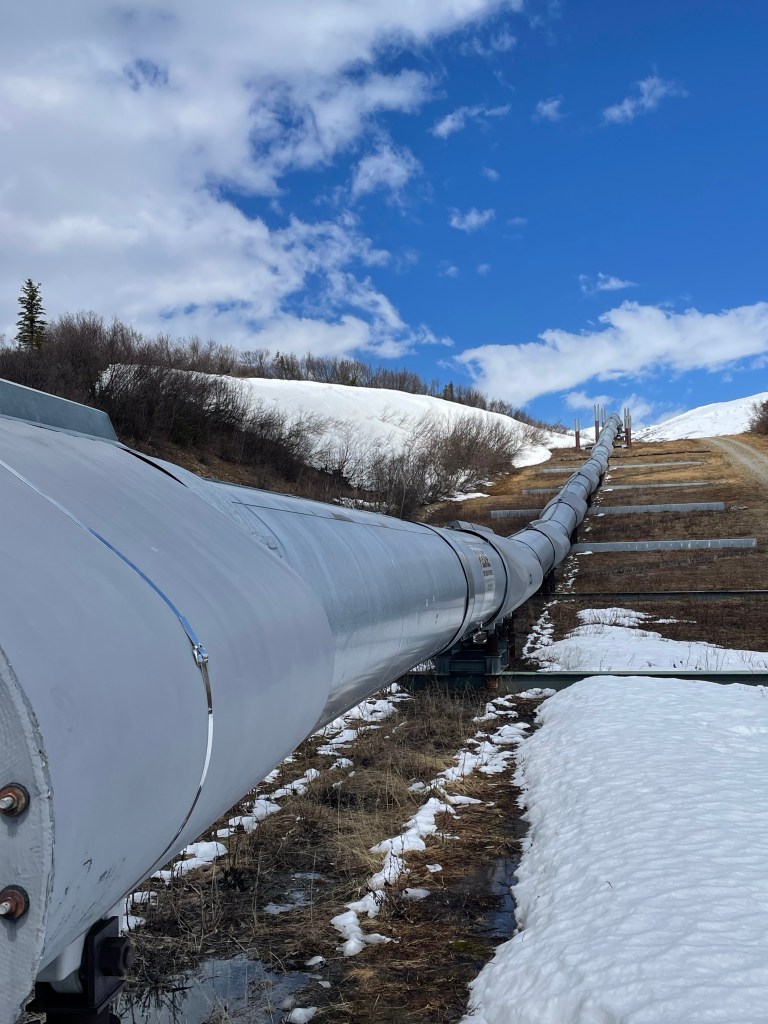
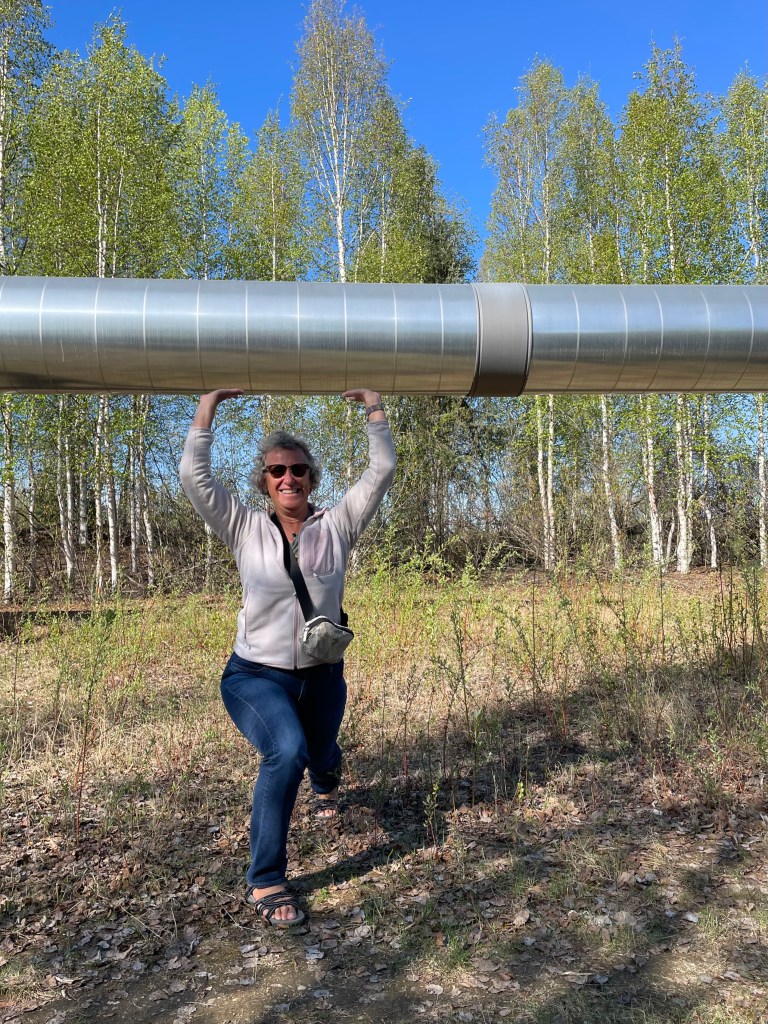
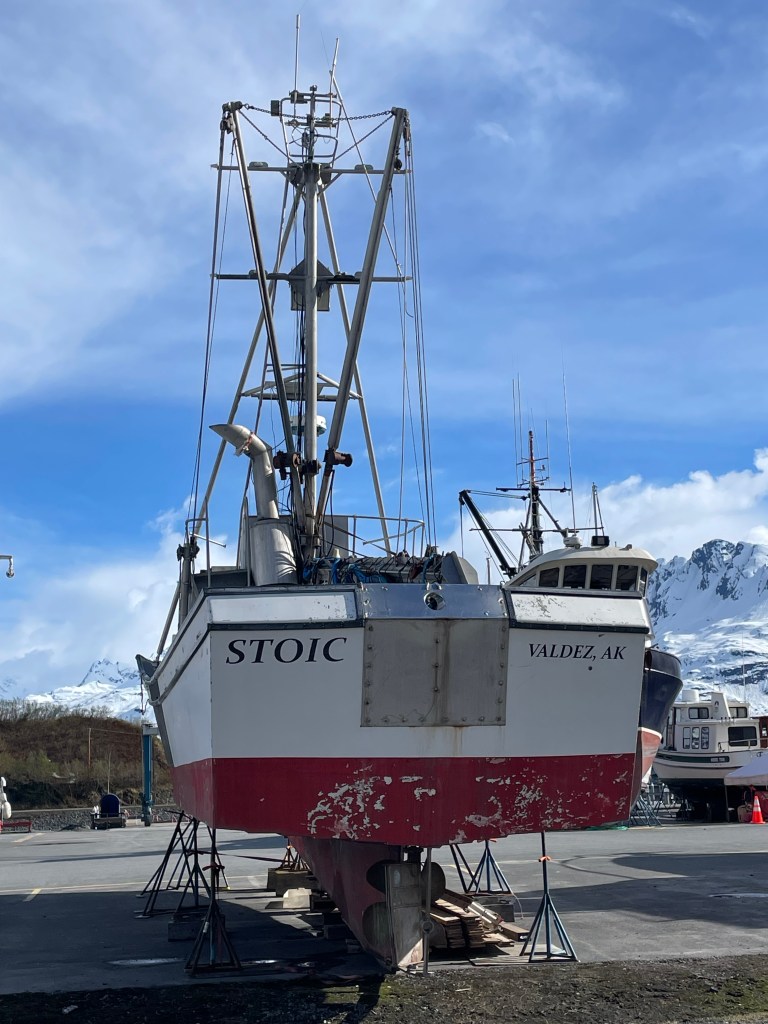
Although oil had been found earlier in Alaska, it wasn’t until 1968 that a large oil field on the north slope was discovered. There was a problem however – how to get it to the refineries, due to the remote location and the fact that most roads through the mountains are impassable in the winter. So the 800 mile Alaskan pipeline was built over three mountain ranges from Prudhoe Bay to Valdez, Alaska’s most northern frost free port. 420 miles of the pipeline is above ground due to the permafrost, zig zagging along it’s route to give it the flexibility it needs to withstand a 8.4 earthquake. It can move up to two feet in any direction without rupturing the pipe. If put underground, the heat from the pipeline would soften the permafrost creating unstable ground and possibly a burst pipe. There are hundreds of vertical support structures that hold the pipe above the earth, but the pipe line is not connected to the support, instead it runs through a sleeve, allowing it room to move – an additional protection from earthquakes. The pipes are 48 inches wide – one of the largest oil pipes in the US, built by a Japanese company – the only one capable of building them at the time. Pigs are run through on a regular basis to both inspect the pipe and clean any build up of paraffin or petroleum jelly. Not actual pigs of course, but a piece of equipment – but you knew that. The pipeline took three years, 1975-1977, to build and cost $8 billion. Over 17 billion barrels have run through the pipeline.


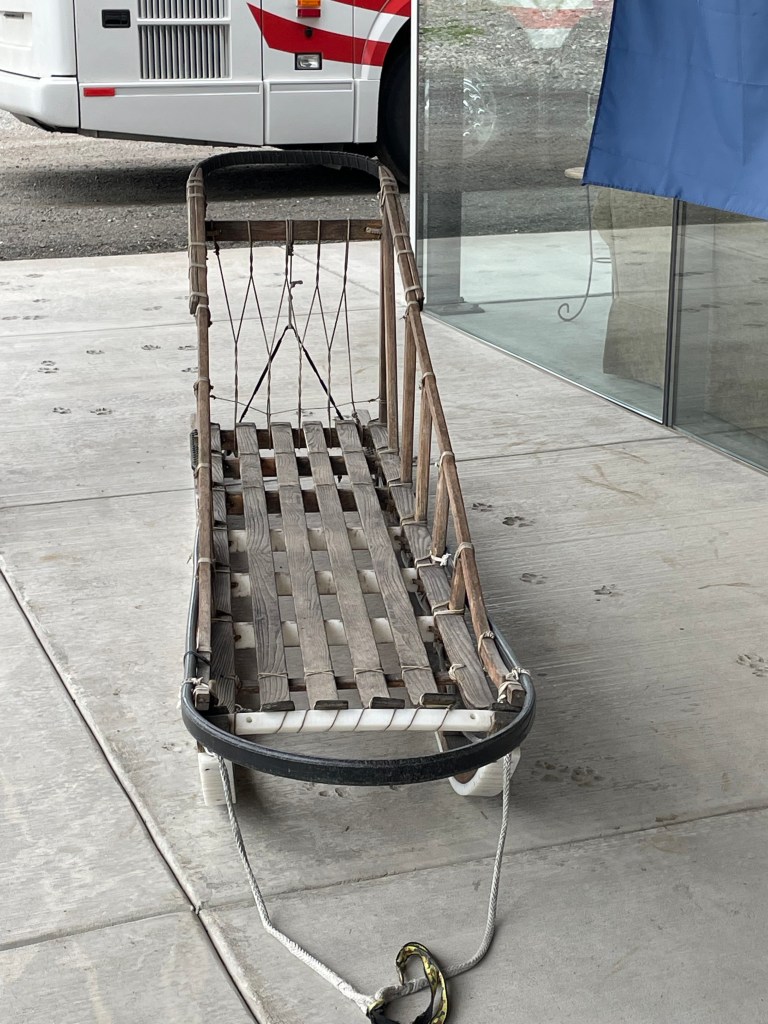
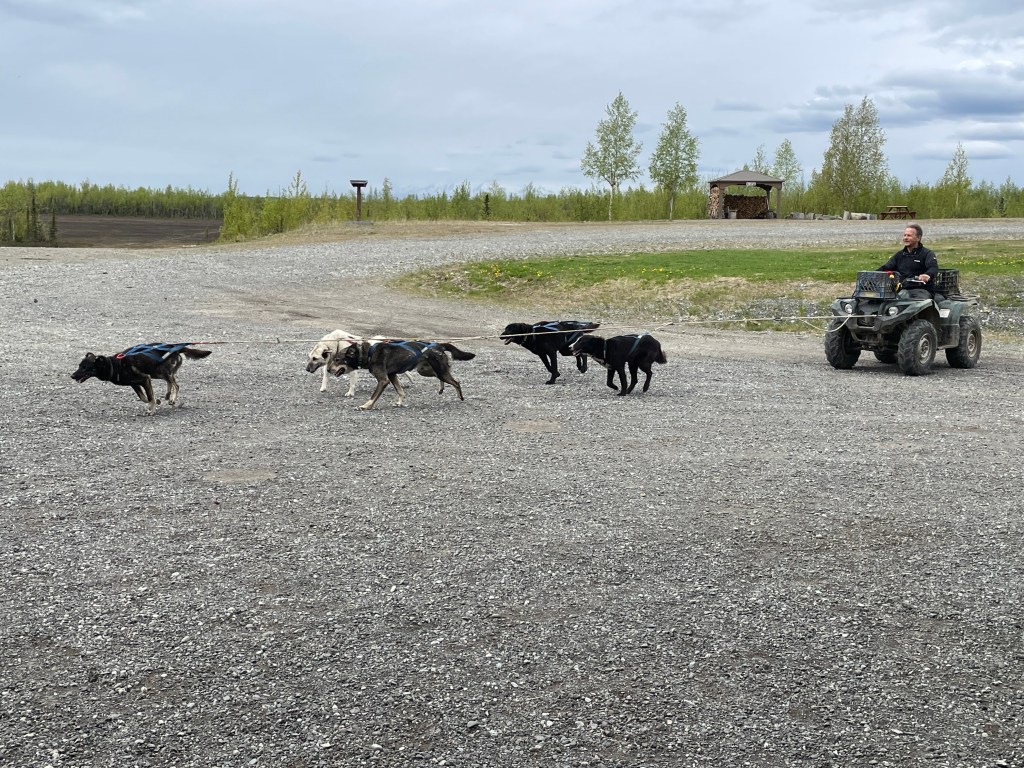
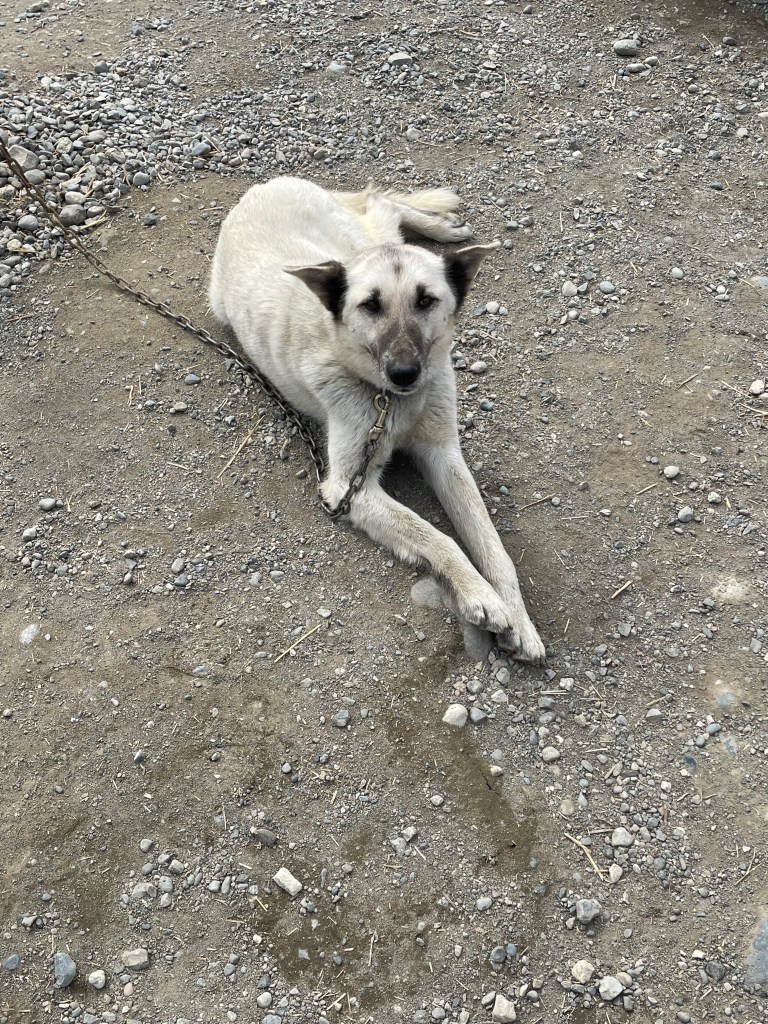
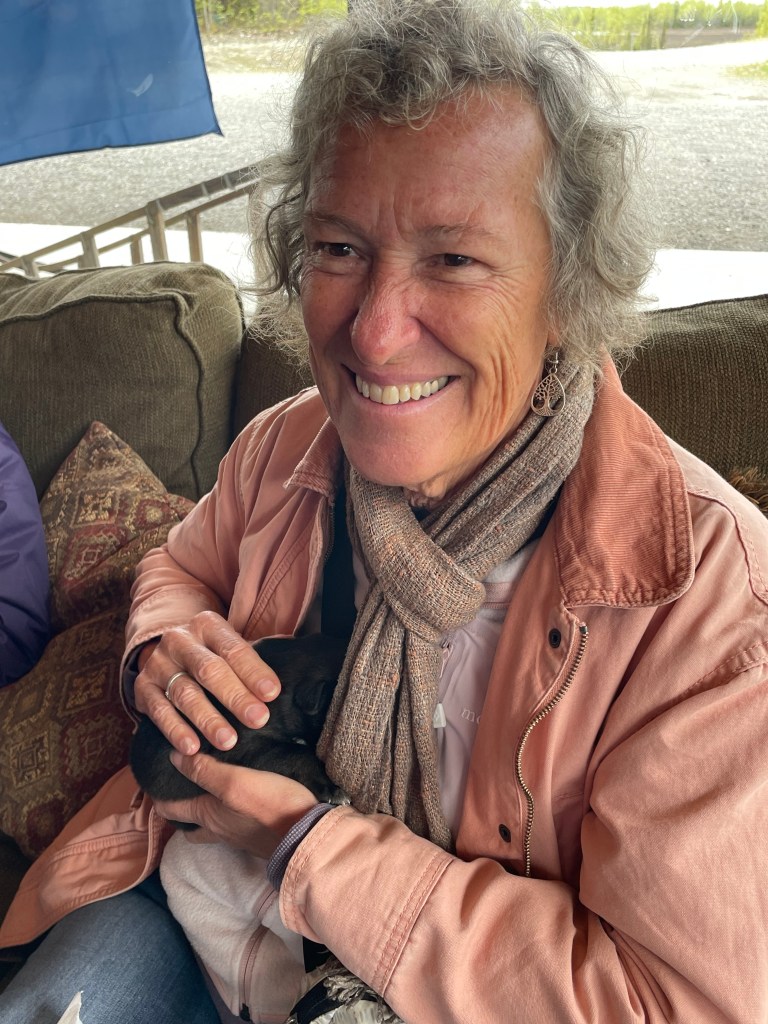
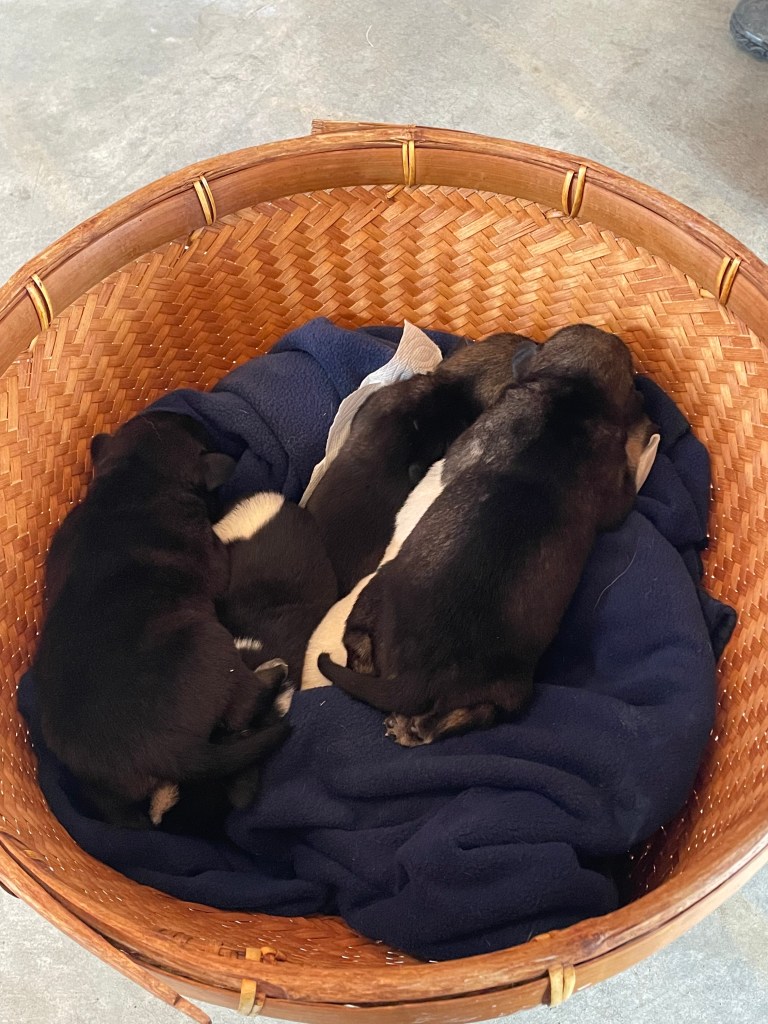
In this vast land called Alaska, many people live in areas without any rail or road access, instead they rely on airplanes. Sixty-five percent of Alaskans have their pilot license and many more are in the process of getting one. Bush pilots make regular stops in hub cities to pick up people headed to Anchorage or other large cities for shopping, doctor’s appointment, etc. Dog sleds have been used for decades as transportation and are still in use today. Sometimes, they are the only way to get needed supplies into some areas of the country. We visited the kennels of Martin Buser, a four time winner of the Iditarod, and had an opportunity to meet the dogs as well as hold 10 week old puppies. I was in heaven. The dogs didn’t look like huskies to me, being much smaller, and coming in a wide array of colors from blond to solid black. But they were fast and very eager to run, pulling an ATV to demonstrate their skills.




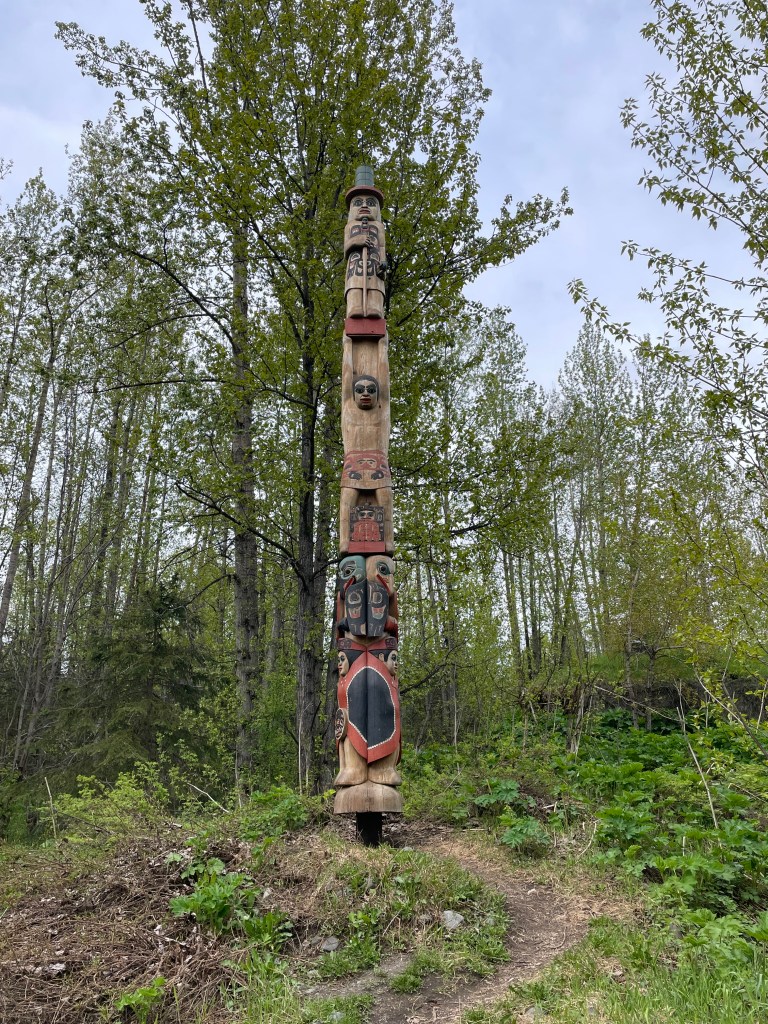
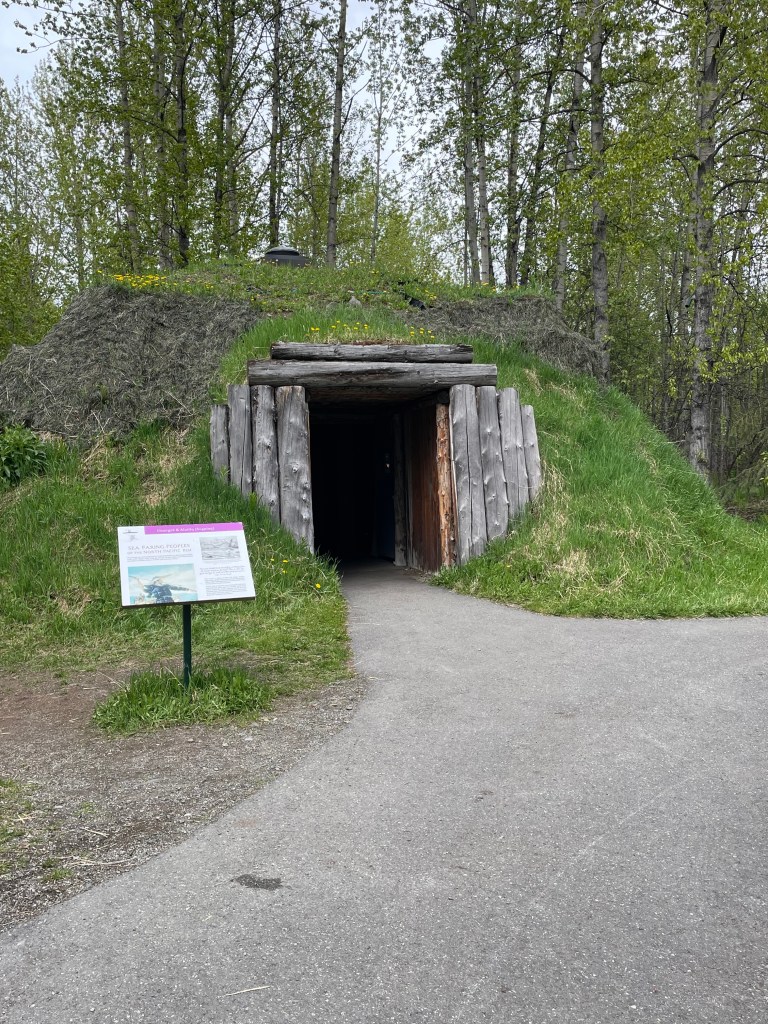
The days in Alaska are long in the summer and have 20 hours of darkness in the winter. Temperatures range from 60 below zero to the 90’s. Snow piles from the plows in Anchorage were higher than a three story building even after weeks of melting. I was told two things about the seasons here – they have 4- winter, June, July and August or 5- winter, breakup, construction, freeze up and winter. Fun fact – you can participate in a lottery to collect any moose roadkill on the highways but only if you’re reliable enough to pick it up. Oh, Eskimo is a board term for two of the major groupings of native people. There are 229 recognized tribes spread across the state. The Athabaskans, one of the native tribes have lived here for 13,000 years. It is believed they migrated from the south versus across the Bering Strait, and are related to the Navaho people of the southwest. All in all an amazing and beautiful state but not one I could see myself living in, I like the sun too much. Also, no sunset pictures, because I never stayed up late enough to capture one.




I hope all the facts and figures weren’t too boring, but I found it all to be very fascinating.
Reading List:
The Snow Child by Eowyn Ivey
Next up: Canada


 Where in the World is Debra Grimes?