I have only one life, so I want to make sure it’s a good one. – Yoko Ono
February 28 – January 19, 2024
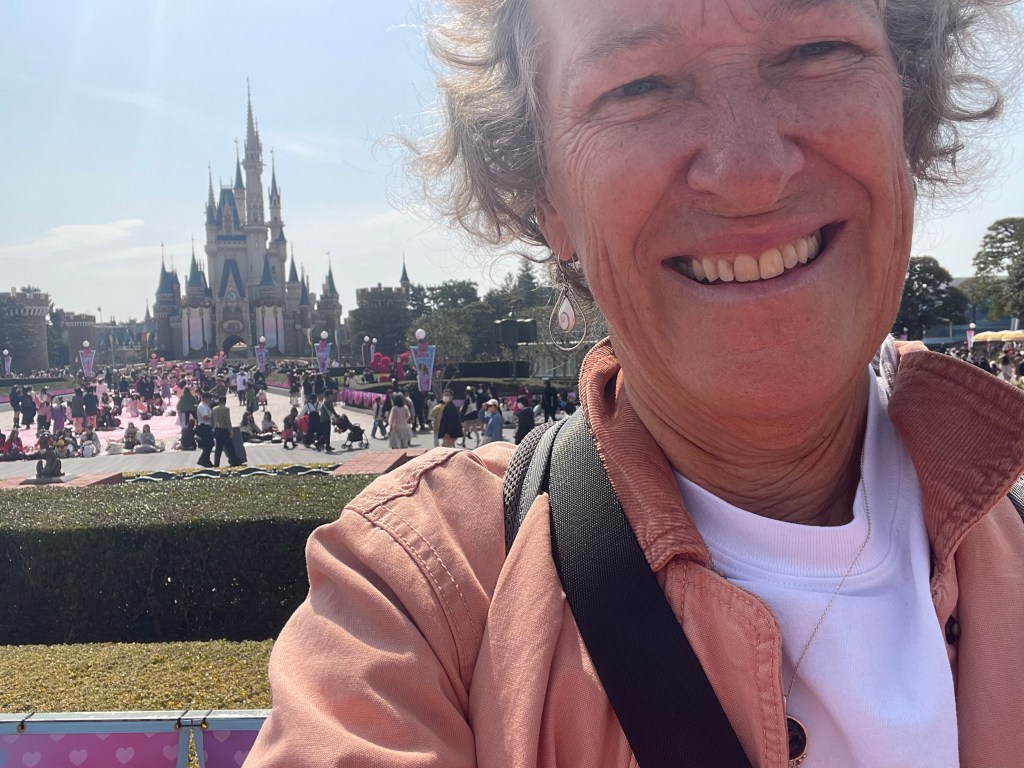
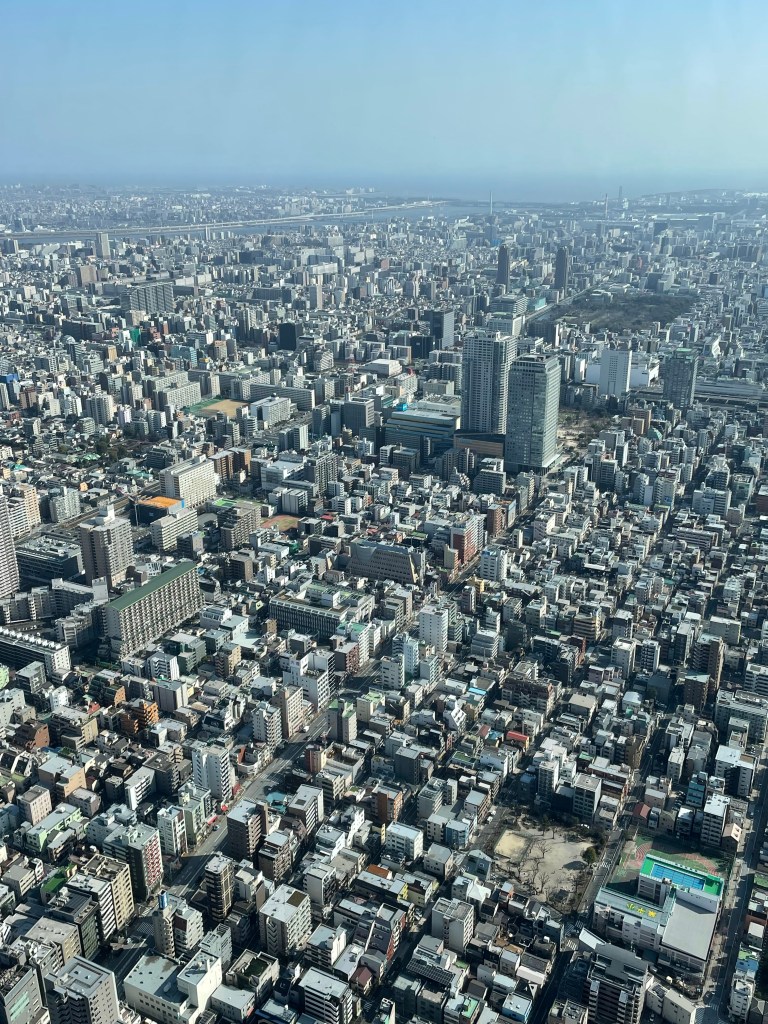
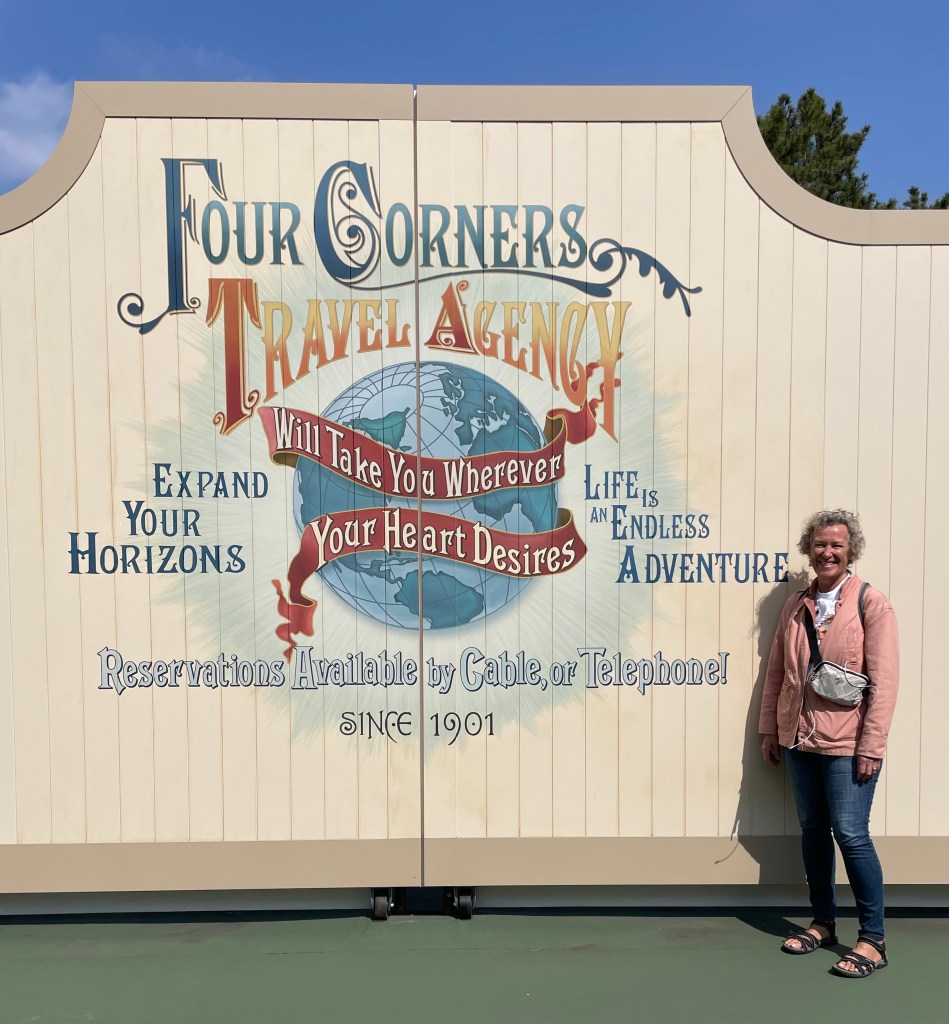
What a whirlwind three weeks! I started by hiking the Kumano Kodo Trail, southeast of Osaka, then took a tour that ranged from Hiroshima to Tokyo with a side trip to Shikoku Island. I ended my stay by enjoying two days at Tokyo Disney. Japan is beautiful in so many ways and I didn’t even get to see the cherry blossoms – I was a week or two too early. The mountainous landscape is incredible, the food varied and delicious, the people kind and helpful, everywhere is very clean, the toilets are awesome, and the transportation easy and reliable. The robots were cool too.




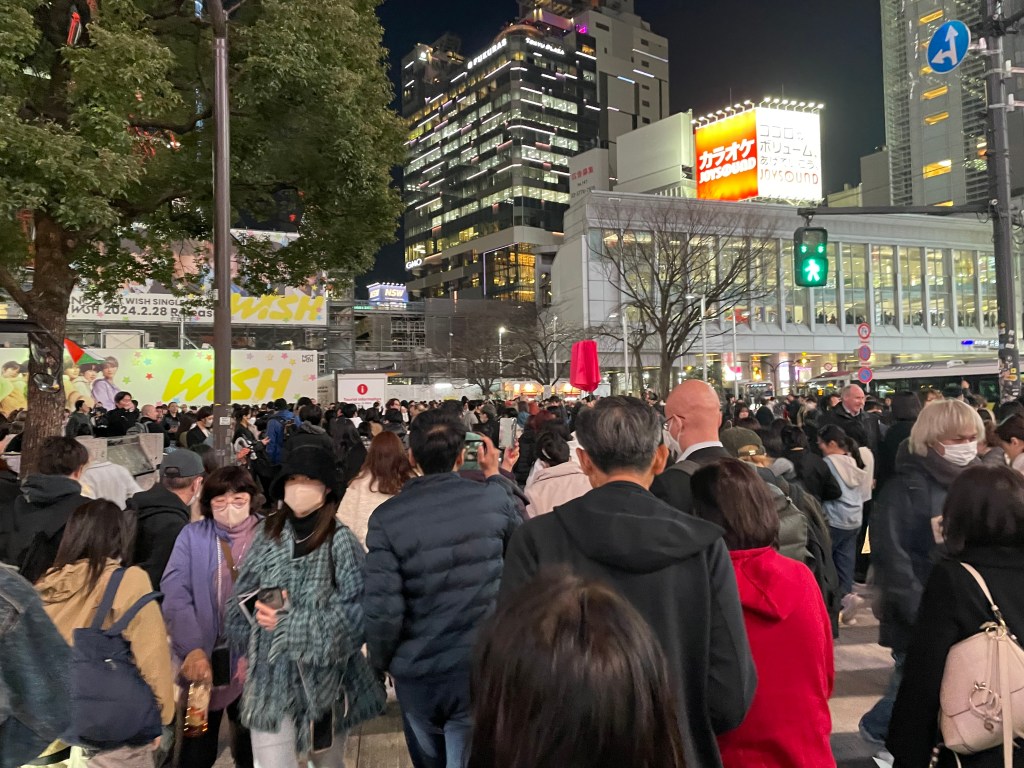
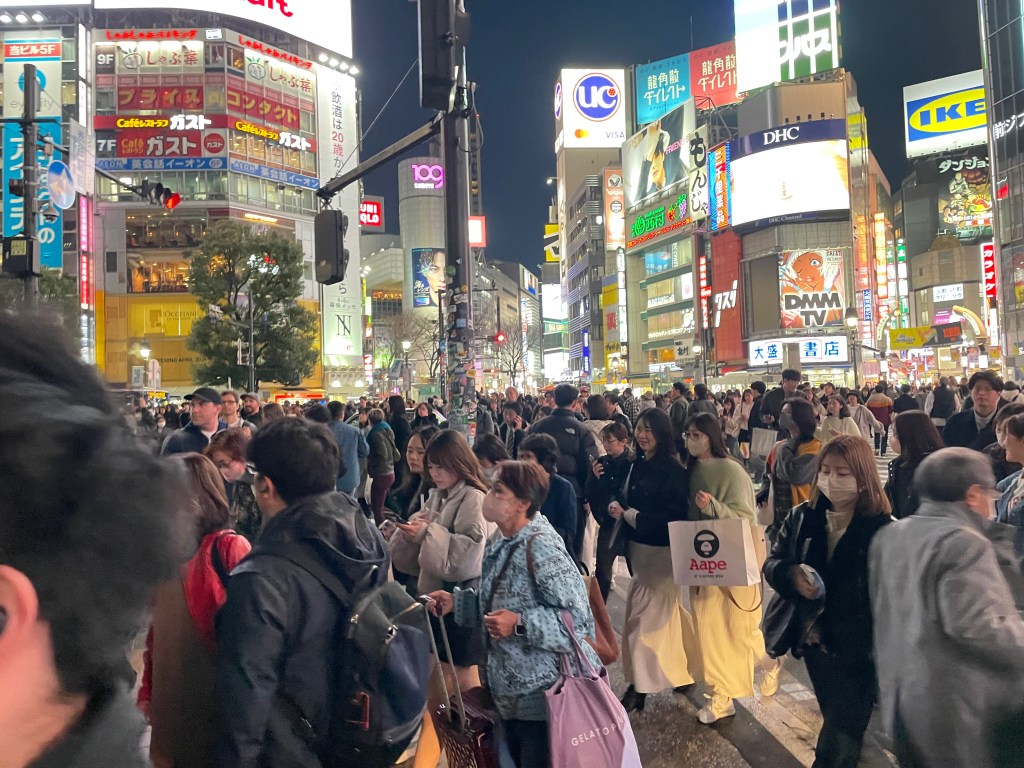
First, some numbers. Japan has a population of 136 million people, almost 38 million live in Tokyo, the world’s largest city. It’s predicted that they will lose six million people next year due to their aging population. The median age here is 49, the third oldest country in the world. By comparison the median age in the US is only 39. There are 81,589 women over the age of a hundred in Japan and 6,752 men. Men in Japan like to smoke and drink so many of them die from lung and liver cancer. The government is adding 800,000+ visas next year as the country needs more workers, but only for jobs Japanese can’t or don’t do. Japan has over 14 thousand islands, 430 which are populated and five main islands – Honshu is the largest and contains Osaka and Tokyo. There are 47 prefectures in Japan, similar to states in the US. Are you bored yet? One more fun fact – 2.4 million people cross over the intersection of Shibuya in Tokyo everyday. Crossing it was like swimming through a sea of humanity and we weren’t there when it was really busy.


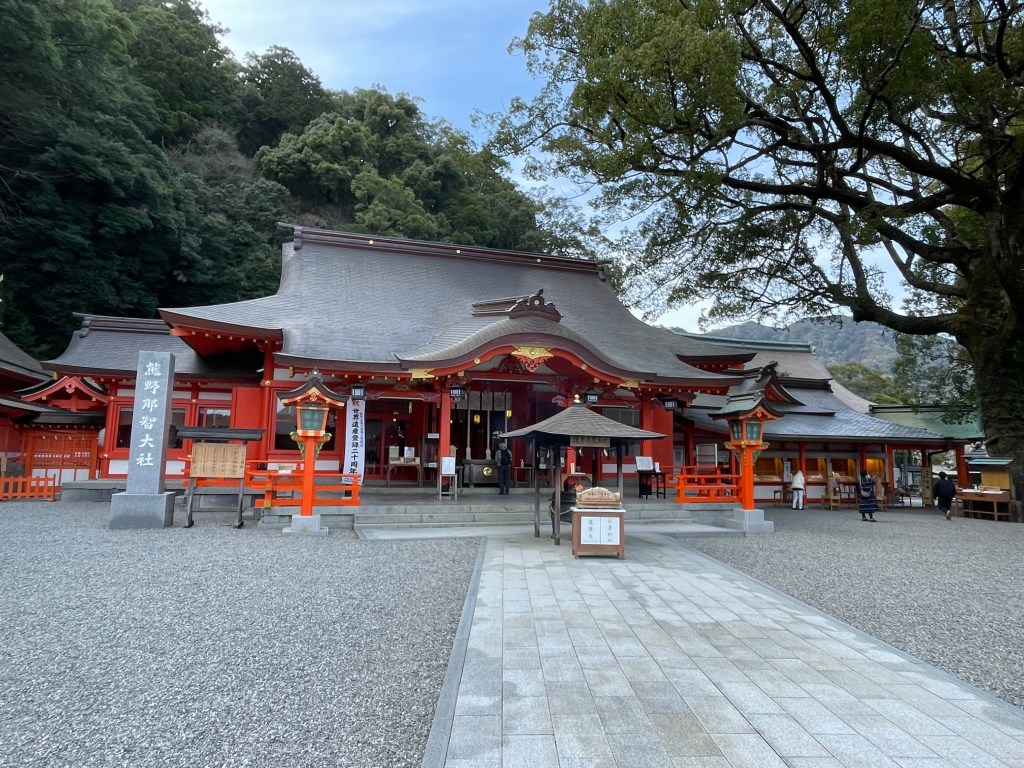
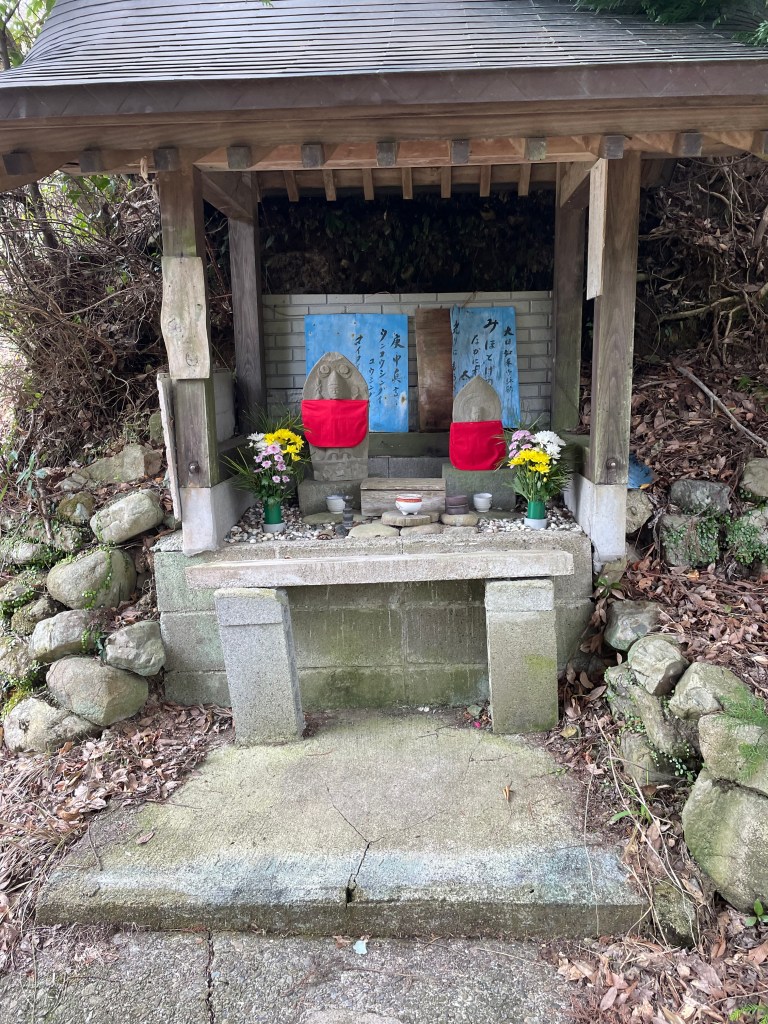
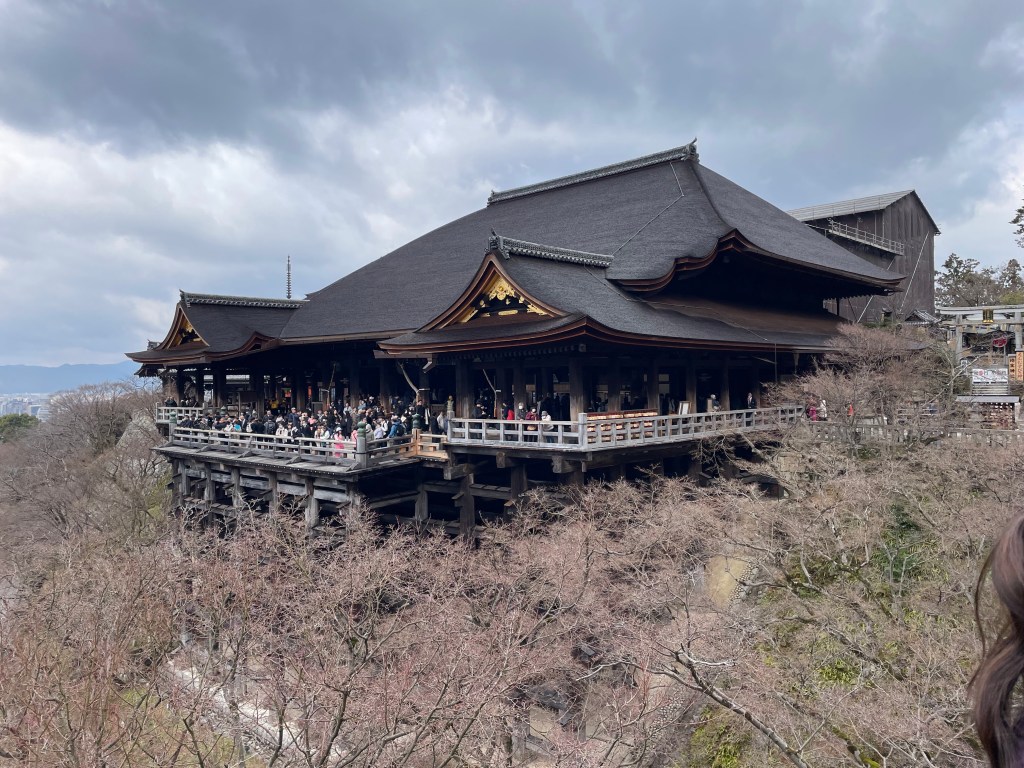
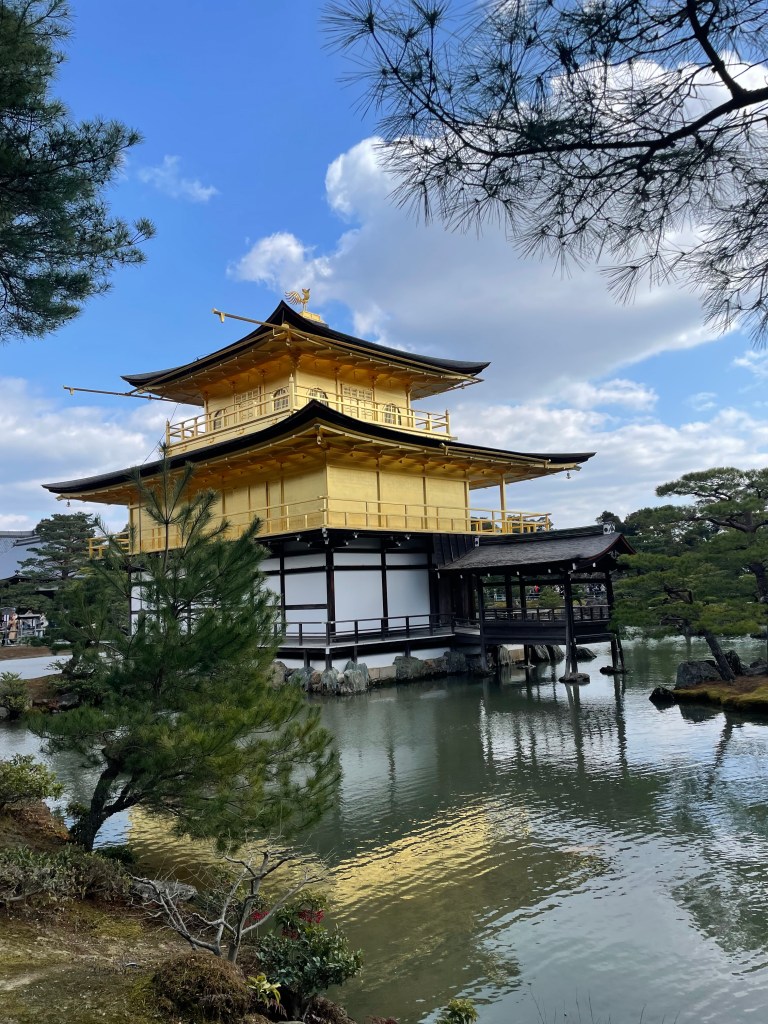
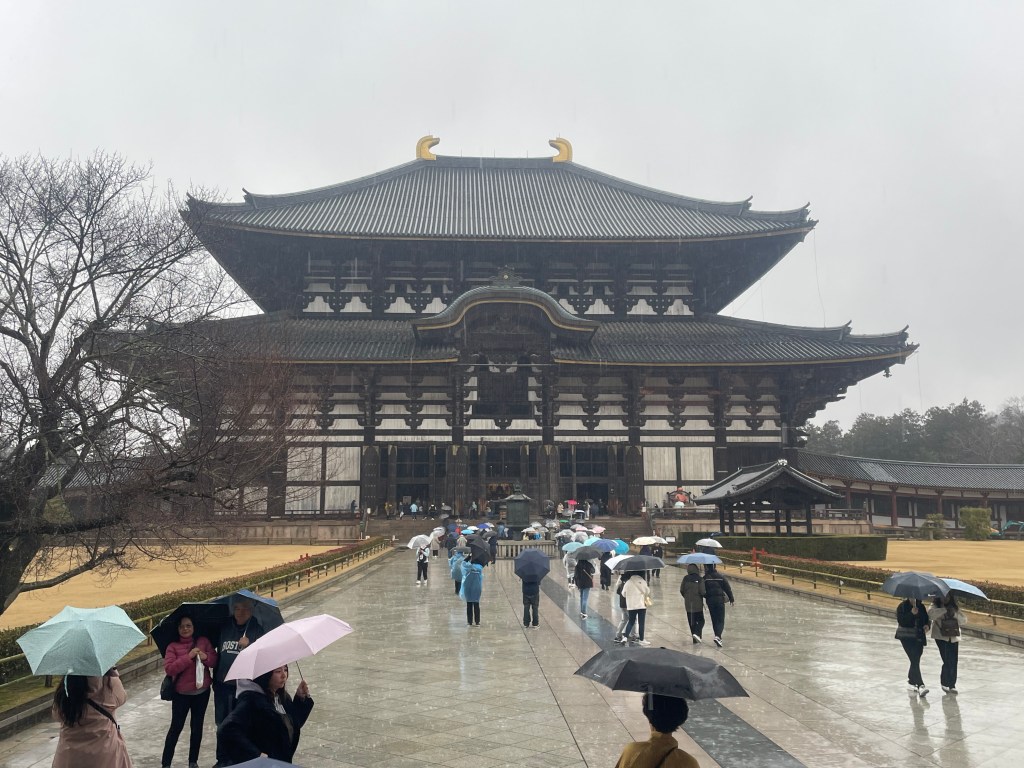
I spent a lot of time visiting beautiful and fascinating shrines-Shinto and temples – Buddhist, across Japan. At each one I prayed for peace. I don’t know if it will help, but it can’t hurt. At the shrines, you bow three times, clap twice, say your prayer and bow again. At the temples, you bow, hold your hands in front of your chest and give your prayer, and bow again. And before each prayer, it’s good to give your name and where you’re from. Tossing coins in the boxes in front of the shrine or temple is appreciated but not required. Incense is often lit outside the temples and if a bell is present, it is rung after saying your prayer. Shoes must be taken off when entering a shrine or temple. It’s best to wear thick socks as many have stone steps and wooden floors which are quite chilly in early March. To get to one shrine, I had to walk up 1,368 stone steps – luckily I had my shoes on. The shrines and temples ranged from small structures in the woods-like many I saw on my hike, to large buildings in the cities.

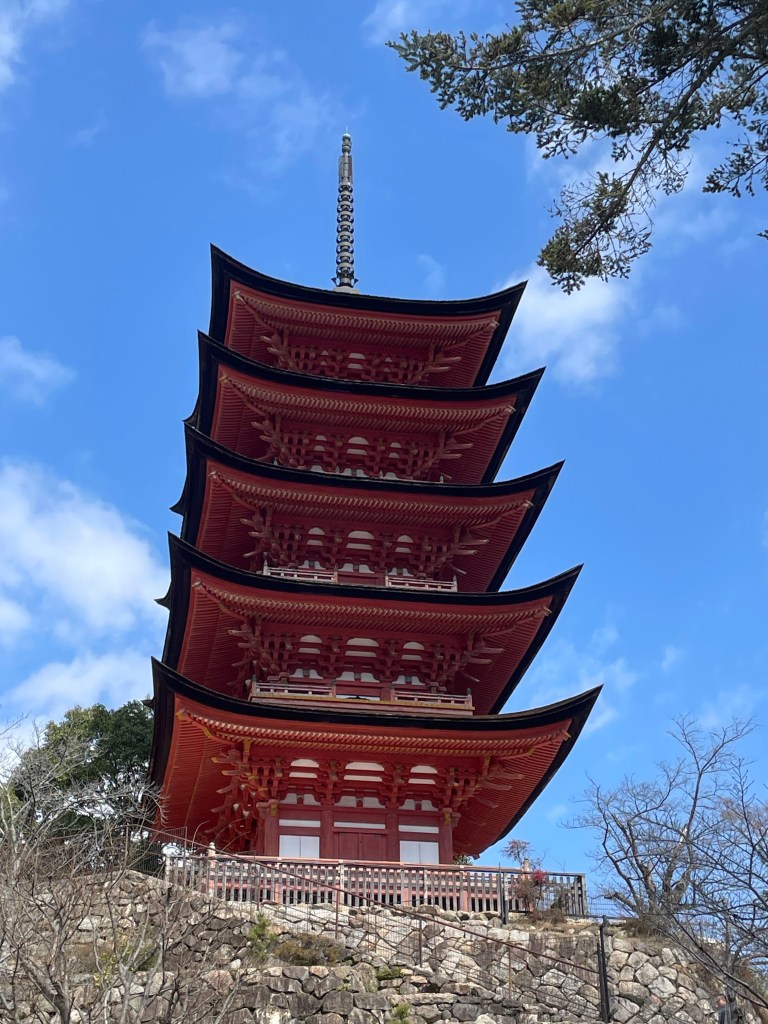
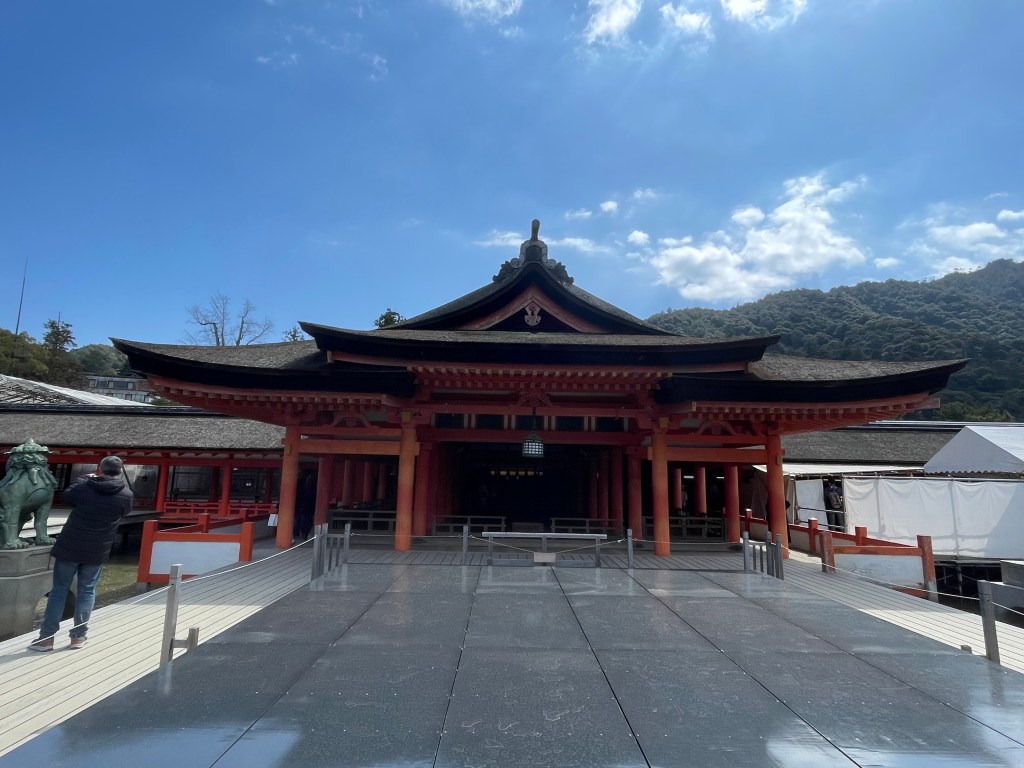

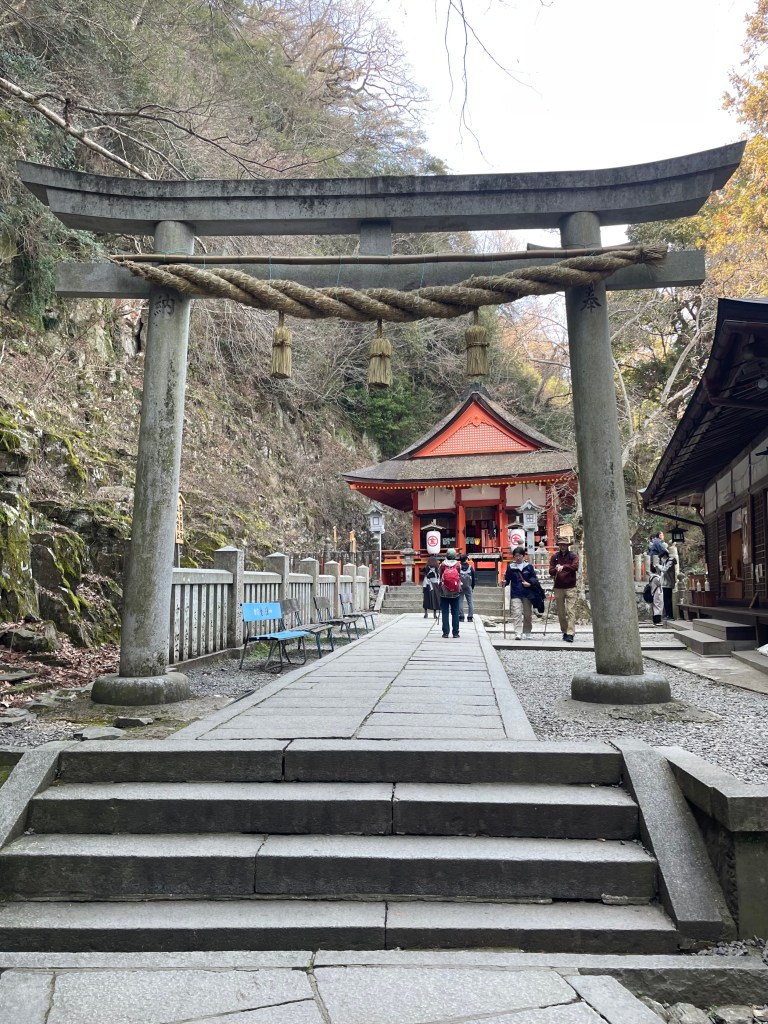
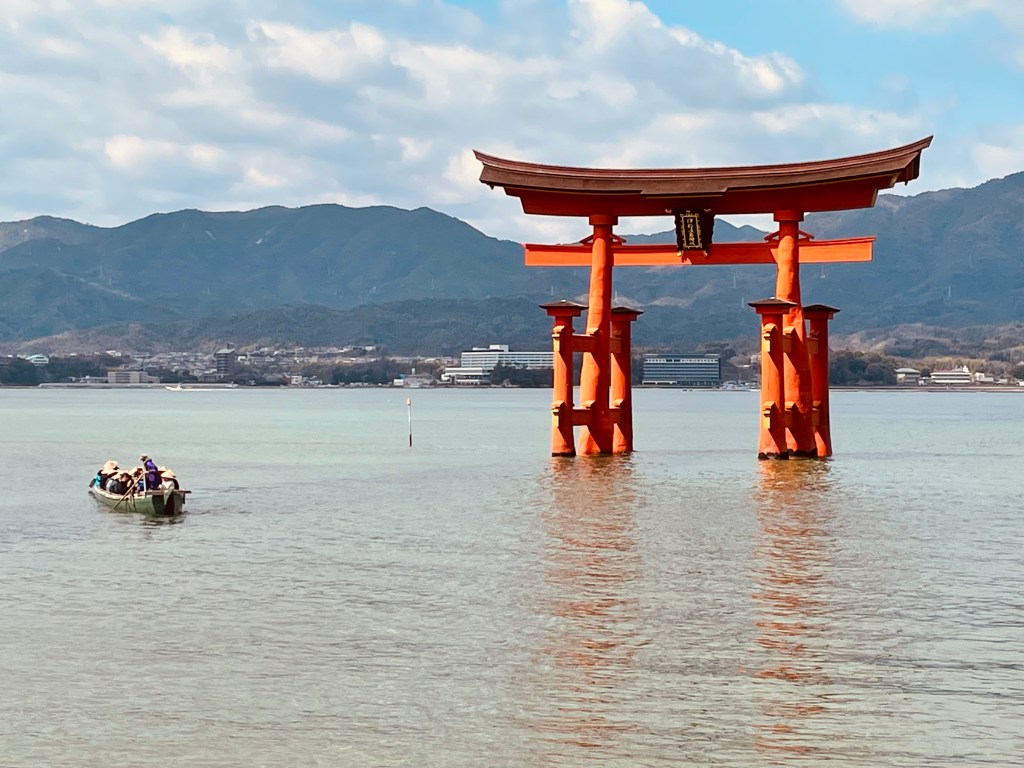
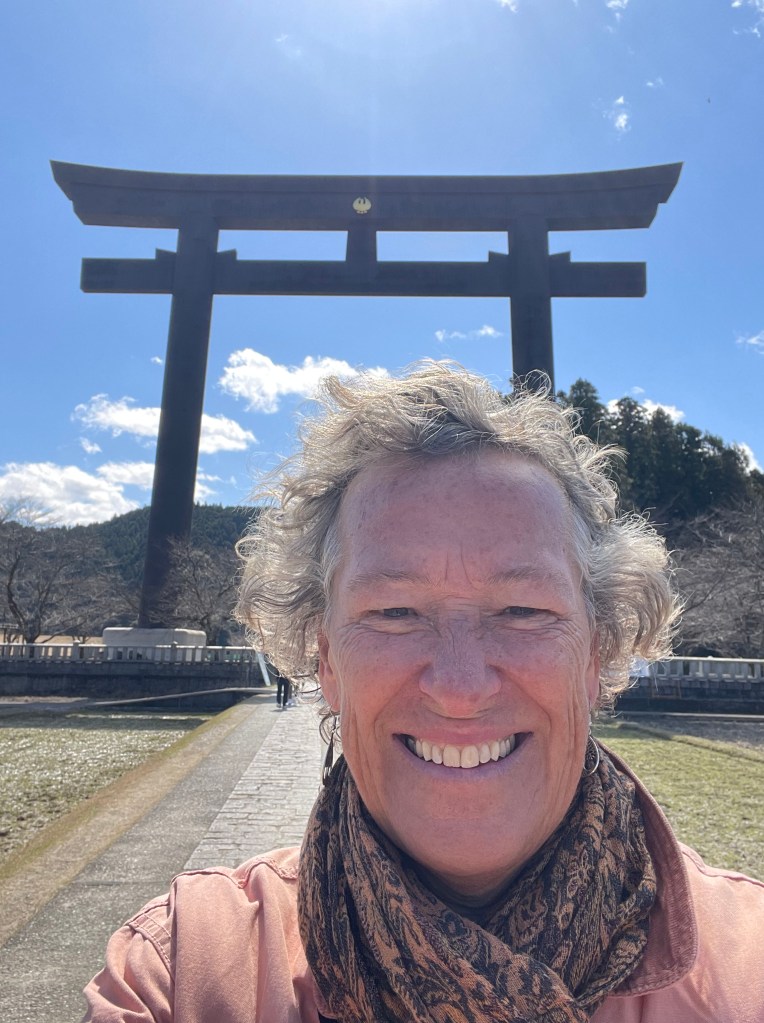
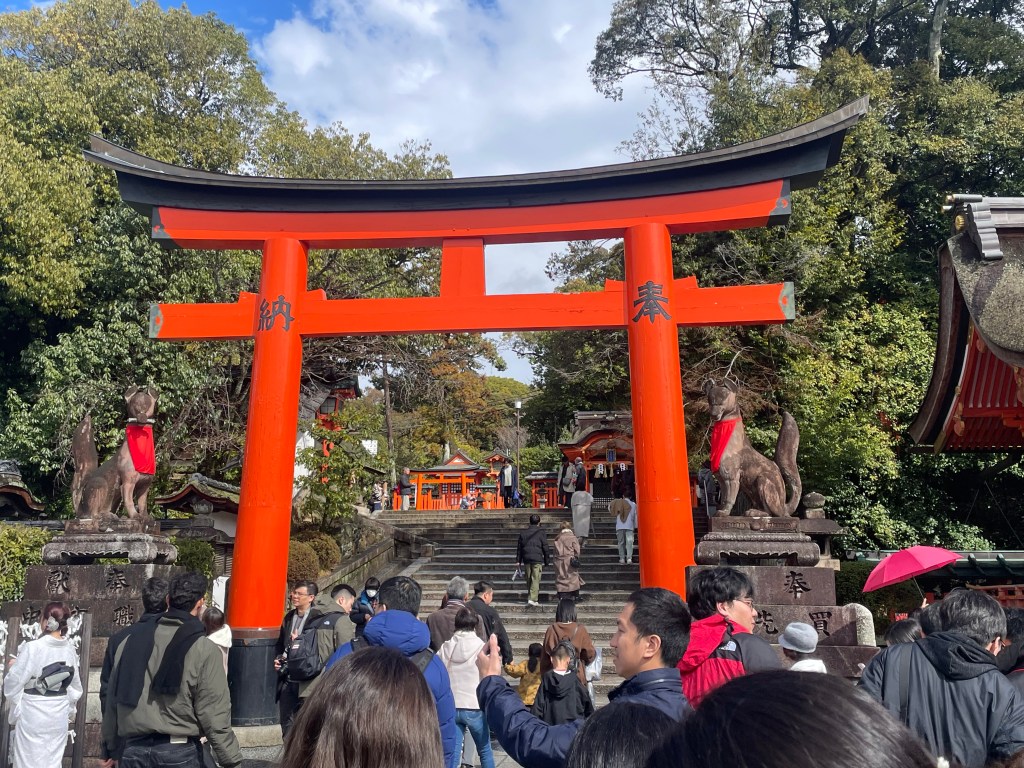
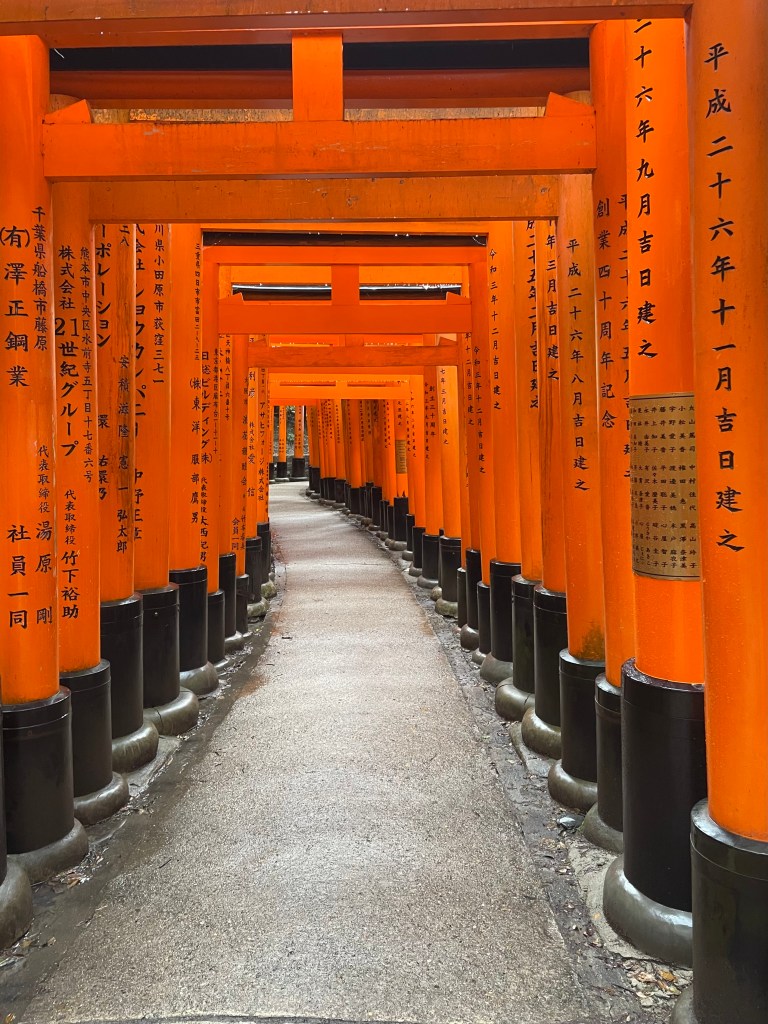
Torii gates serve as the entrance to a shrine and symbolize the transition from normal every day life to the spiritual world. At the Itsukushima Shrine, the tori gate is in the sea and looks like it is floating. The shrine is situated on an island and only noble people were allowed on that land, no commoners could set foot on it. But at high tide, the common people could come by boat and visit the shrine as technically they did not step on the island. We’ve all seen stunning pictures of the shrine with row upon row of vermillion torii gates. This is the Inari Shrine. Each of those gates were erected to symbolize a major donation to the shrine, from corporations or wealthy people. You too could have one erected for the right price. The gates wind their way up a long hill, they didn’t tell us how many steps and I didn’t count. It’s beautiful walking through them, magical in a way. Seventy percent of the Japanese people are Shinto, 67 percent Buddhist, 1 percent Christian and two percent other. Now that math doesn’t add up! Many Japanese practice both Shintoism and Buddhism simultaneously.
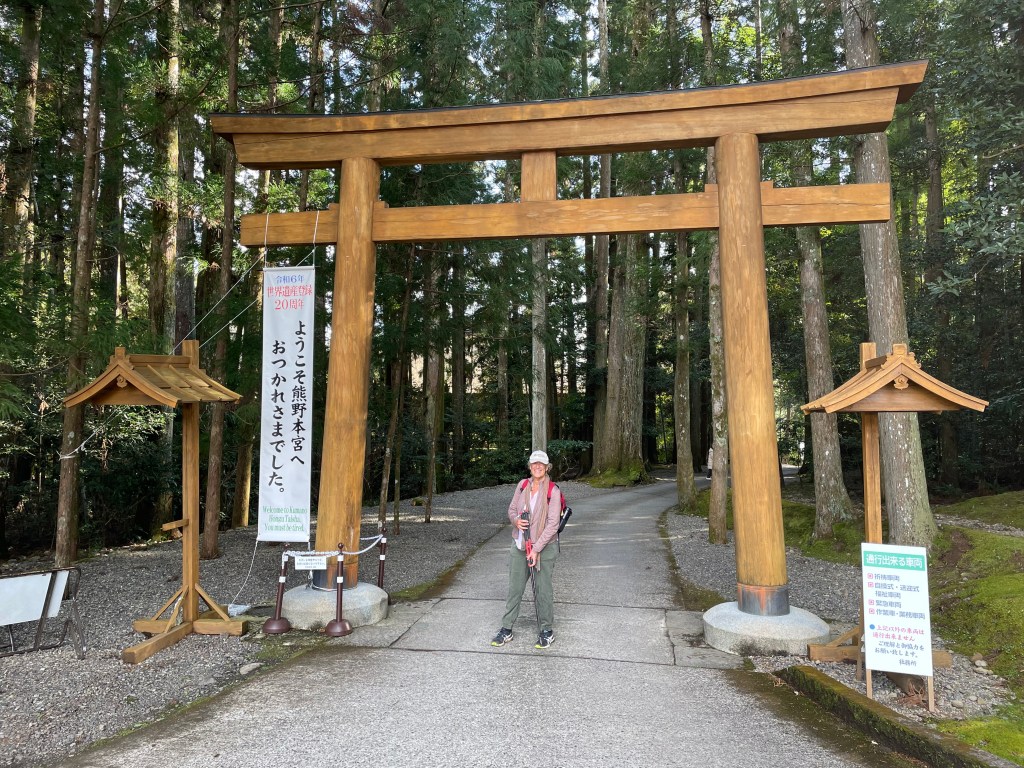
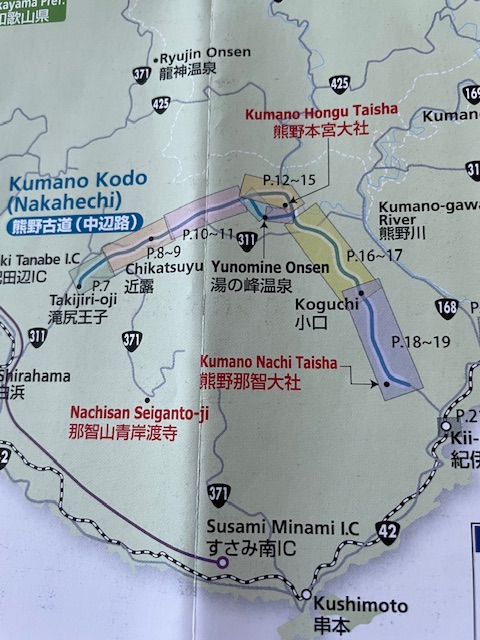
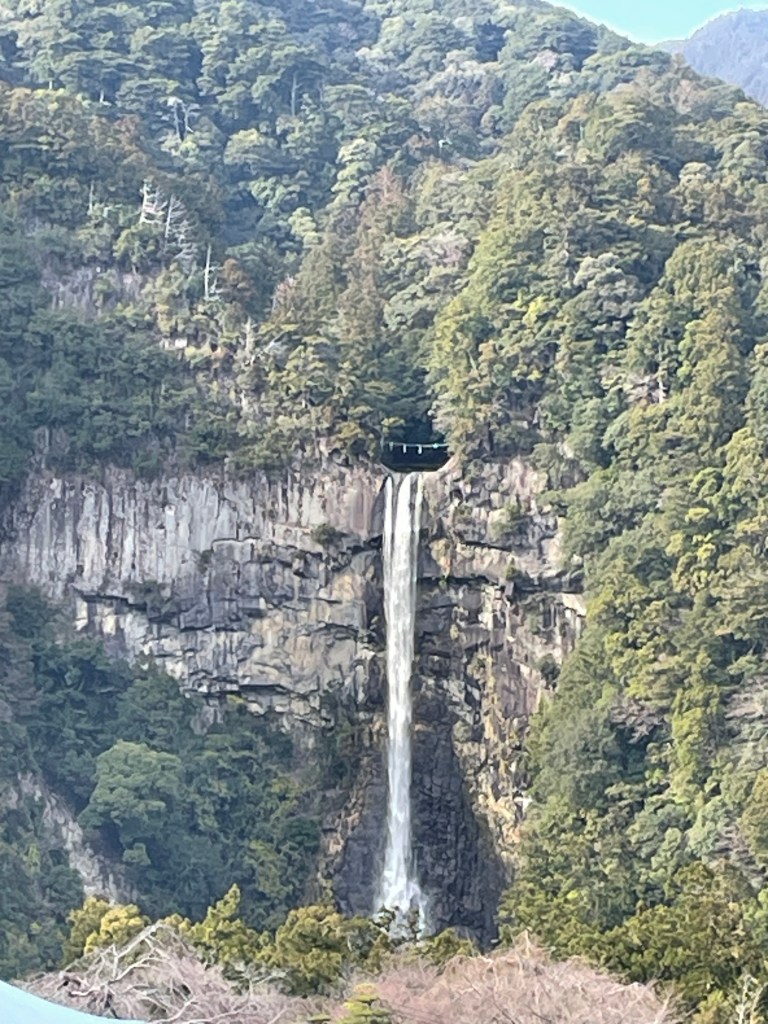
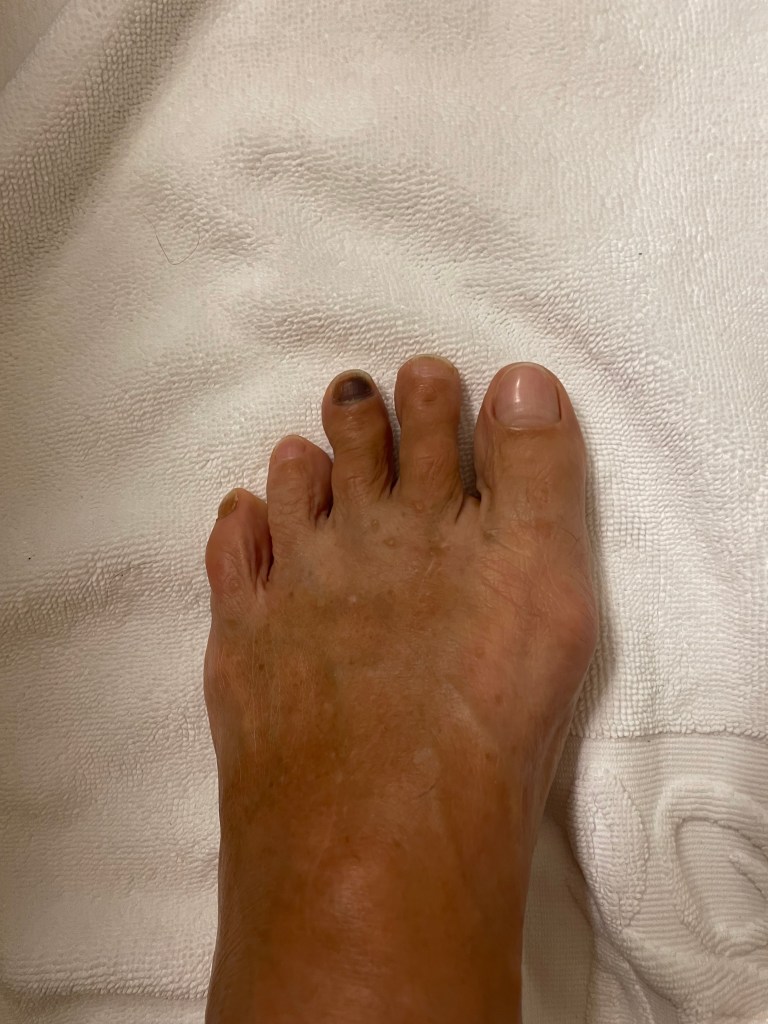
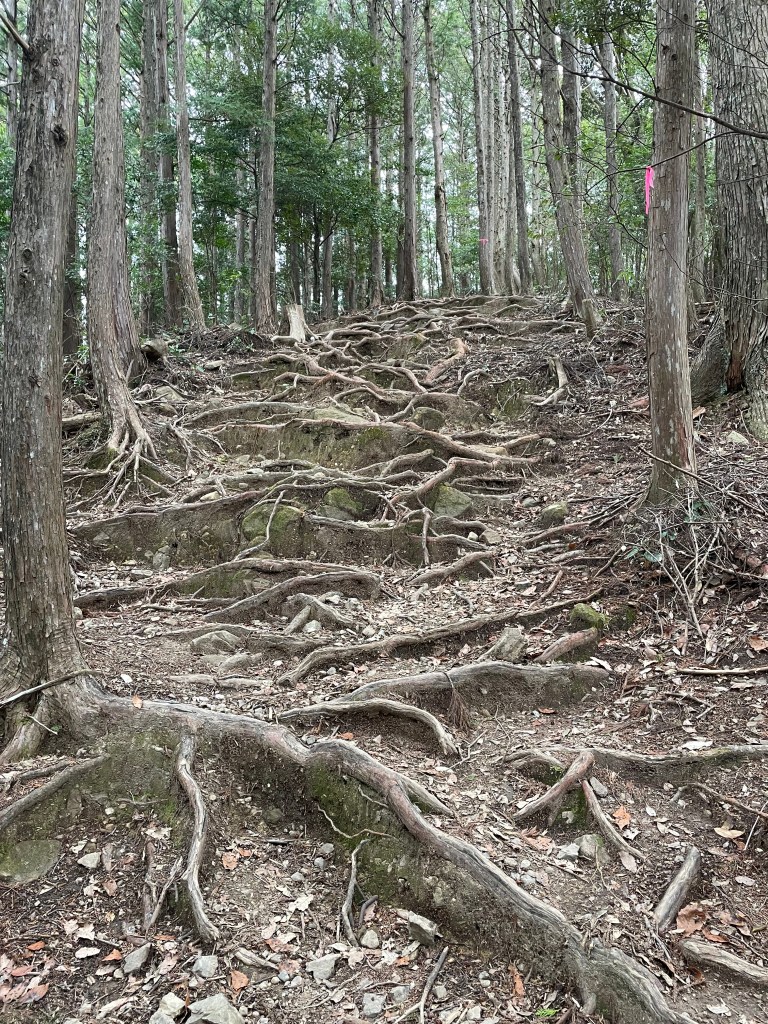
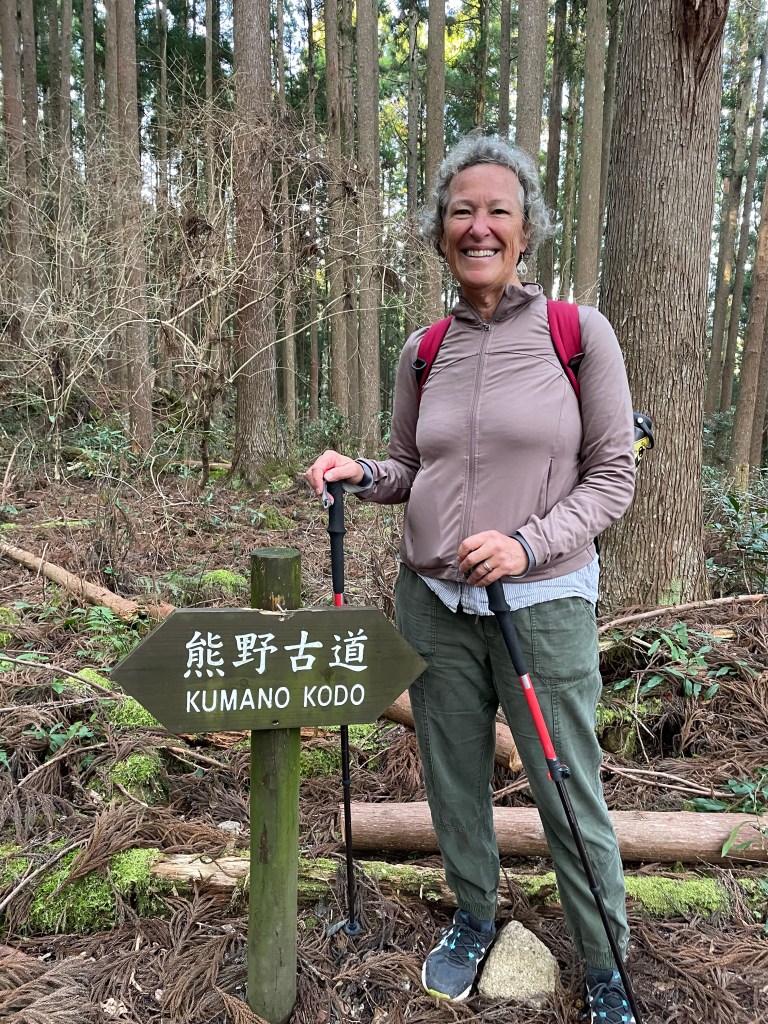
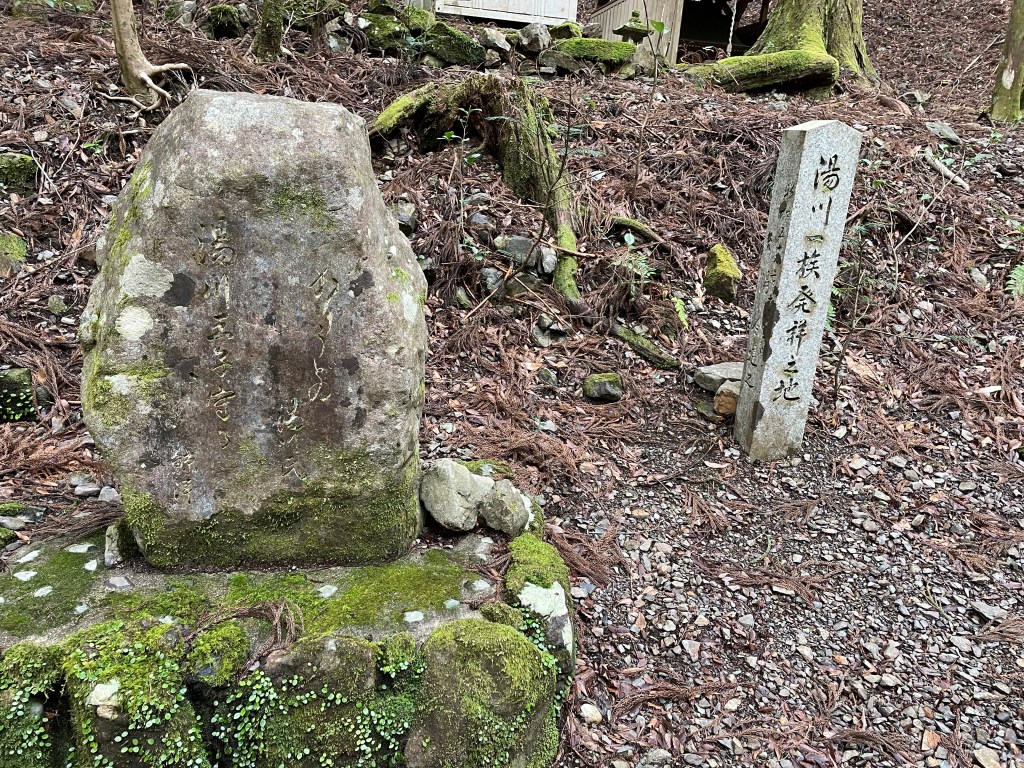
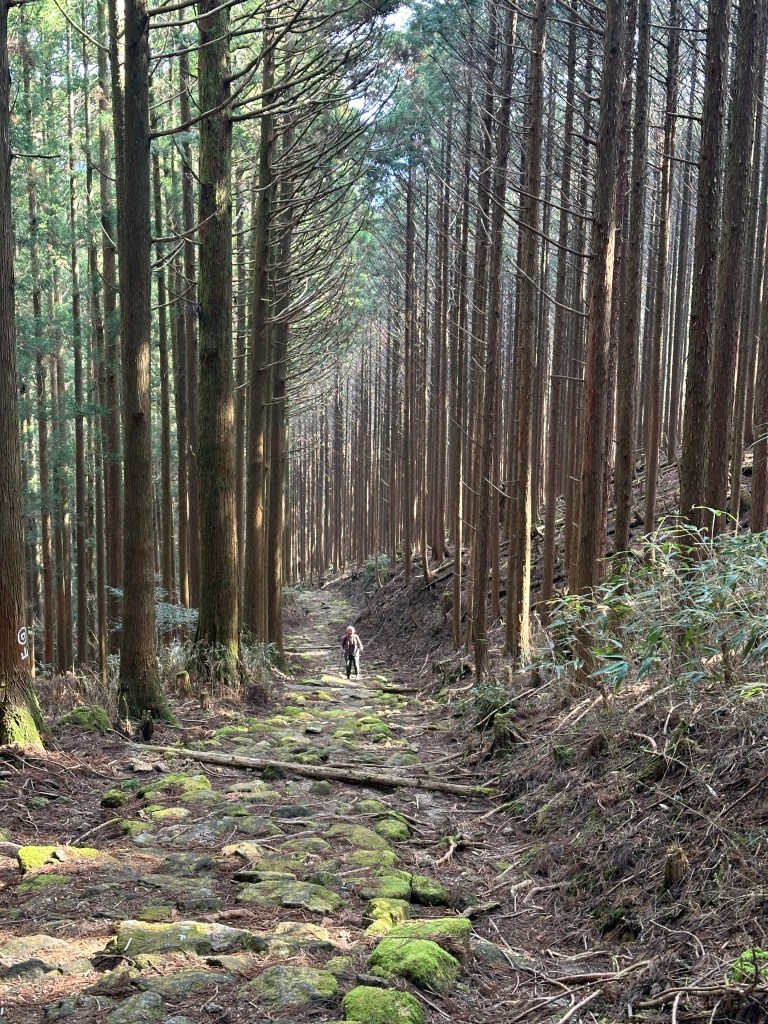
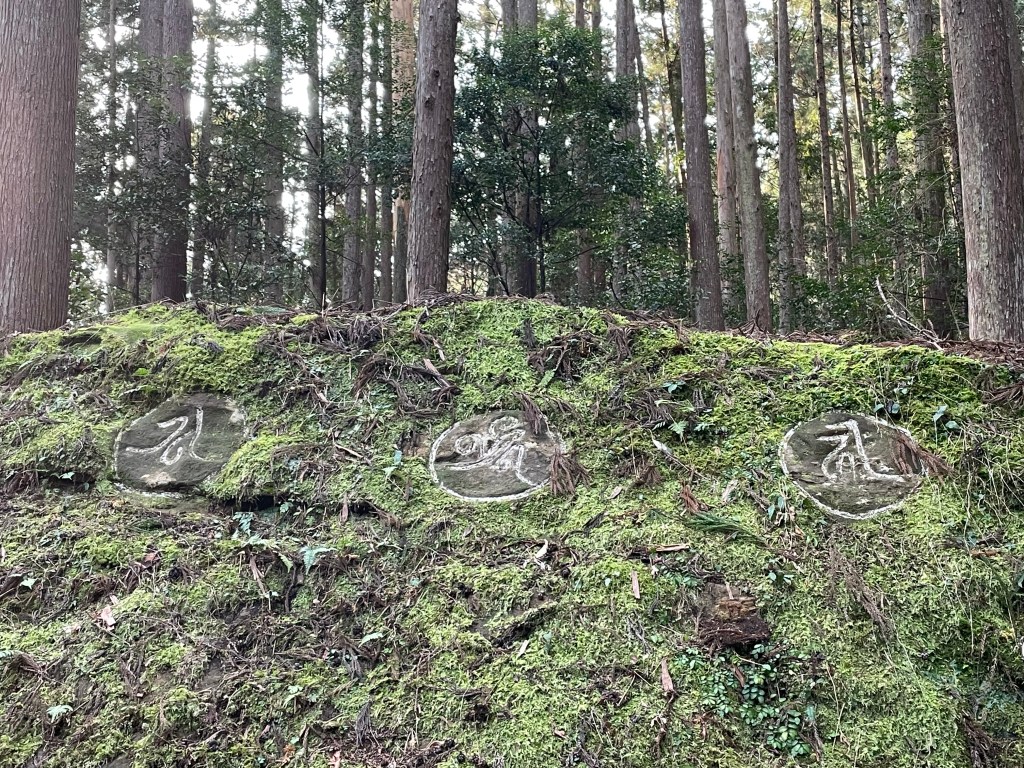
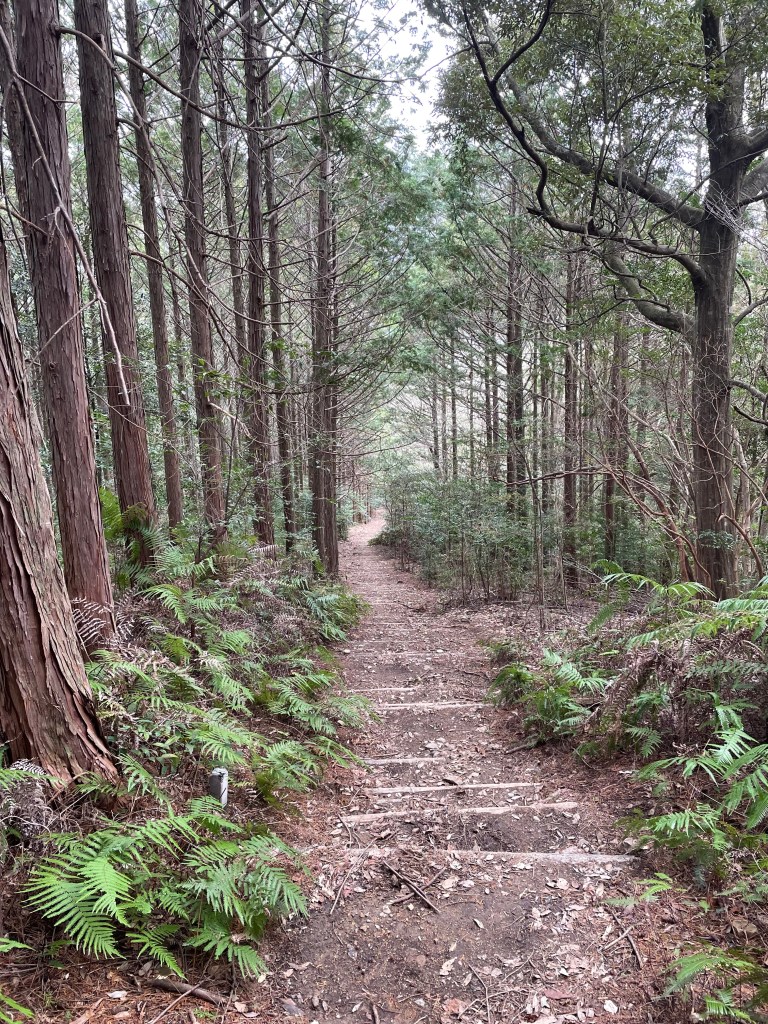
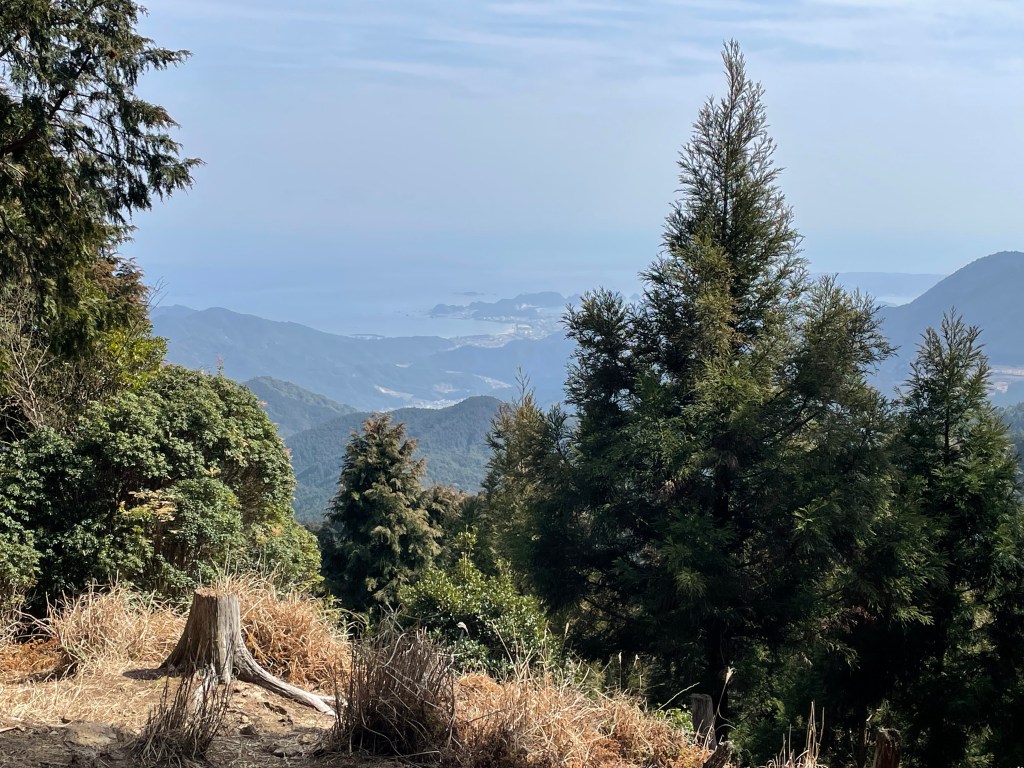
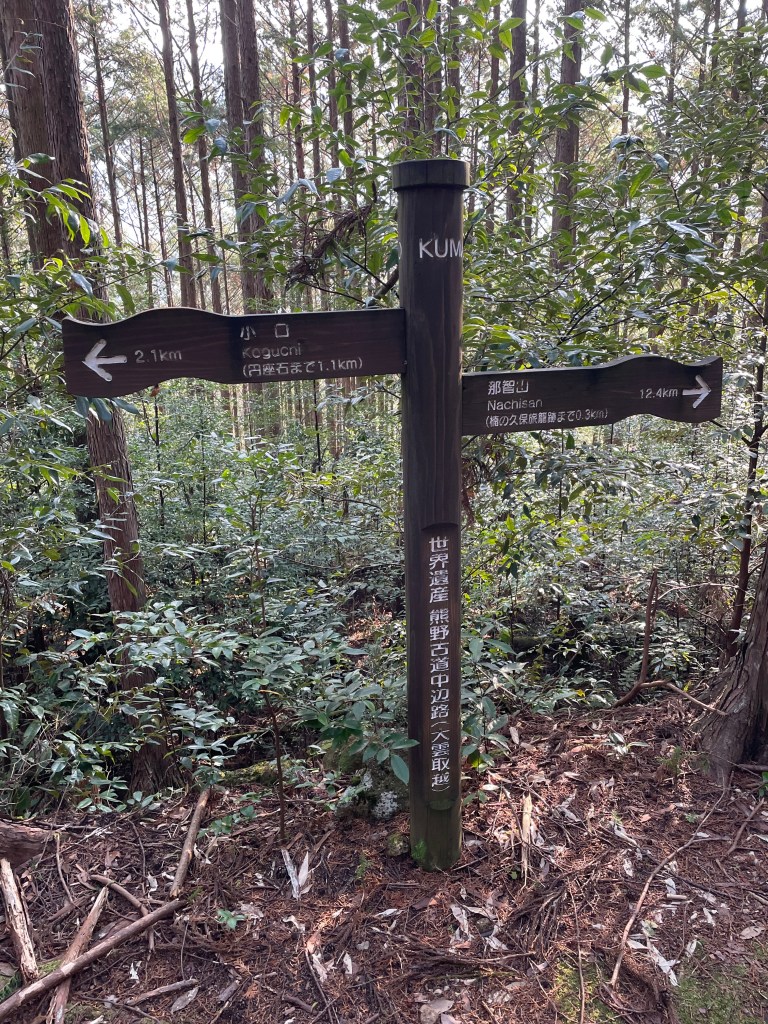
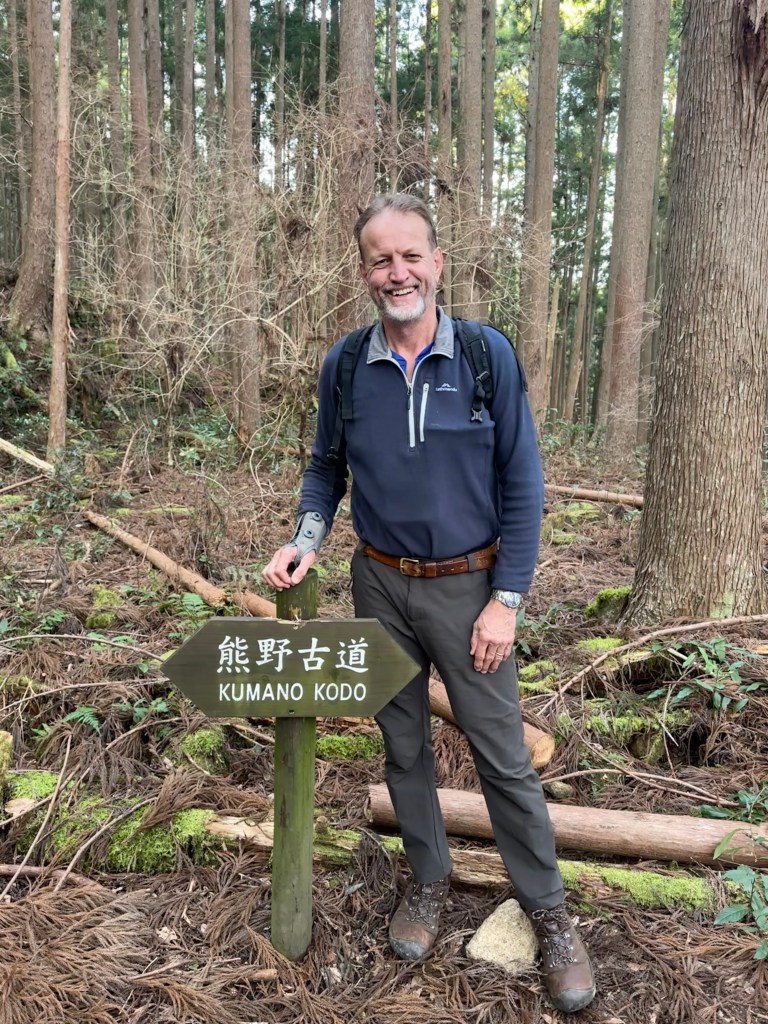
As I mentioned, I started my stay in Japan hiking the Kumano Kodo Trail, one of two UNESCO World Heritage pilgrimage routes. The other is the Way of St. James, or the Camino de Santiago, which meanders across northern Spain. The pilgrimage, hiking from shrine to shrine has been done for over 1,000 years. There are 4 pathways that all intersect at Hongu Taisha Shrine. I hiked from Takijiri to Hongu Taisha to Nachi Taisa which took 4 days, plus a rest day in the middle. Each day I hiked from 8 to 10.5 miles, with elevation gains of 2,200 to 4,134 feet and elevation losses from 2,133 to 3,215 feet – a lot of up and down! I’ll lose a toe nail due to all those down steps. Usually when I hike, going down is great, it’s a rest. At one point though, when I started heading down again, I groaned – it only means I have to hike up again. Each day took 6 to 8 hours. The first day and the last day were definitely the hardest. It was an incredibly wonderful experience trekking through the beautiful Kii Mountains, I highly recommend it to all my friends who love to hike. The first day, I didn’t see a soul all day, except for a man who set off around the same time I did, but soon disappeared from view. It was just me and the birds in the wilderness.
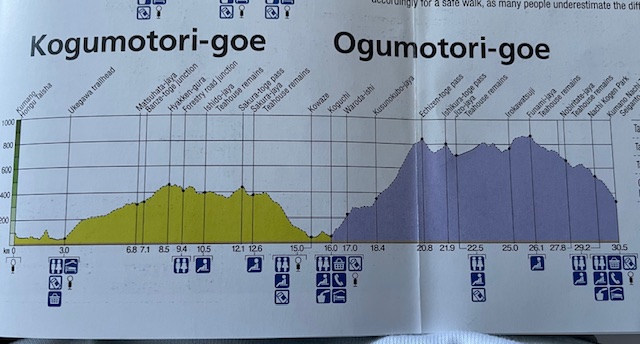

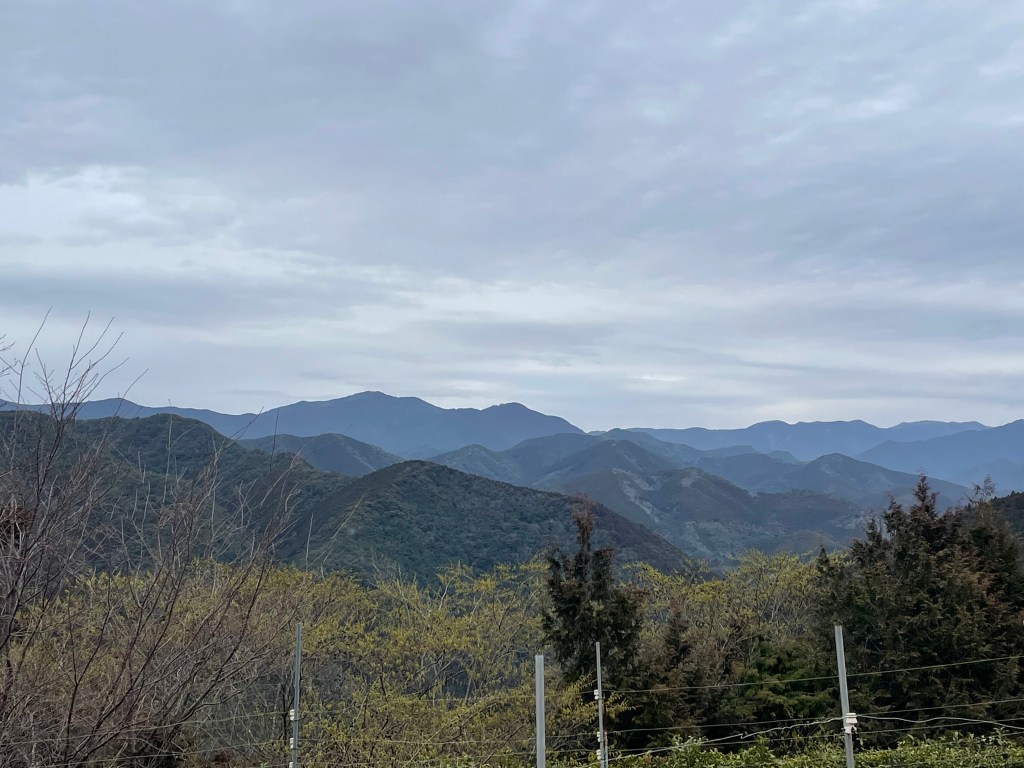
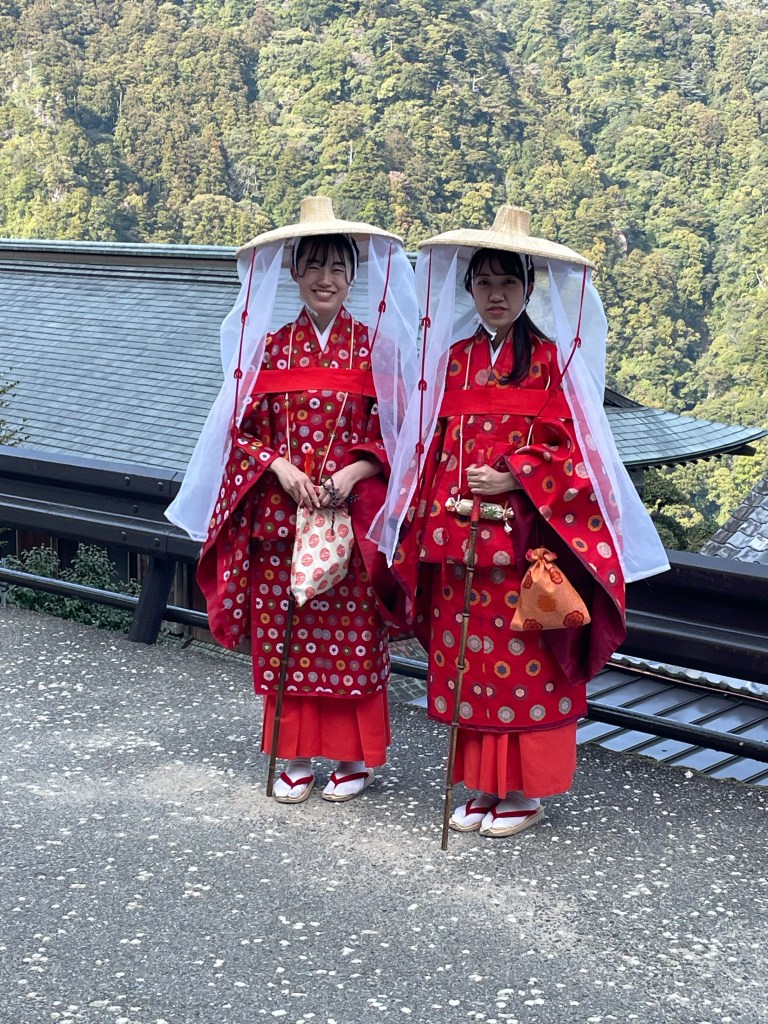
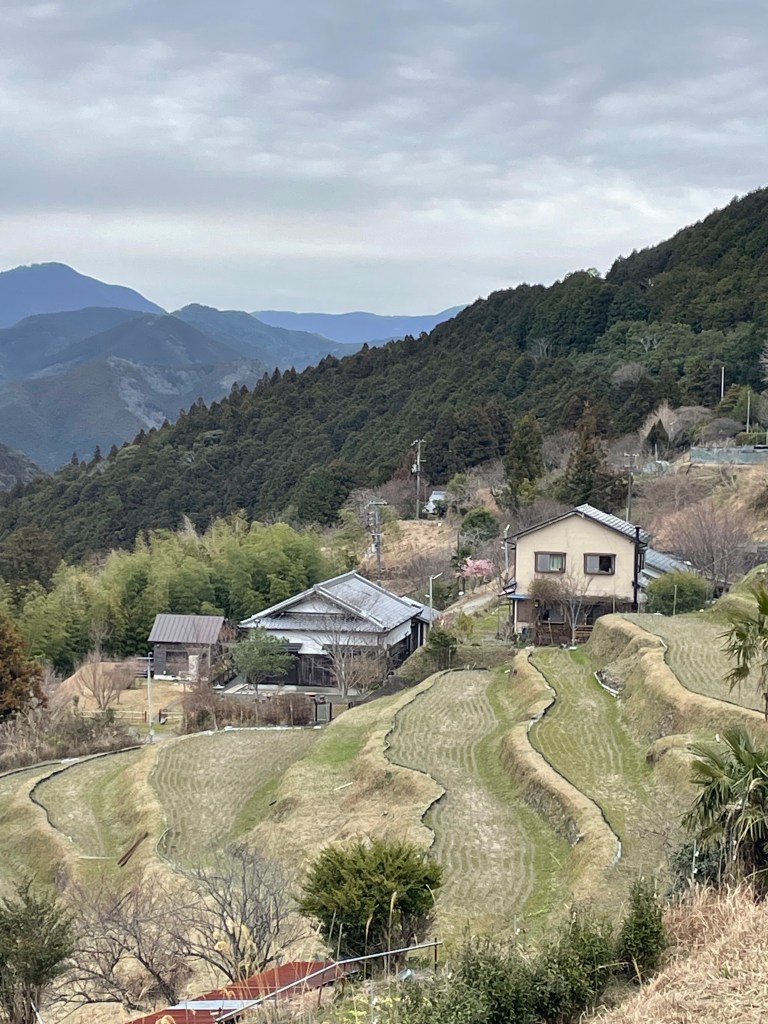
A light rain fell the first afternoon, but that only added to the atmosphere of the place. On the rest of the days, it was cold in the morning – in the thirties, then in mid-50’s and sunny by mid-day. The route weaves through dense pine forests, which feel old as the trees are very tall. And even though I saw a few more people after the first day, we only crossed paths for a short while and I was alone again. The path was often covered with a tangle of roots as you climbed or descended a hill, in sections stone steps have been erected, or large smooth stones cobble the way. Occasionally you walk on gravel, paved roads or flat sandy tracks. The trail was well marked, though in reality there weren’t many places you could go astray. I had step by step instructions as well but only had to refer to those when entering or leaving a town. Each day there were multiple temples and shrines to see, places where my ‘passport’ was stamped to show I had visited. I often came upon sign posts showing where villages and tea houses once stood to support the flow of pilgrims centuries ago. There is a lot of time to think out there. One lesson that I learned or was re-enforced was focus on the present. It didn’t help to look up the hill at how far I had to go, or what was in the future as long as I concentrated on the next step, I knew I could do it and any anxiety I had was eliminated. And when the going gets tough, just keep going – you can’t stop, you have to finish, they is no other choice. And appreciate the small moments. When I stopped to catch my breath, I looked around and soaked up the beauty that was around me, grateful that I could be here. It was a thrill each time I reached a peak and I had a little celebration inside as I look down the long slope I just had conquered. I also often had lovely conversations with the birds. They did whistle back when I tried to mimic their call.

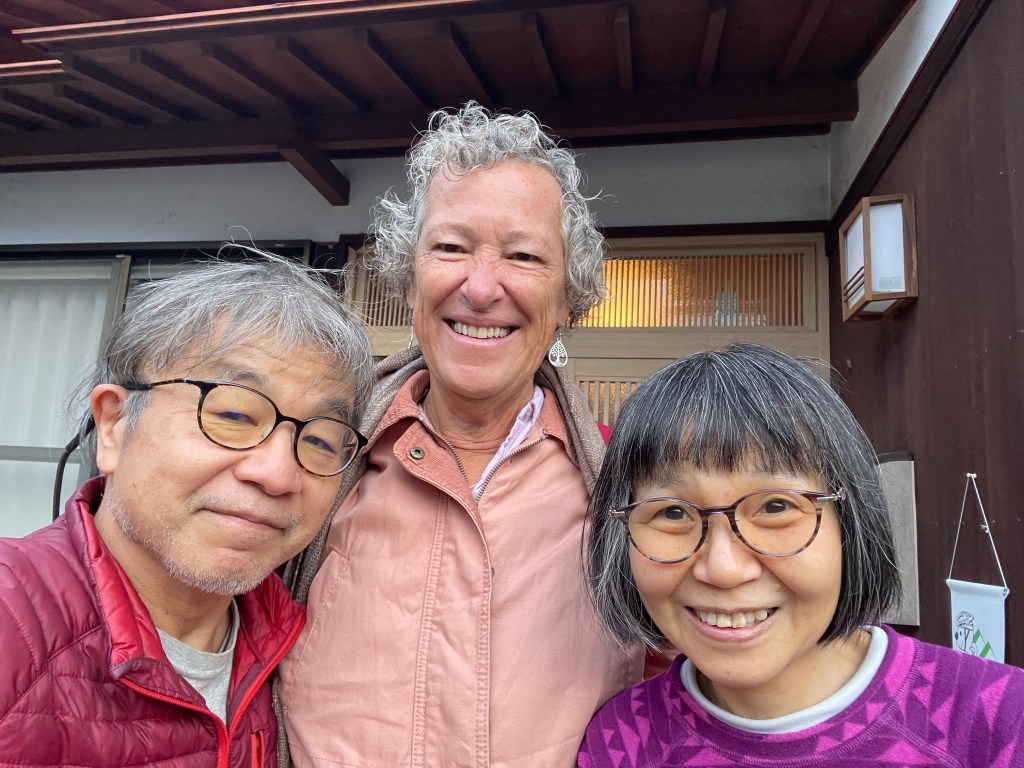
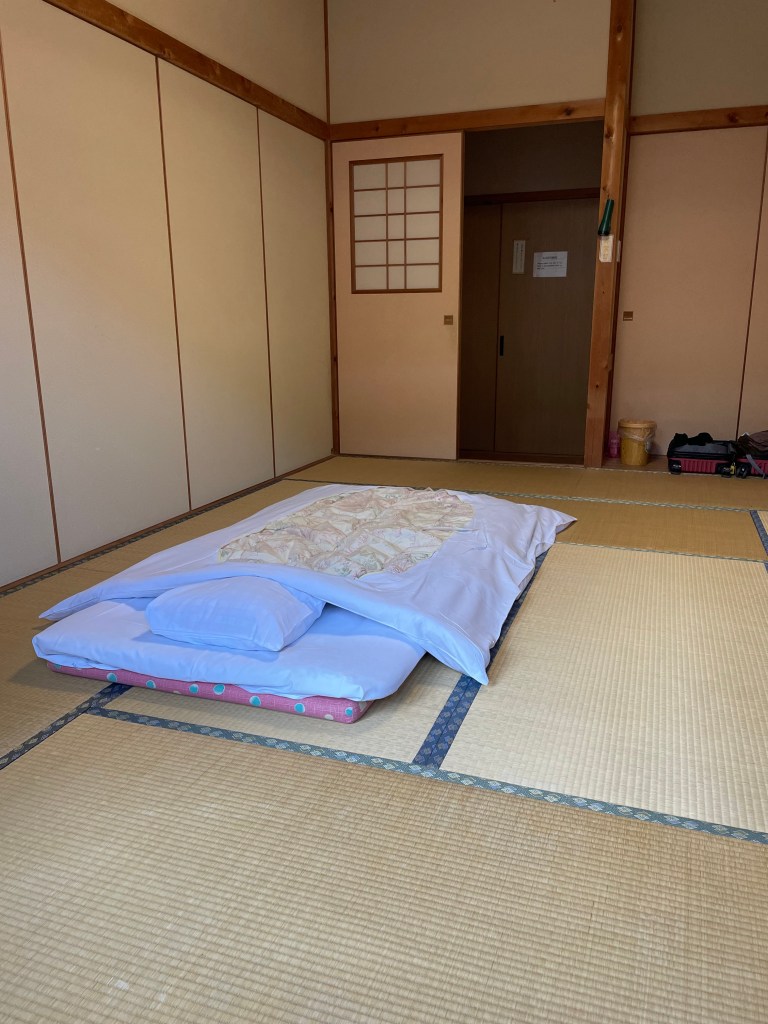
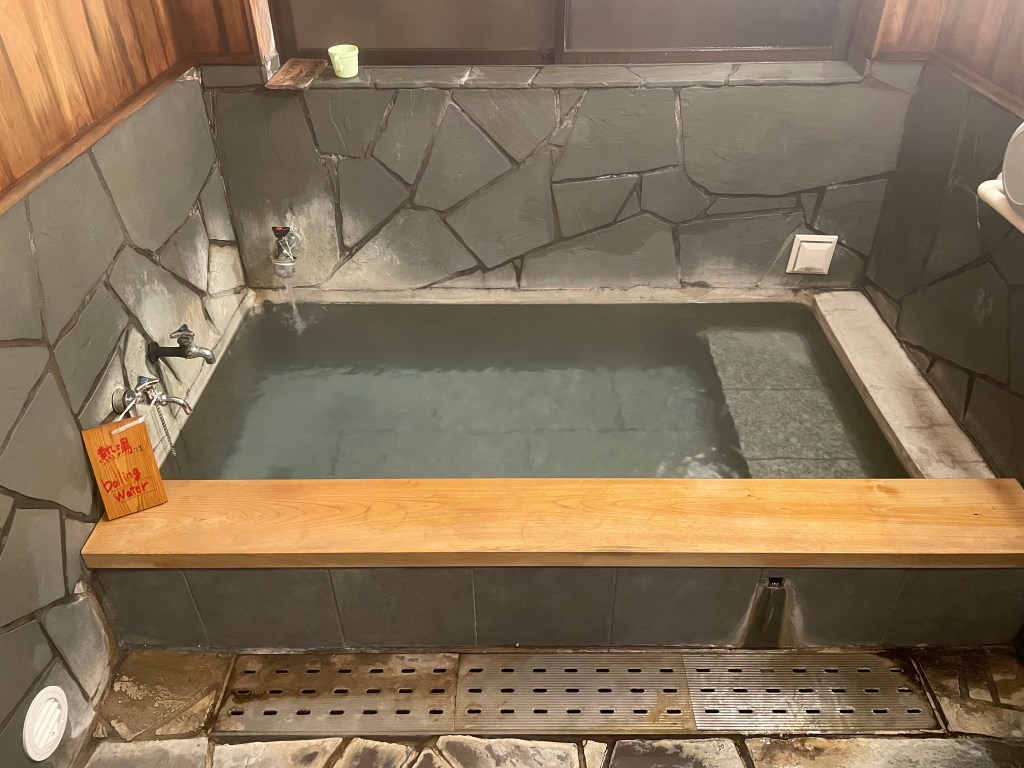
At the end of every day, I stayed in small mom and pop guest houses. Joining me there was Andrew, a wonderful man from Brisbane, Australia, who was following the same itinerary as me. We met the first morning, saw each other every evening and hiked together on the last two days. Each inn had a hot bath or an onsen waiting for me when I arrived. It was wonderful to soak for 30 minutes and just relax. Onsens are tubs filled with water from hot springs, found all over Japan, Some are large public baths, but in these inns they were often private, relatively small tubs depending on where I stayed. A few of them might have been shared if more pilgrims had been on the road, but I hiked very early in the season. I did stay at two hotels later on that had public onsens. It took a minute to get comfortable walking around nude in the shared area – we were separated by gender, but only a minute. The proprietors also provided us with fabulous dinners, expansive breakfasts, and boxed lunches. I’ll tell you more about those when I get to the food portion of this post. We slept each night on futons on tatami mats on the floor. I was so tired I probably could have slept right on the floor but I was grateful when there were 2 futons which I could stack on top of each other for a little bit more cushioning, they weren’t very thick. It was a little awkward for this old lady to climb out of bed when the time came, getting up from the floor is not a graceful endeavor.

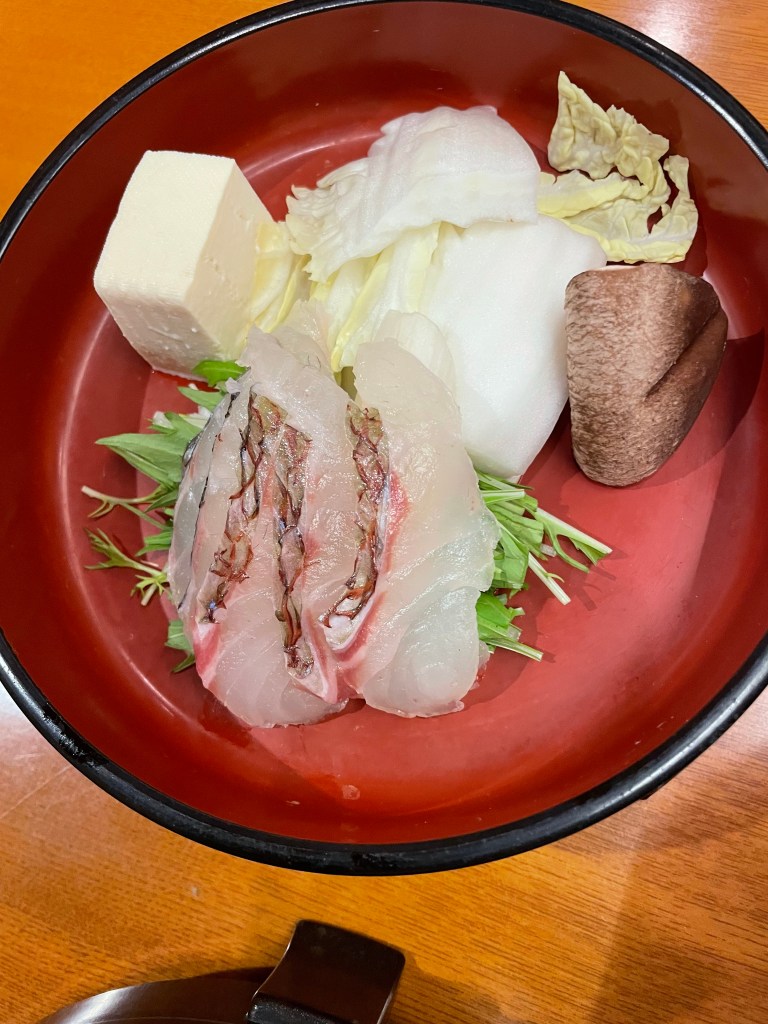
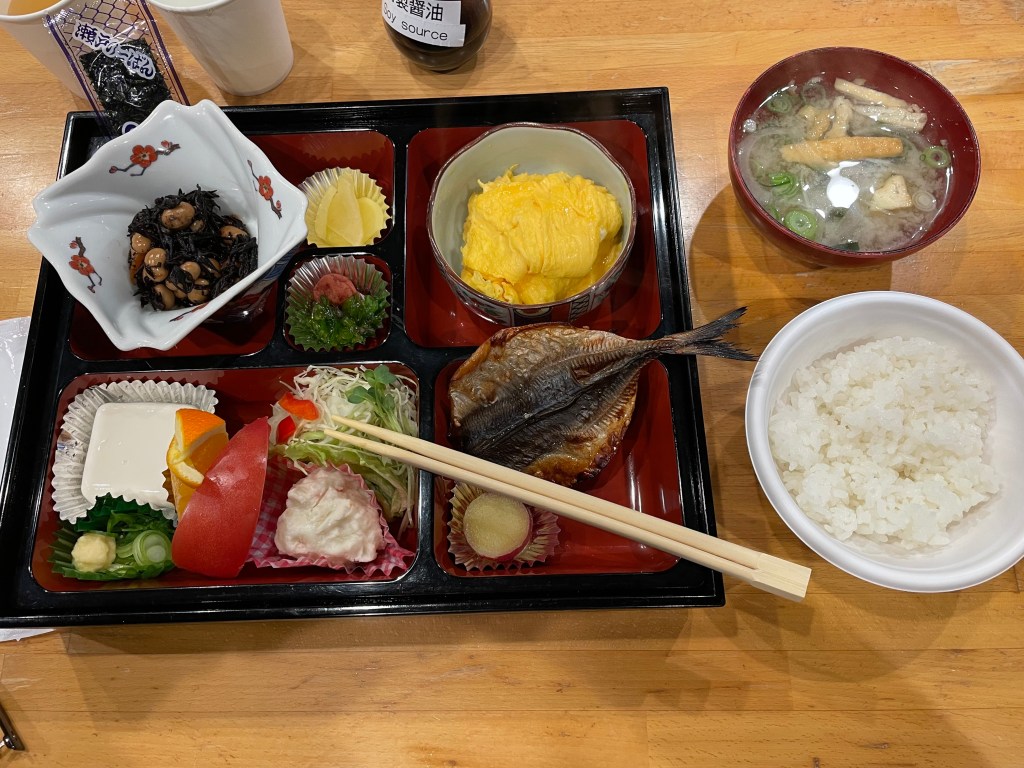
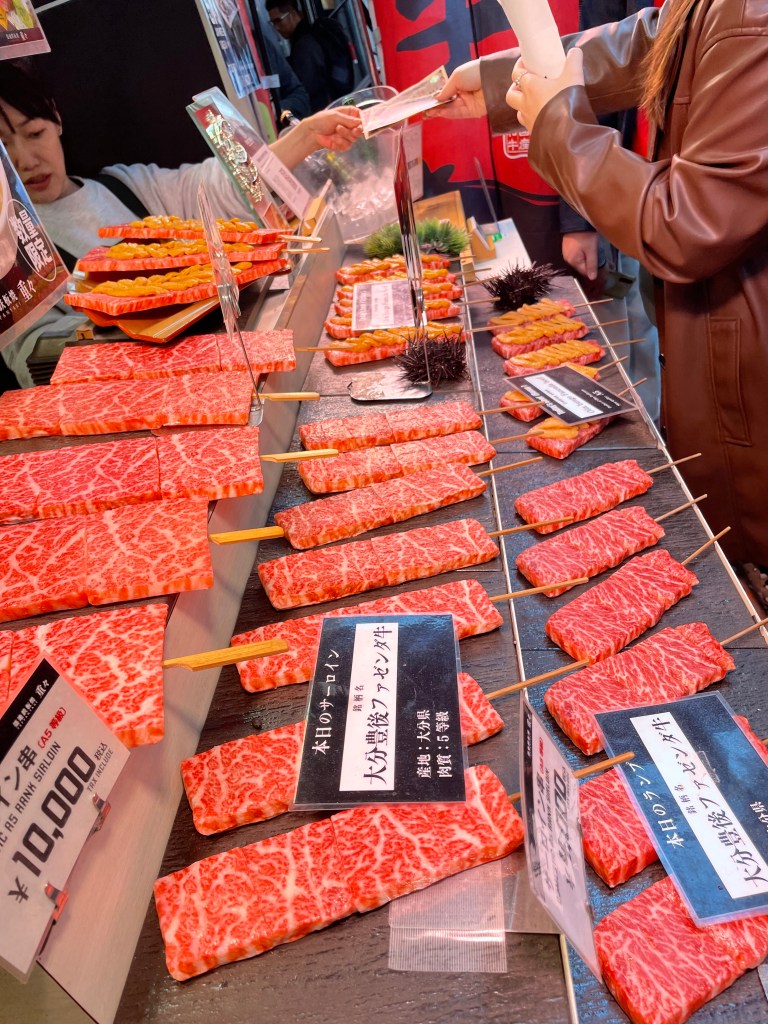
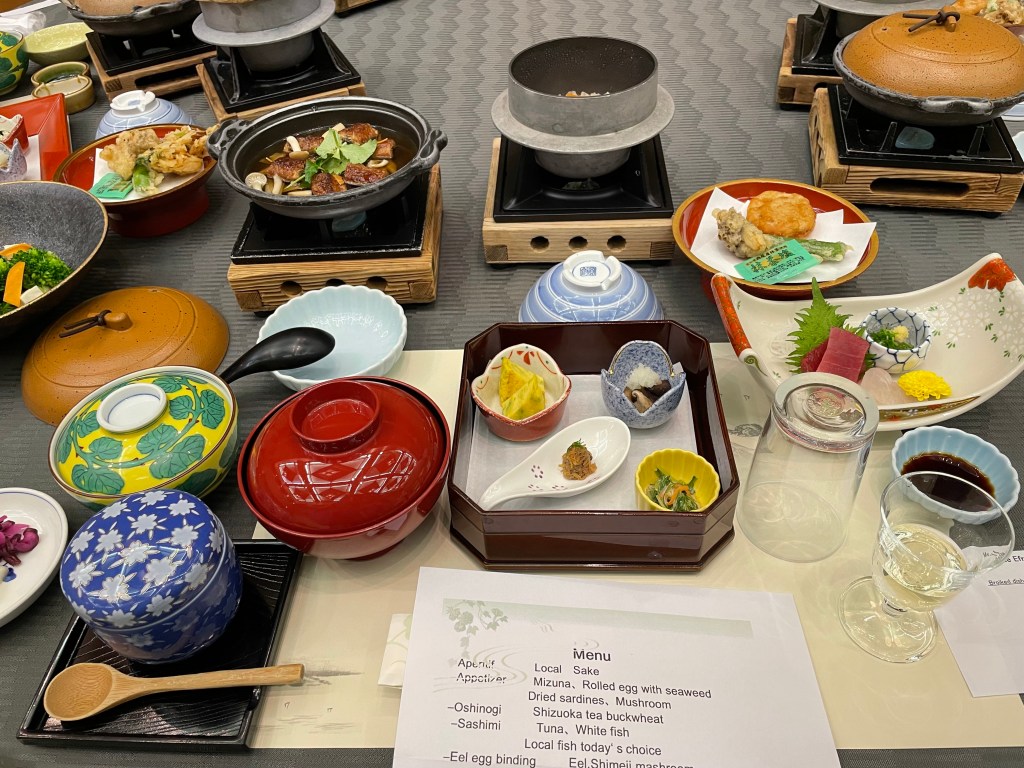
Well, since I brought up food I might as well go there. The food here was really wonderful, many time I didn’t know what I was eating but it always delicious. Every meal consisted of so many dishes. For breakfast, as an example, I had miso soup, rice, a piece of some kind of fish, typically a tossed salad, tofu, an egg, a vegetable, maybe baby sardines – tiny little things that looked like worms, some pickles or seaweed, maybe a salted plum and tea. All of the servings were tiny thankfully. One dinner we had shishimi-slices of raw fish, miso soup-always miso soup, a small plate of tempura, a noodle dish, egg custard, rice, tea, an eel hot pot, a mushroom side, sake, and an appetizer tray with four little bites on it – I’m not sure what they all were. We had another huge dinner like that at another restaurant – this time with their specialty, a roasted fish head. I was encouraged to eat the collagen – I didn’t because I didn’t know what I was looking for. Steak is big in Japan as you can imagine, it is the home of waygu and Kobe beef. Kobe beef cows are given beer before they eat to increase their appetite, then they’re massaged to push the fat into the meat so it ends up well marbled. I didn’t eat any beef, I was usually given some kind of seafood instead, but fellow travelers delighted in it.
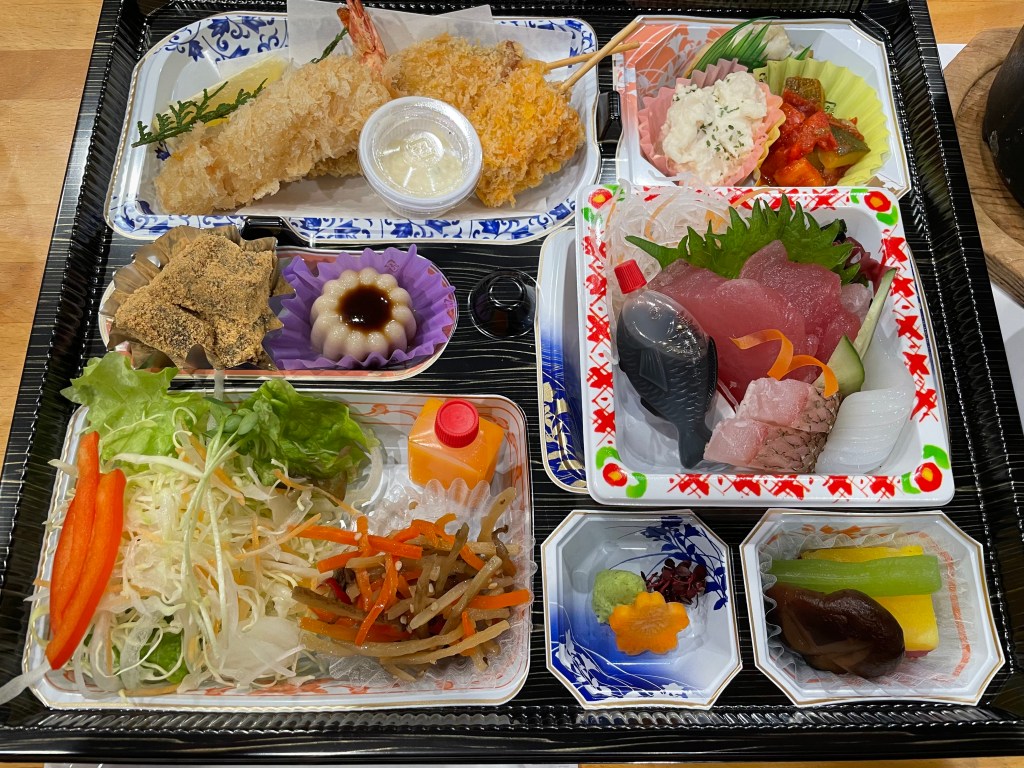
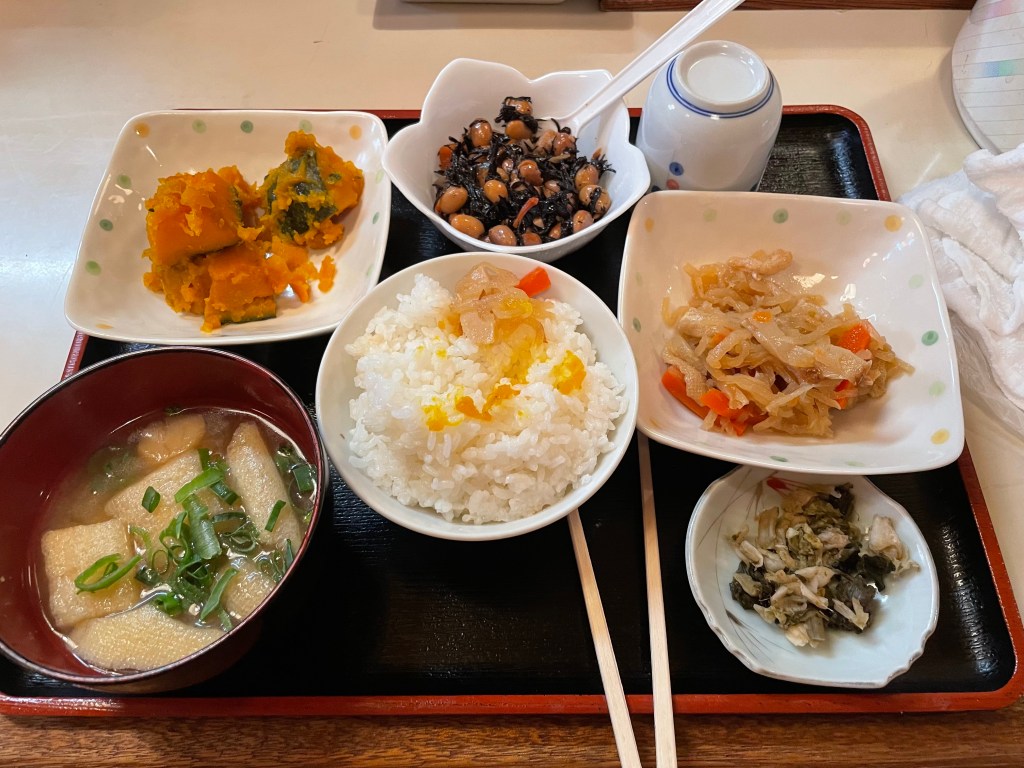
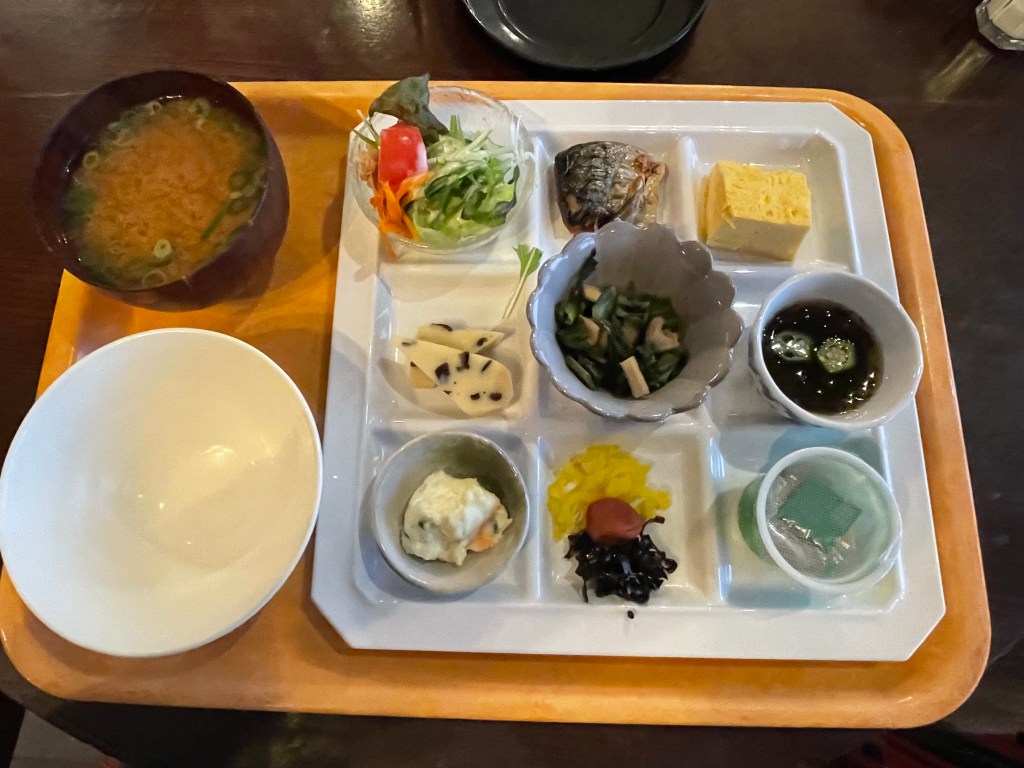

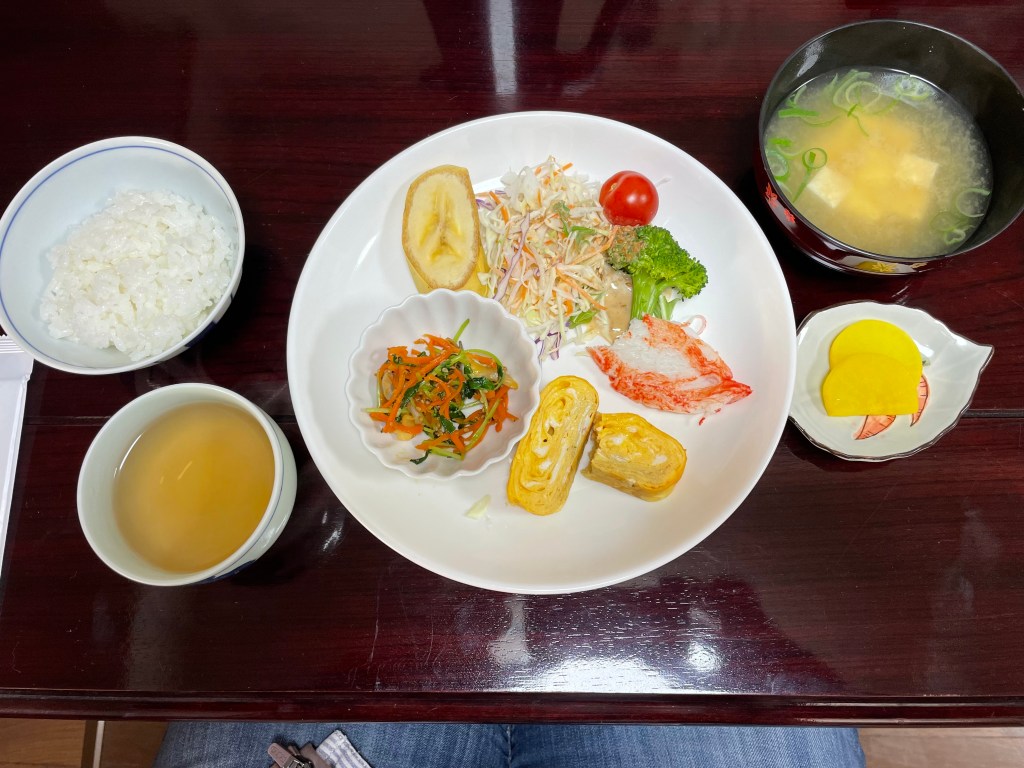
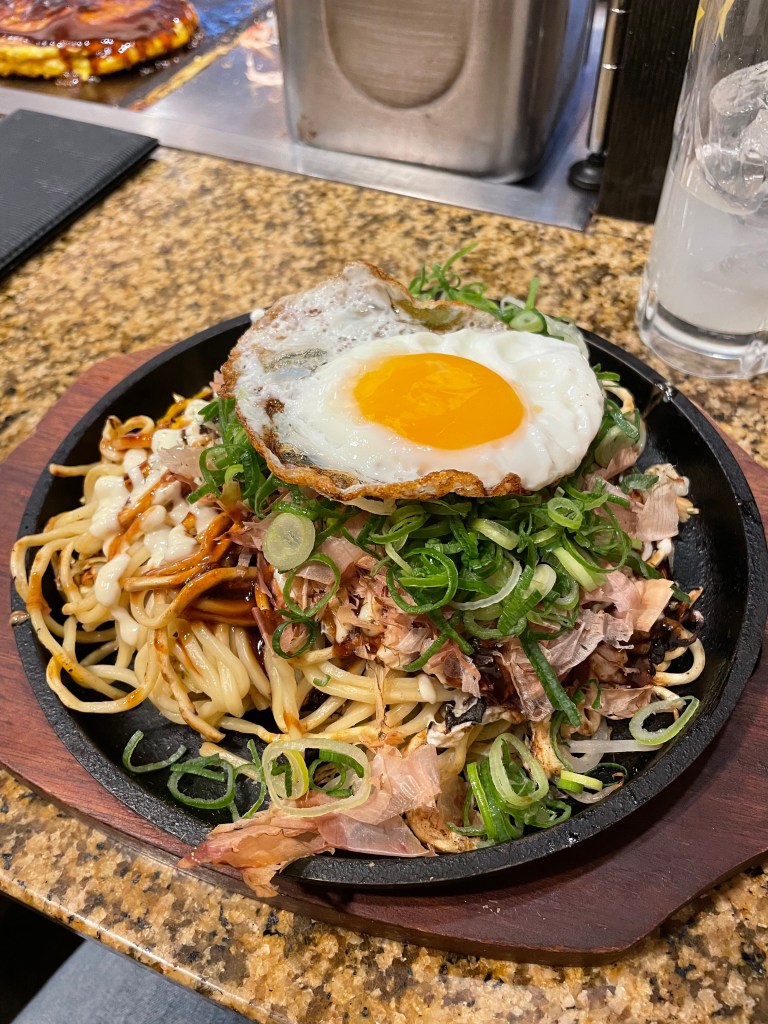
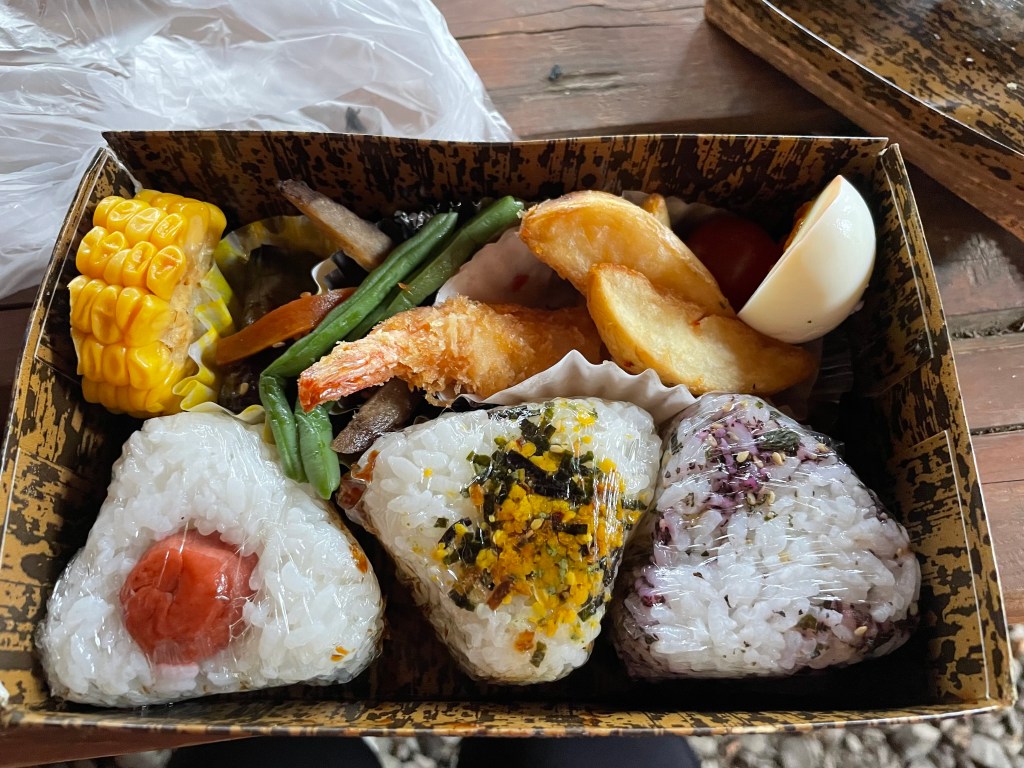
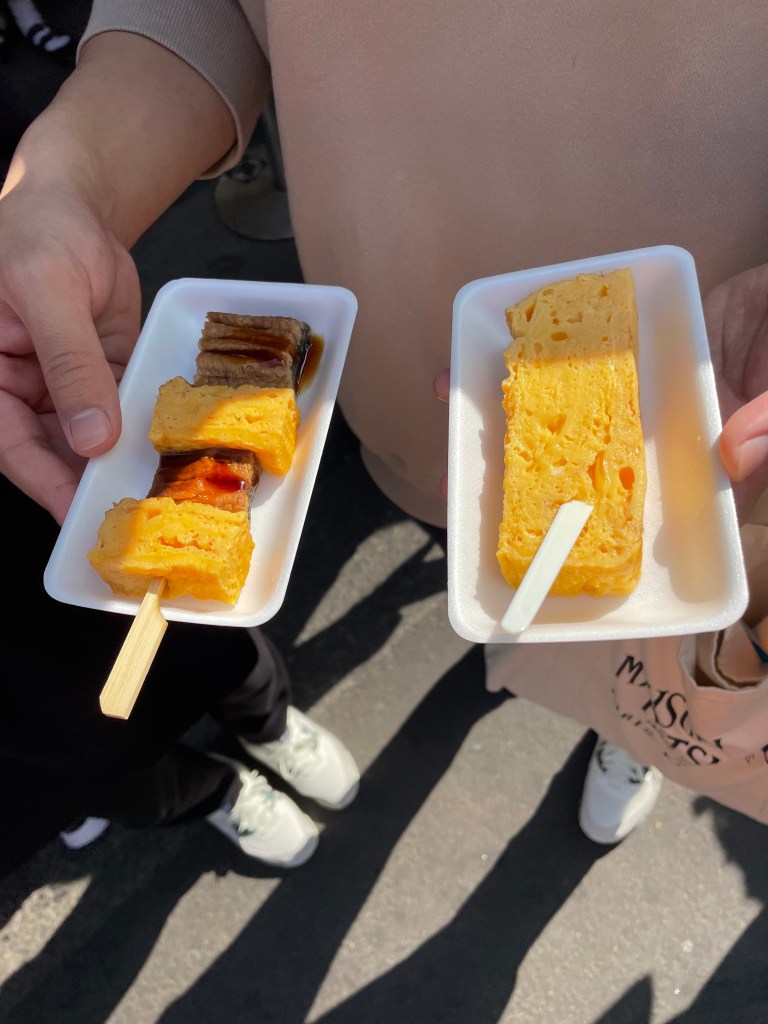
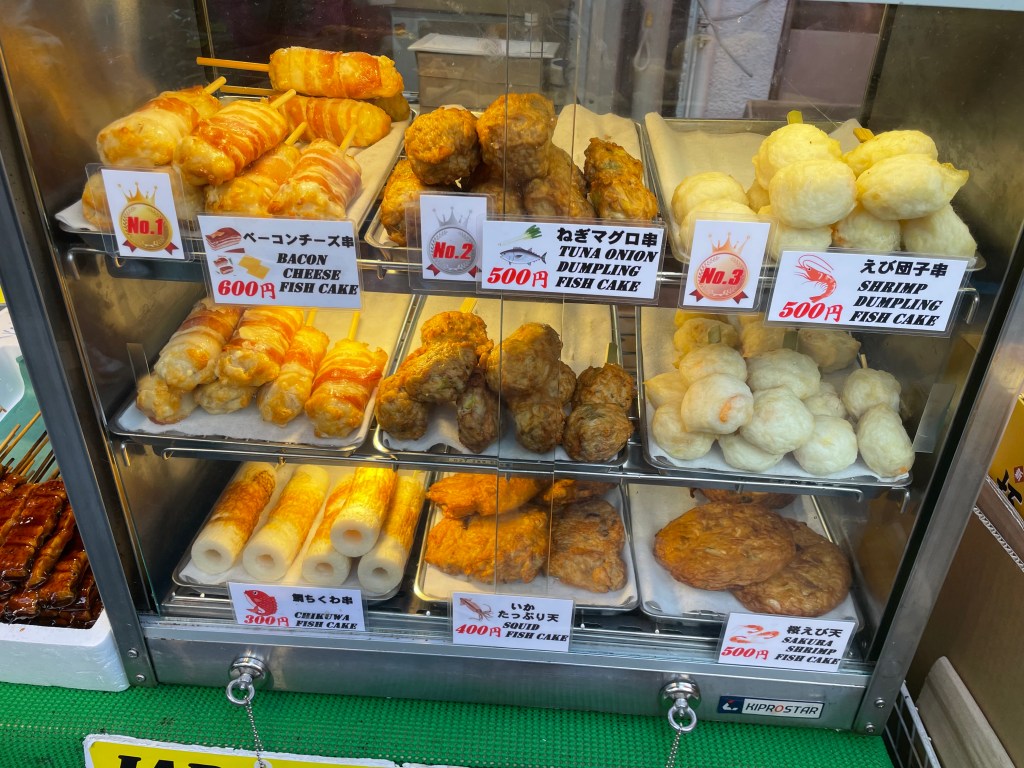
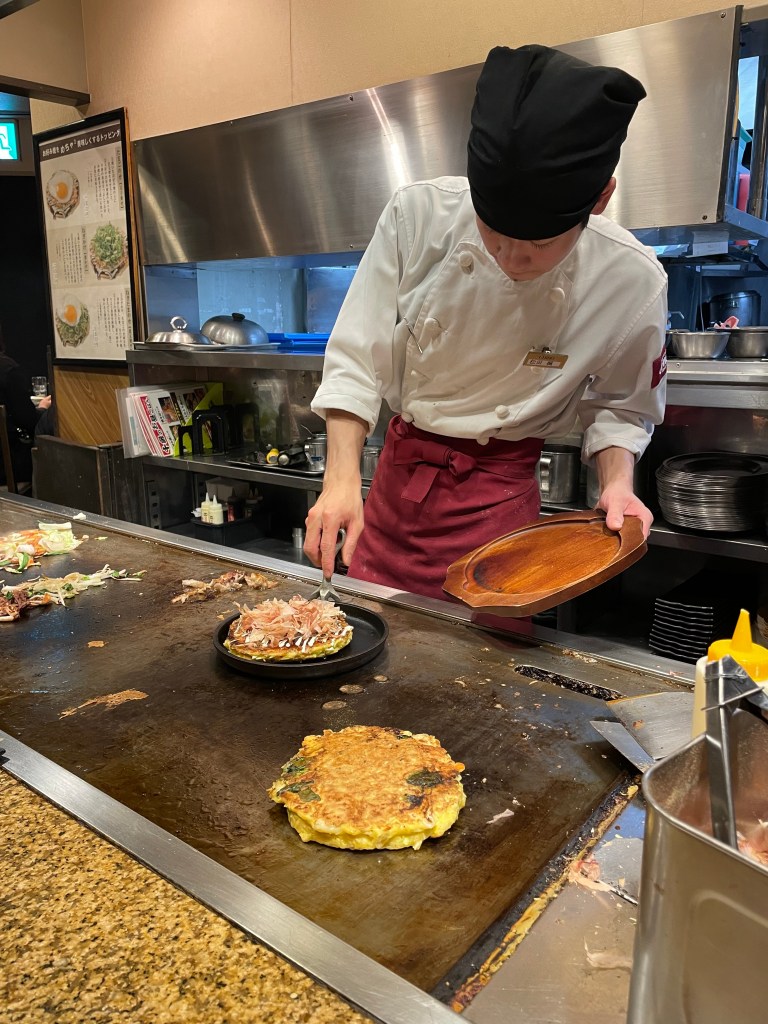
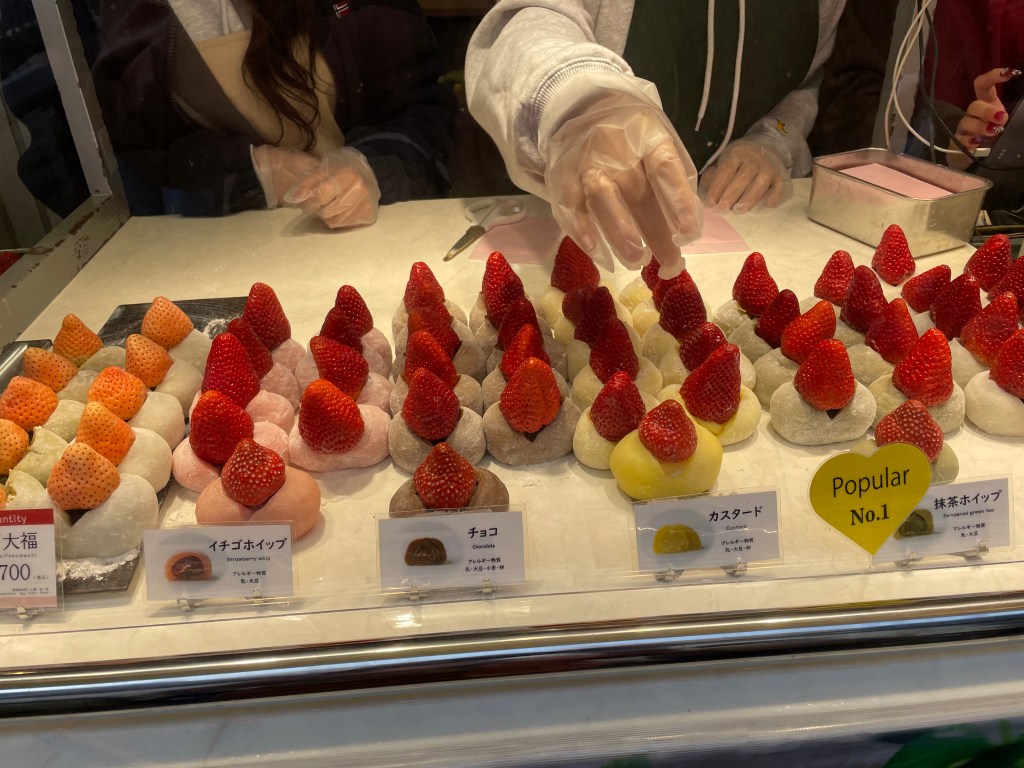
Our boxed lunches consisted of rice balls of various flavors- 2 or 3 of them depending on their size, and other little bites such as a 1/2 inch piece of corn on the cob, a few French fries, a piece of fried shrimp, a couple of orange slices, a sweet treat, etc. The rice balls would sometimes be kind of green – I think mixed with seaweed, some would have salmon in the middle, some were pink – I’m not sure why. They were very filling however. Food on sticks is very popular here. You can get grilled octopus on a stick, fish or octopus cakes on a stick, potato patties on a stick, strawberries on a stick, omelettes on a stick, etc. Their omelettes are often rolled so they look like a tiny yule log. Yakitori is, of course, chicken on a stick. One dish I really like and stood in line at two places for over thirty minutes, was okonomiyaki. It’s a pancake like thing filled with various meats or fish and if you’re getting the Hiroshima version – noodles, the Osaka version is made with lots of cabbage. On top is a sauce similar to Worcestershire, maybe a mayonnaise type sauce as well, and depending on the version could be covered with green onions. It’s cooked on a big grill and then served on a hot cast iron plate nestled on a wooden tray. Mochi, a sweet rice dessert was good. They were serving it with strawberries since they were just coming into season. The Japanese whisky is very smooth and I love the plum wine – we were served homemade varieties at two of the inns on our hike and they were especially yummy.
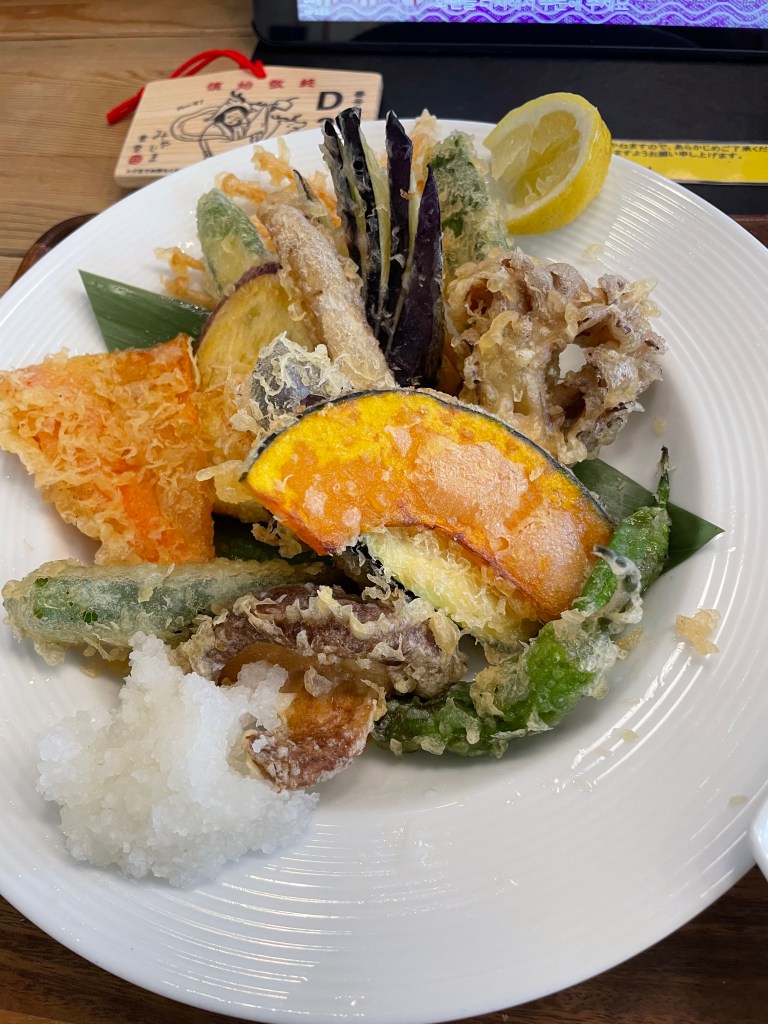
One thing there was not a lot of was vegetables. You might get a piece of broccoli, or a few carrots with some cabbage in a hot pot and I guess seaweed qualifies but that was usually picked or just added for color or taste. And fish was served at almost every meal and many times several kinds and servings of fish. And the fish was wonderful- very fresh and lot of different kinds. However, I am really a vegetarian who only added fish back when I was running. Once I stopped running, I still ate it on occasion because in the early days vegetarian meals at restaurants were hard to find, so it helped to eat seafood, especially when I was traveling. But I may have it once or twice a month at home. So this much fish, often 2 to 3 times a day, did a deed on my body. After the first week, I just felt uncomfortably full, satiated really. And I had a brain fog, which didn’t help while I was trying to navigate the complex transportation systems in Osaka and Tokyo. There were other issues too which I won’t go into since I already talk too much about toilets. In this case I didn’t use them as much as I would have liked. I started ordering tempura, whenever I could, to get a few more veggies in my system, though unfortunately they were deep fried. I started eating Western breakfasts in the hotels, loading up on any fruits and veggies I could find. Then when the tour was over, I eliminated fish completely. After 2 or 3 days, I began to feel more like myself again. I didn’t think you could OD on protein, but it felt like I did. I eliminated animal protein for a reason over 30 years ago and here’s proof it was a good decision.


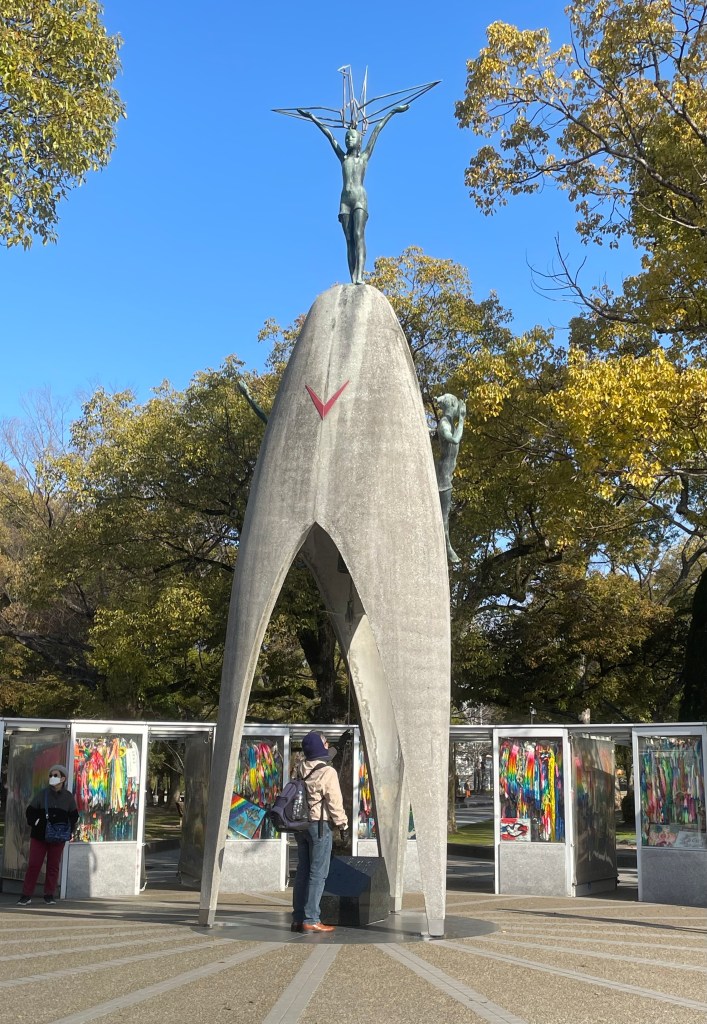
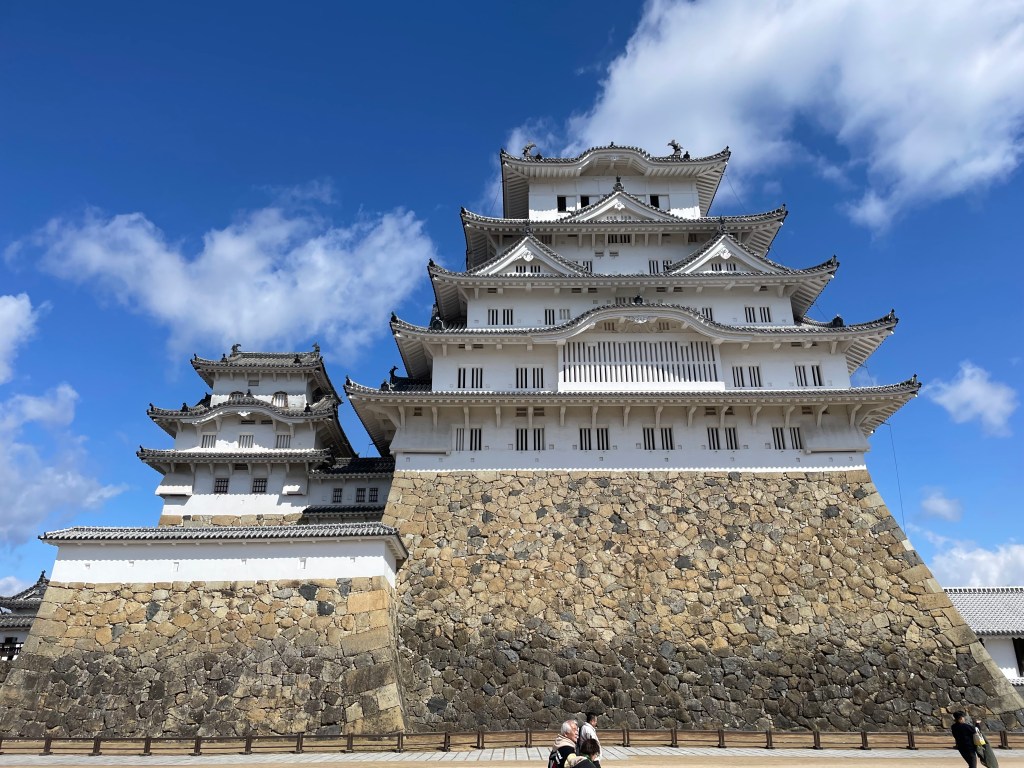
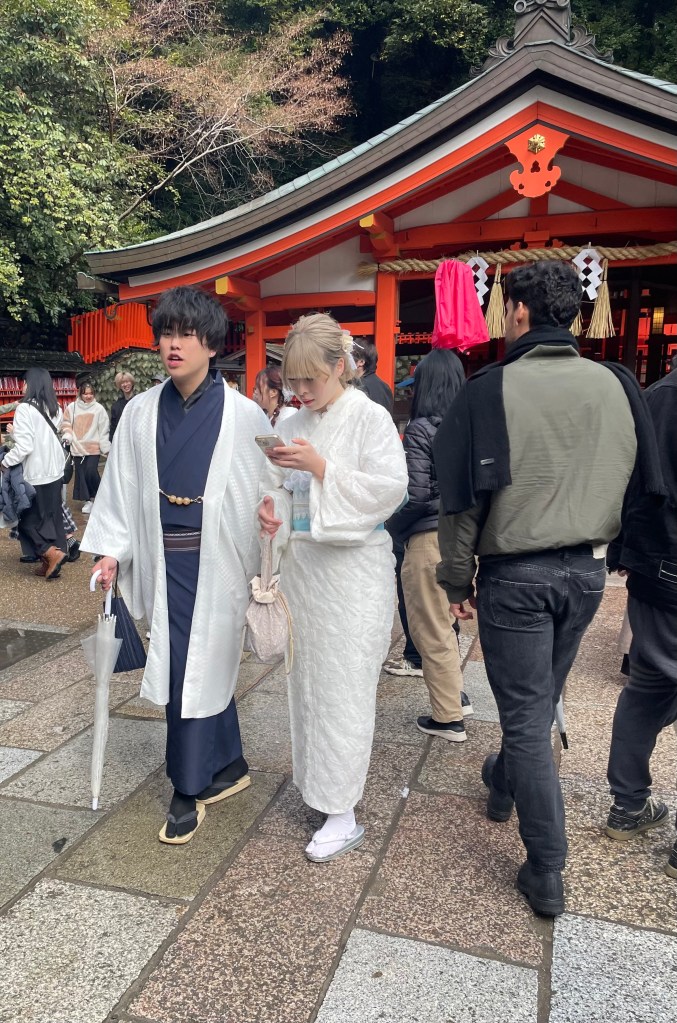
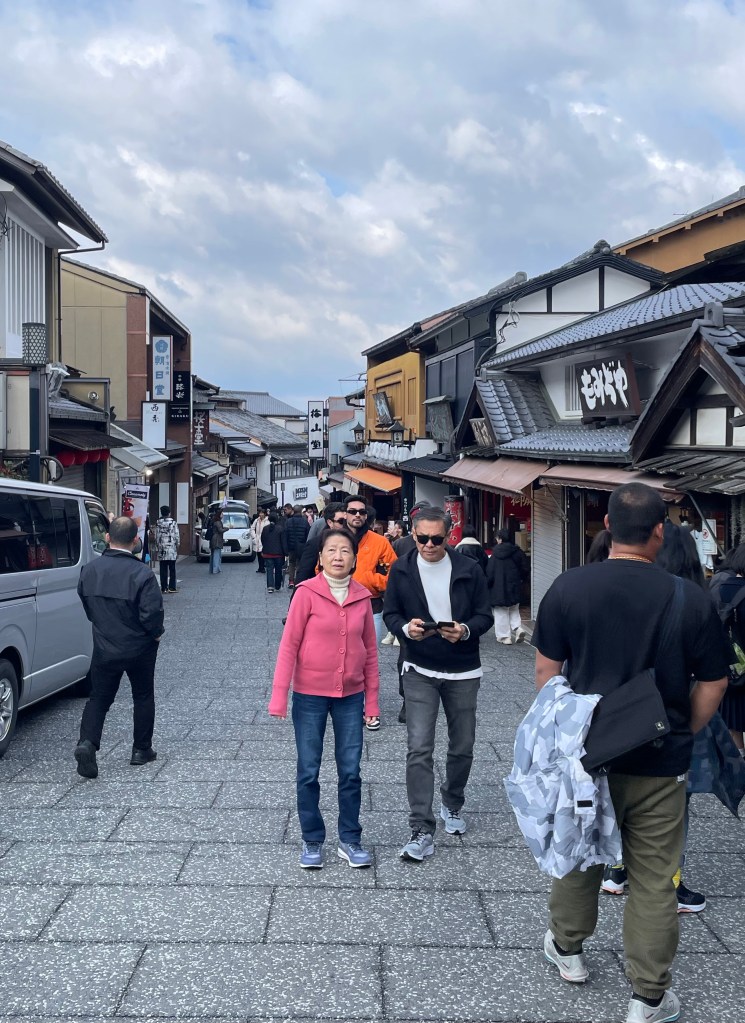
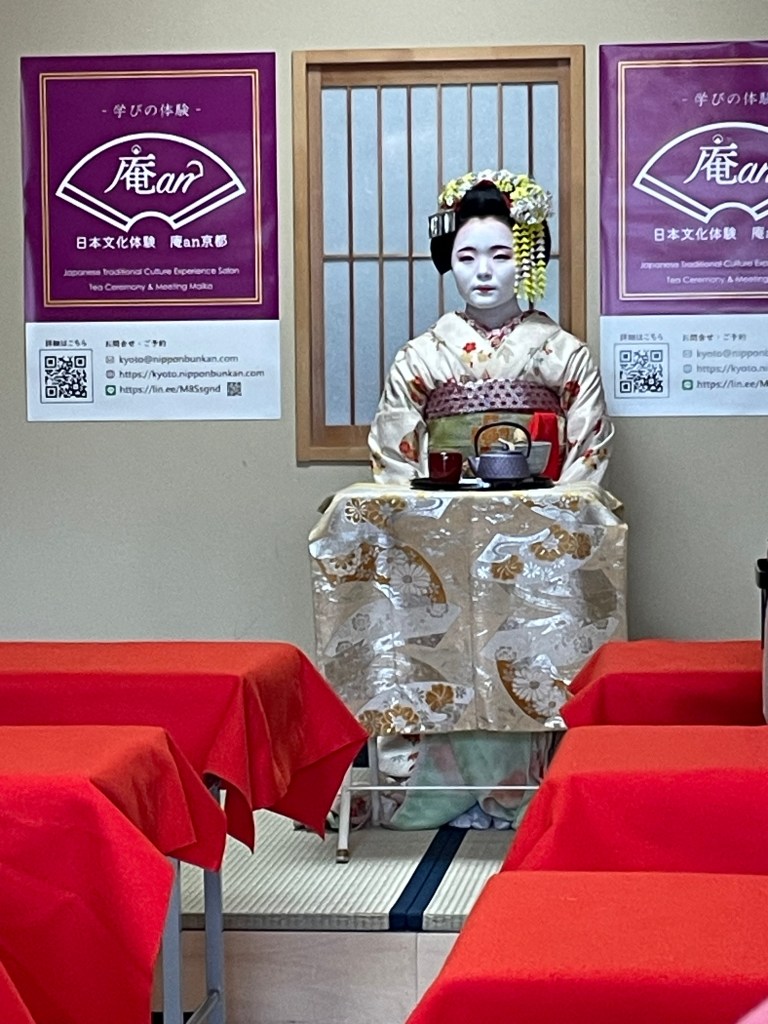
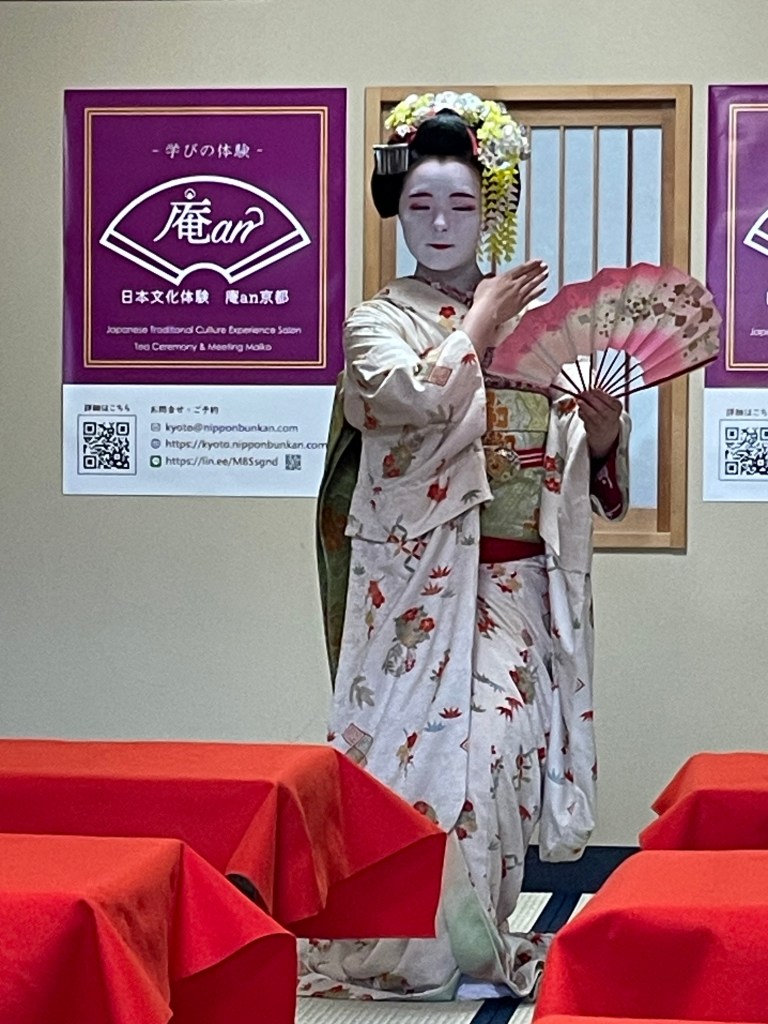
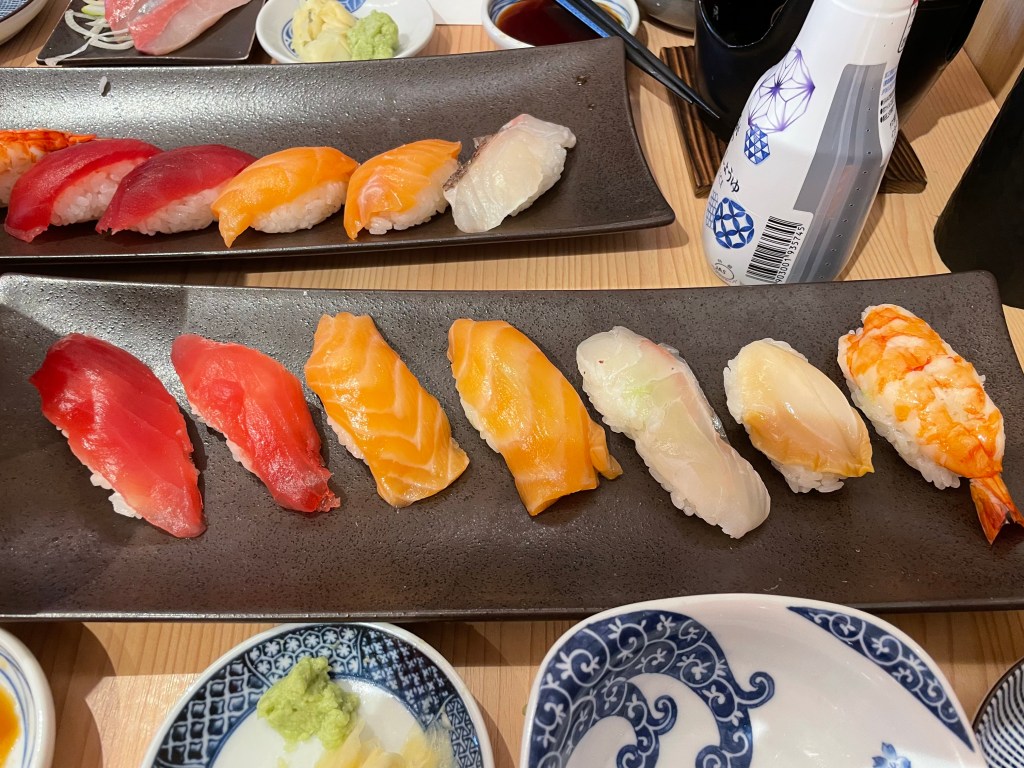
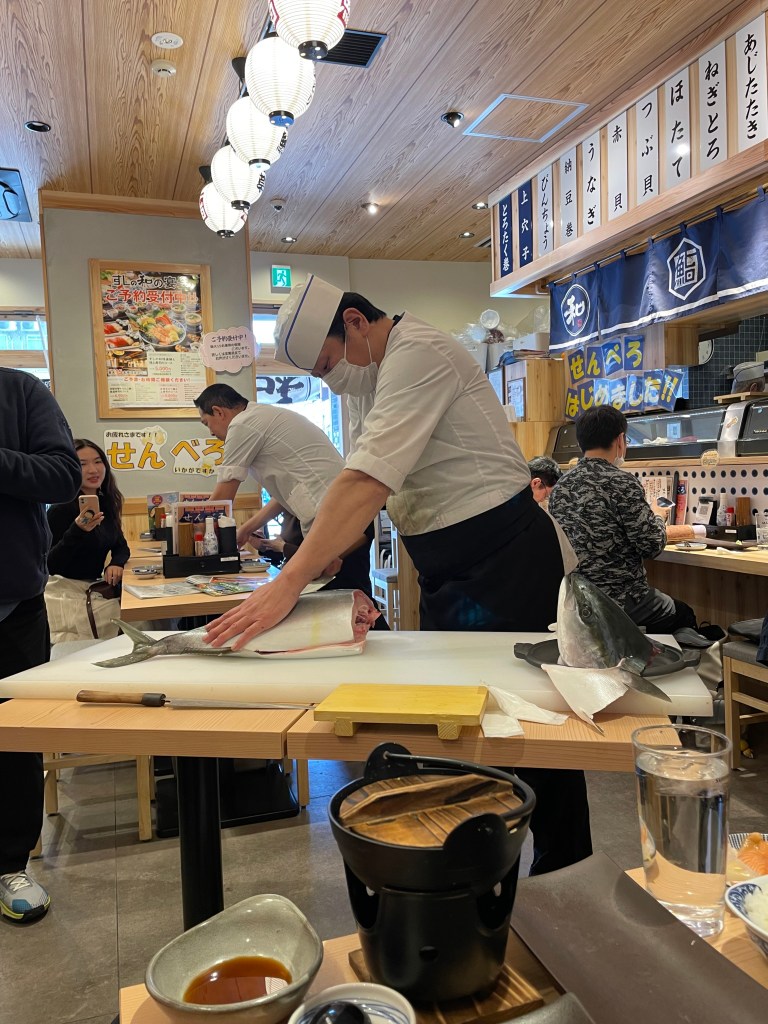
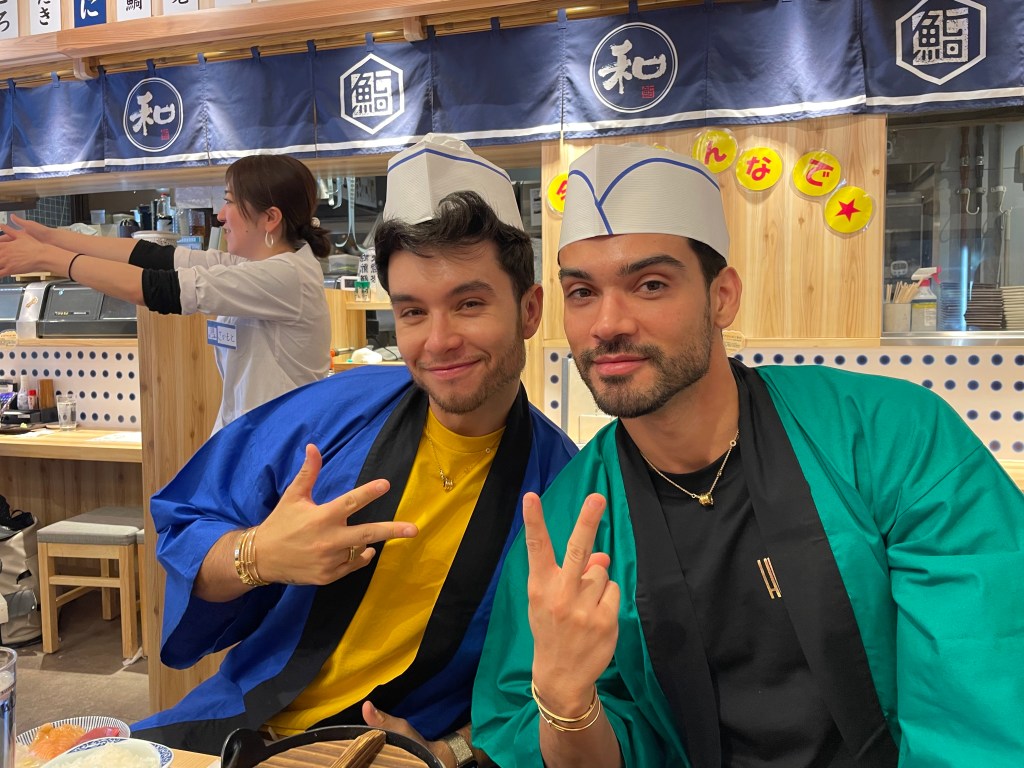
We visited Hiroshima and the Peace Park. The museum there was very powerful if slanted a little in its dialogue, but I hurried through as I did at the Vietnam War Museum, as I get sick to my stomach seeing the atrocities men commit. Kyoto was a beautiful city with 700 temples and 300 shrines. We didn’t have time to see them all. Kurashiki, an old port town has been preserved and still looks like it did in back in the day. We saw several old castles – well planned, fortified structures. The architecture was pretty amazing really, considering the time period they were constructed.. In many of the places we visited, women, especially young women, would rent kimonos and walk through the town. Very fun and colorful. Some men did as well. The also had rickshaws available for hire, a once reliable way to get through a city. Seeing the young women dressed up, riding in a rickshaw made you think of what Japan was like in days past. Most of the shrines and historic sites, had commercial districts surrounding them with restaurants and shops. We often had time to explore, shop or find a meal or snack. I loved browsing through the pottery stores and would have bought several items, had I room in my suitcase. A found a few art galleries as well. I was tempted to buy chopsticks as I am pretty adept at using them. We participated in a tea ceremony lead by a Maiko – an apprentice Geisha. She demonstrated her talents of tea making, dance, and game playing. One day, we made nigiri, a form of sushi. The chef came out and chopped a huge fish in front of us, showing us the various knives used. We ate it as pieces of shishimi and cooked more in a hot pot. Then he demonstrated the technique for creating the nigiri and we each made 6 or 7 pieces from various types of fish. It’s said that sushi makers must have cold hands to be effective and a handshake is the first step of any interview for a sushi chef. There was also lots of ice cream served everywhere and although the weather was a little nippy, I did indulge once or twice. How can you not try the pale pink, cherry blossom ice cream. They suggested the matcha tea ice cream but I never tried it.



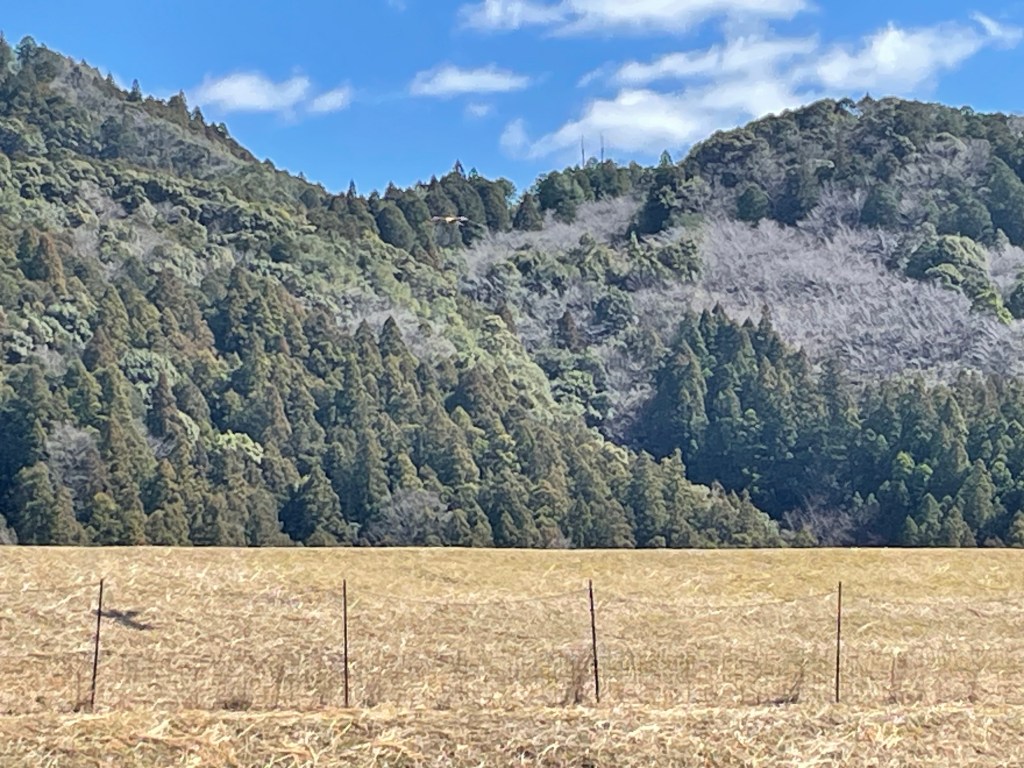
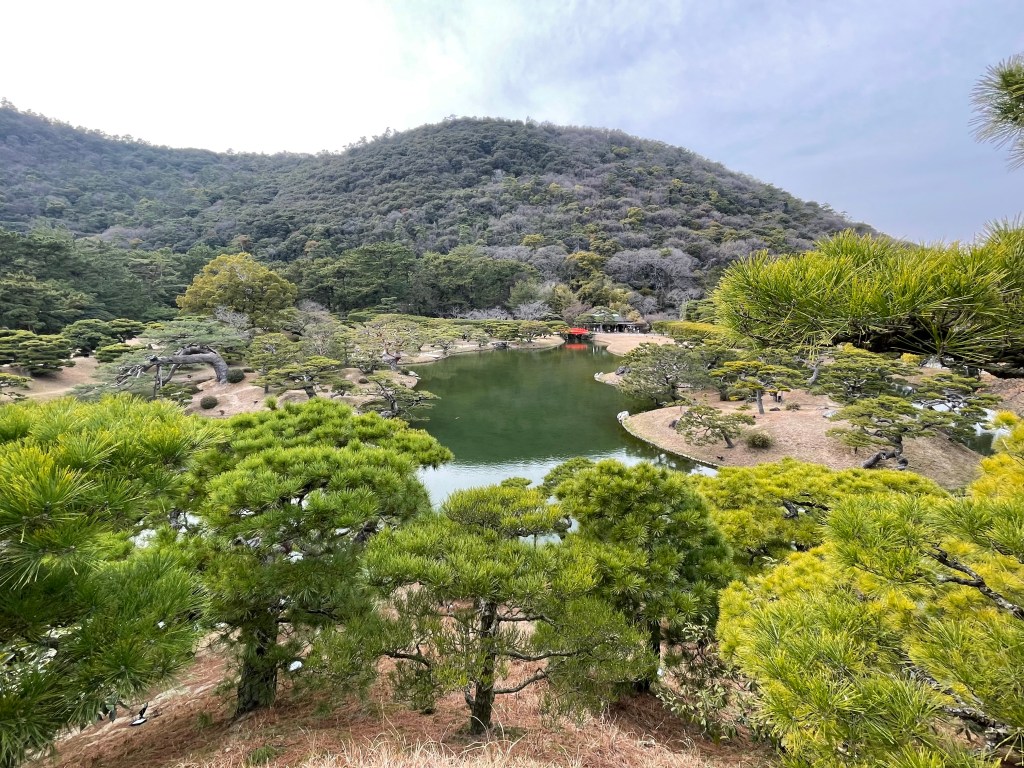
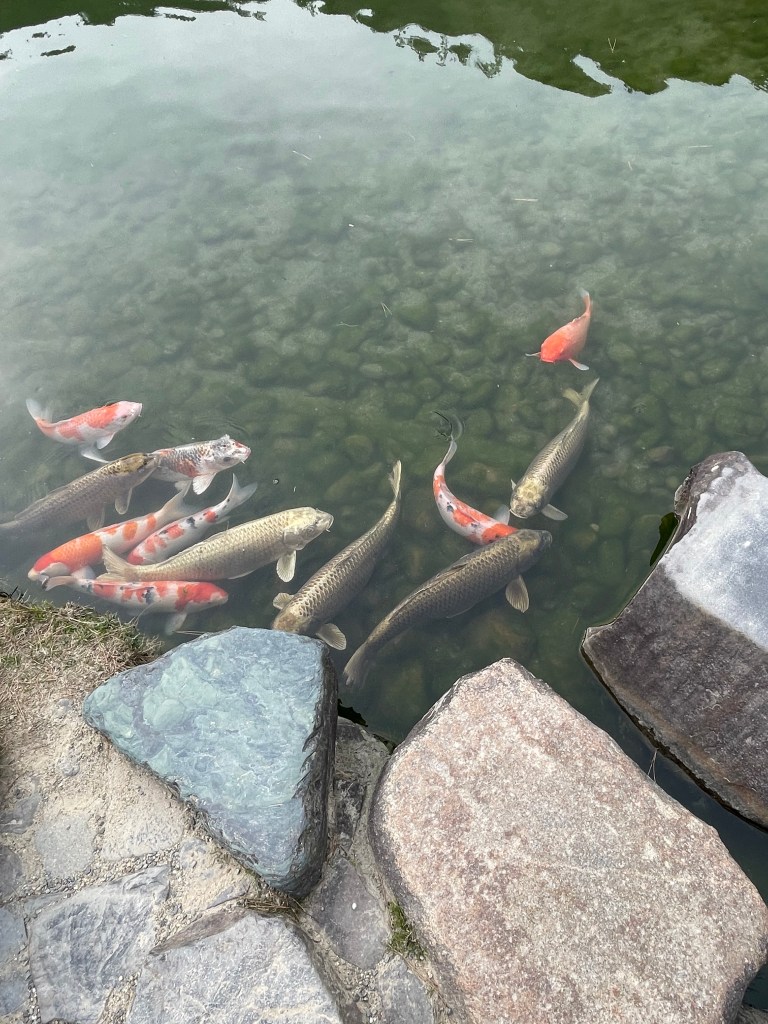
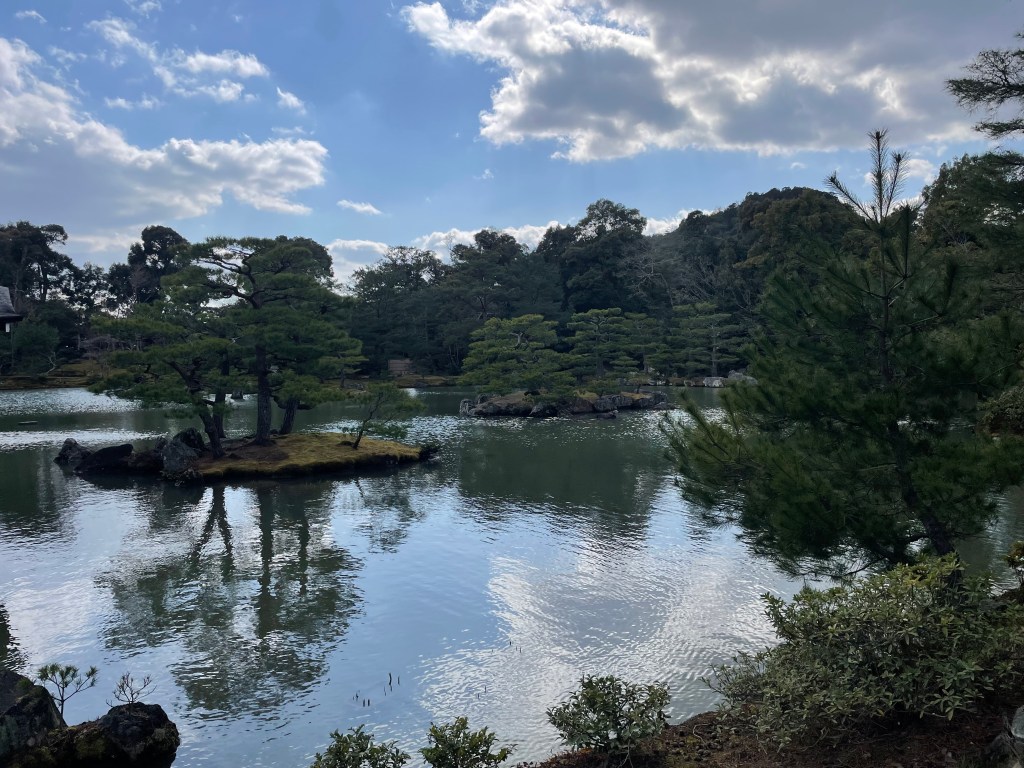
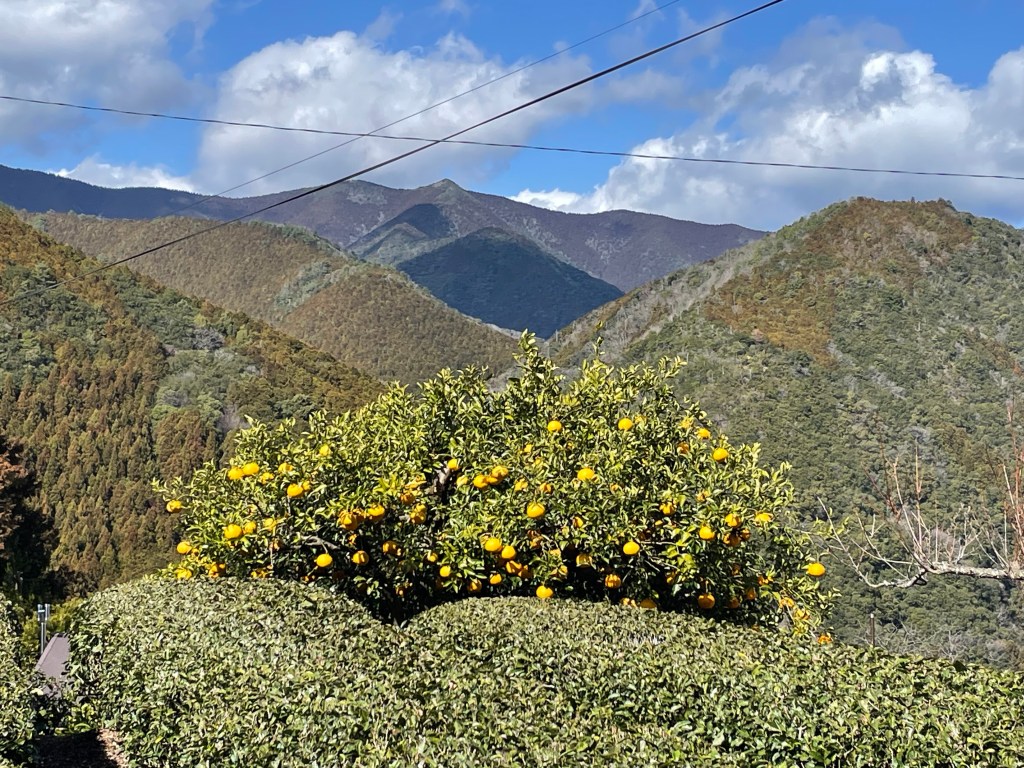
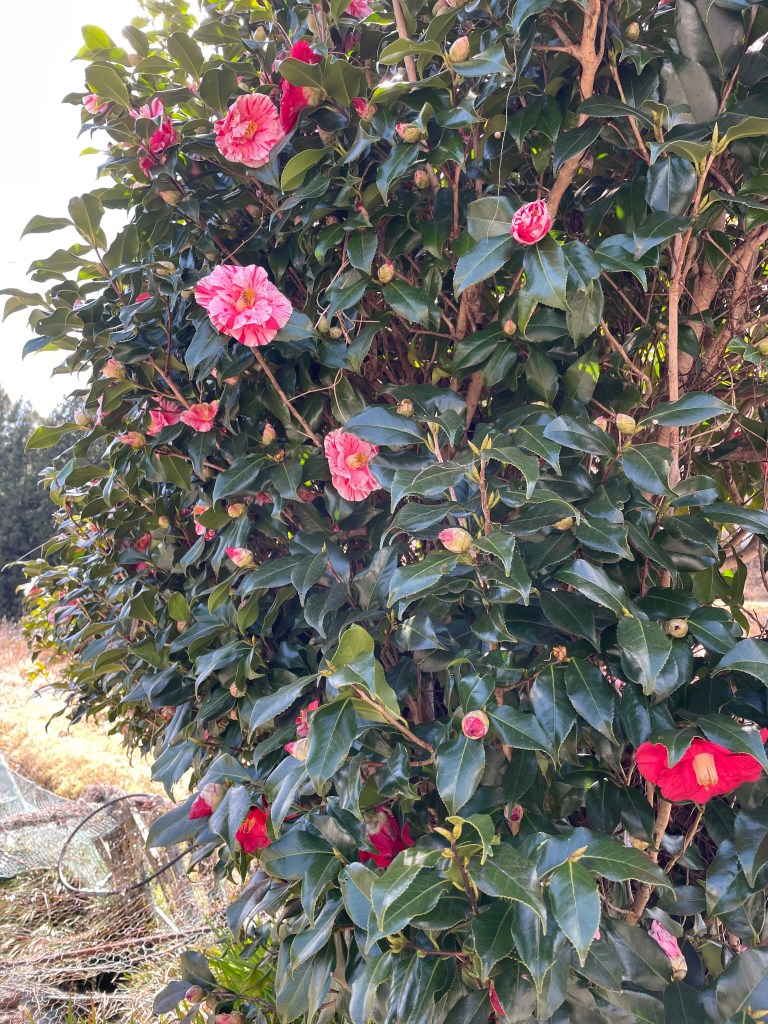
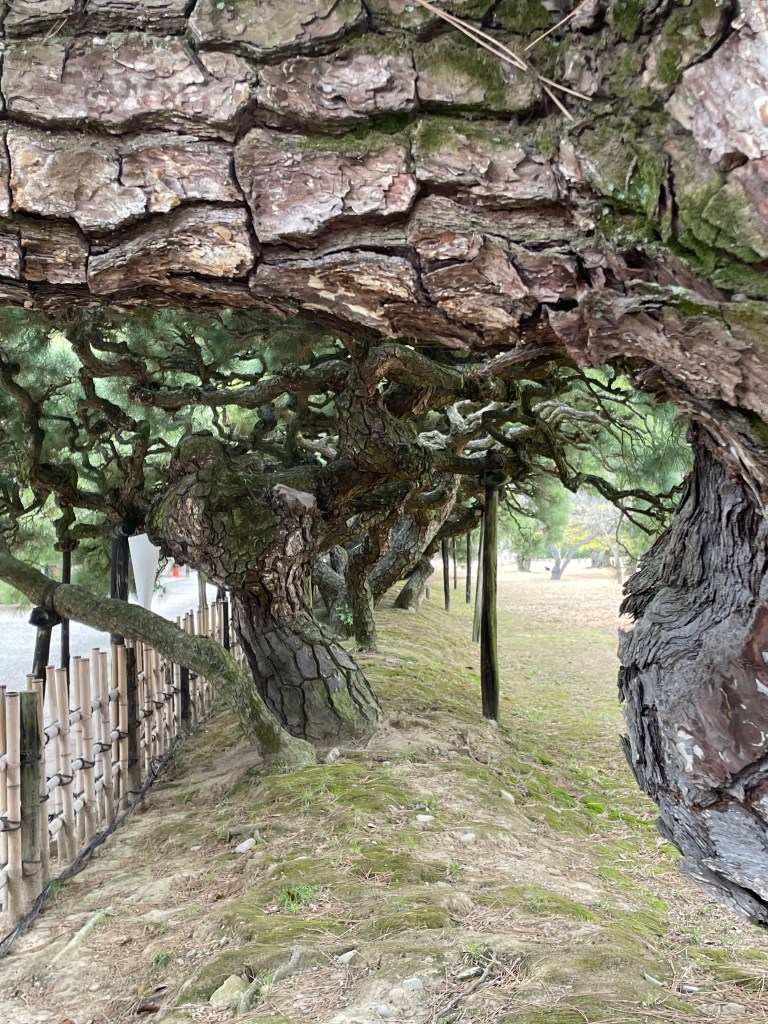
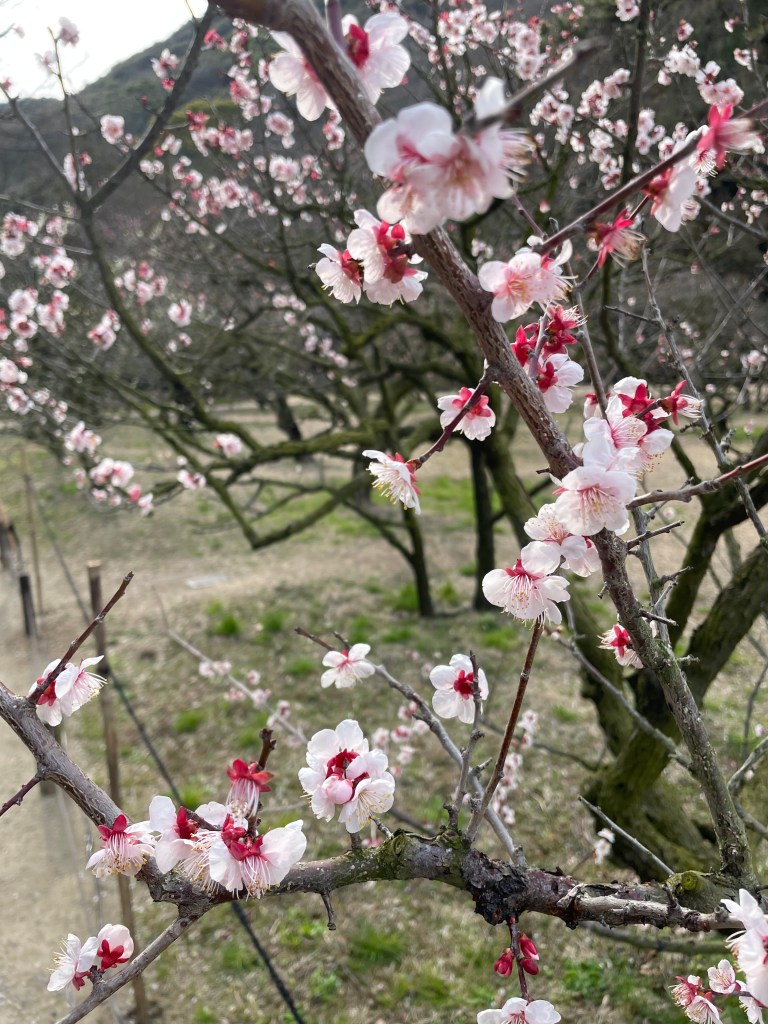
We visited several beautiful and calming Japanese gardens. They do create alluring places. There was colorful koi fish in the ponds, graceful bonsai trees, ancient gnarled black pines, stones and bridges placed strategically for effect, and although the Japanese maples didn’t have leaves, you could tell they added to the landscape. As I mentioned, the cherry trees weren’t quite ready to unfold but there were many plum and peach trees that will filled with gorgeous pink and salmon colored blossoms. I saw a lot pf plum trees on my hike as well as a tree that had a deep red flower with a yellow center. I noticed lots of trees with bright orange globes dotting their canopy. I’m not sure if there were yuzu, oranges, mandarins or something else. And the bamboo groves were magnificent. Driving through the country, you could see the mountains in almost every direction covered in green pine trees or the yet empty branches of the maples. Almost 70% of Japan is mountains. We were lucky enough to see Mt. Fuji. Over two hundred forty-five days a year it is covered in clouds and on the remaining 120 days it is often partially concealed. We had a bright sunny day with excellent views of the 12,000 foot, snow covered peak.


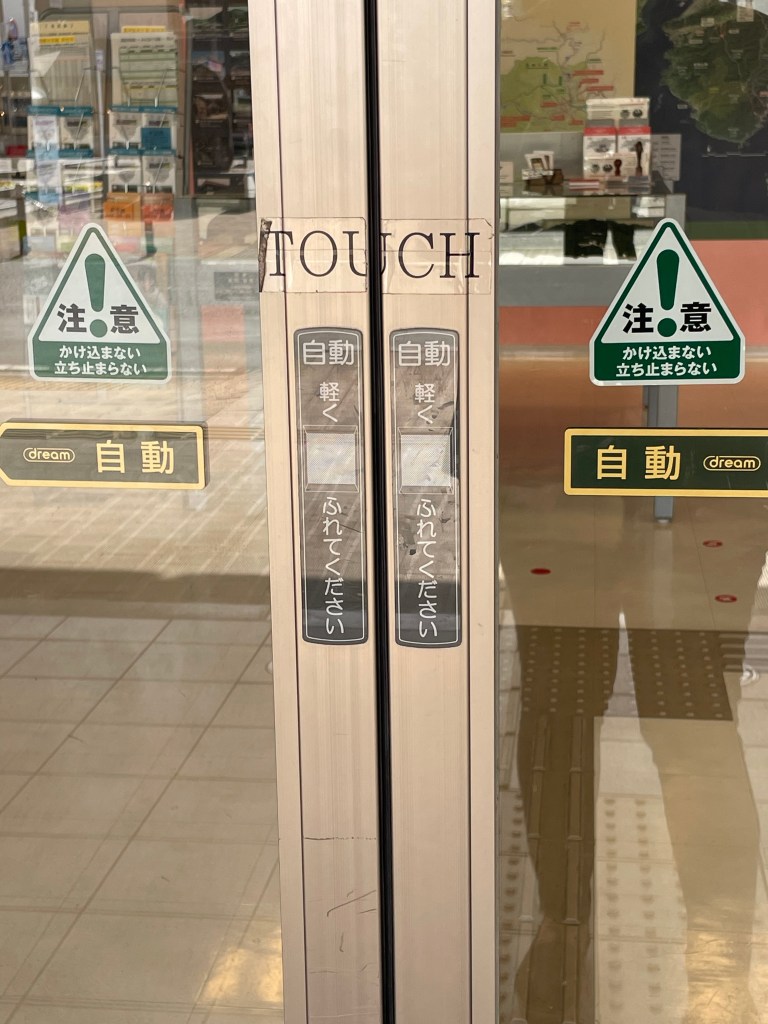
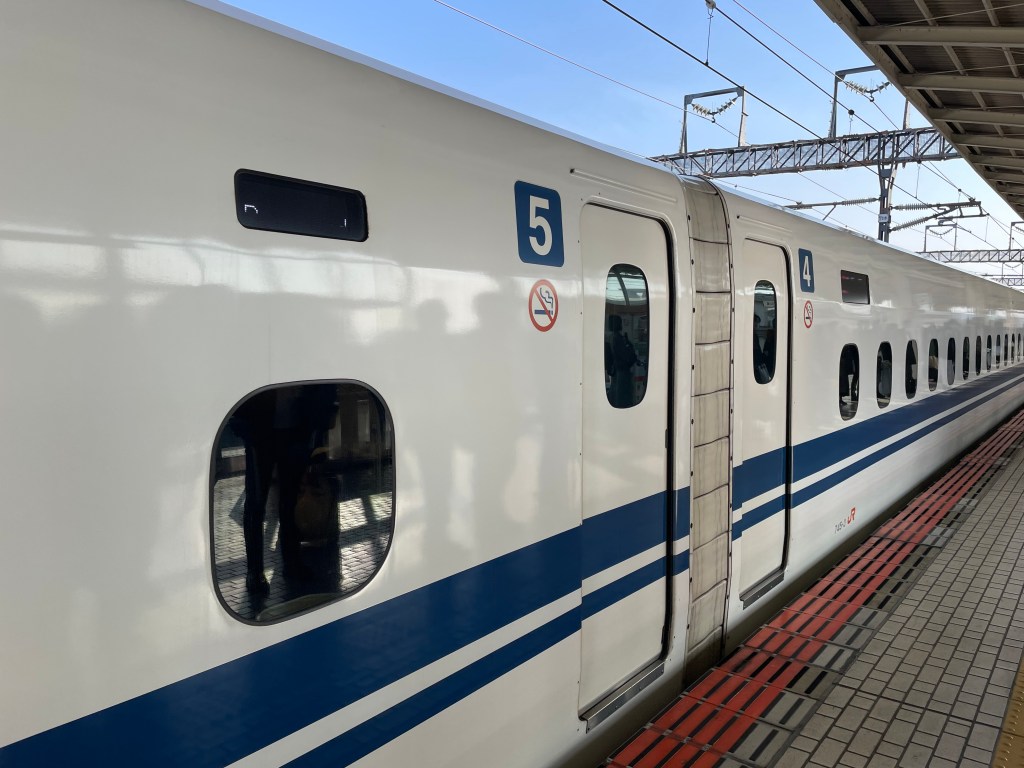
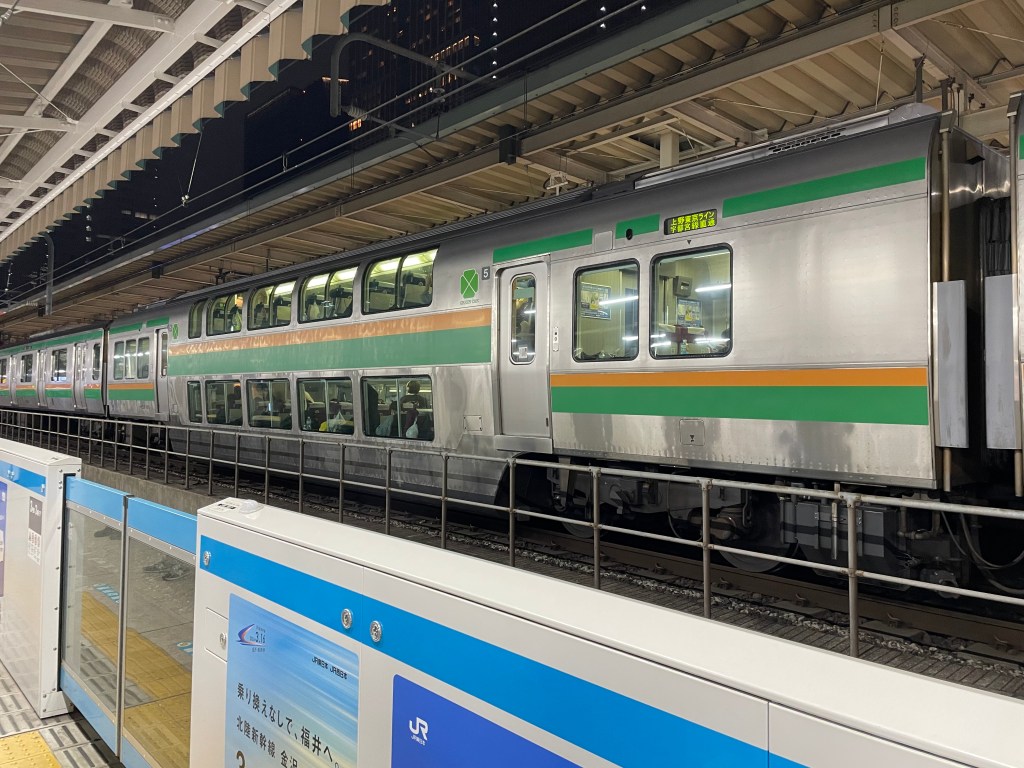
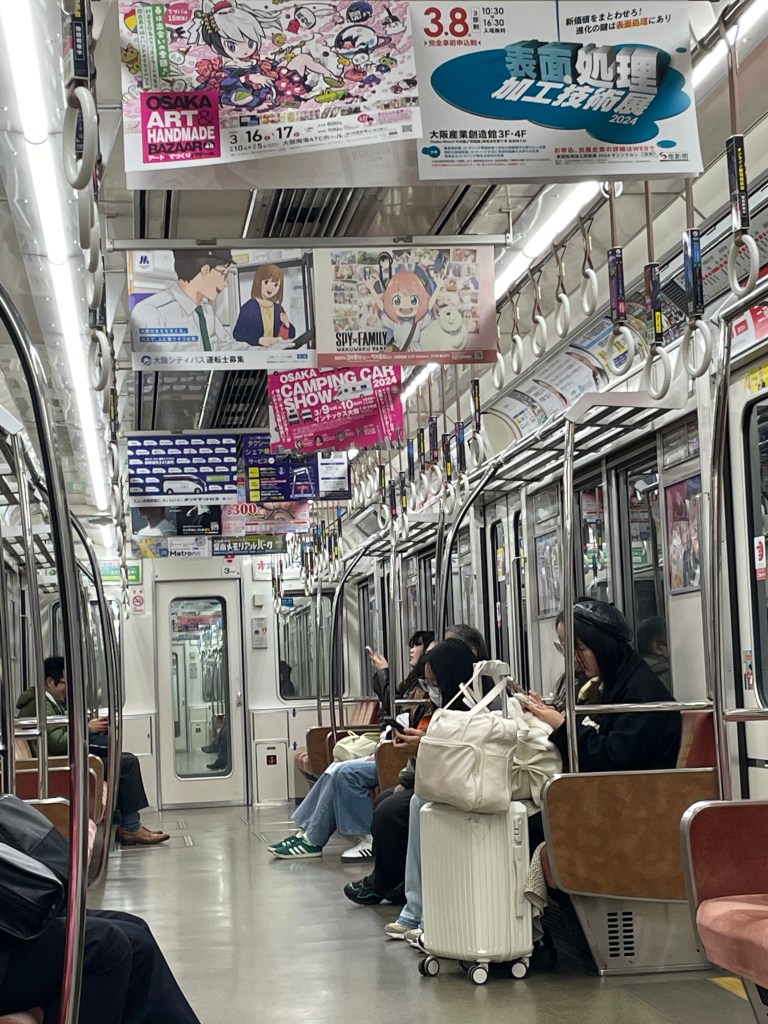
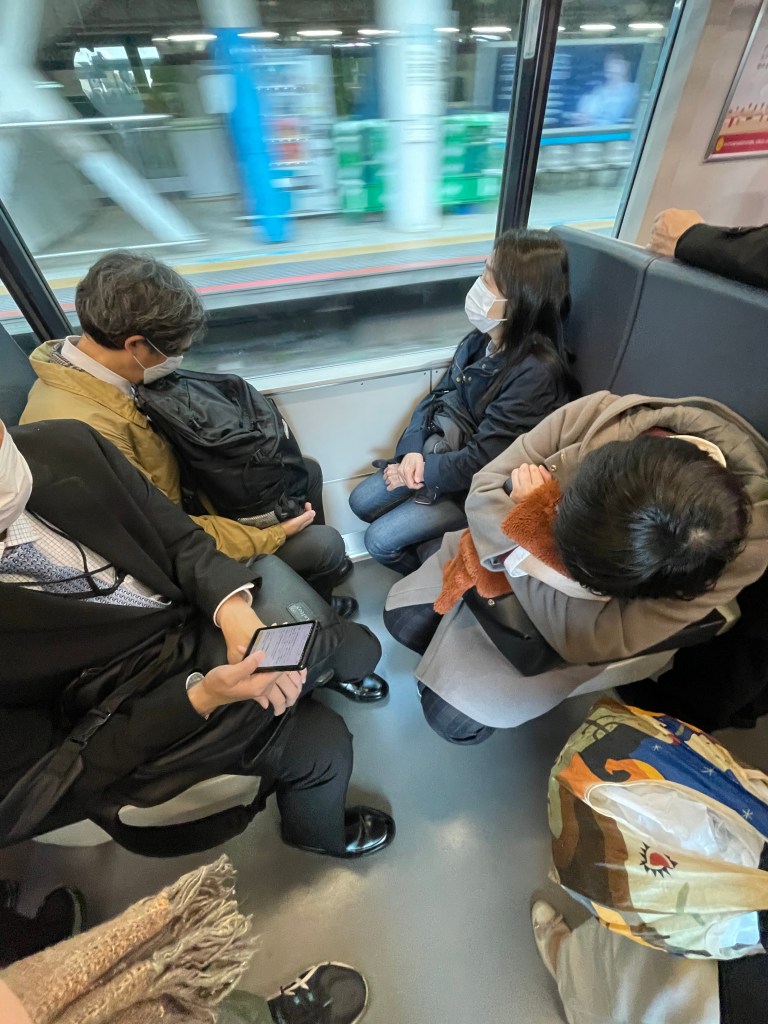
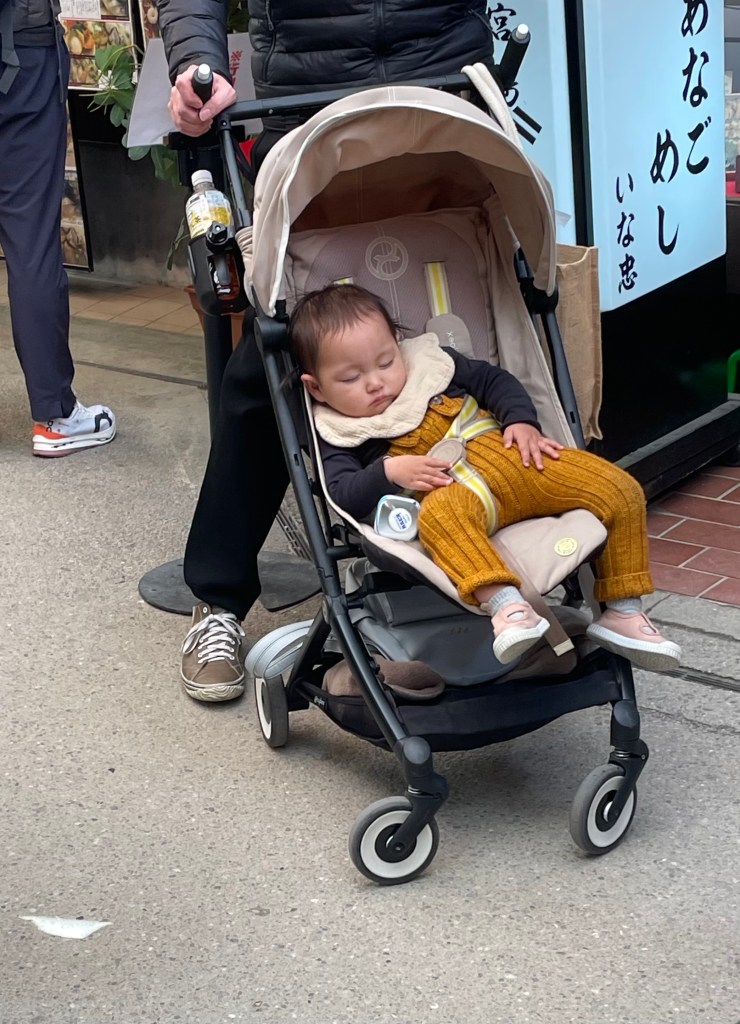
Japan has an elaborate system of trains, buses and subways making it easy to get almost everywhere. I rode the train for three hours from Osaka to Tanabe and back for my hike. The cars were comfortable and clean. I only had a short ride on a bullet train, which can go up to 200 mile per hour. And they’re making one that will go even faster. They’ve had fast trains since 1964. I took subways to Disney and back and for various other outings in Osaka and Tokyo. People work long hours here so it wasn’t unusual to see them sleeping on the train. In Tokyo, their commutes can be an hour or more to live in affordable areas of town. Children as young as 6 ride the trains to school and back. Often, ‘aunties’ on the train will ask where their stop is so they can wake them up when they reach it. On one ride during rush hour, so many people pushed into the already crowded car when door opened, we were all smashed up against each other until people starting getting off further down the line. I had heard that they have staff at busy stops to cram people onto the train. The stations sometimes can be 3, 4 or more layers deep with lots of steps and escalators, but everything is color coded so it’s pretty easy to follow if you’re not in a brain fog. Tickets are purchased at a machine. They also play music on the platforms to let you know a train is coming or about to leave. Each station has their own soundtrack with more lively tunes when the doors are about to shut. When using a taxi, you never have to open or close a door, they do it automatically- I guess with a push of a button from the driver.
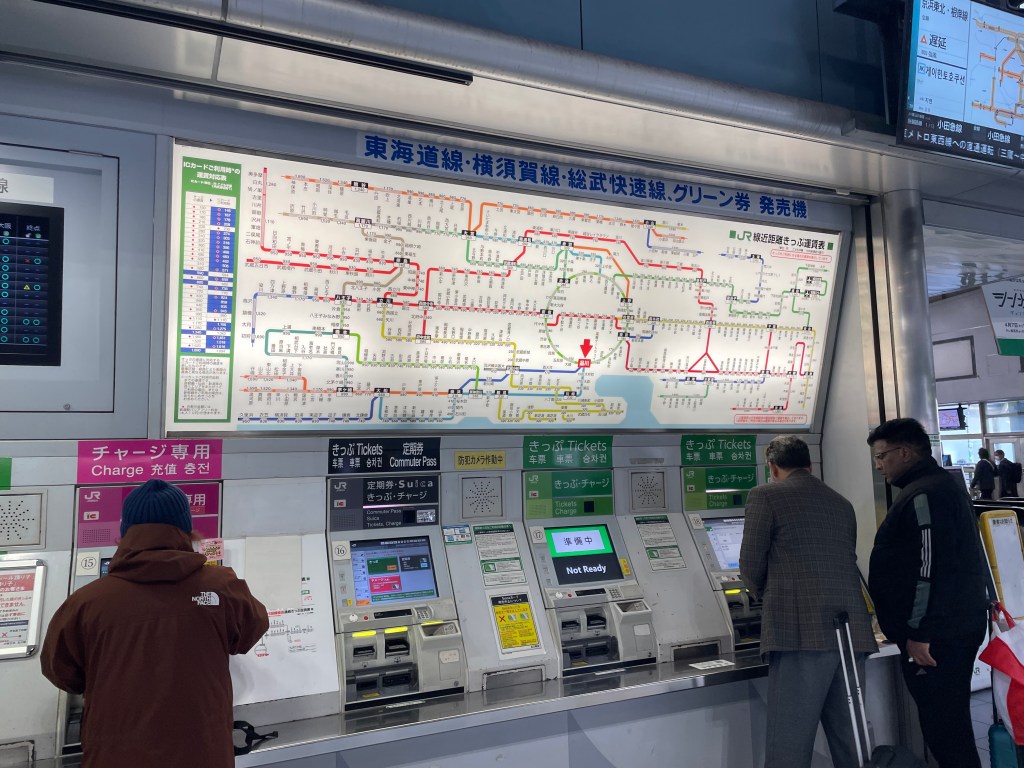
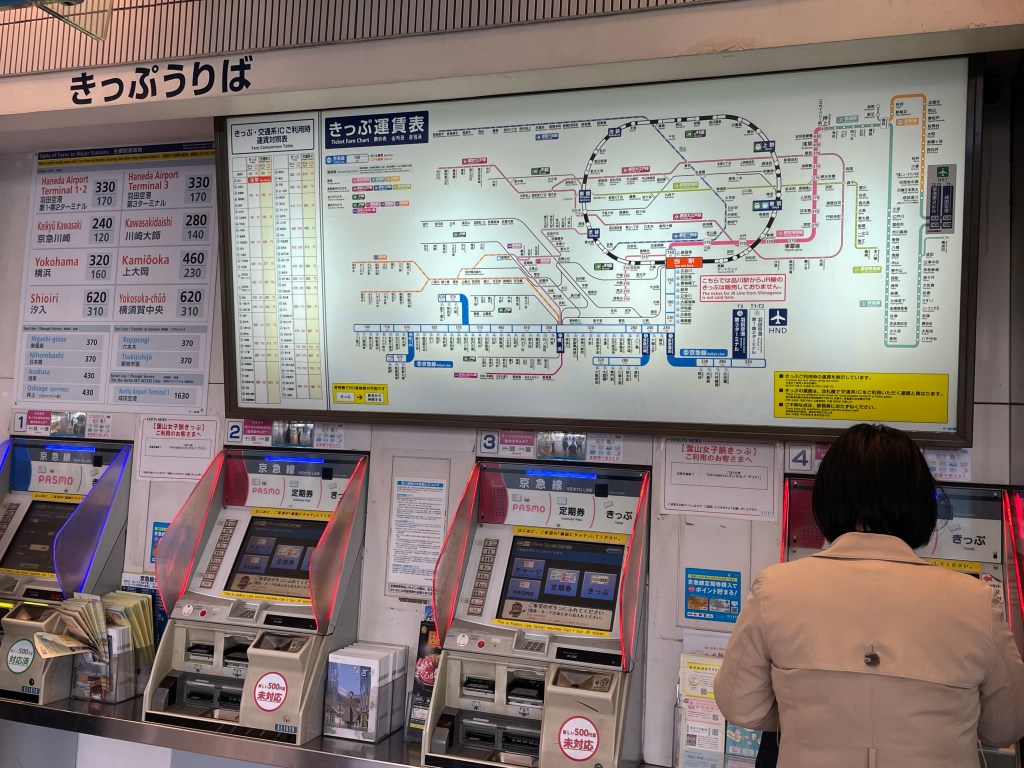

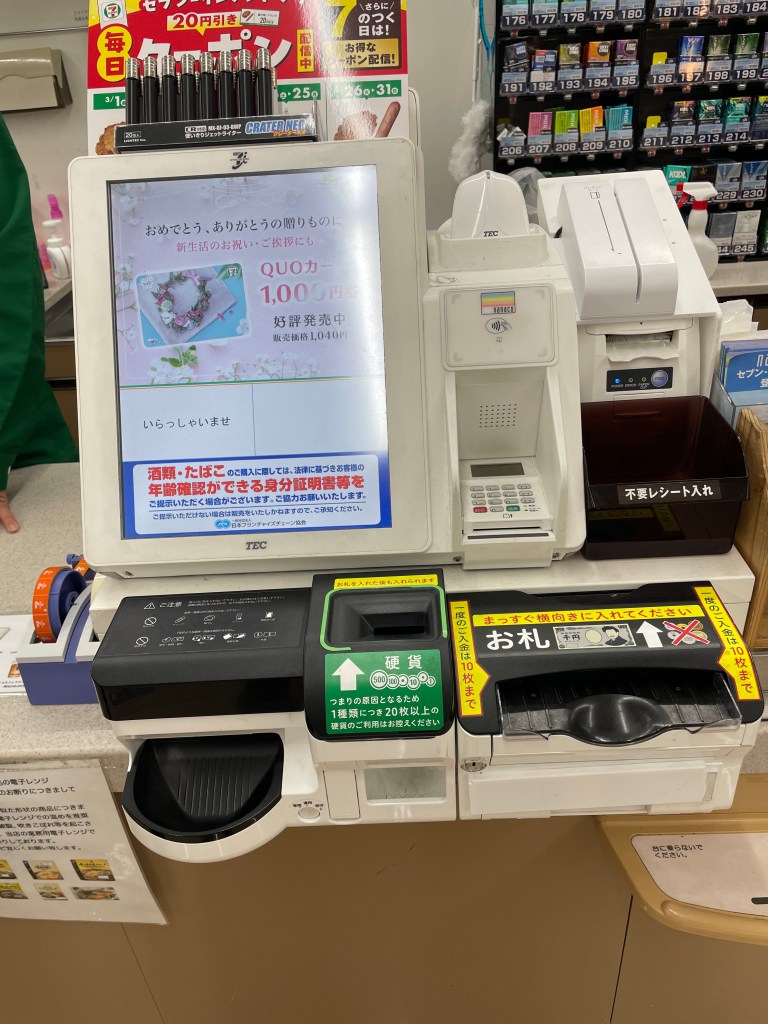
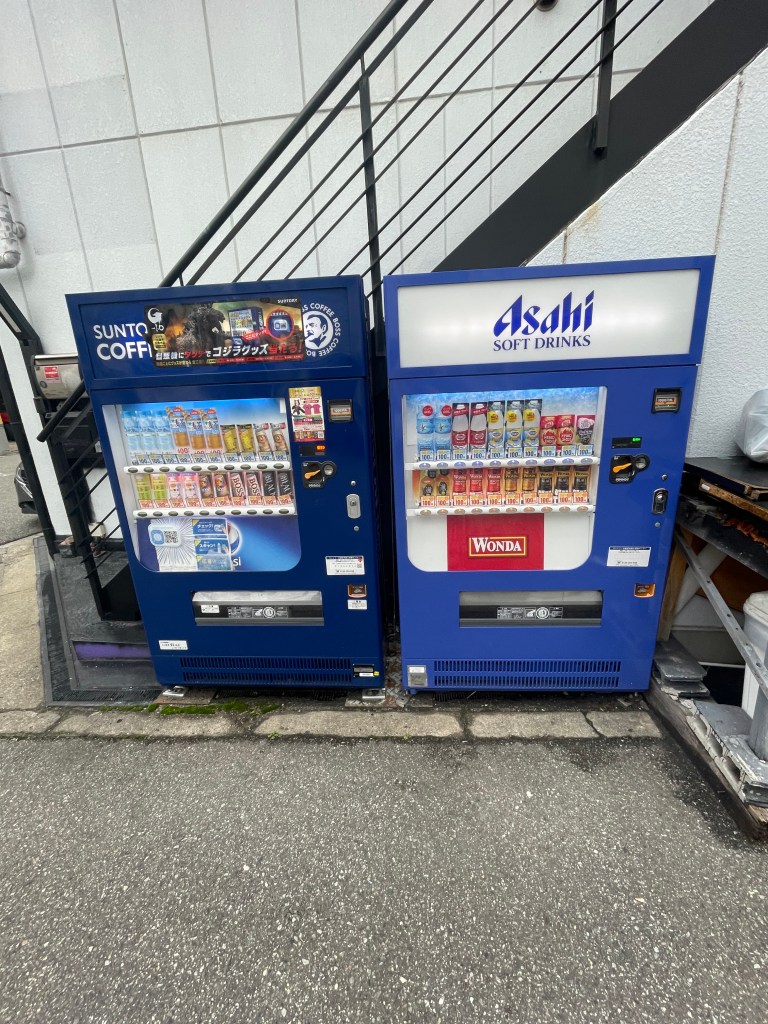
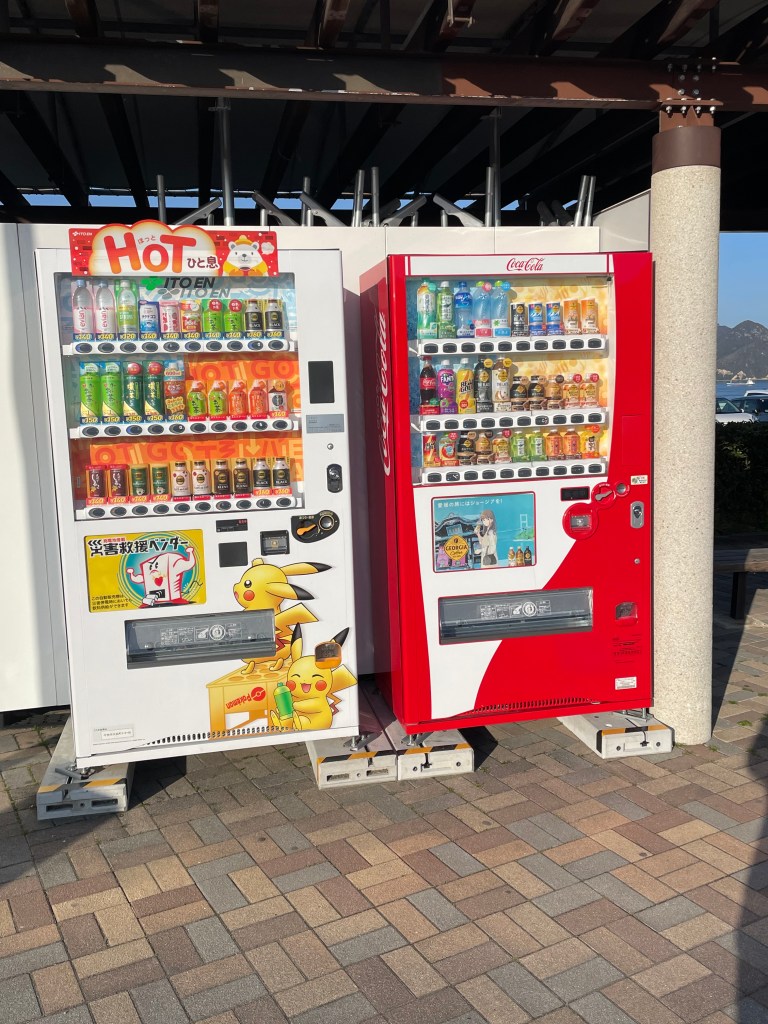
A lot of stores and restaurants have machines too for taking your money and making change, versus the clerk doing it. Here they use a lot of coins – 500, 100, 50, 10, 5 and 1 yen coins. My purse was always heavy and I was constantly looking for the right change. Subway trips cost 180, 230, or 380 yen for rides within the city, that’s a $1.20 to $2.50. Meals could be as low as $6 and $18 or $20 meals were considered very expensive for the average Japanese. Women are the money managers in Japan, husbands normally just hand over their checks and get an allowance for beer and snacks. The women also make the decisions about their children’s education and many other things in the family life. Three hundred years ago, women got their first jobs in Japan – as geishas. This is a country of vending machine, there is one for every 23 people. They’re filled with cold and hot beverages as well as alcoholic drinks like beer, saki and plum wine. While most countries are struggling to create enough housing for its population, Japan has over 8 million vacant homes. When parents die, the children do not necessarily want to inherit their house as inheritance taxes are 40%. Plus many are out in the rural areas and more and more people are moving into the cities. So they’re just left empty. Farms too are not being taken over by the sons. One reason is because they will have a hard time finding a wife. Japanese woman desire light skin, so working on a farm is not something they are willing to do. Much of the land is being covered in solar panels to provide needed energy. All their nuclear energy plants were shut down after the 2011 tsunami and the destruction of three nuclear reactors and the ensuing radioactive contamination.
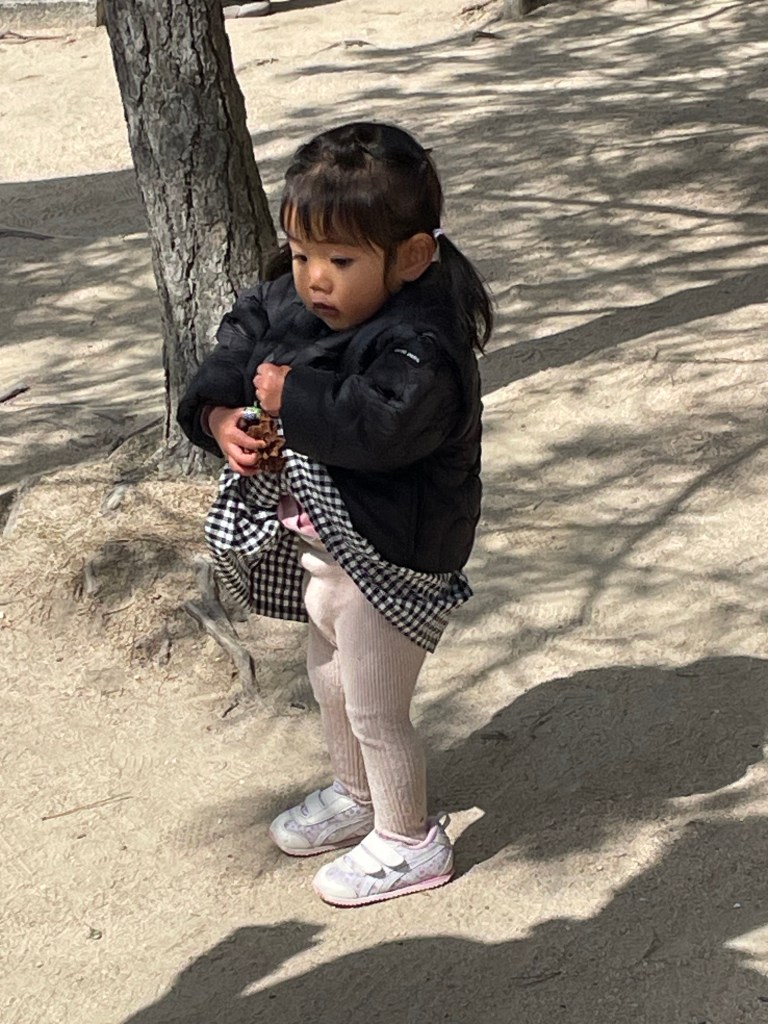
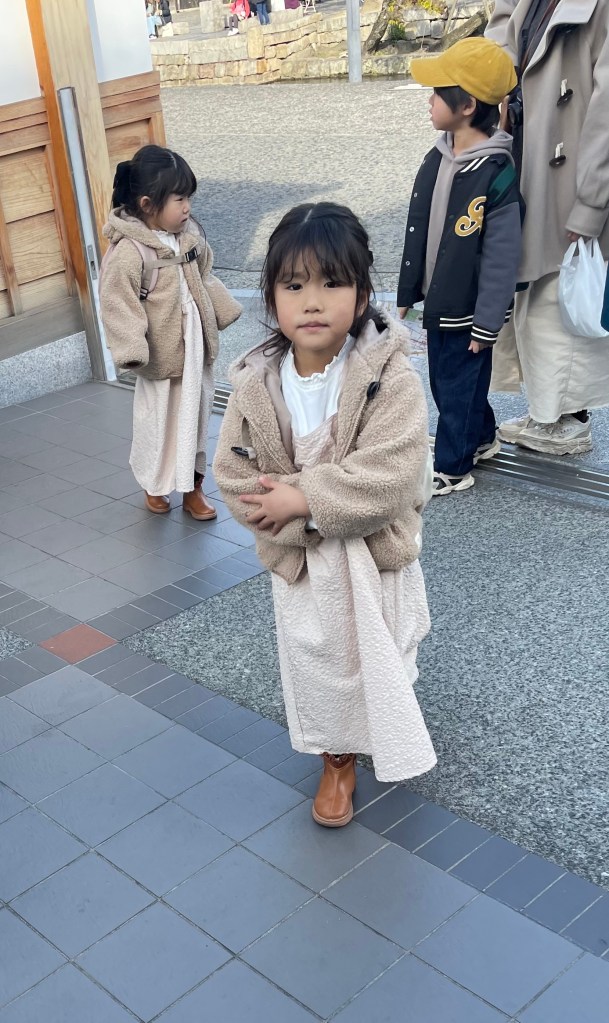
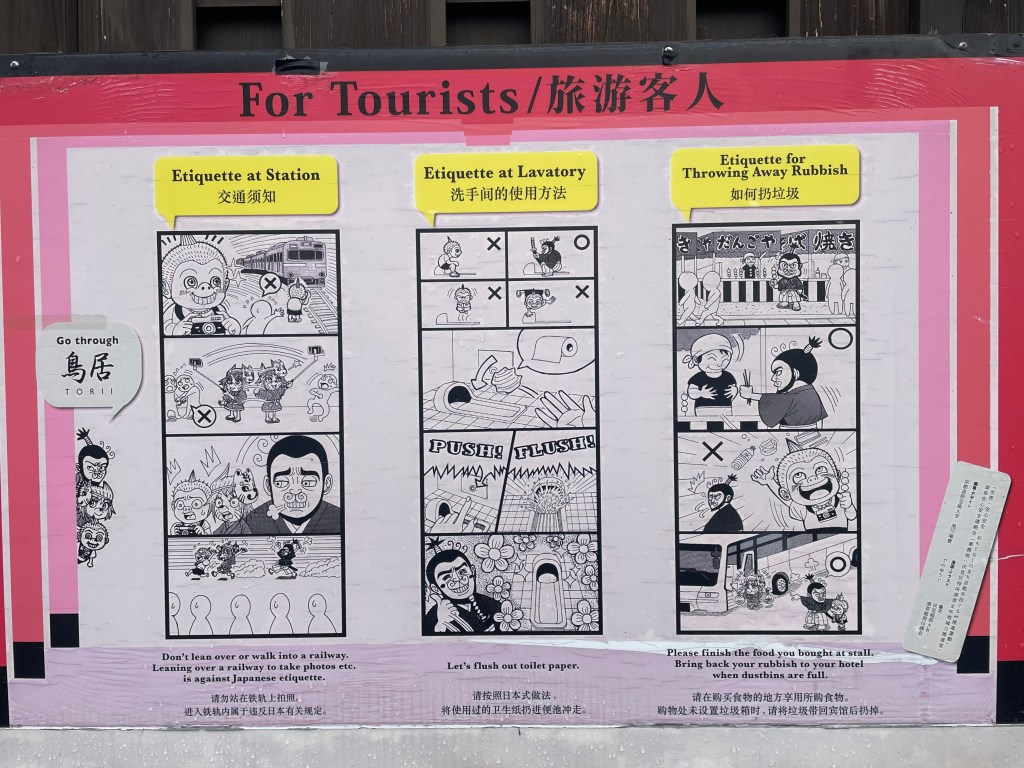
People pretty much dress like we do at home – pants, skirts, dresses, shirts, sweaters, and jeans. But there is not a lot of color here, most everyone is dressed in white, blacks, browns and dark blues. My peach colored coat definitely stood out. I saw many used clothing stores, even in the malls. Our guide said since the 1990’s, Japan’s economy has struggled and people are a lot more frugal. Once there would never consider used clothing, now it’s everywhere. There are a lot of platform shoes, sometimes as tall as three inches – they could be running shoes, dress shoes or boots. I don’t know if it’s a style thing or they just want to be taller. I don’t feel terribly tall here, I mean there are a lot of very short people but there are many tall ones as well. It’s interesting how clean it is in Japan, given that finding a trash bin is near impossible. After the 1995, sarin gas attack, trash bins were removed so people carry around a plastic bag in their pocket or purse to put their trash in and then take it home to dispose of it.
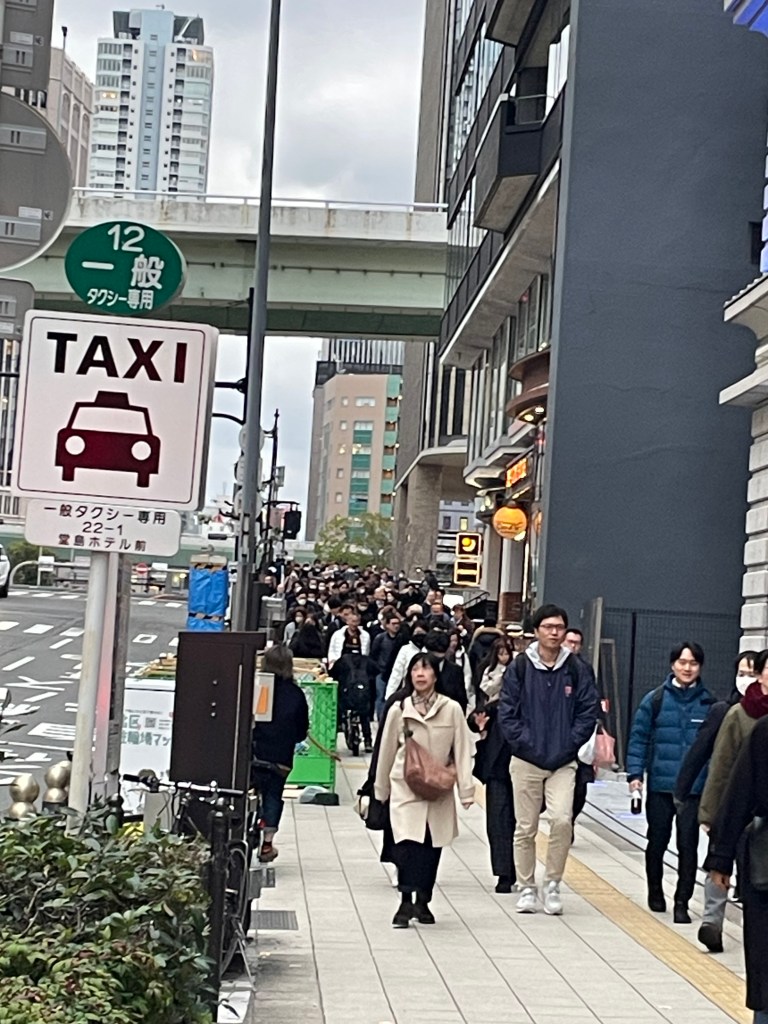
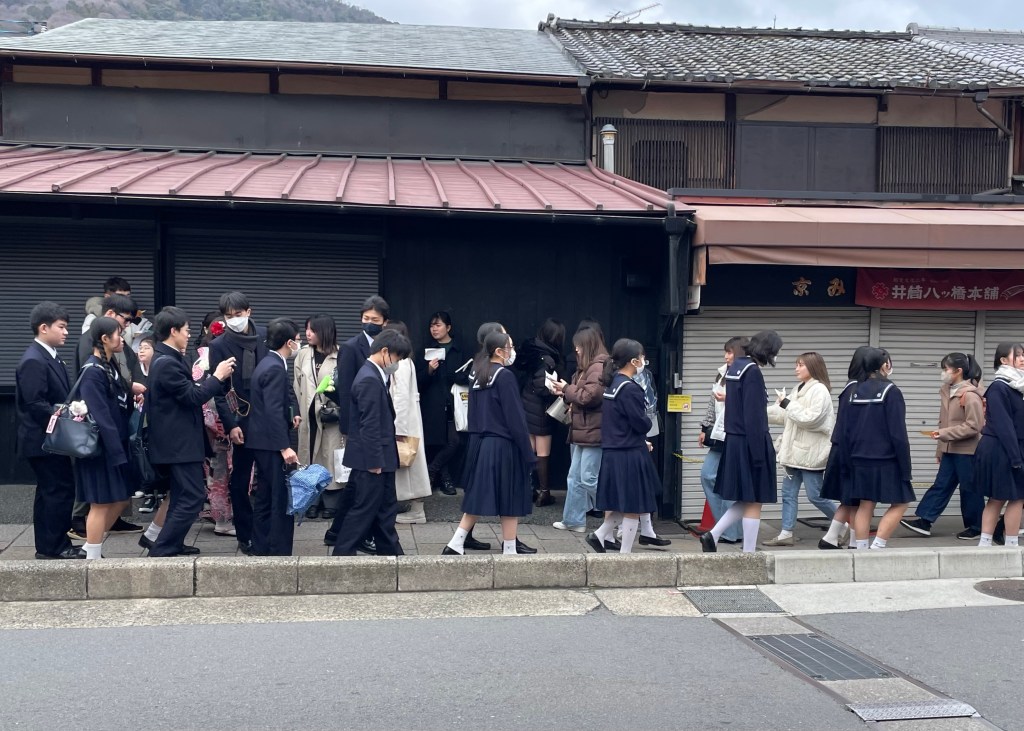
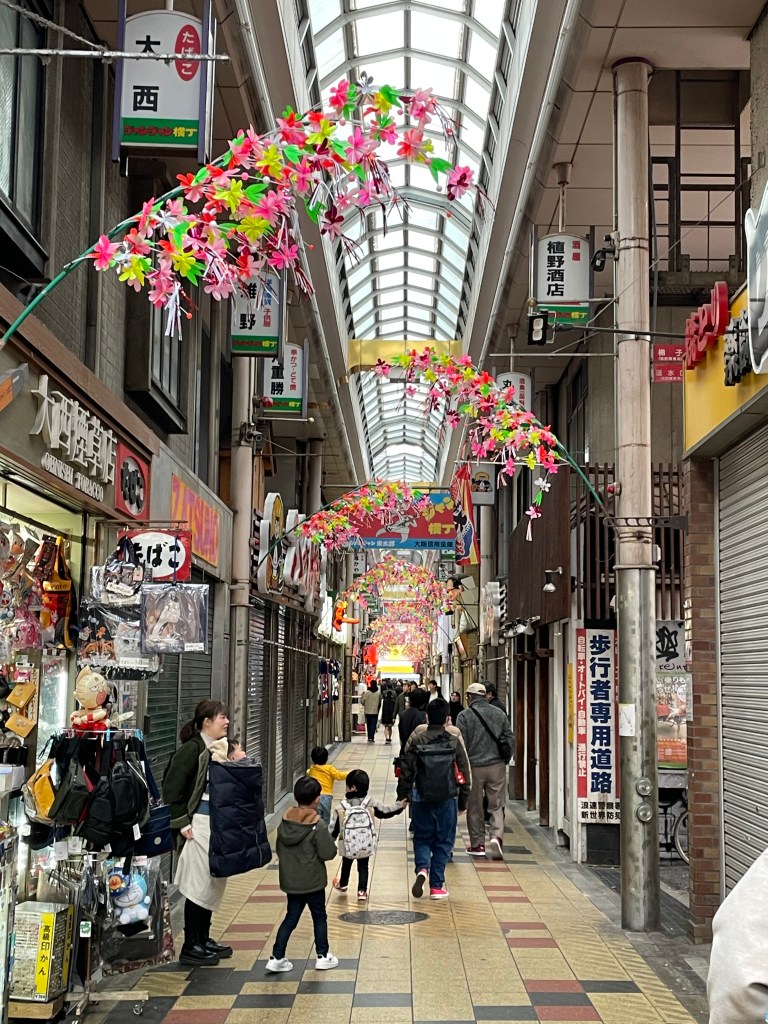


There is not a lot of English spoken here, except in the Western hotels, even then they have some difficulty. But people really do want to be helpful, so with gestures, a few shared words, pointing at maps or words on my phone, and occasionally needing to use my translation app, I’ve been able to communicate. I appreciated the man who helped me get on the right train the day I had the worse brain fog. I wandered around for about 20 minutes before I found the station and was really struggling. He didn’t speak English at all, but we managed to find the train I needed and he watched until I made it to the right platform. A mailed two packages home and both times a clerk spent a lot of time with me, helping me through the process, until the box was sealed and labeled, with no more than a few words. It’s a little disconcerting not to fully understand a menu or be able to ask clarifying questions but I didn’t die or eat anything gross. I asked an Aussie bartender, who was speaking Japanese to customers, how long he had lived here and if the language was hard to learn. He said he lived in Japan for twelve years and was still learning. It is a very difficult language, according to him.
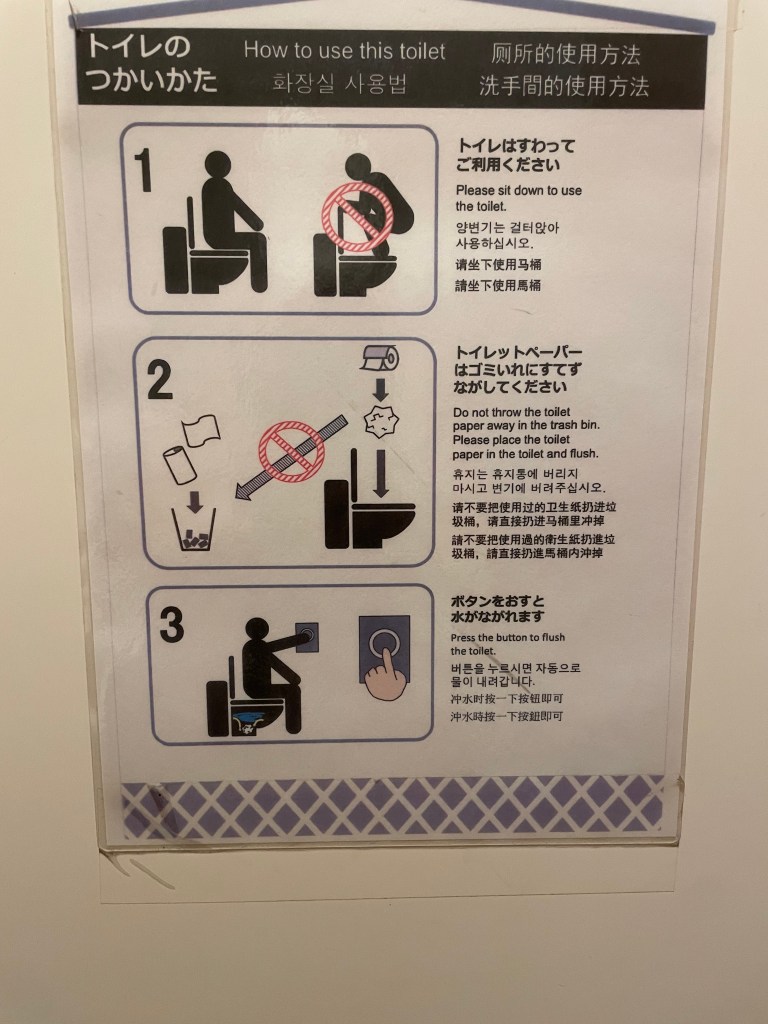
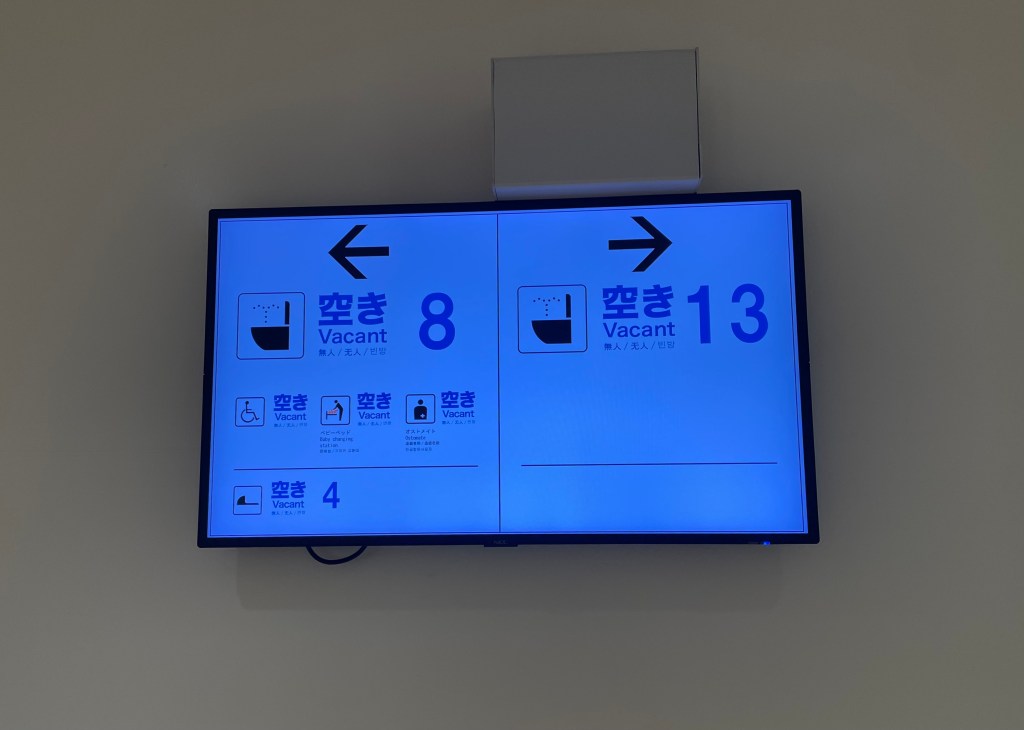
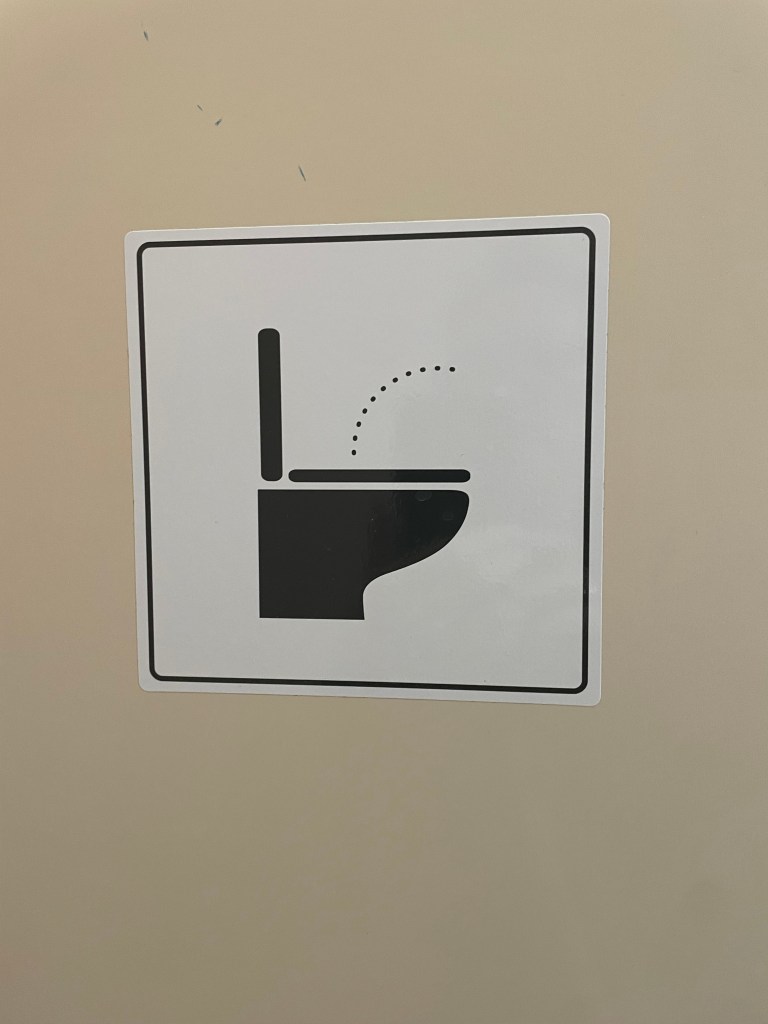
A final note, and I will let you go. Toilets. You know it’s my favorite subject. You have to admit they’re pretty useful and universal. But I have fallen in love with warm toilet seats. I call them fancy toilets, because keeping your butt warm is just the start. The array of buttons on the console can be a little overwhelming at first but you get used it. In some cubicles you can play music for privacy. Some have the sound of running water in the stall – to stimulate you? There is a button to send a stream of water to your backside, another for a spray to your front region, some have blow dryers, some flush on their own, and some open and close as you enter and leave the room. They may do more things but I haven’t tried all the buttons, but what else could you want. And do you really need all that? The warm seat is enough for me.



Japan wasn’t originally on my itinerary, I only decided to go when I learned about the Kumano Kodo Trail. But I am so glad I added it, as I enjoyed everything about it immensely, even the fish. I just learned, I can’t eat that much animal protein. I do think though that doing it alone would have been hard for me, as personal interactions would have been very limited, and I need that on a regular basis. So I was glad to have met Andrew during my hike and to travel with the small, mostly American group on my tour. We didn’t bond as much as other groups I have been with, but I enjoyed meeting and talking with them all.

Book List:
A Tale for the Time Being by Ruth Ozeki
Tokyo Ueno Station by Yu Miri
The Old Capital by Yasunari Kawabata
Next up: Korea


 Where in the World is Debra Grimes?