“We live in a wonderful world that is full of beauty, charm and adventure. There is no end to the adventures that we can have if only we seek them with our eyes open. “- Jawaharlal Nehru
October 2 – November 1, 2023
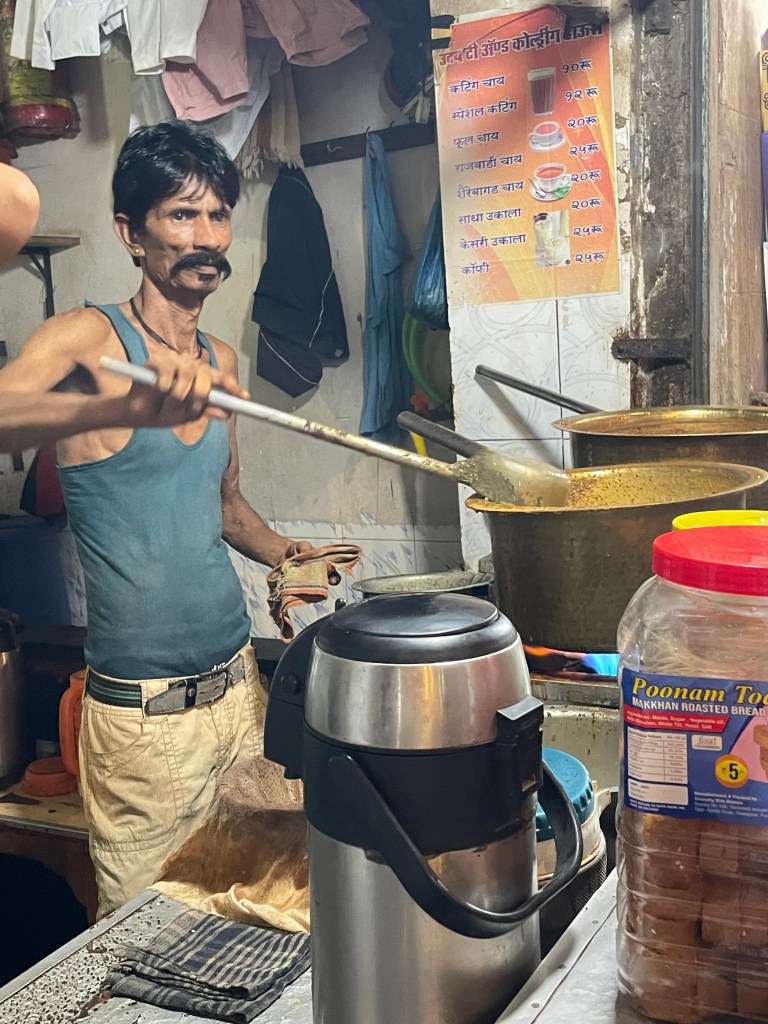
Chaotic, colorful, cacophonous, changing, captivating, complex, calming, and considerably more. I spent a month in India, traveling for two weeks on a tour, with a great group of people, through Delhi, Agra, Ranthambore, Jaipur, Jodphur, Deogarh, and Udaipur; then attended a wellness and yoga retreat in North Goa for a week; followed by three days at the beach in South Goa; and 4 days in Mumbai, each a unique experience. Soon after I arrived, I was told that everything in India takes 5 minutes, all Indians are doctors, and that it’s always time for tea. These adages played out during my visit.

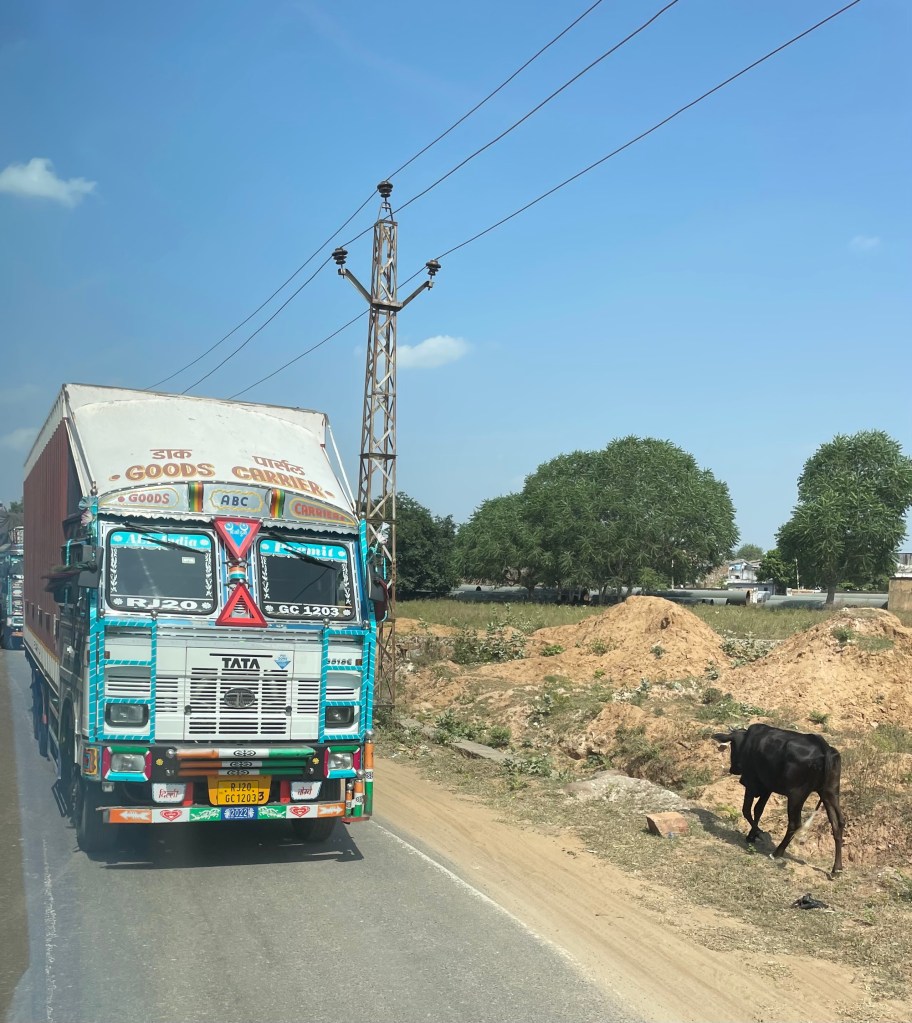
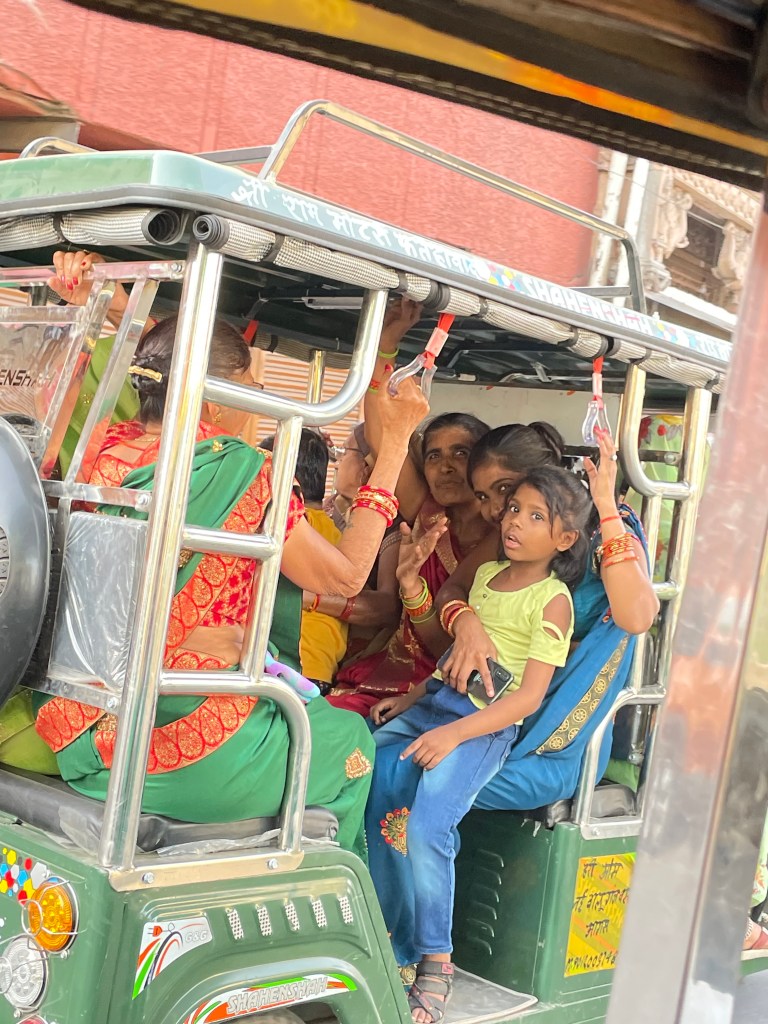
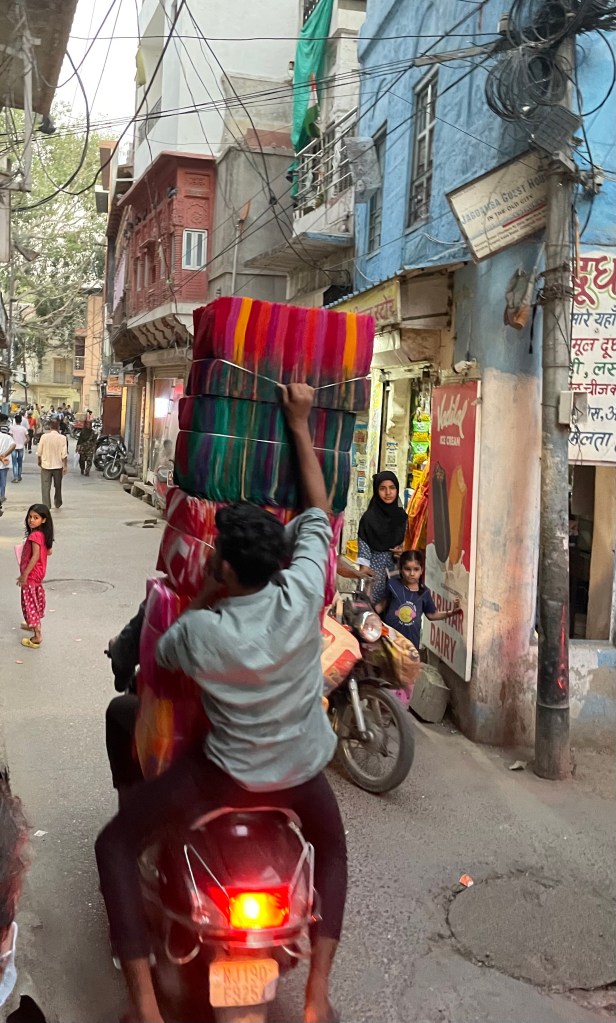
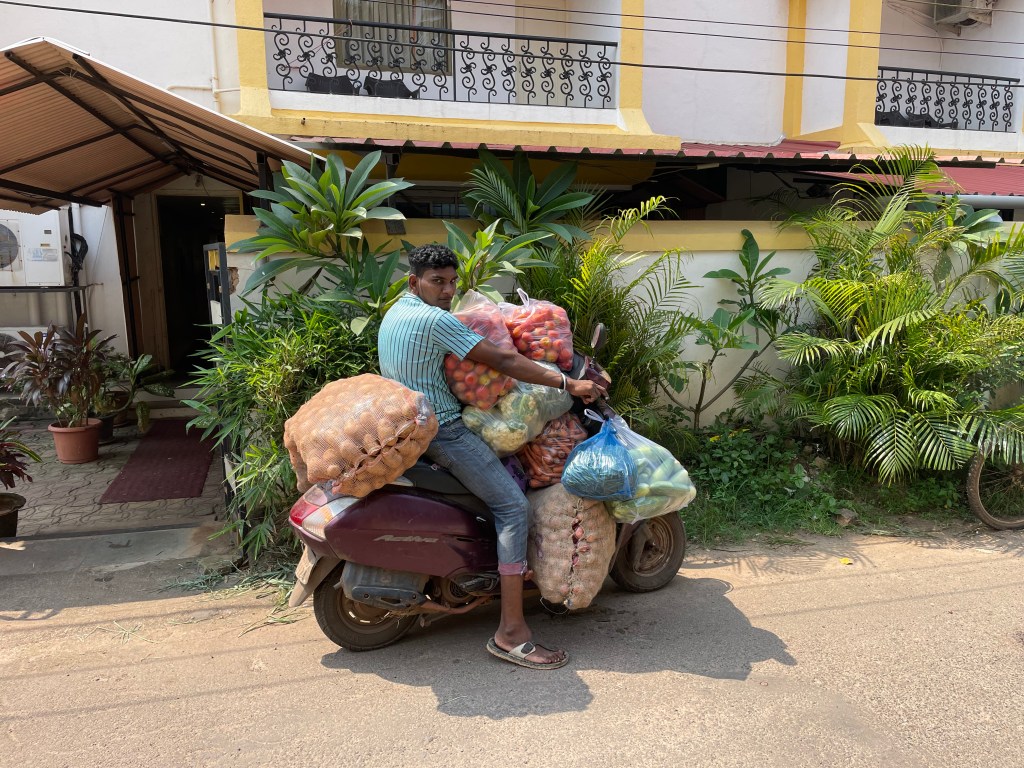
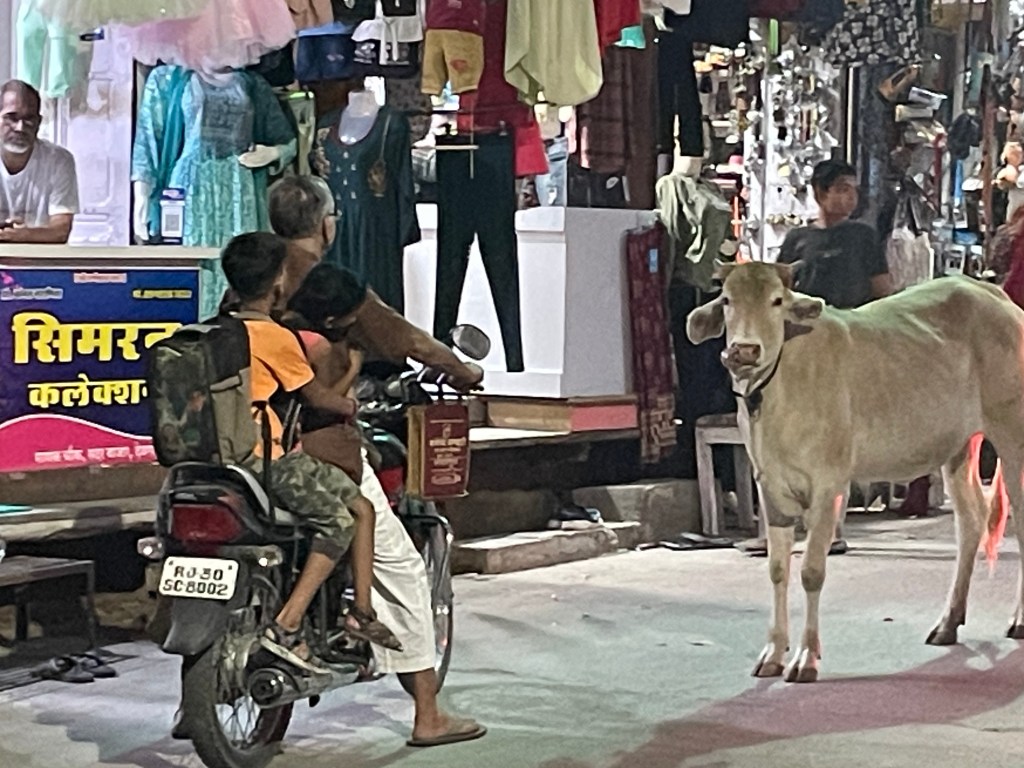
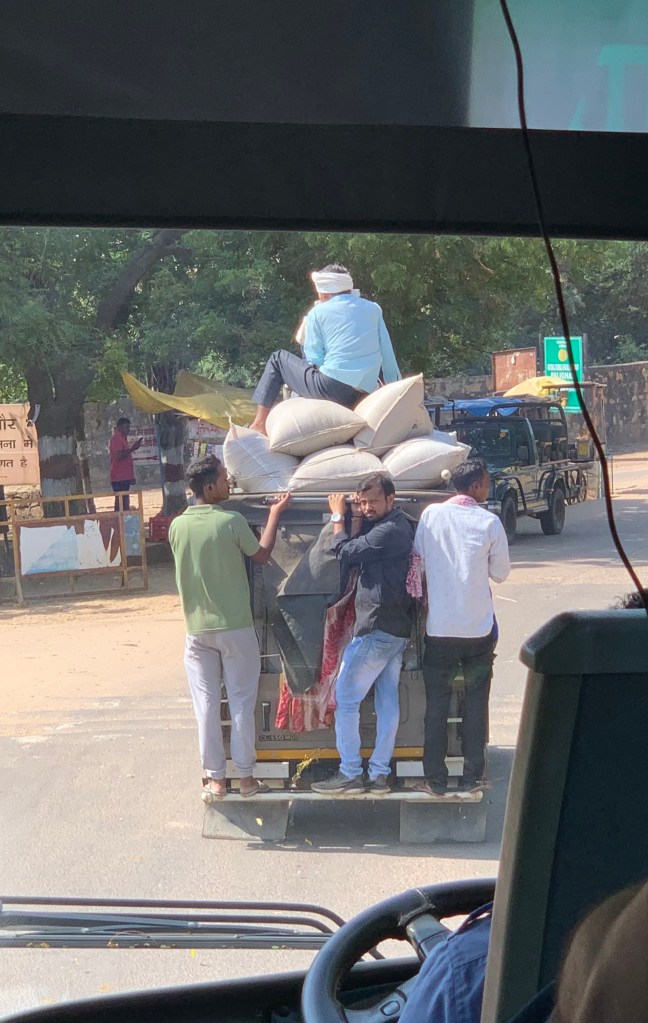
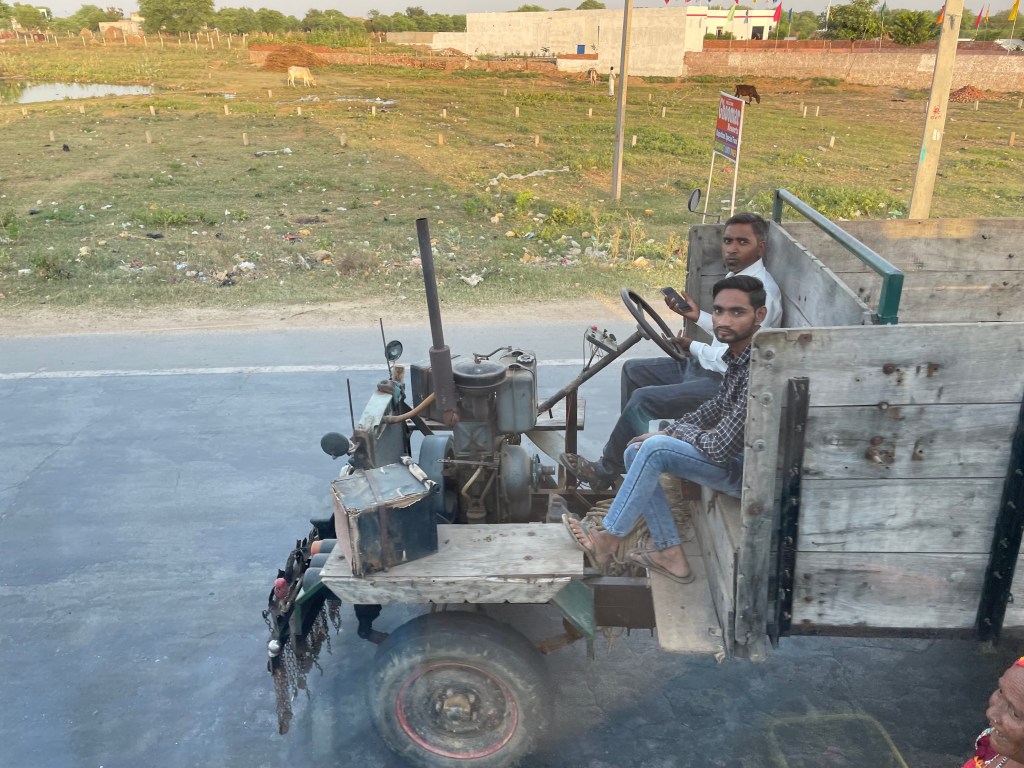
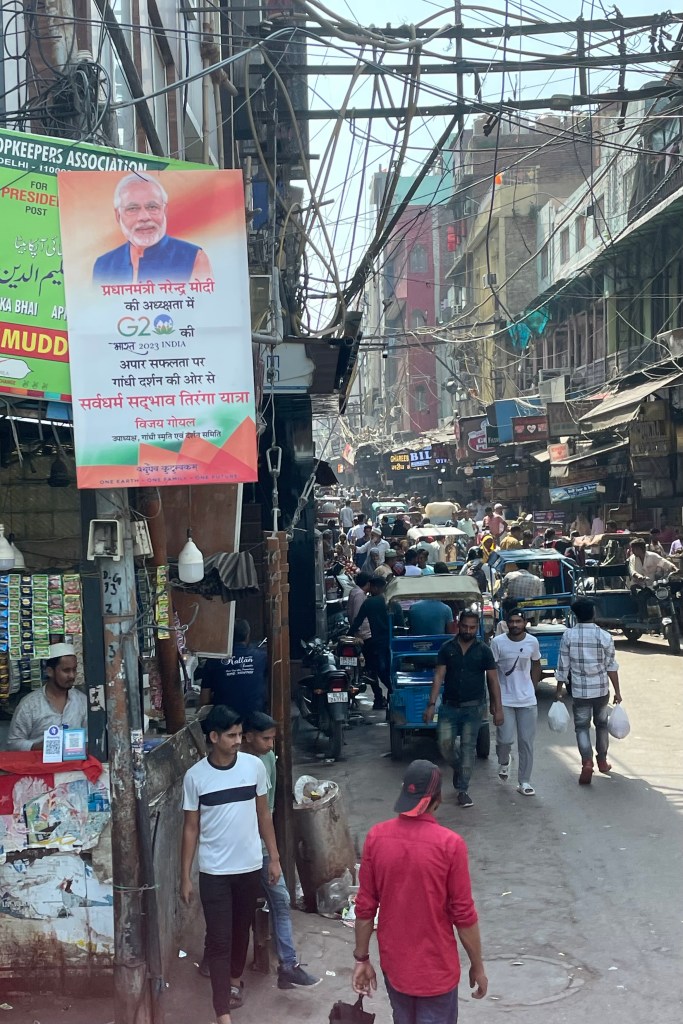
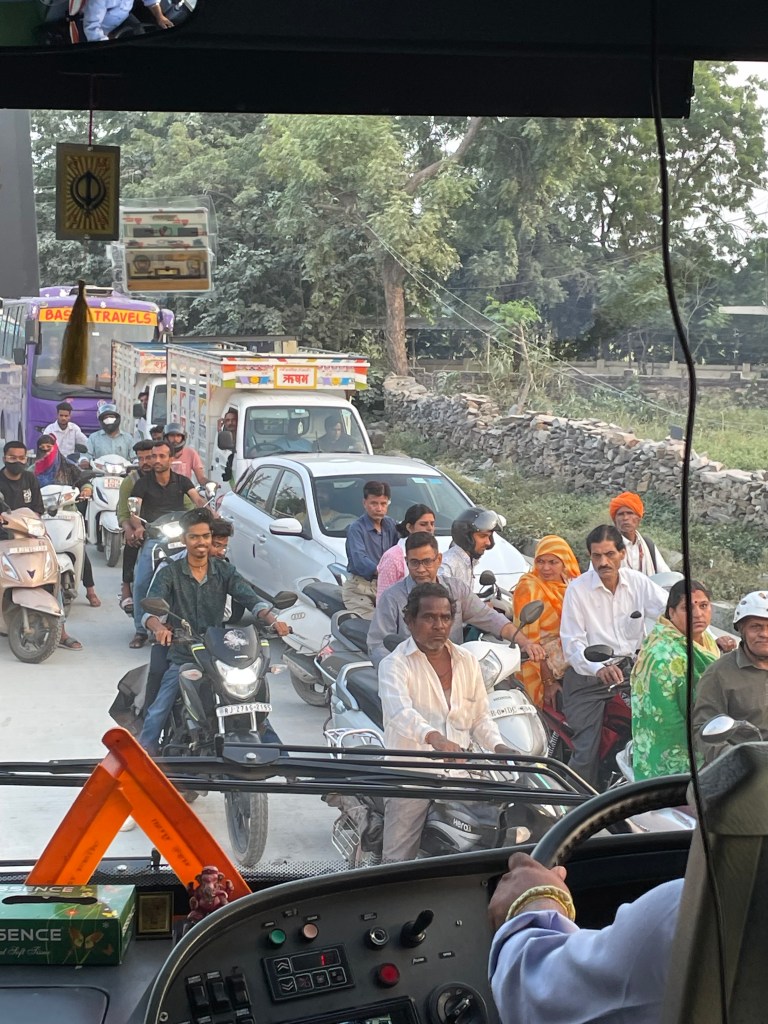
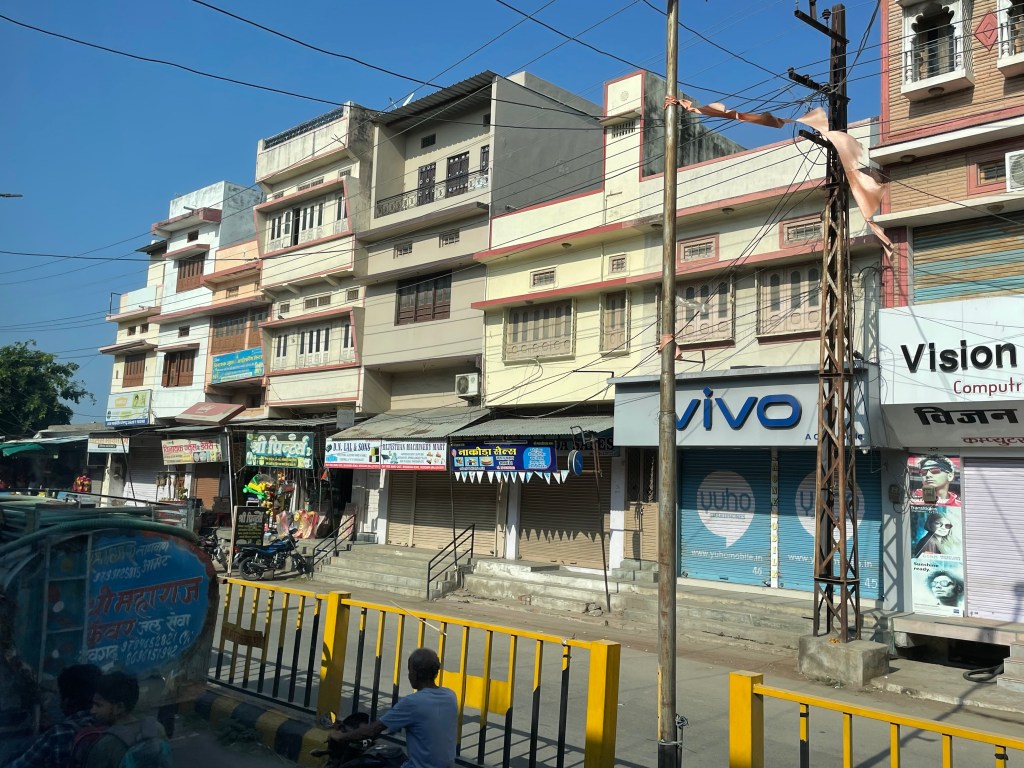
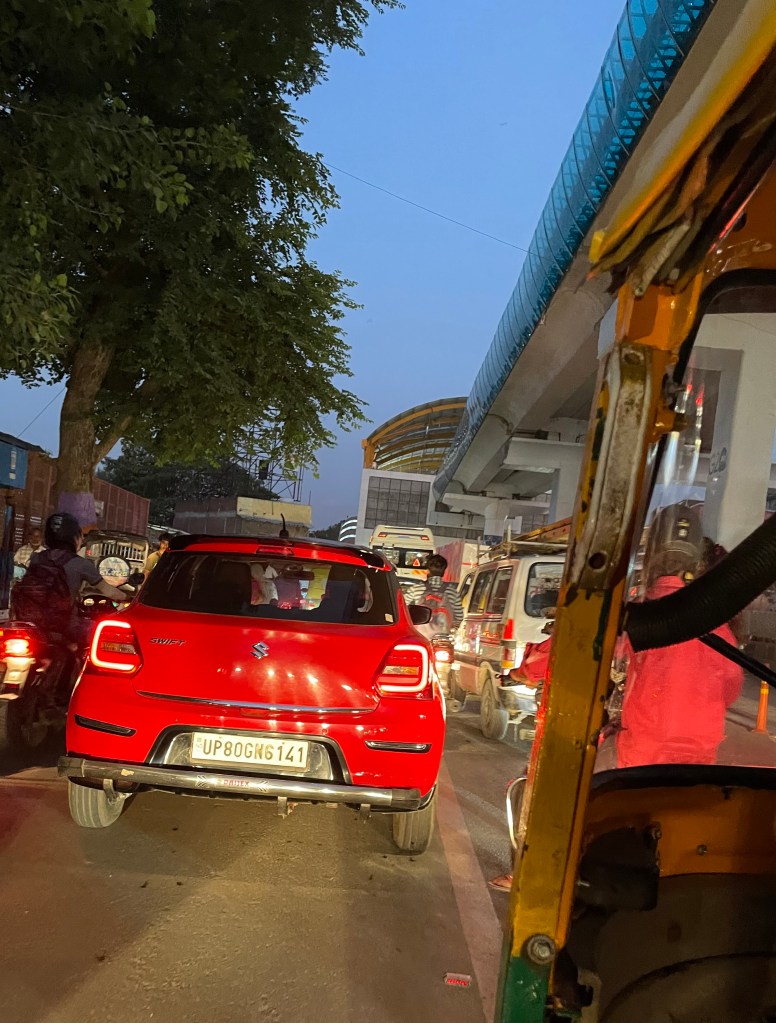
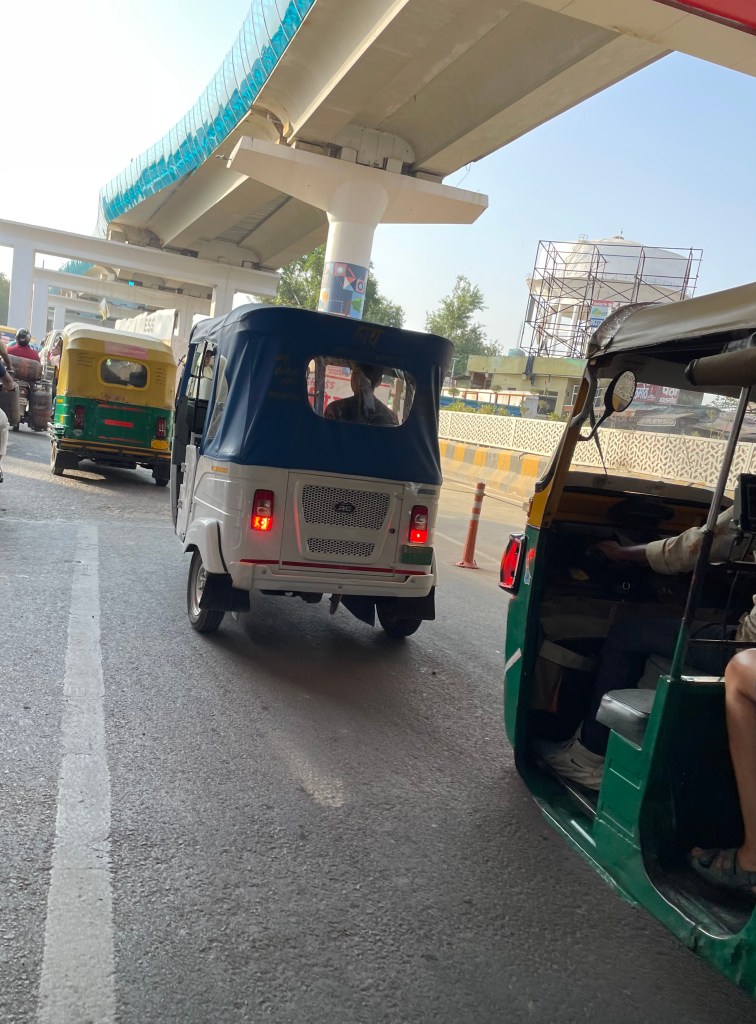
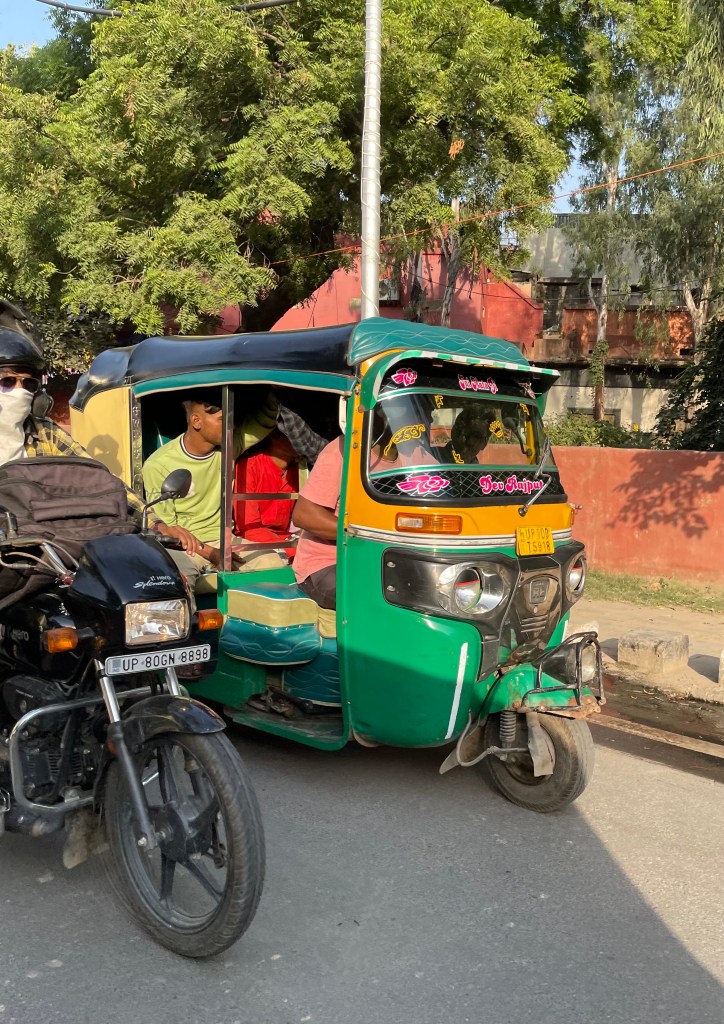
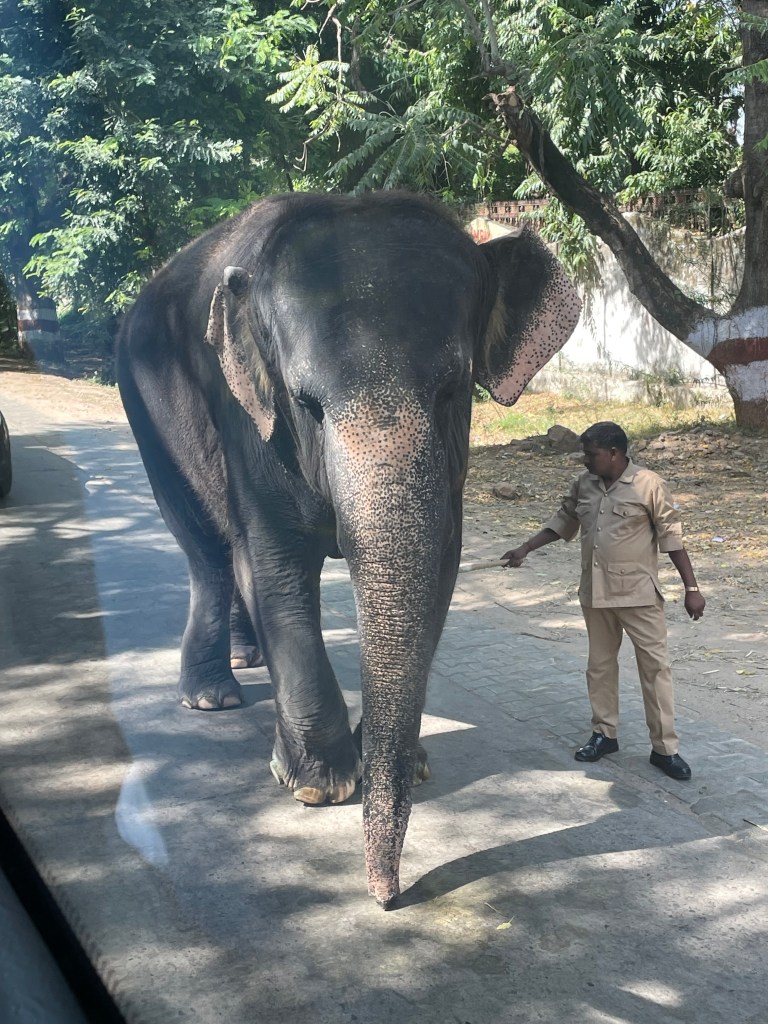
The first thing you notice about India is how chaotic it is. The roads in every town, village and city are jammed with traffic. Vehicles of all sort vie for space and wiggle through any opening they can find to get some place faster. No need to worry about lanes just find a gap and move ahead. Trucks, decorated with tassels, flowers and paint; buses full to the brim including the roof; motor cycles with sometimes 3 or 4 people on them or carrying precarious loads; tuk tuks or rickshaws driven by barefoot drivers filled like a clown car at the circus; all of them swerving around cows and dogs who have wandered into the street or are just lying there enjoying the sun. Then add the people walking along the road or crossing the constant flow of contraptions-just walk confidently through the pandemonium without looking at oncoming traffic and maybe put your hand up in a stop motion. And as an extra bonus many shops and carts spill into the roads with their goods and customers. It is amazing that there aren’t more accidents, but I only saw three and they were minor. I wondered why everyone was in such a hurry until my taxi driver in Mumbai showed me a possibility. He stopped at a convenience store and bought himself an energy drink, then said he needed it to stay alert during his long work days, which often lasted 12 to 14 hours.


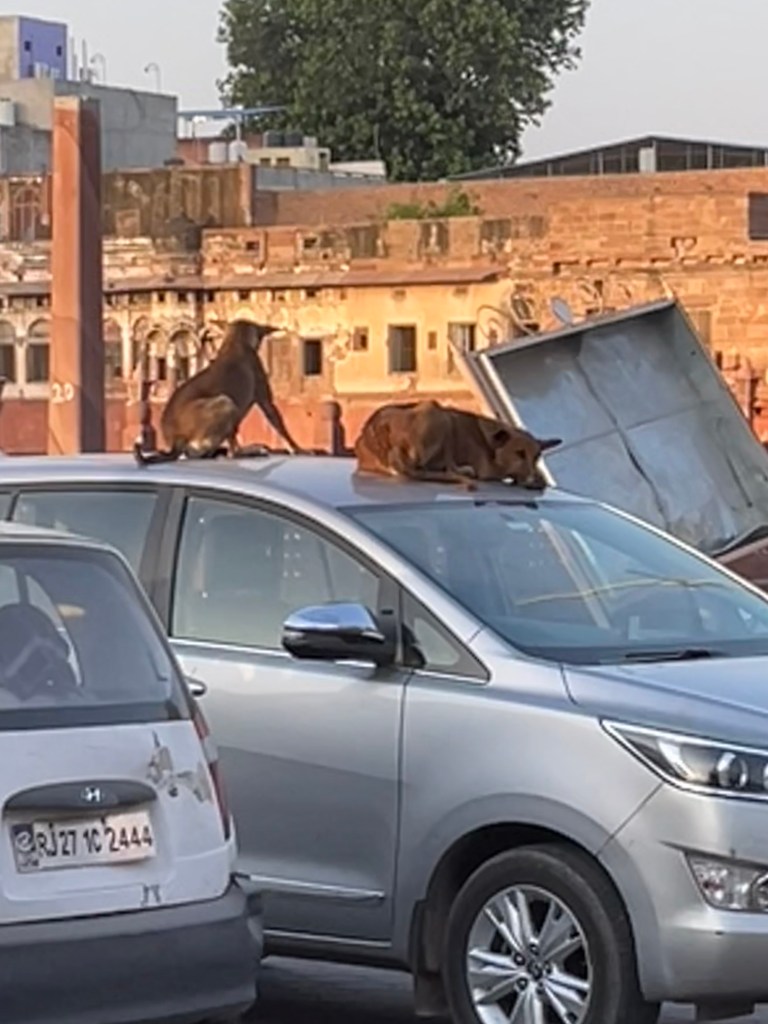
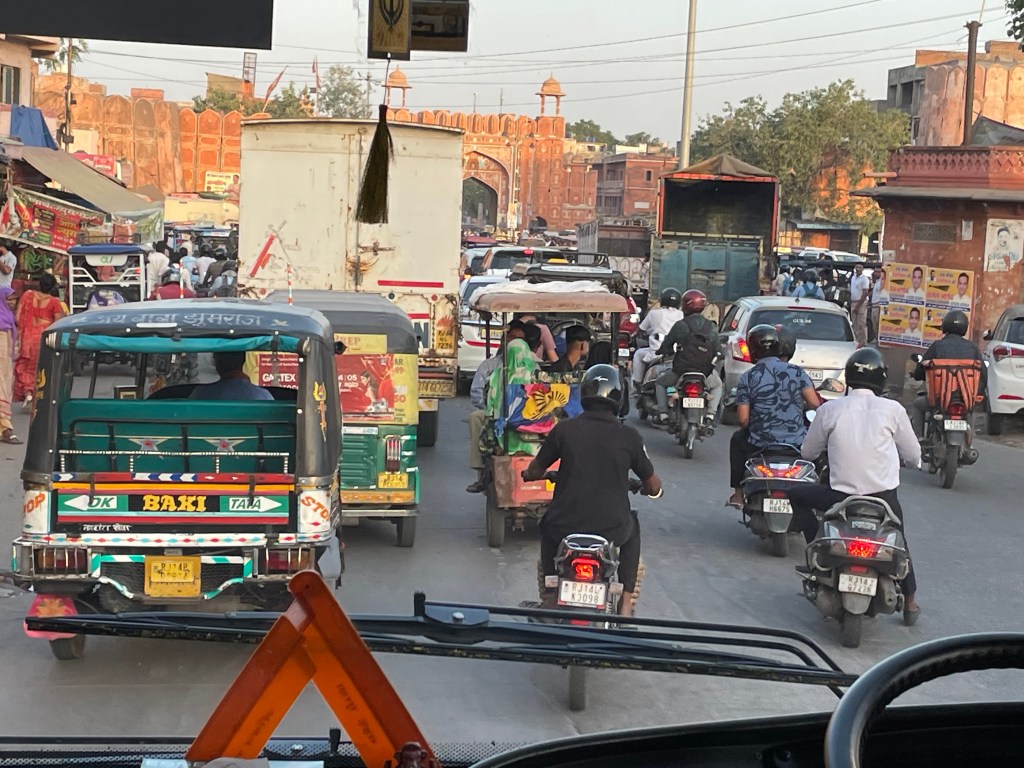
The sites, shops, and sidewalks are just as crazy. Lines do not exist in India. If you think you’re in one and you stand a few feet or even a few inches back from the person ahead of you, soon one, two or more people will have moved in to fill the void. We were told more than once to keep our elbows sharp if we wanted to keep up with the group or get service. On one tour, my guides and I were waiting for a bus and when it finally arrived there was a free-for-all, everyone trying to squeeze into the narrow back door at the same time. I wish I had taken picture. I just couldn’t get into the fray, but luckily I noticed only a few people at the front door, so I changed directions and hopped on without much to do. I even got a seat! At one food counter, the clerk saw that I had been in line and smiled at me wearily, as young boys slid into the cracks in front of me yelling their orders. Street vendors crowd in close and are tenacious as they follow you to try to sell their varied wares. At one fort, I had to act as sheep dog for two ladies in our group that for some reason the vendors stuck to like wet leaves, physically separating them from their pursuers. Sometimes it pays to be tall, it can be intimidating. Shop owners pull item after item out for you to see, hoping one will catch your eye and entice you to buy something, and as a way to keep you in the store until you do. Not of it is malicious though, it’s just their way of life.


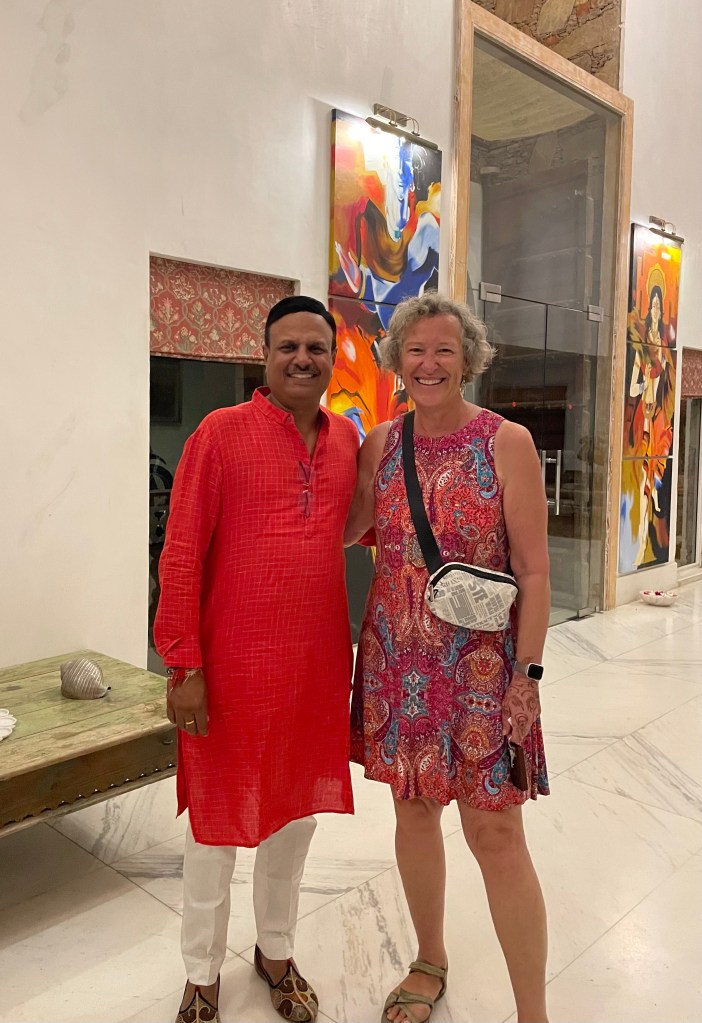
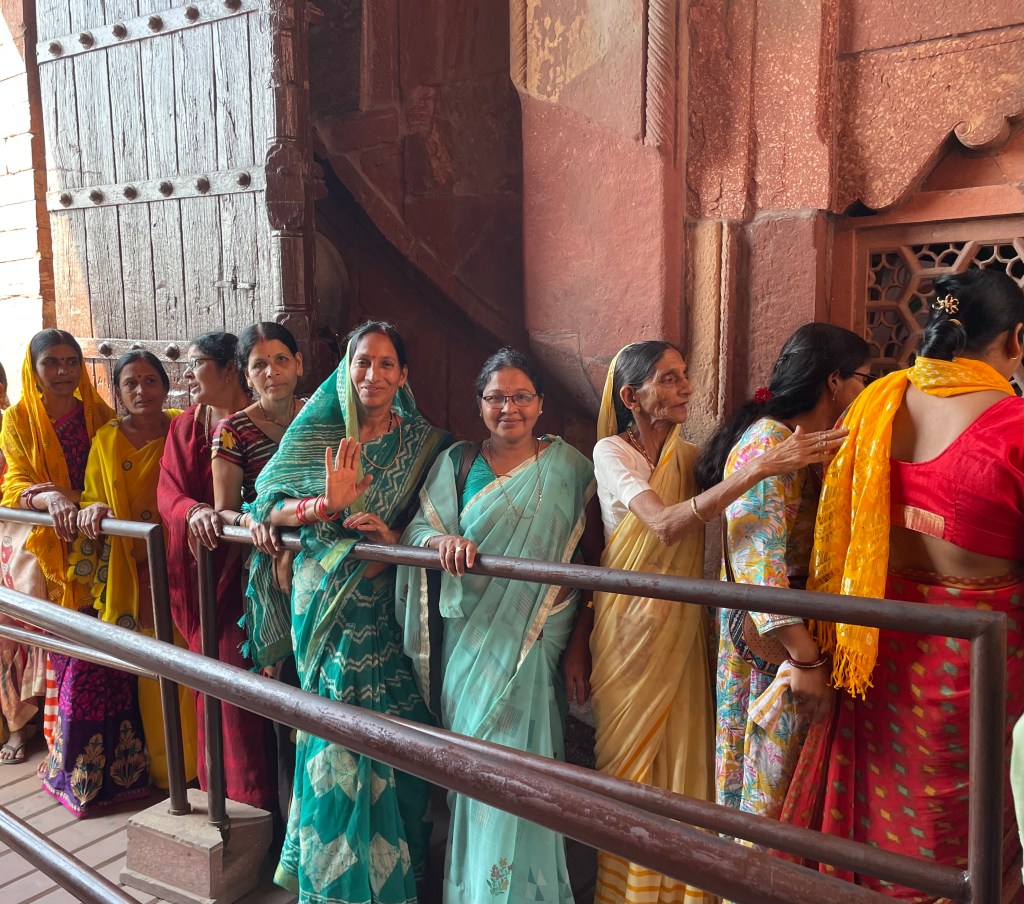
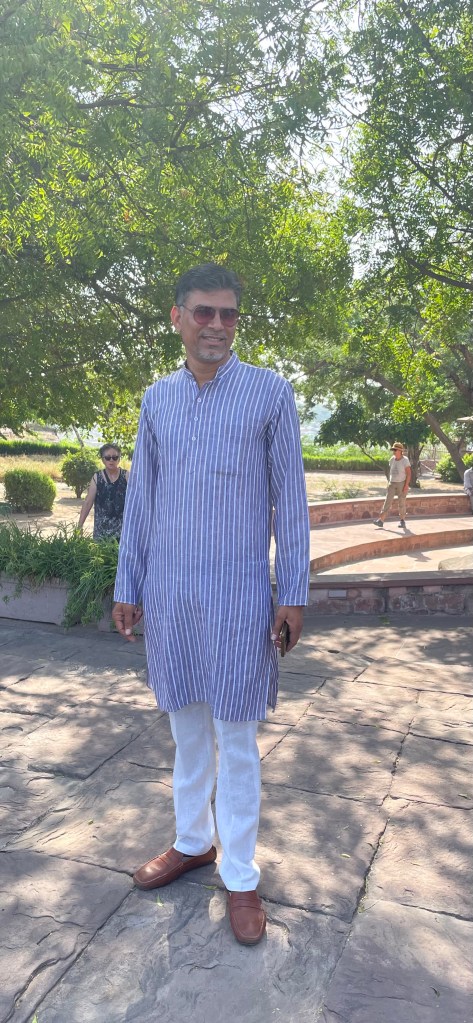
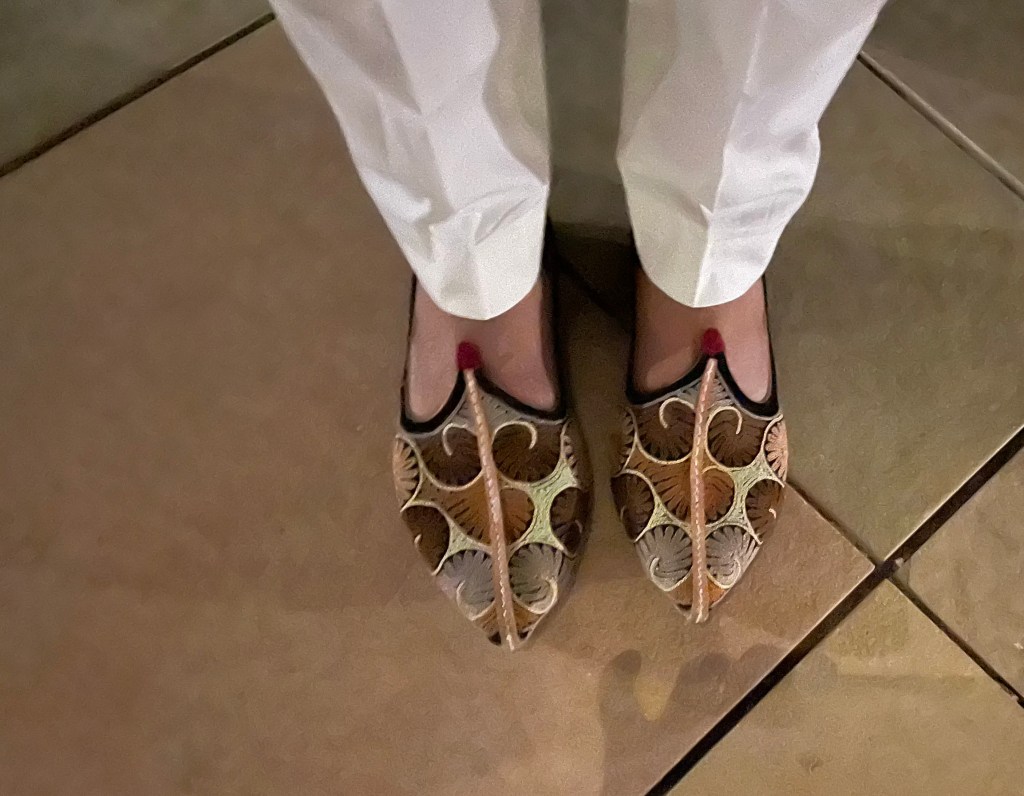
Saris, kameez and kurtas, the traditional dresses of Indian woman come in every hue and shade of the colors of the rainbow. The fabrics range from simple cotton prints to elegant silks embellished with gold. It’s hard to tell the rhyme or reason that certain women wear a specific kind of dress. At first I thought is was an age thing – older ladies wore saris (which are very difficult to put on), middle age wore kameez or kurtas (long shirts over various styles of pants, the most traditional a salwar with wide legs tapered at the ankles), and the young, western clothing – for lack of a better description. But that’s not always the case, it might depend on what religion or caste (though legally caste doesn’t exist) they are or even where they live. Men generally where trousers or jeans and button down shirts, many with nice floral prints but kurtas are seen occasionally as well as sherwani- a fitted coat that falls just below the knee, usually on more formal or business occasions.

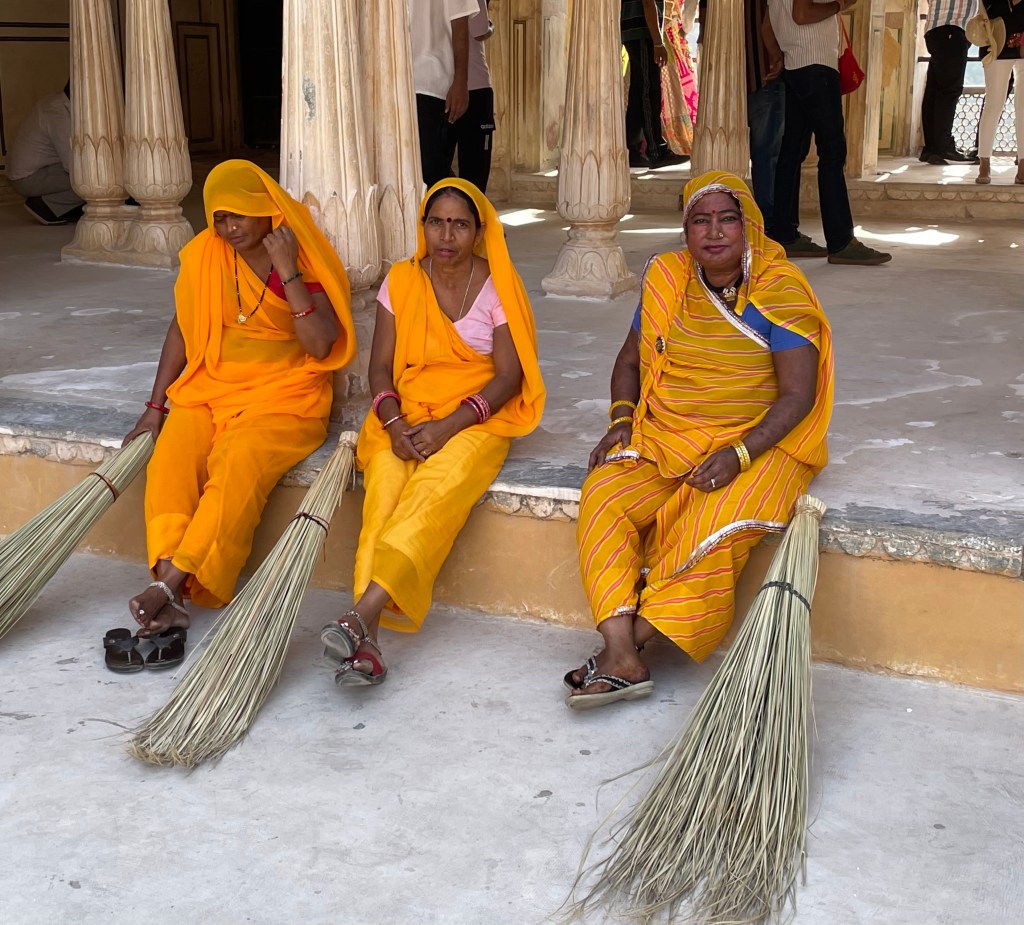
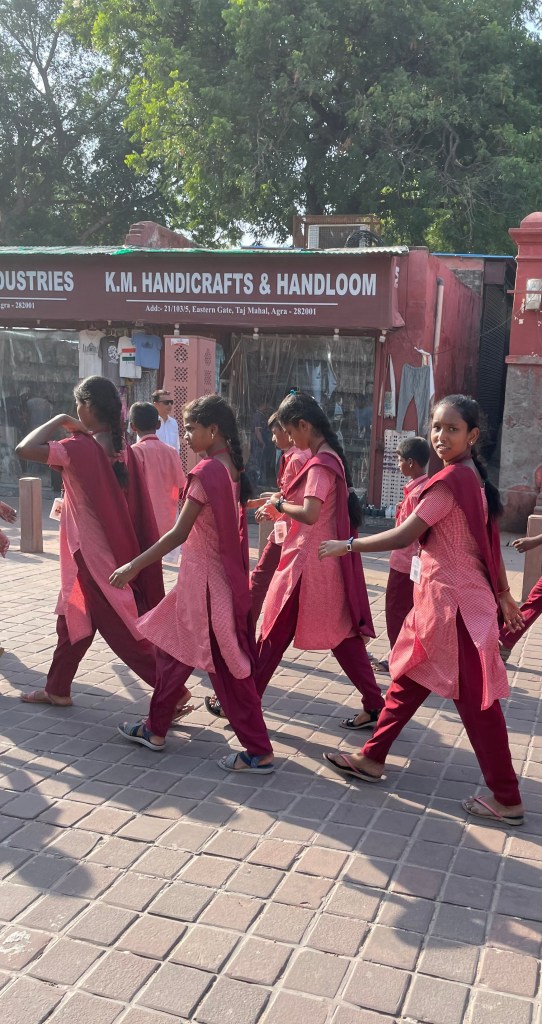


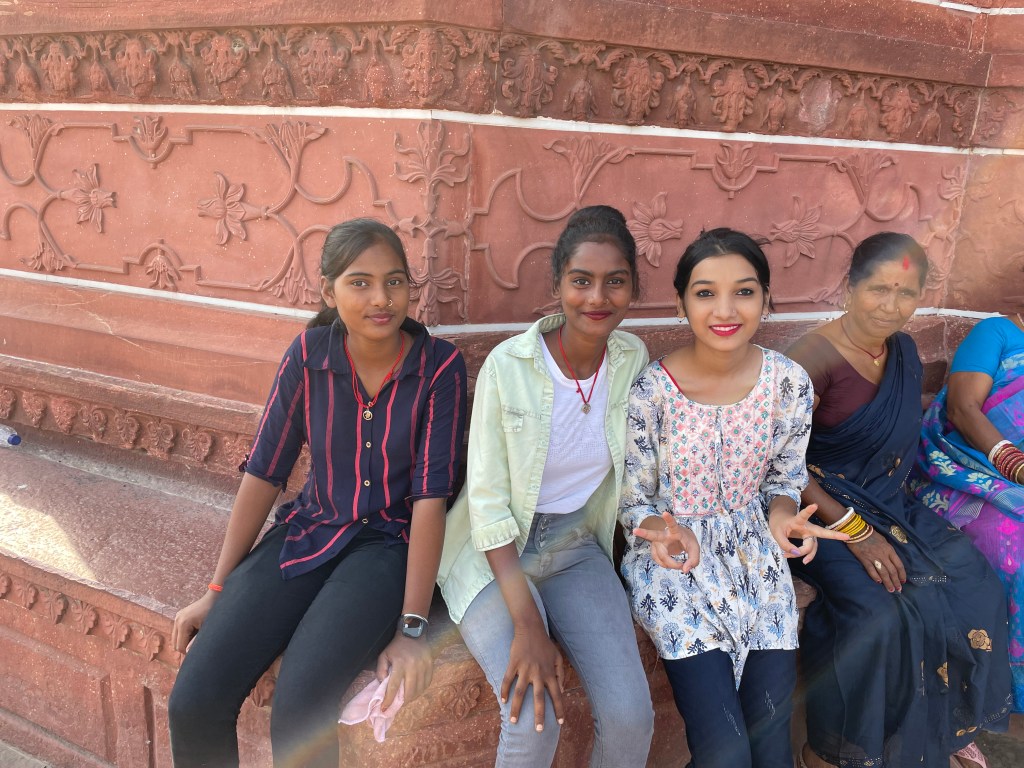
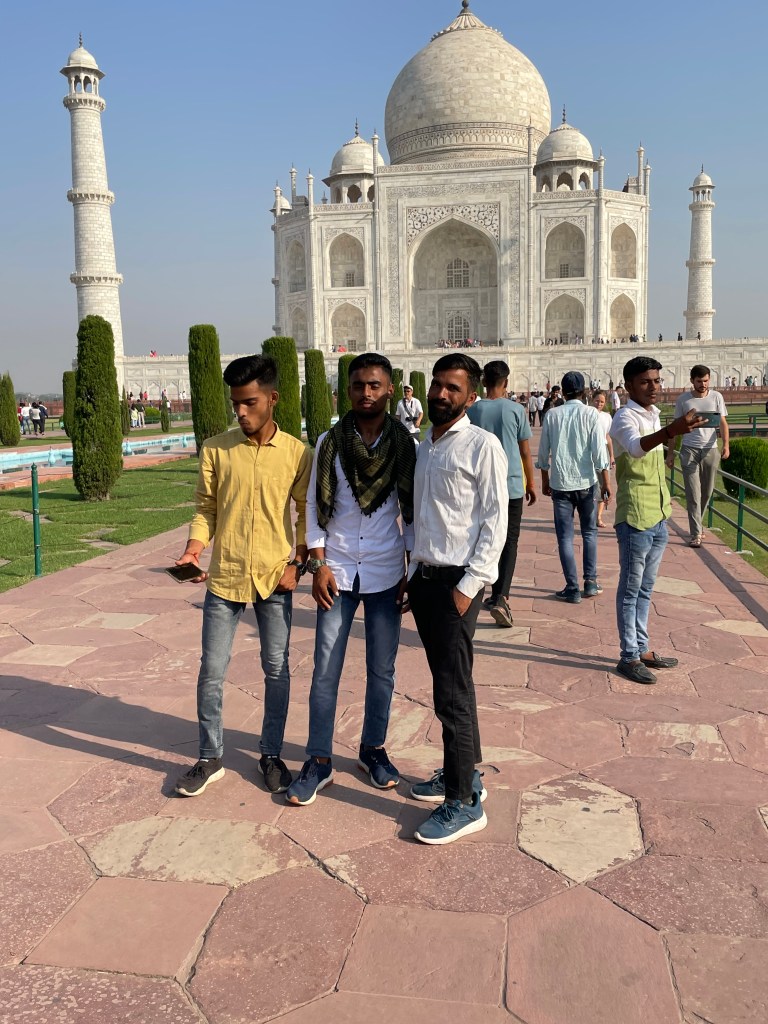

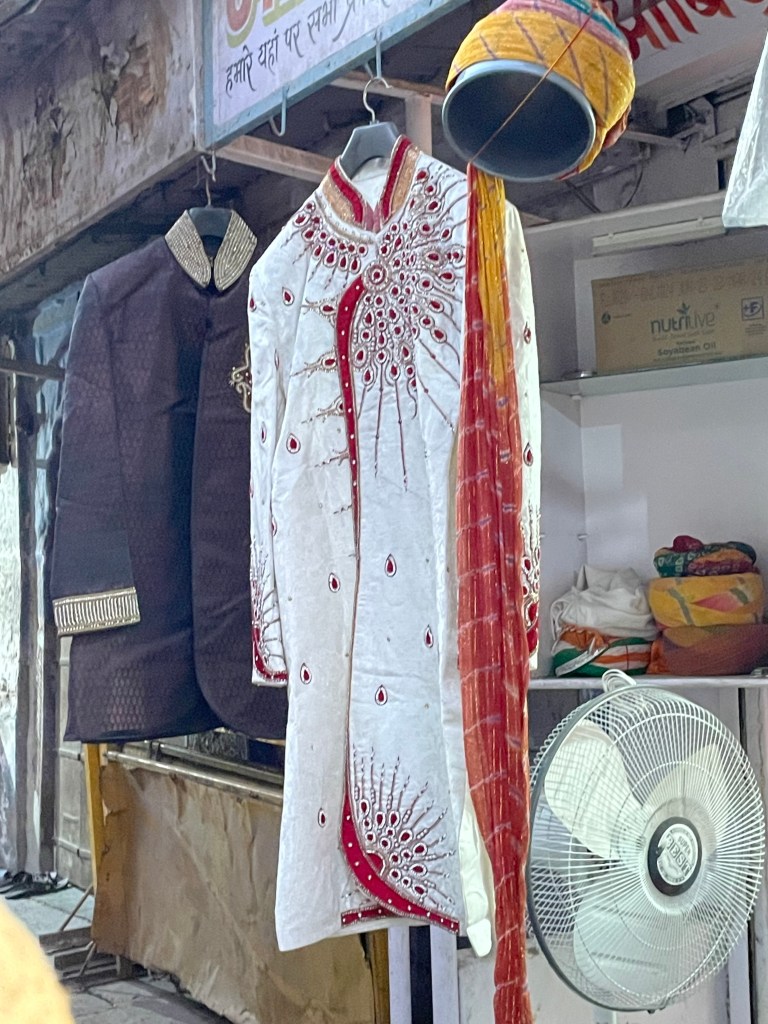
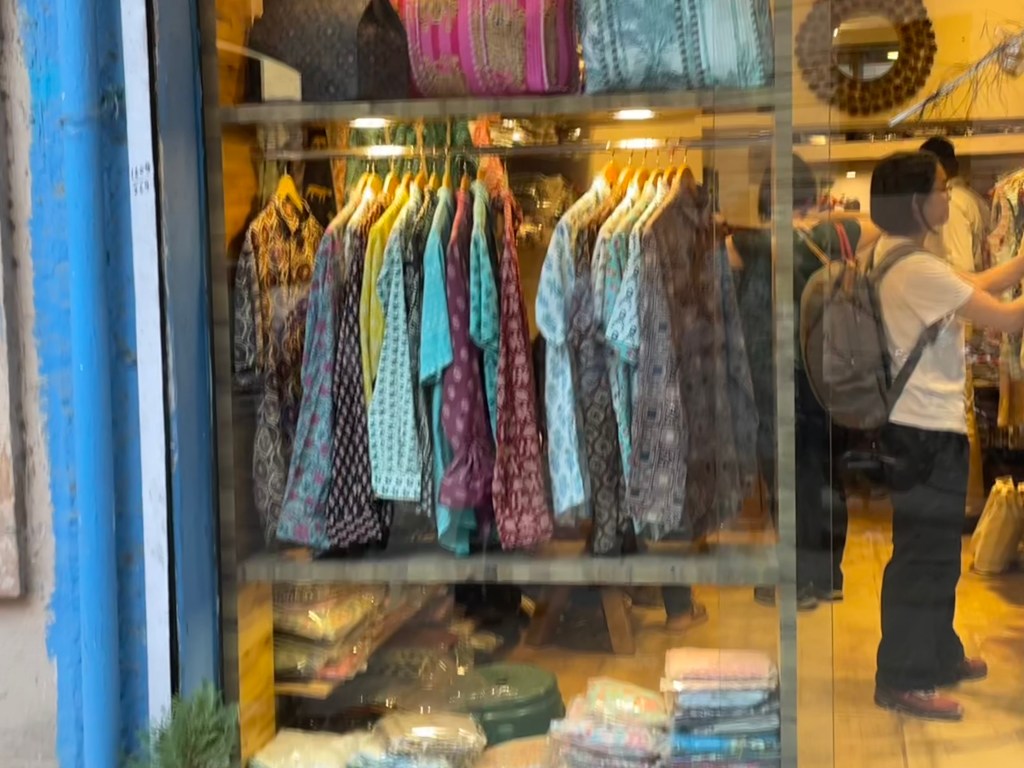
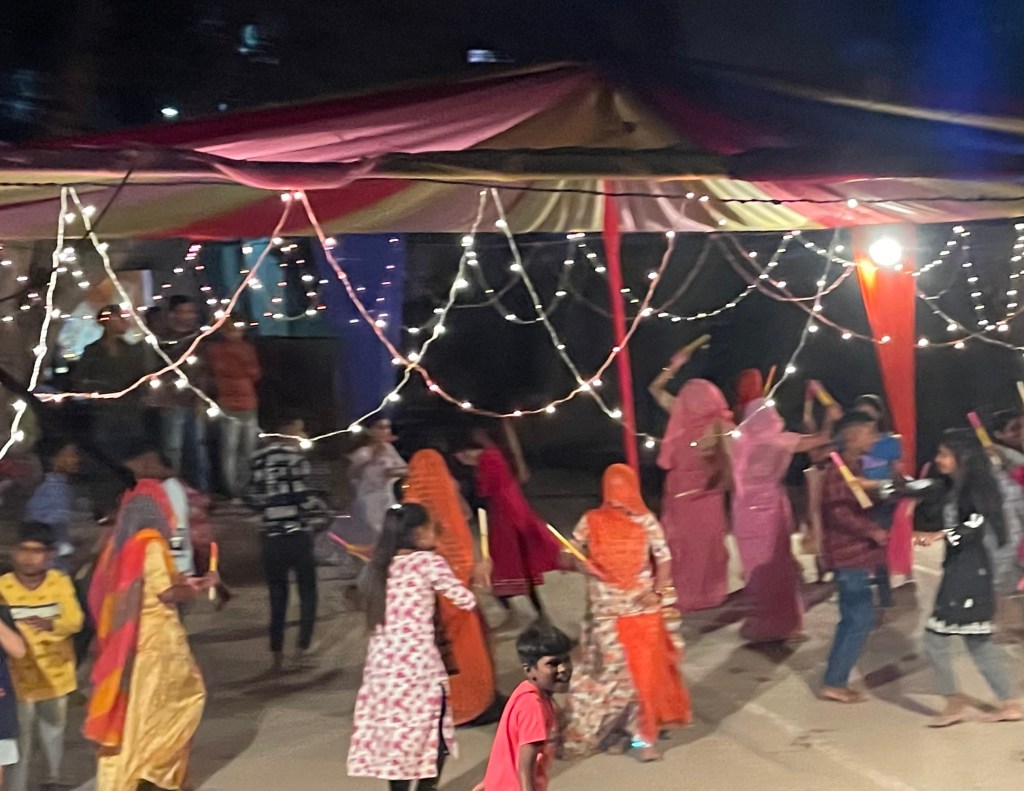
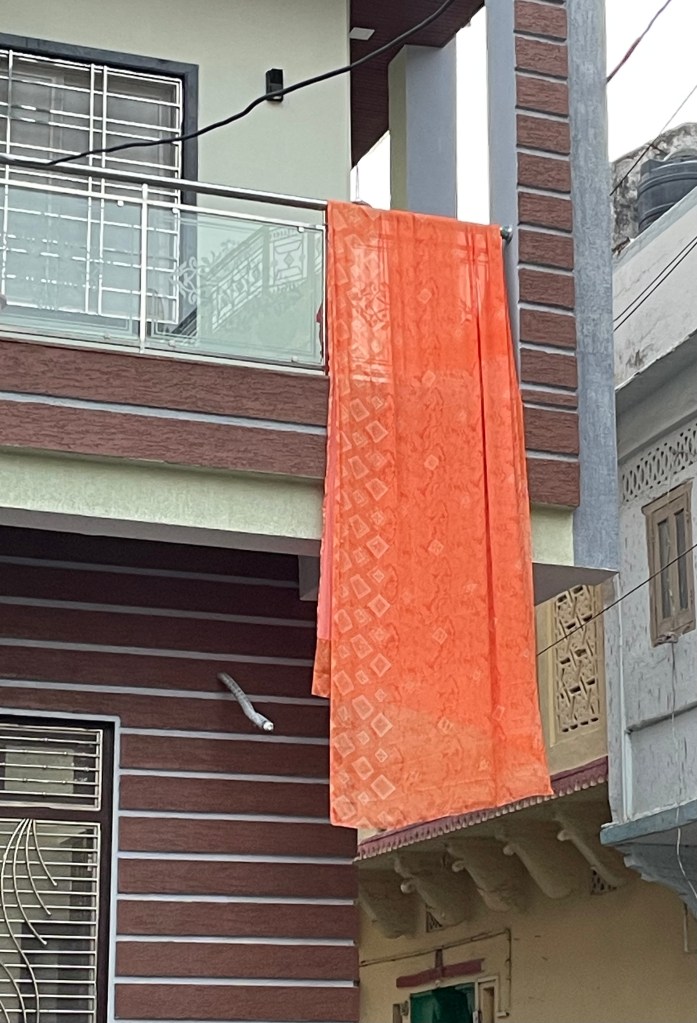
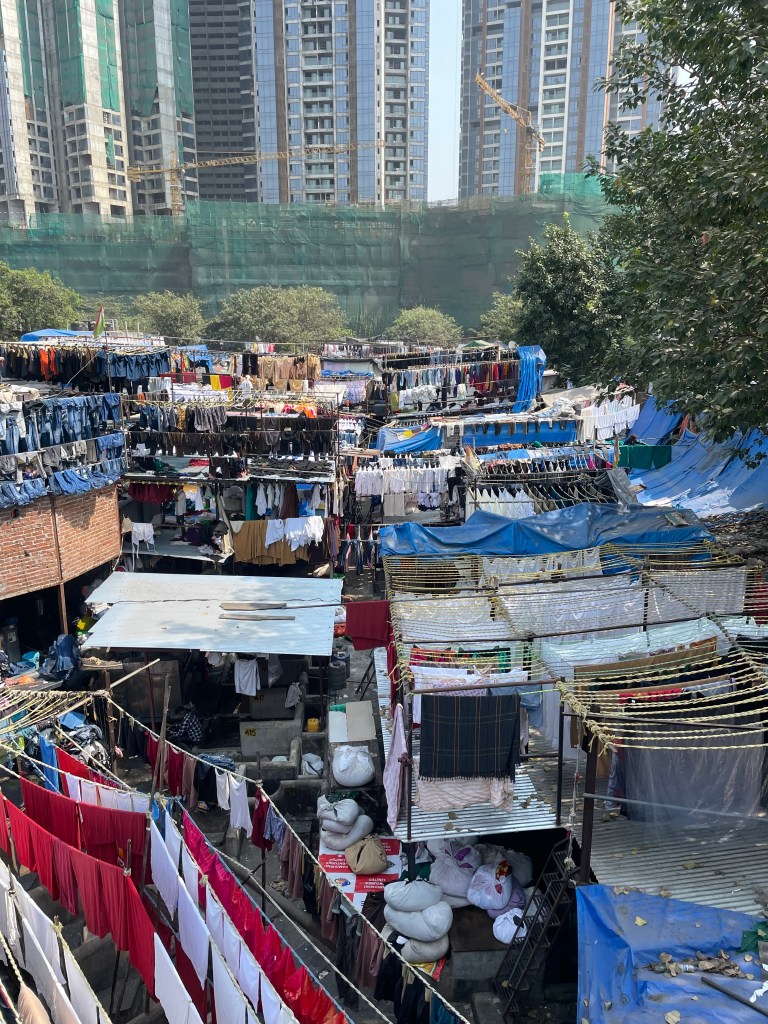
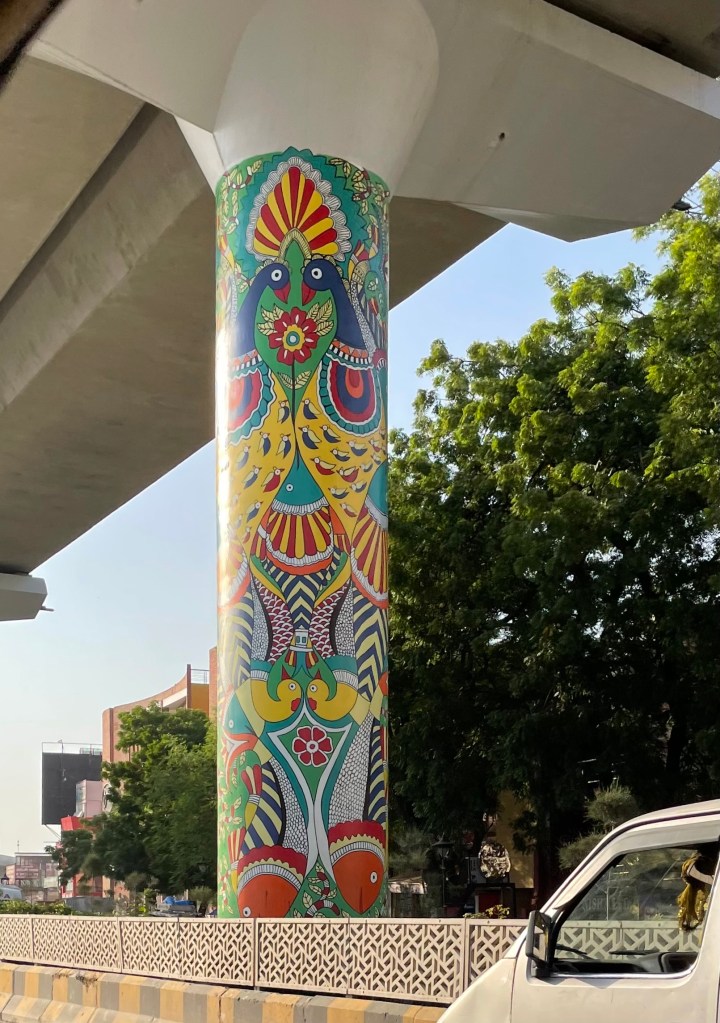
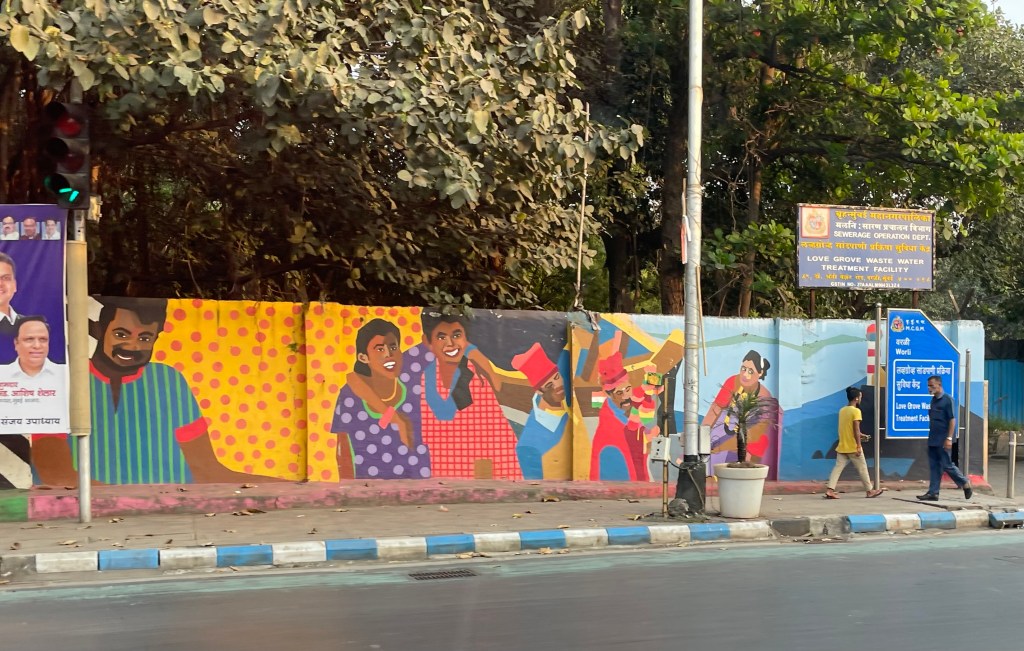
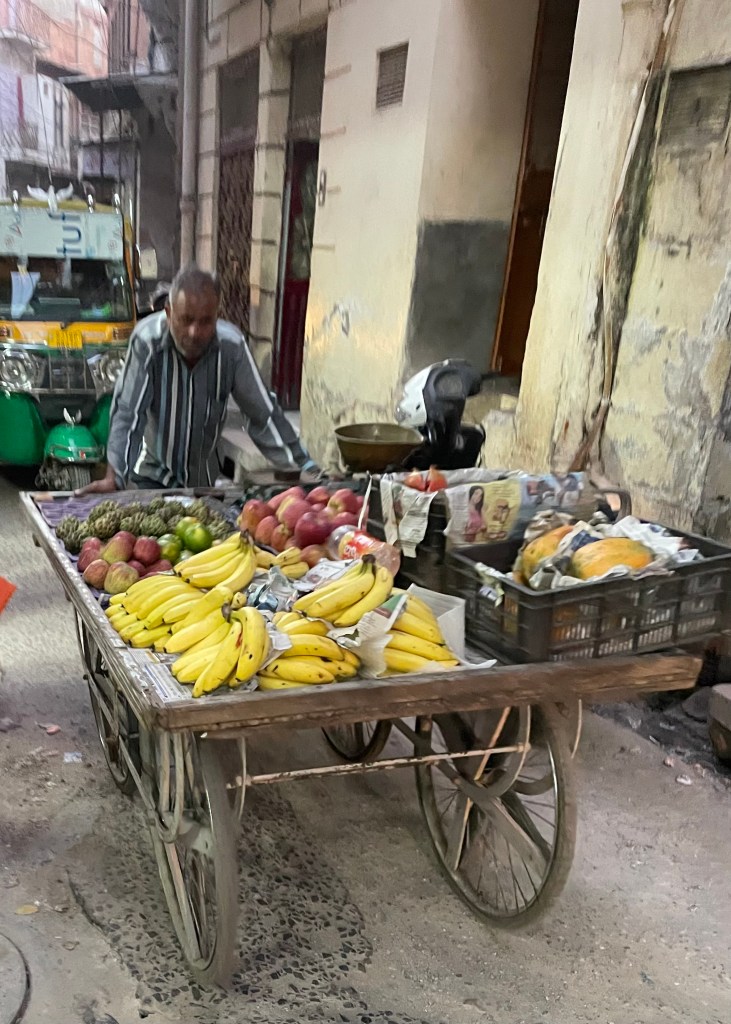
The color doesn’t stop there either. I don’t know if you’ve seen the meme about leaving your unfolded laundry on the couch for a splash of color, well the people in India have taken it a step further and decorated their exteriors with their clothing. No need for dryers here when the sun will do just fine. There is a city laundry in Mumbai which is huge and all done outside -clothes, sheets, towels all hanging like prayer flags. Their buildings and houses can be painted in vivid colors like purple, blue, saffron, mango as well, not so different then some of our cities. Piles of bright yellow and orange marigolds are are seen throughout the markets and along side the road, ready to be purchased and taken to adorn a temple or decorate a storefront or home. Shops are topped with bright banners; fences and walls are painted in colorful, lively murals; carts host multicolored umbrellas; taxis display tiger stripes; and the fruit and vegetable purveyors exhibit greens, yellows, red and oranges. It’s not unusual for people to buy fresh fruits and vegetables everyday, either from their local vendor in the market or from someone who makes daily stops at the homes with their cart loaded down with whatever is in season. Milk is still delivered to your doorstep as well.
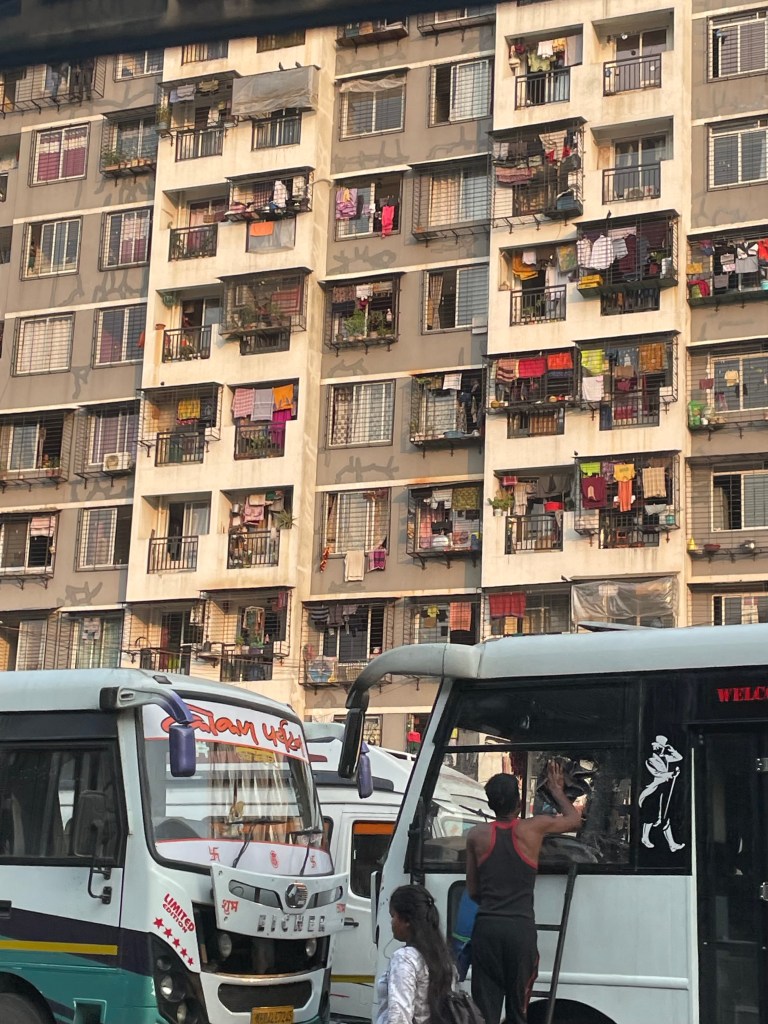




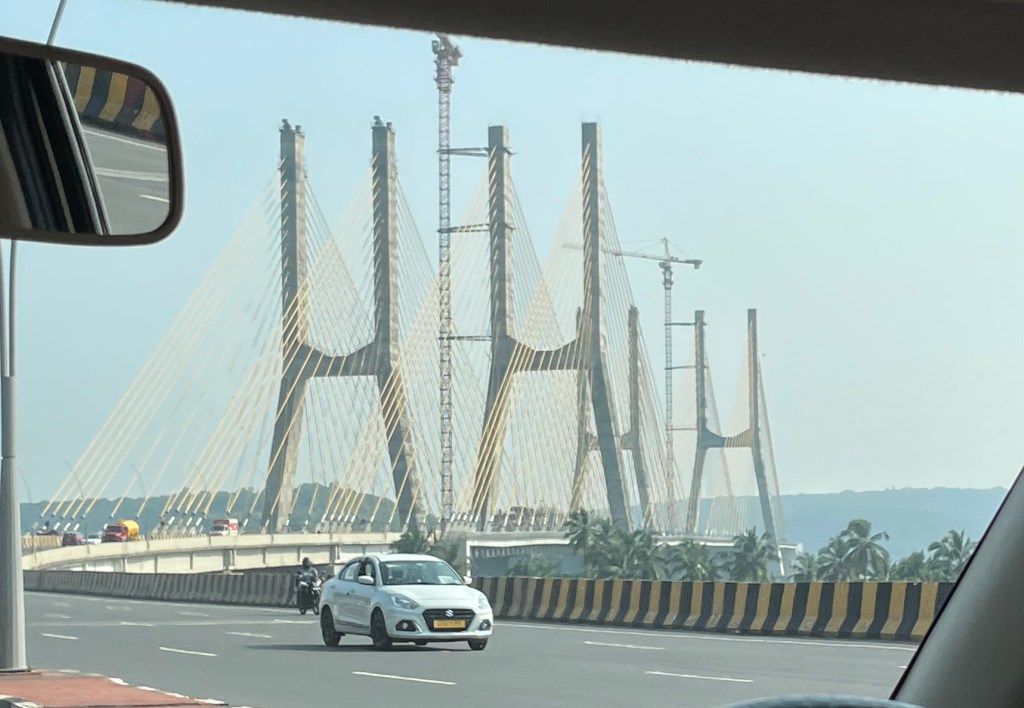
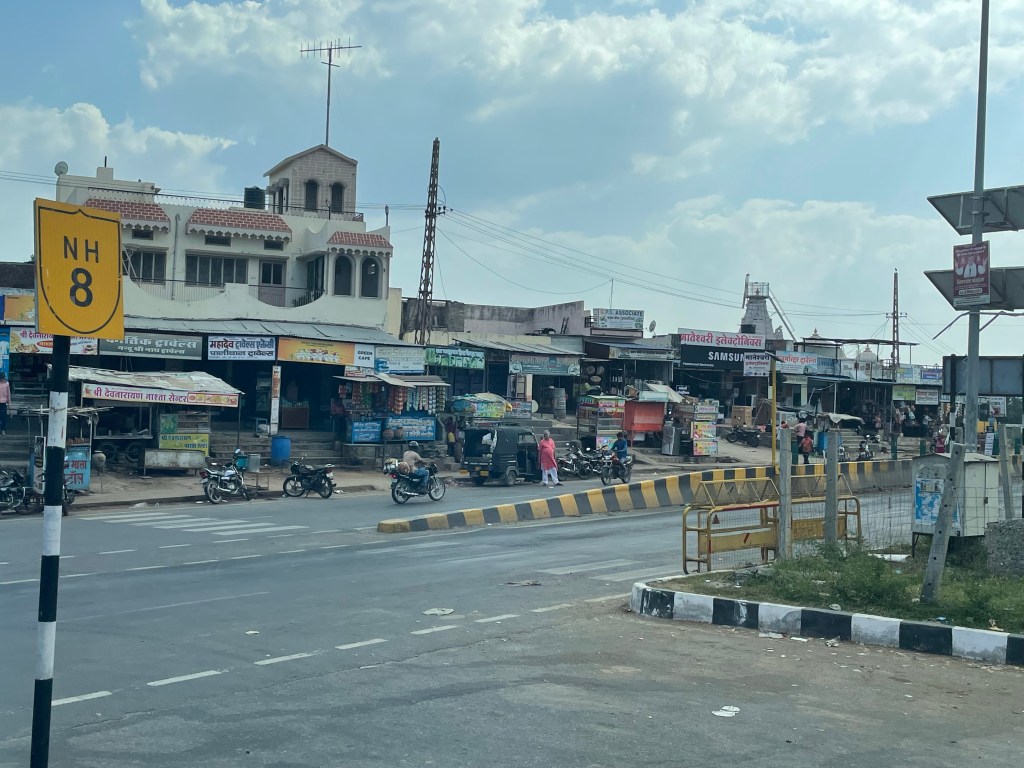
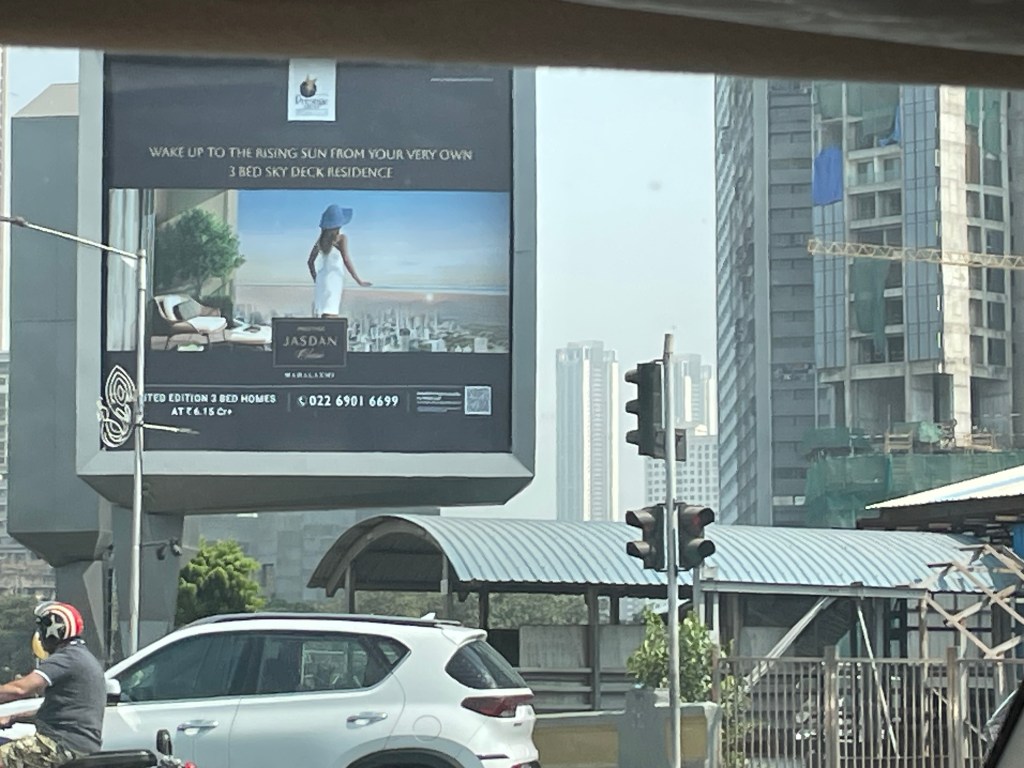
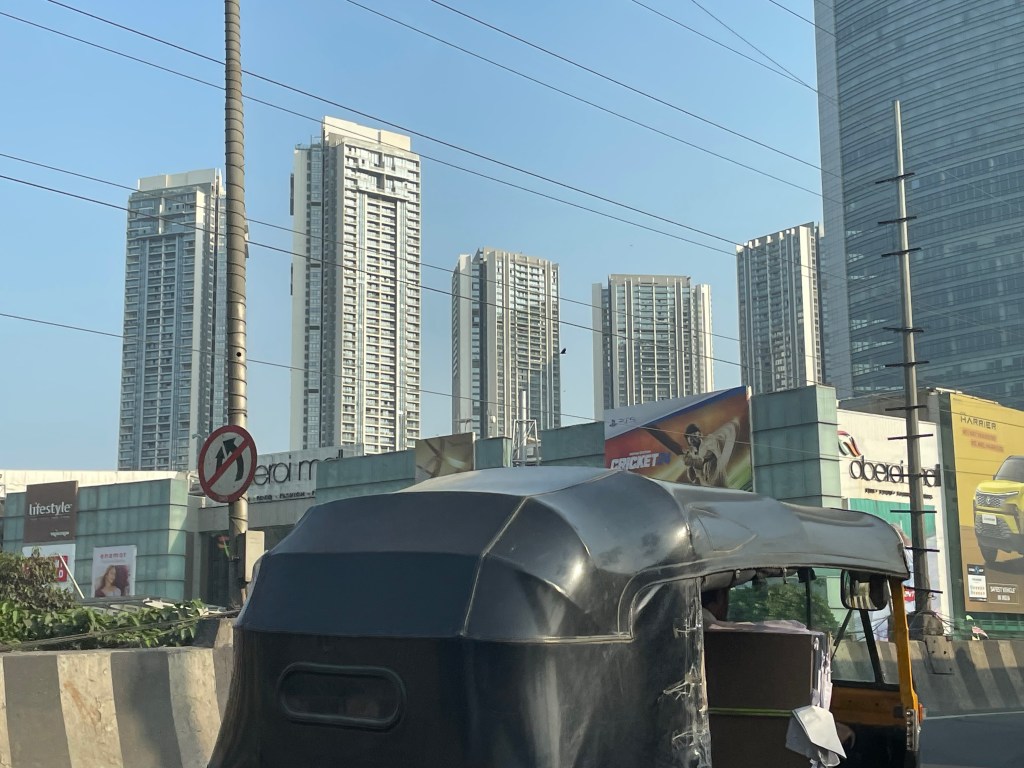
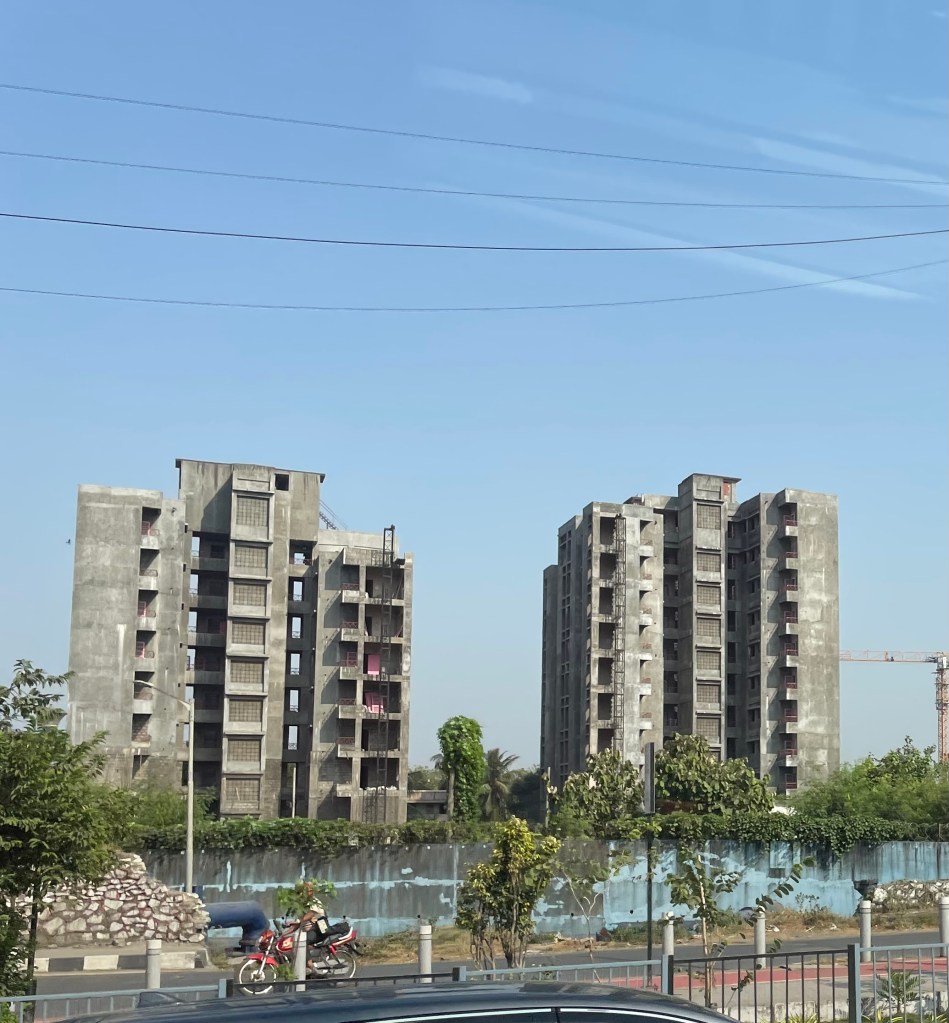
Throughout India, the vehicle horns are in constant use. For the most part it is not an unfriendly beeping, just a tap to let the car, bike, person in front of you know that they’re there and would like you to move over. And they usually do, if it’s possible. Though it does seem that some drivers honk just for the fun of it, as it doesn’t always appear necessary or helpful. A lot of trucks have please honk painted on their rear, encouraging the cacophonous symphony. Some play loud melodies as they announce their presence. There is also constant construction noise. New buildings are being erected everywhere though some of them look as if they were started and abandoned. I was told it could be because permitting could be delayed, the owners are saving to do additional work, or the builders had fled, not having enough money to finish the job. Signs for new fancy condos fill the roadside billboards. Roads are also being built, repaired or widened. India is paving 27 km of national highways everyday. In one town we went through, the front row of stores had been or were in the process of being demolished as the street was being widened. Traffic was down to one lane, changing from one side of the road to the other and as we negotiated the route a huge snarl was created. Even though the oncoming traffic could see our big tourist bus coming, the motorcycles especially but even a few cars kept moving forward, thinking they could slip through an opening, filling the street in front of us until we could no longer proceed. And the cars and bikes beside us could not get through as the lane was so narrow, like the neck of a funnel. It took over 20 minutes for the knot to untangle before we were on our way again and the din behind us began to fade.


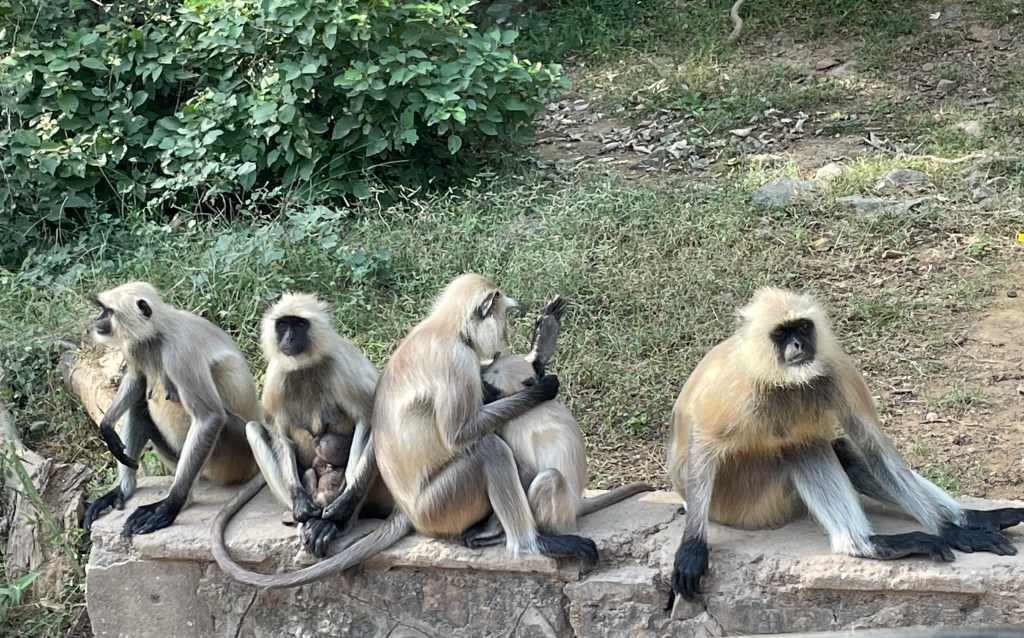
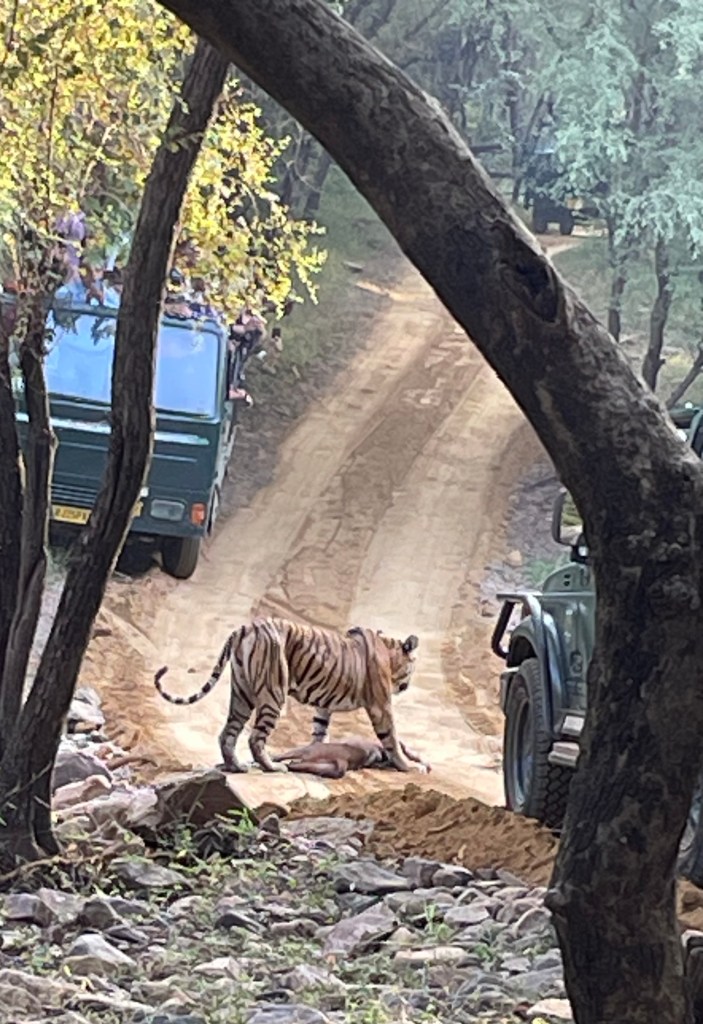
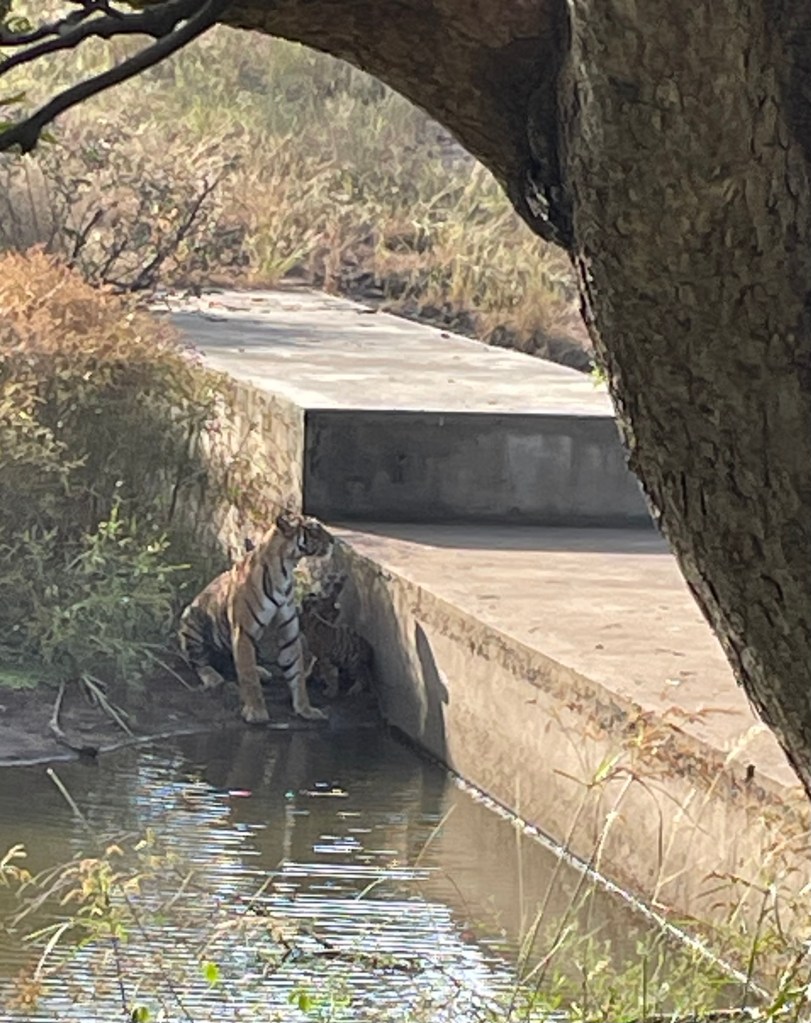
As you go about your day, it not unusual to think that people are yelling at each other, though their conversations are fast and loud they’re generally friendly. In Ranthambore National Park, one of the four ways to find a tiger is to listen to the warning calls of the other animals in the forest. While we were driving through the park, the forest erupted in raucous sound, monkeys started to holler and a blue cow- a type of antelope, began to bray. A minute later a tigress came out of the jungle dragging a deer. As the other creatures fled, the tigress walked parallel to the road for about a quarter mile, pausing occasionally to release the carcass from her grip and resting her jaw. She then crossed the road in front of us, continuing along side of the lane until she disappeared into the trees again. The park guide, who excitedly told us this was a rare sighting, directed us to a nearby spot where he knew her three month old cubs would be hiding. And sure enough, she re-emerged, this time without the deer. We saw the cubs heads pop up out of the grass but quickly faded back into the waving pale field. Although the mother was not frightened of us, she had grown up with jeeps of tourists traveling through her territory, the cubs had not yet smelled or heard people, as we were one of the first groups to go through once the park reopened after the monsoons, so were more timid about showing themselves. The tigress went into the grass to calm them down and eventually brought them to the river, which was right in front of us, to drink and then into the woods for their feast. If only she had added her roar to the noises of India.

India is changing. Much is being done in India to improve the country and add jobs for the growing workforce, 60% of their population is under 40. One of the ways to do this is through education. Most families do not have enough money to send all their children to school, so traditionally only the boys went. Now, primary education is free for everyone and secondary and university free for girls. They have a slogan – educate a girl, save a girl. To encourage them, if they do well in primary school, girls are given bike, in secondary school a computer or iPad, and in university a scooter. Government schools are inconsistent in their quality, not unlike American schools. We visited a school and I went in to talk to a room full of 7th graders, boys on one side of the room, girls on the other, all dressed in navy and light blue uniforms which are provided to them. I asked, first the boys, what they wanted to be and I got a range of responses including a priest, a doctor, a teacher and an engineer. When I asked the girls, none of them had a response. Hopefully they will see more role models as the years progress and are able to see themselves in a profession. One woman I talked with during my yoga retreat, who works for a non-profit supporting vocational training for secondary students, said that the current education system doesn’t provide enough skills to get a job when they graduate. To compete in India, you don’t need just a Bachelor’s degree but several Masters.
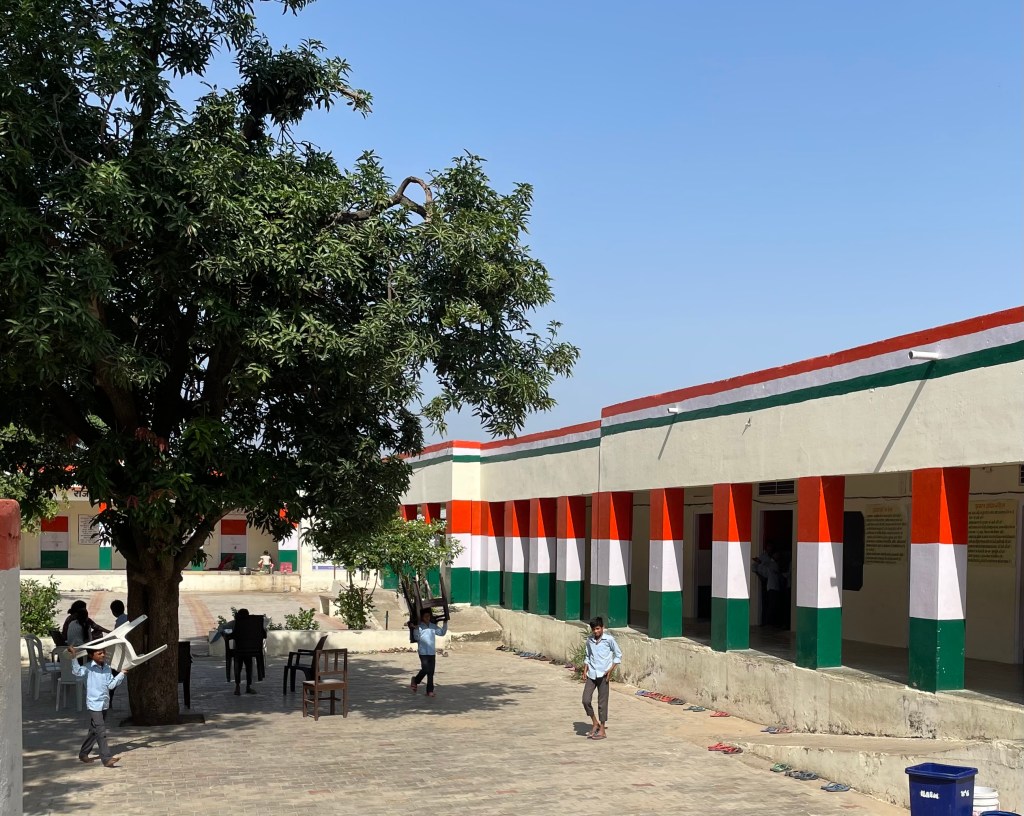
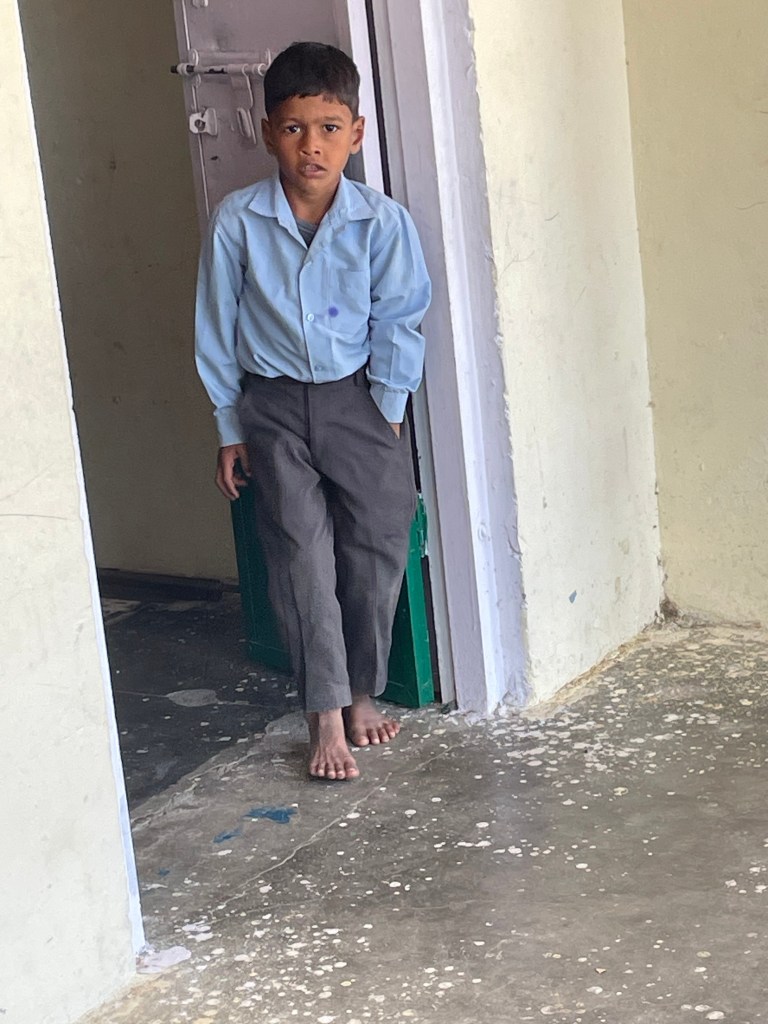
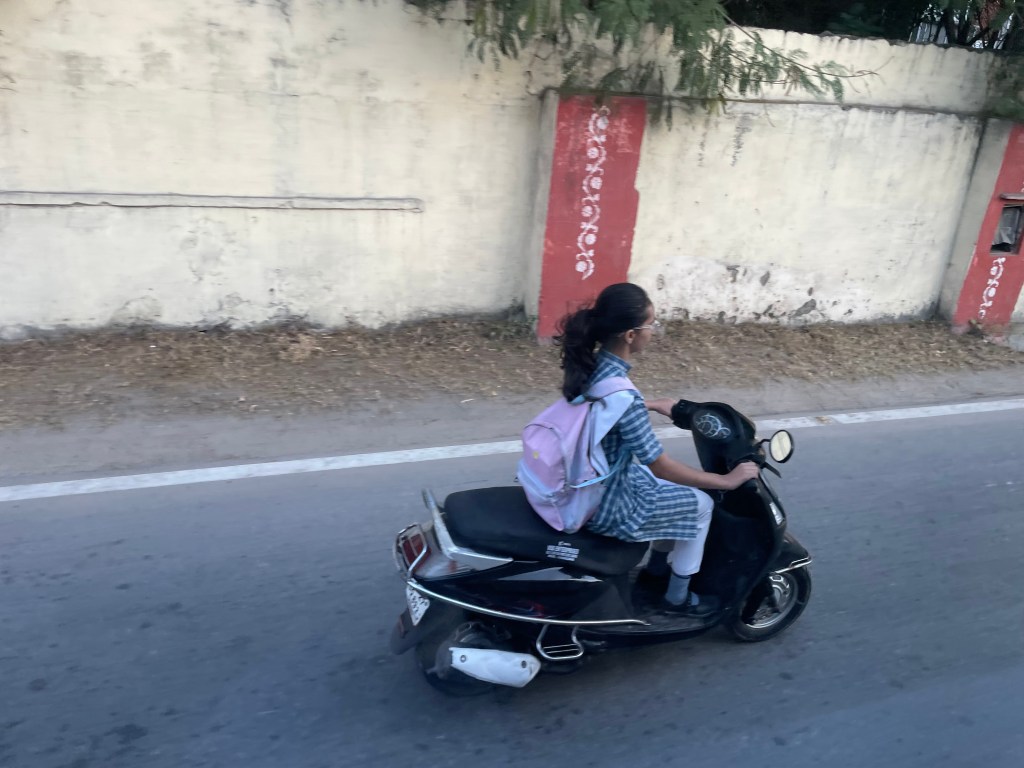
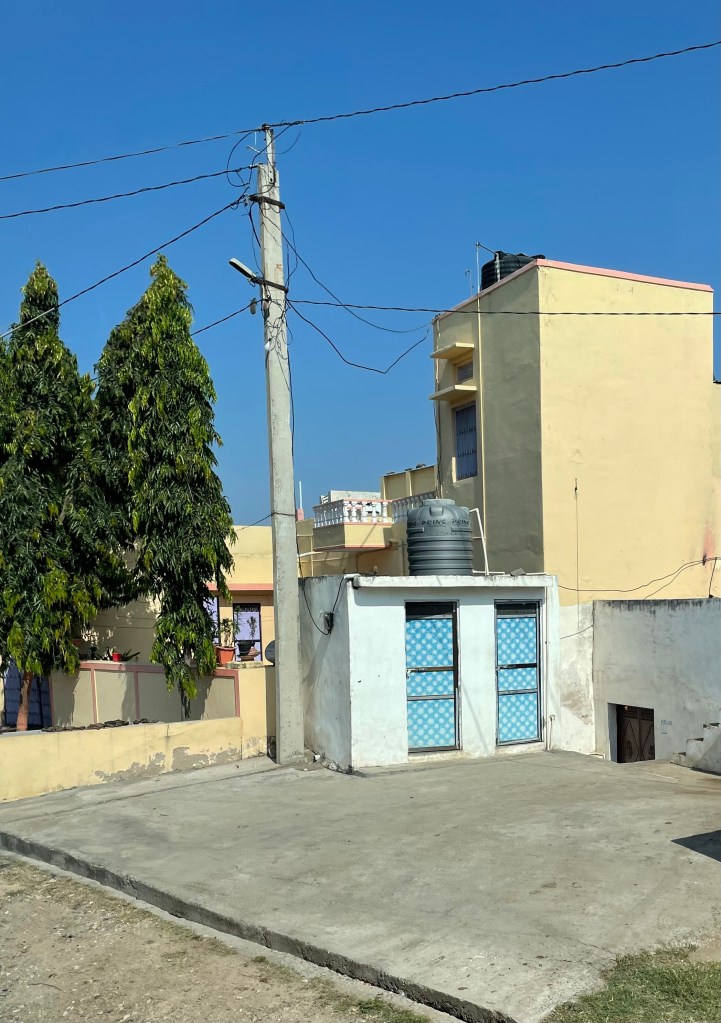
Besides a primary school, every village now has a highway – to get their products to towns and cities, electricity, water and a health clinic. Water and electricity may be rationed however, so some may only get it a few hours a day. Medical care is seen as pretty good, as doctors are required to provide several years of service in the rural areas before the can practice anywhere else. They have upgraded homes from mud huts to cement houses and they must have an enclosed flush toilet installed and in use to receive other government support. They’re a little unsure of the toilets, so they build an attached or detached building outside the home where it is installed. The government sees enclosed bathrooms as a way to protect and respect women. More than a million toilets have been built recently. To encourage property ownership by women, taxes are lower if you’re a female and it’s cheaper to buy property if it’s in a women’s name. High sales tax pays for much of the changes, on restaurant checks I would see two sets of 9% tax and then 25% if I bought alcohol.
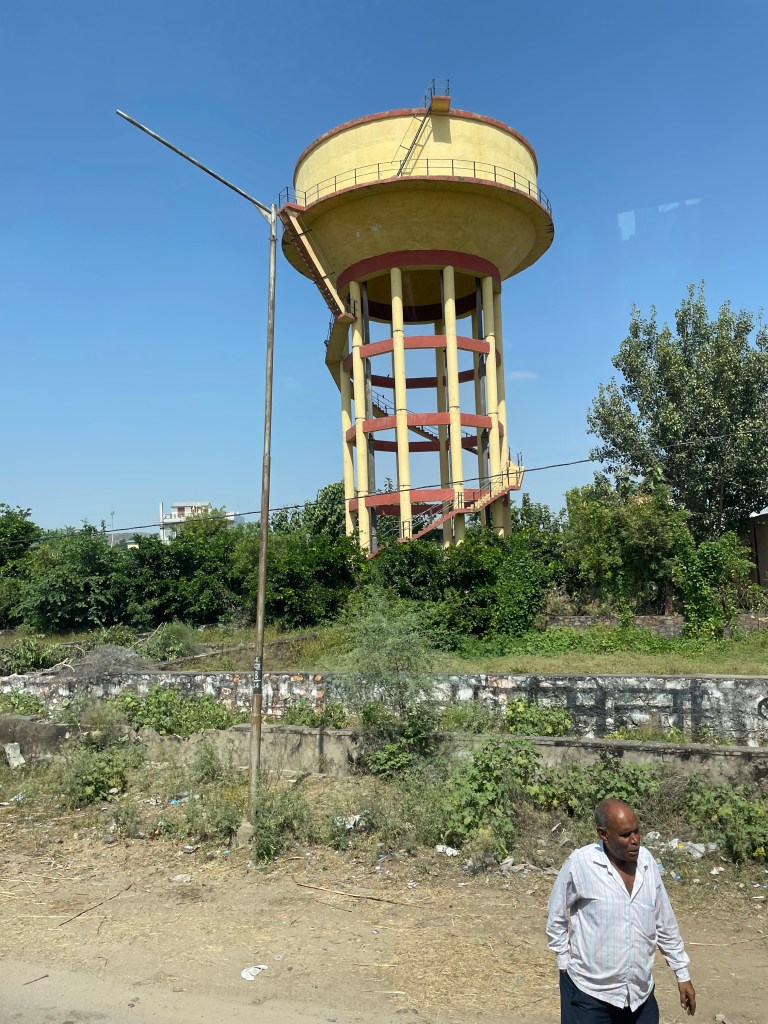

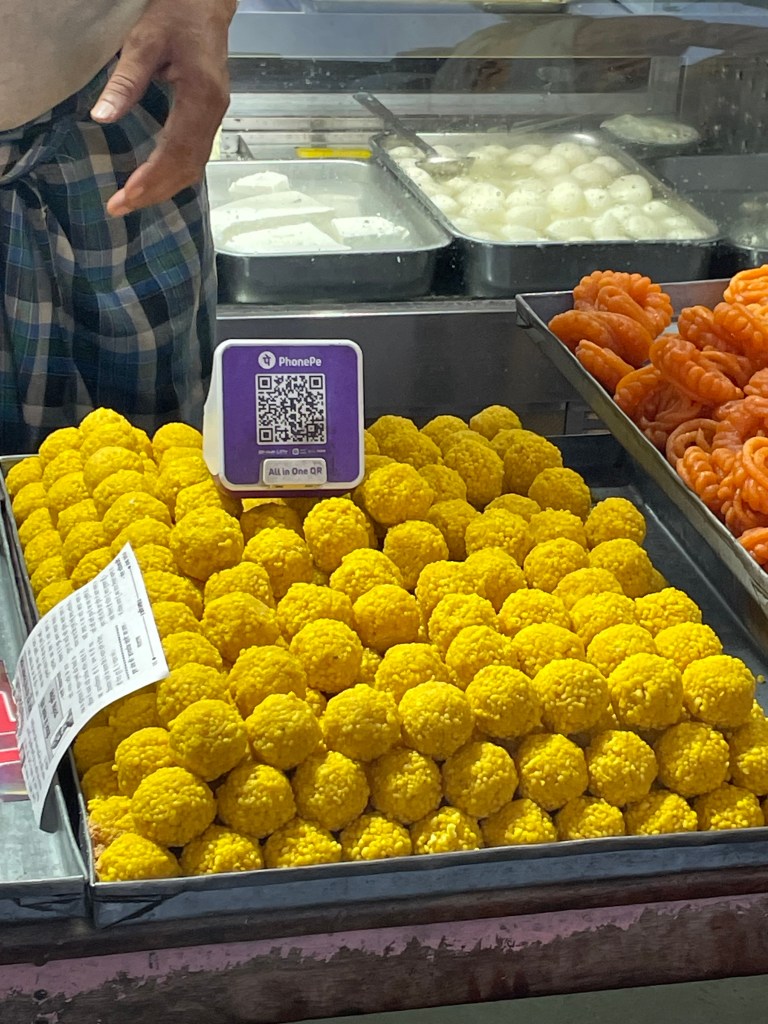
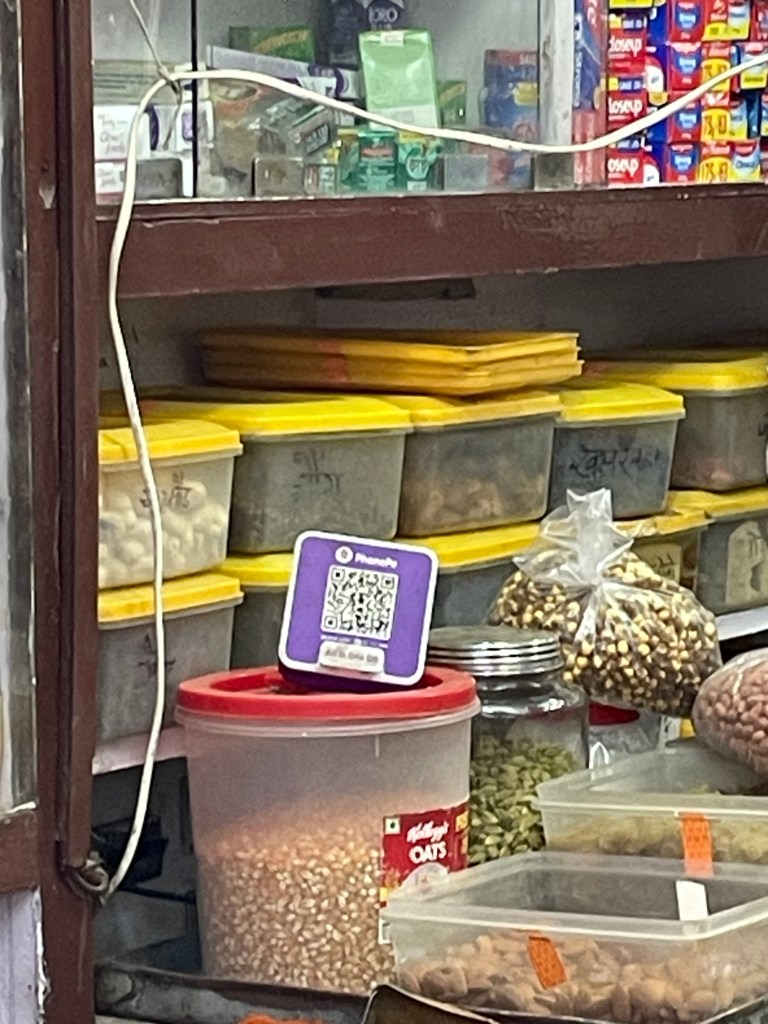
India is one third the size of the US but has 4.5 times the number of people – close to 1.5 billion. In the last 8 years, 1.3 million people have been brought above the poverty line. One way this happened was by guaranteeing that all crops would be purchased by the government if they were unable to sell them at a set price. It reduced some of the unscrupulous behavior of middle men that forced farmer’s to take lower prices. The country produces more than they require so they use the extra to discount food for low income people or feed students – they get free meals at schools. They also provide every individual who wants it, at least 100 days of work a year, at a set wage, depending if it is skilled or unskilled labor. One thing that had a profound effect is giving everyone a zero balance bank account with their wages automatically deposited, which proved to be a good tool against corruption. Every vendor, even the street vendors offers a cashless purchase option tied directly to their account. It seems to me that this would benefit the country in many ways as it puts more funds into the banking system.

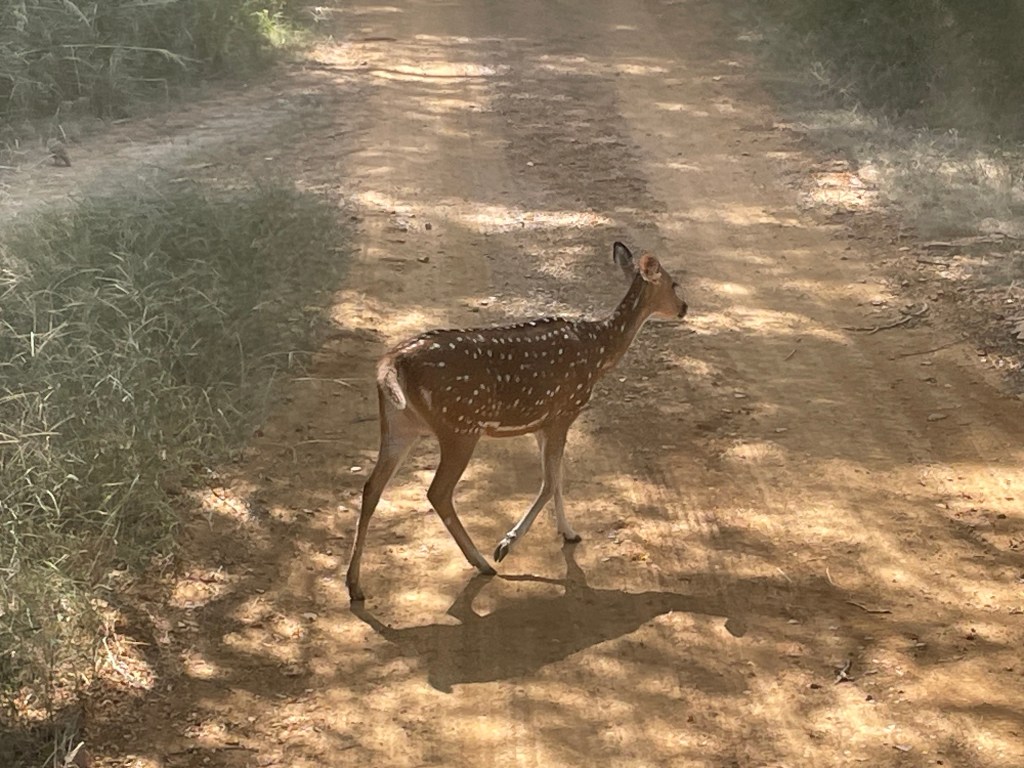
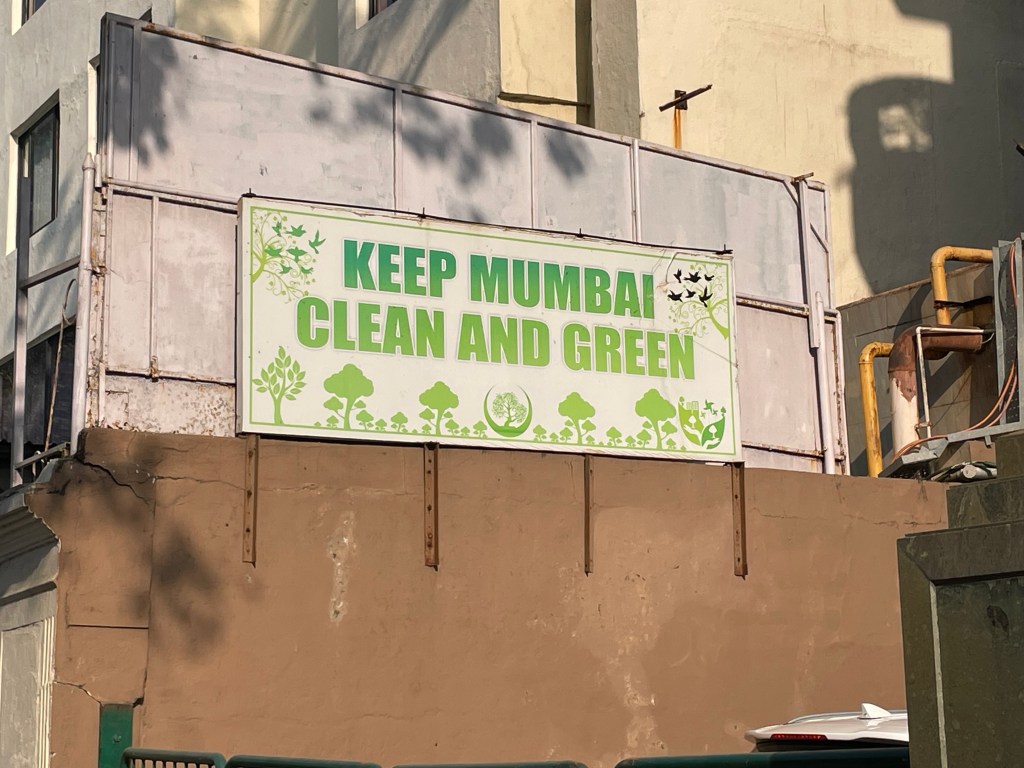
There is an increased focus on tourism in India as well. Improvements are being made on many of the ancient sites, such as craftsmen recreating temple arches. In Ranthambore, the roads that were once bone jarring have been smoothed out and the low hanging branches that slapped tourists as they traversed the park have been cut back. People are paid to sweep the streets every morning throughout India, with the debris hauled away. Trash bins have also been installed, although new behaviors are yet to be fully established. There is still a lot of trash throughout India but my understanding is it is much improved. They are investing in solar and wind energy and transitioning to electric and natural gas buses to reduce air pollution. For me the air pollution was the worst in Mumbai, making my eyes itch and me sneeze a lot. Walking through the old towns of Jaipur and Jodhpur, with all the dust, mold and mildew swirling in the air from the passing tuk tuks and motorcycles, gave me a sinus infection.




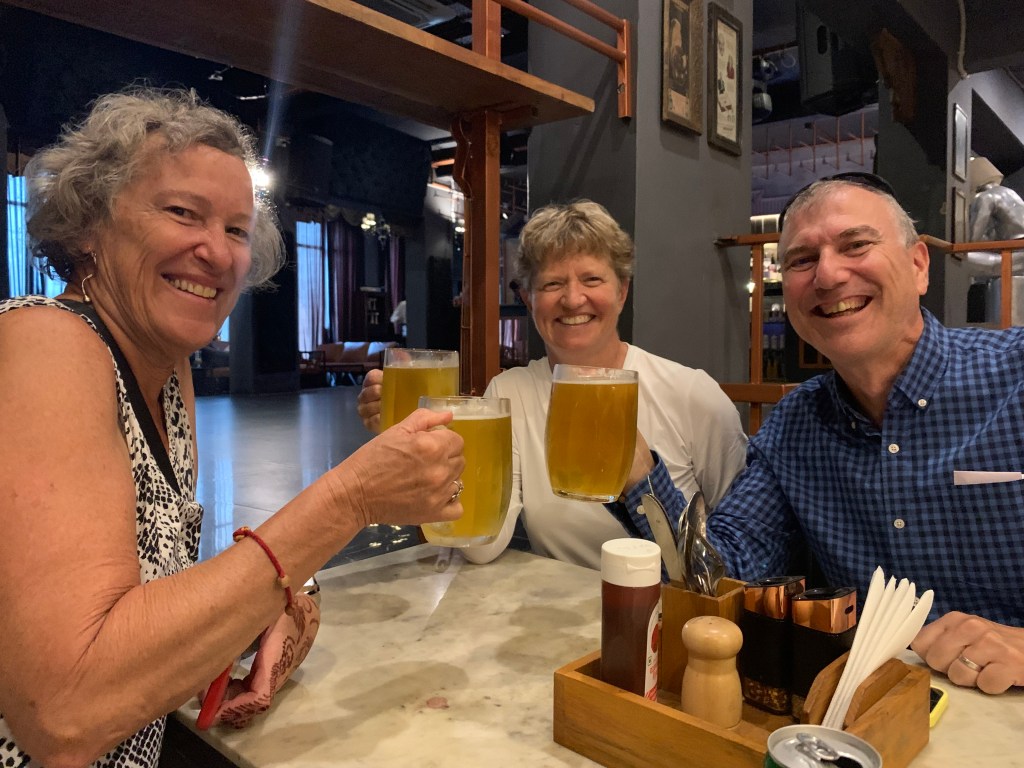
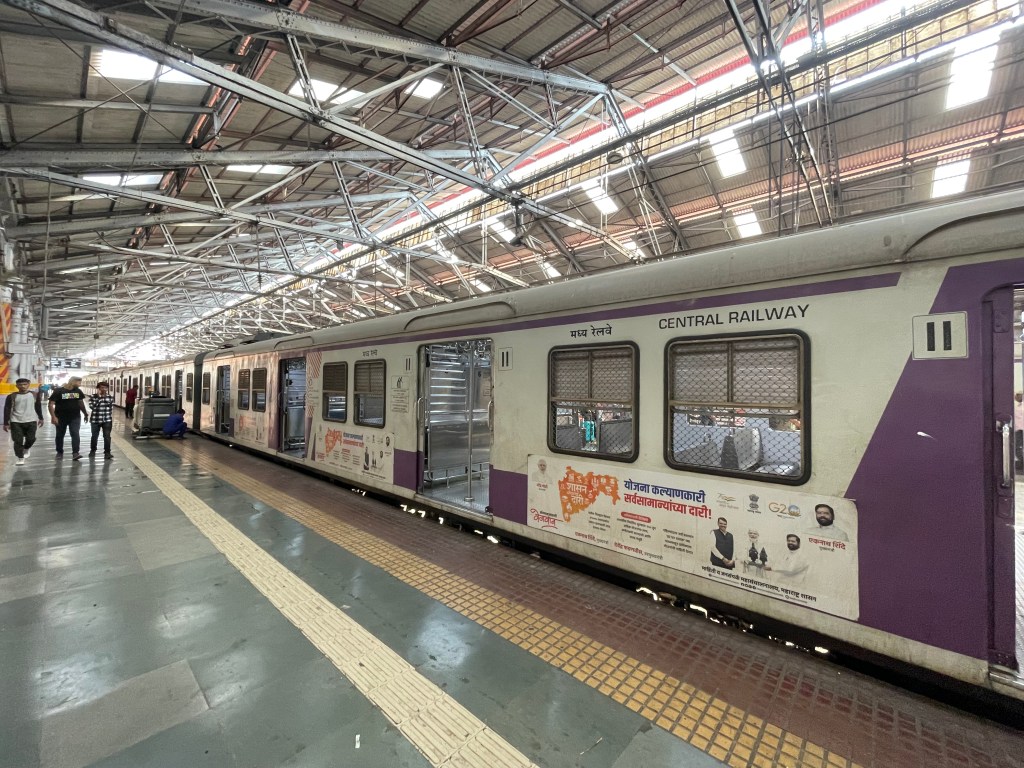
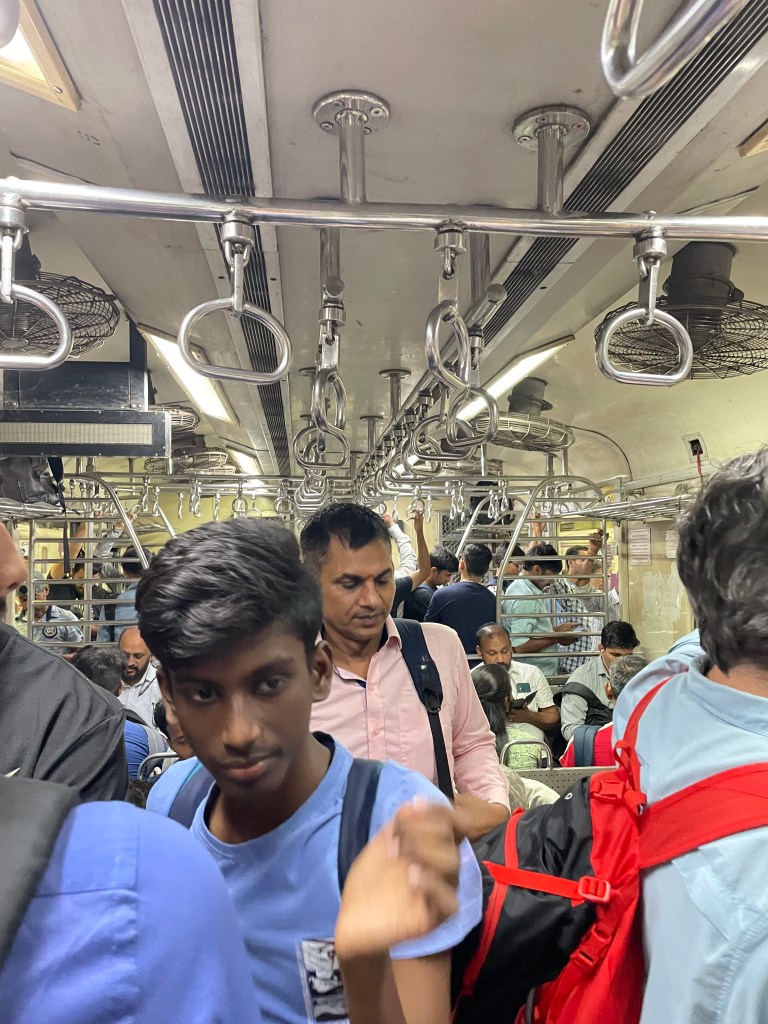
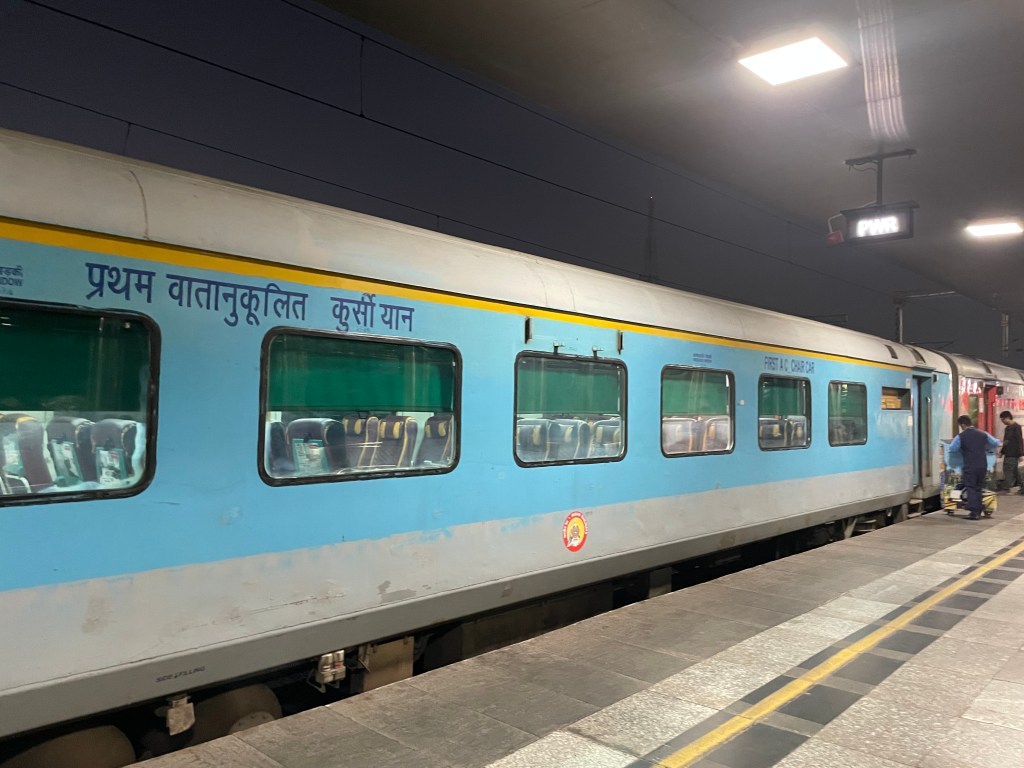
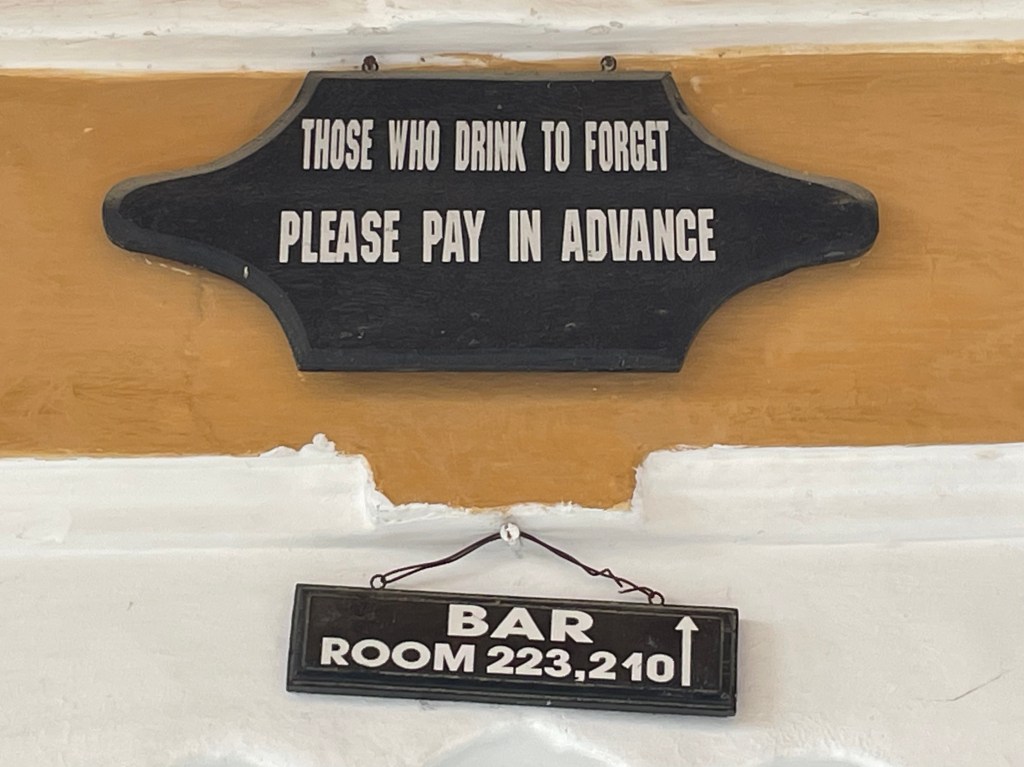
India encourages companies to move here to produce their products, creating jobs for its growing workforce. We were given a coupon for BOGO drink at one of our hotels which was good on IMFL alcohol. One of the books I was reading just explained that was Indian Made Foreign Liquor. Tesla wanted to build their cars in China and sell in India but were turned down. Tata makes a fine electric car, thank you very much. Hyundai, Suzuki, Toyota, etc all have plants in India. The owner of Tata, one of the biggest family of companies in India, saw a family of four on a motorcycle in the pouring rain and decided to do something about it. So he had a small two-cylinder car designed that cost $1,200, not much more than a motorcycle in India. His competitors labeled it the poor man’s car, and that with some other issues caused it to be a failure in the market. Much of India uses mass transportation. In Mumbai, one of the local trains designed to seat at little over 1,000 people transports close to 8,000 during rush hour. Fares are as low as 5 rupees and no more than 20 rupees or 25 cents, and that will get you across town. In Delhi, 4 million people use the metro everyday, the 2nd largest in the world. Although some of the metro is underground the majority, as far as I could tell, most are elevated trains. Certainly something Nashville should consider given our limestone.

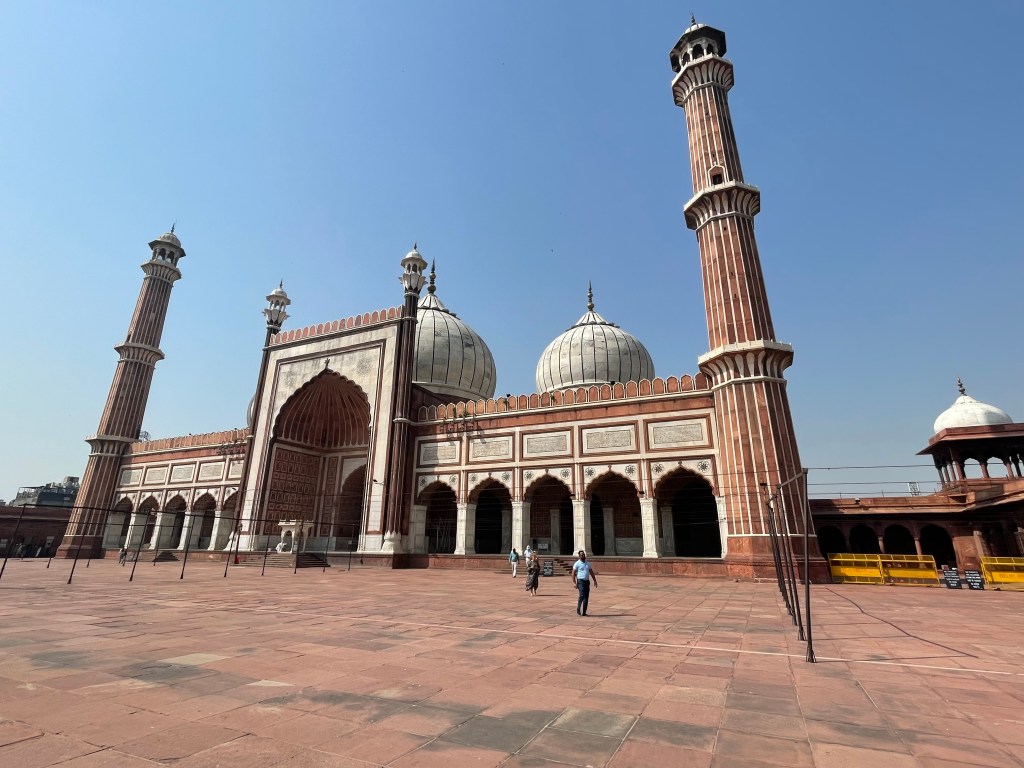
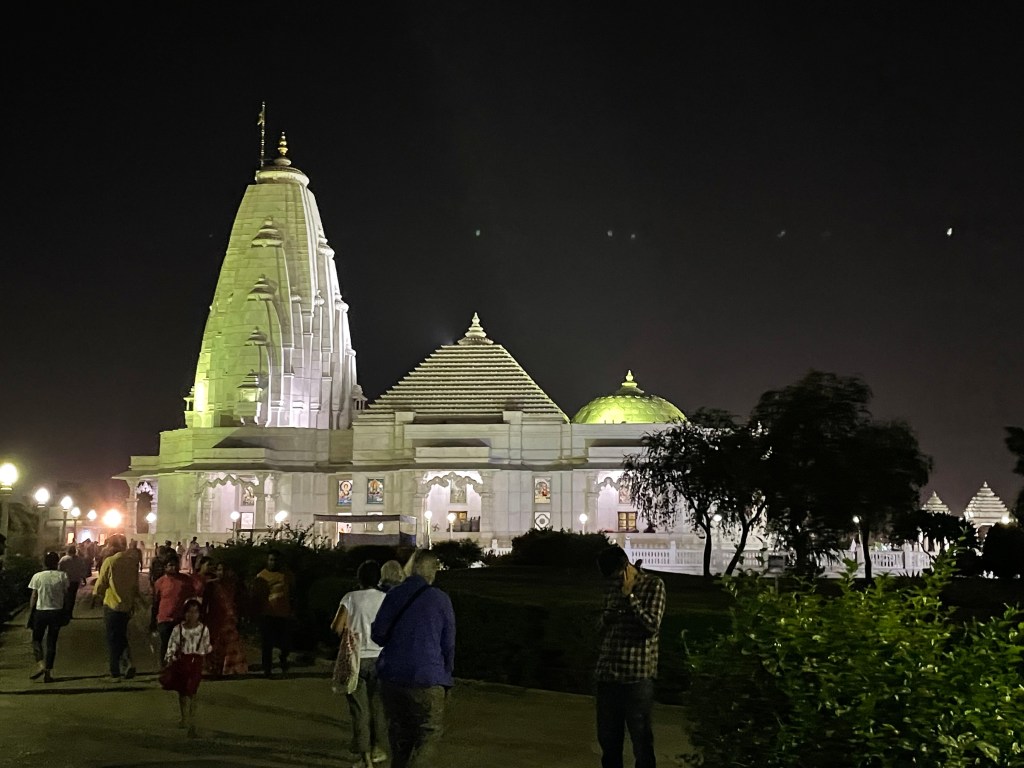
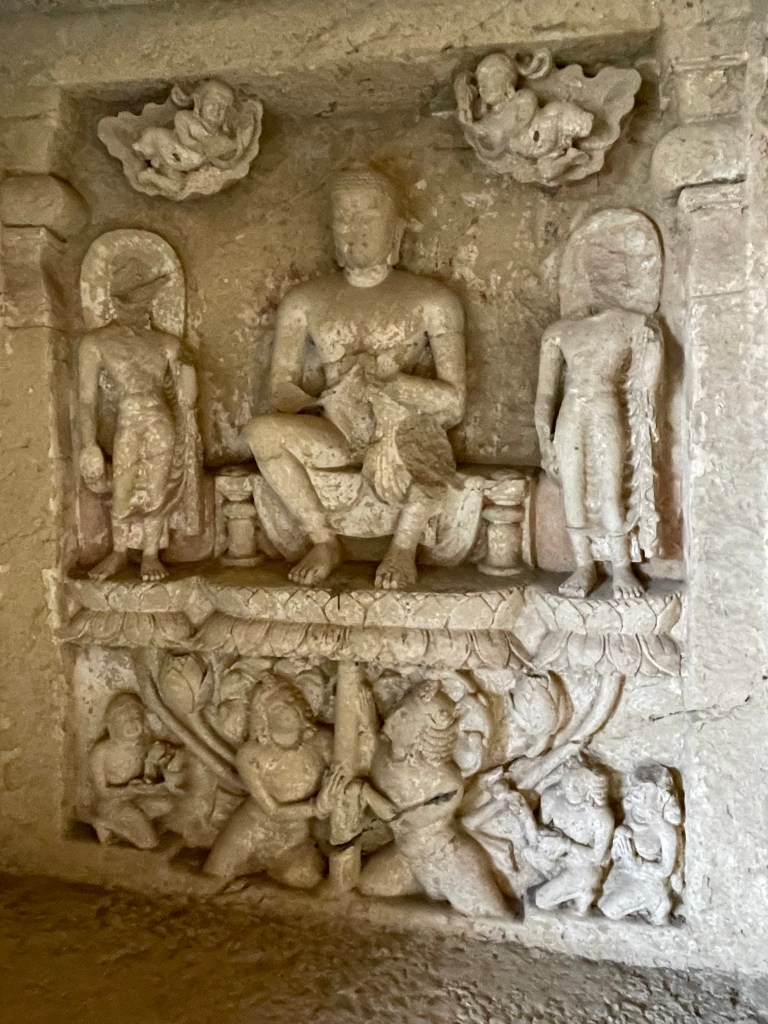
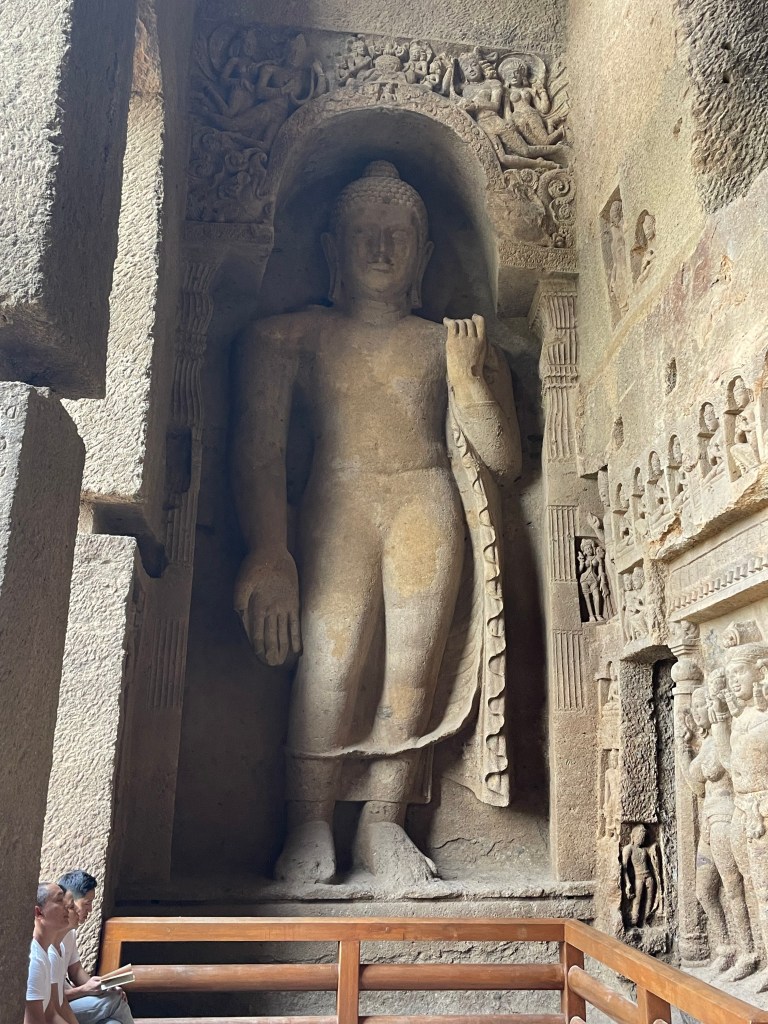
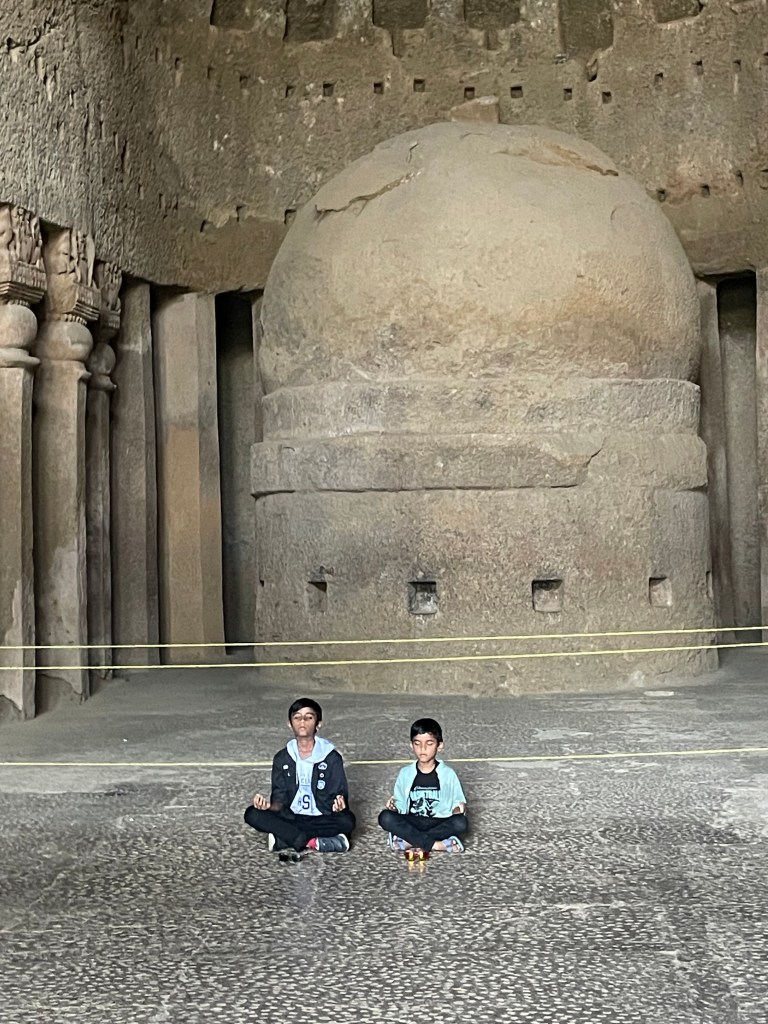
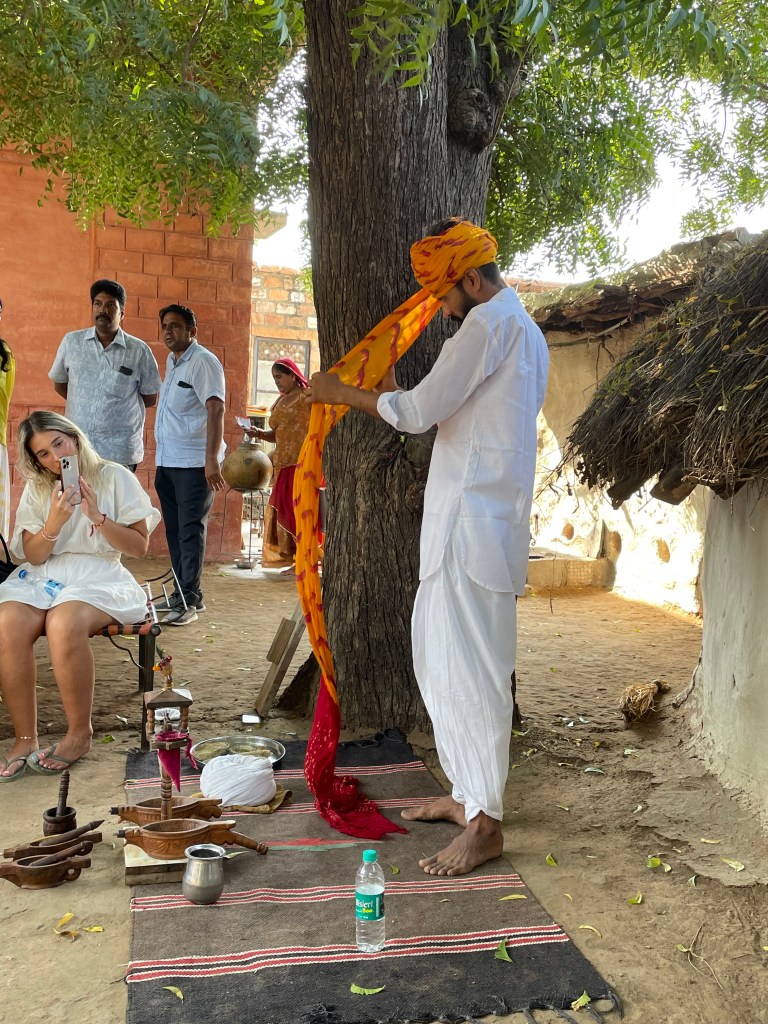
What captivates me about travel is the diversity of the sights that you see as well as the people and culture. In India I visited many different houses of worship – an ancient Hindu temple high above the city, an intricately carved white marble Jain temple, a newly constructed white marble Hindu temple, a Sikh temple and it’s grounds where thousands of people are feed daily without charge, and the Golden Pagoda, a Buddhist temple. Eighty percent of the Indian population is Hindu, 15% are Muslim which is the second largest Muslim population in the world, and the other 5% is Christian, Sikh, Jain or Buddhist. It amazes me every time I see a big ornate houses of worship, here or at home, the amount of money invested in a structure instead of in people. But then I struggle with religion in general. In Mumbai, the Kendari Caves was an amazing enclave of homes, schools, and temples for Buddhist monks built into the rocks staring in the 2nd century BC. And through it all ran a rain water filtration and collection system. There are inscriptions in Bali, Chinese and Japanese there, showing the range of cultures that inhabited it through the 12th century. It only become protected recently so it’s amazing how much was preserved. At one time all of the sophisticated carvings were covered in plaster and painted. Not bad for cave-dwellers.
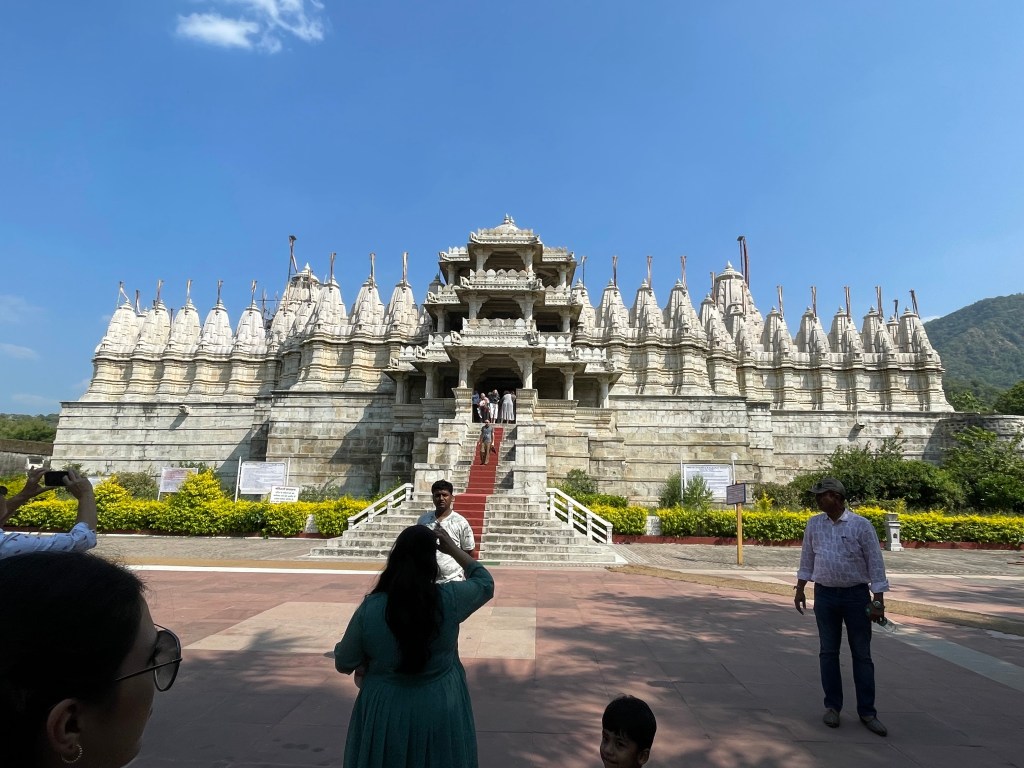
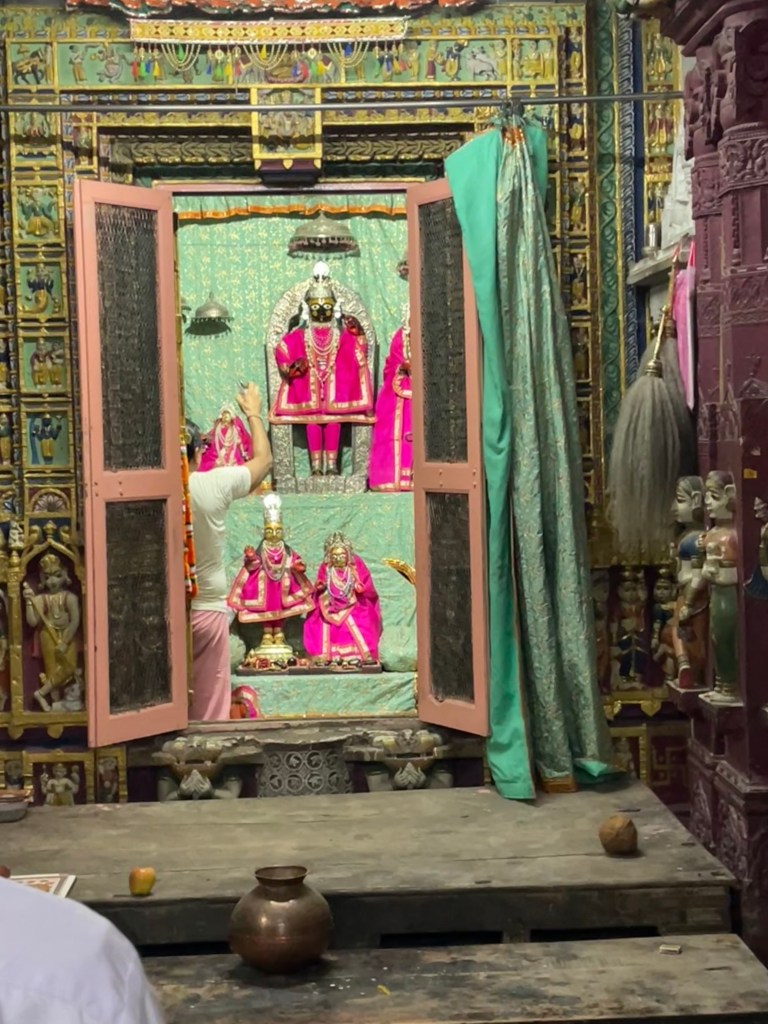
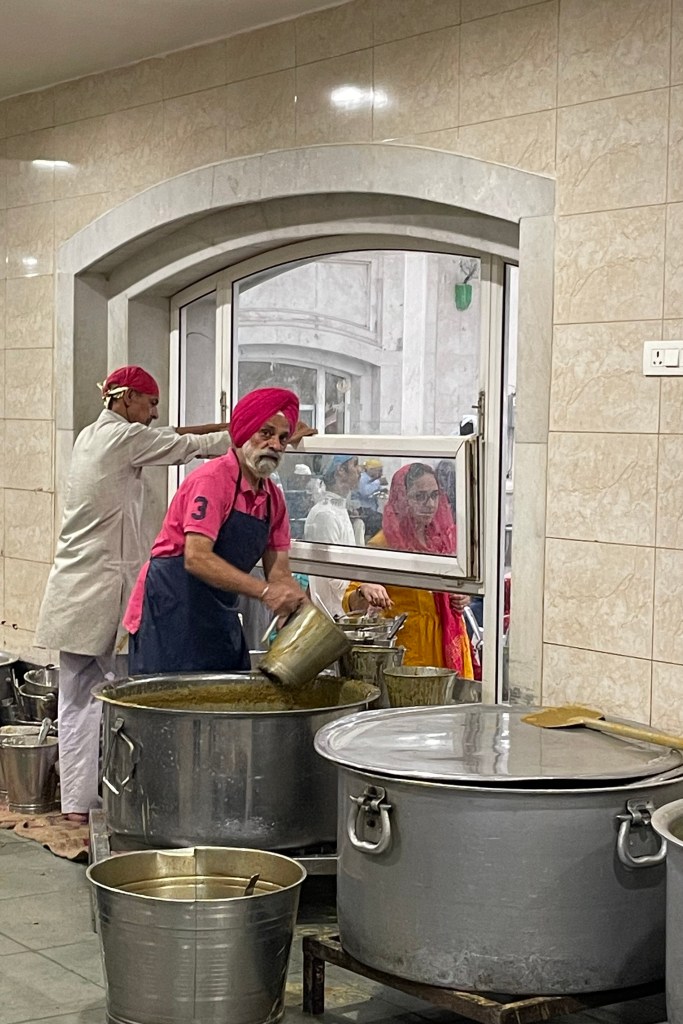
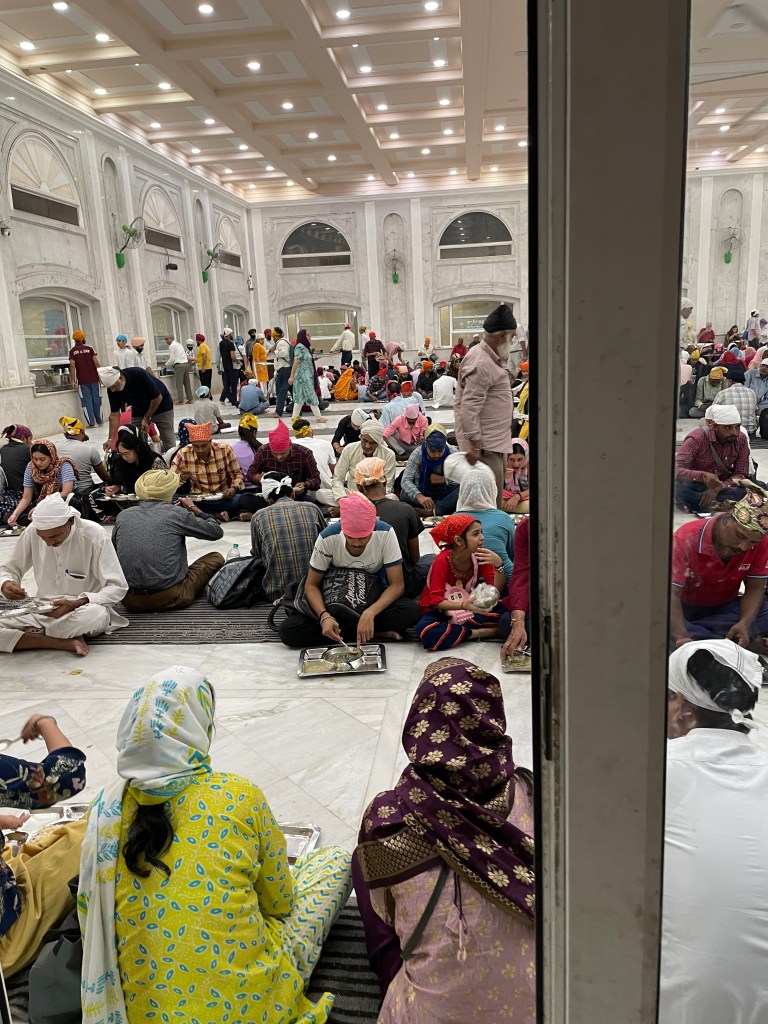
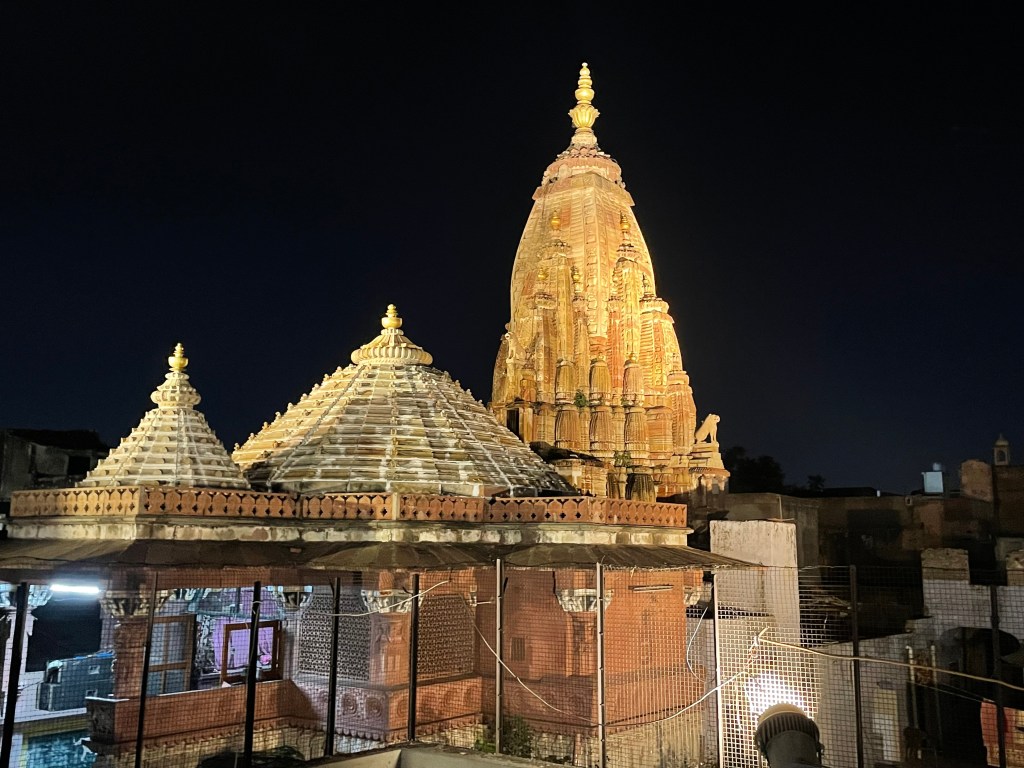
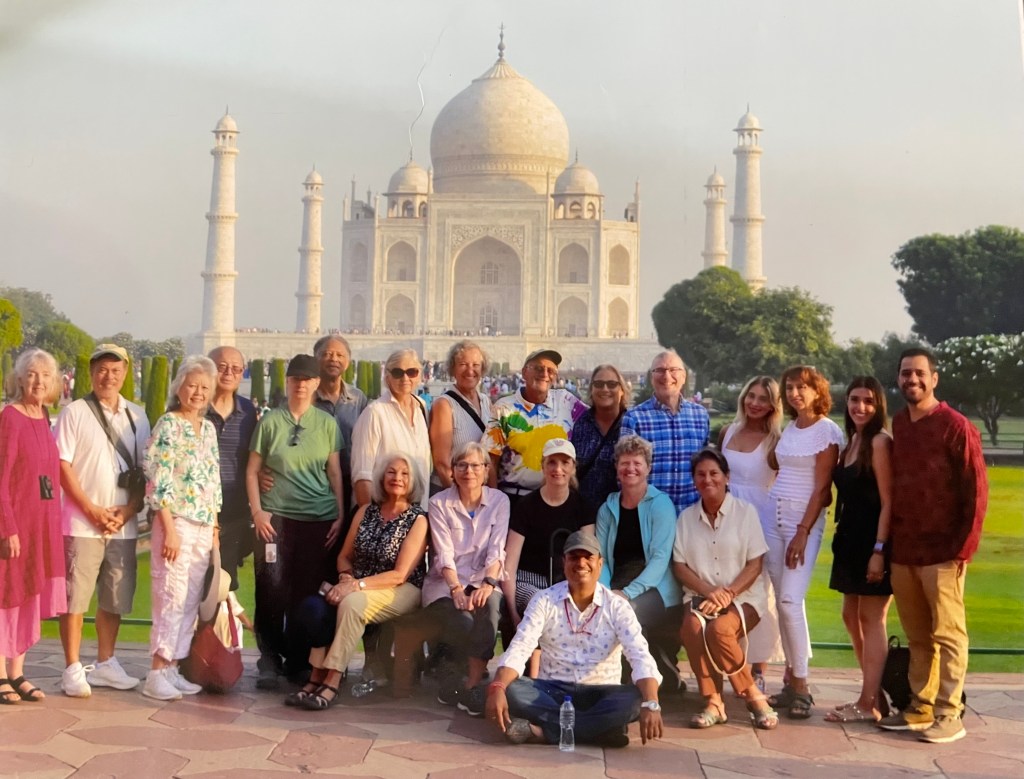
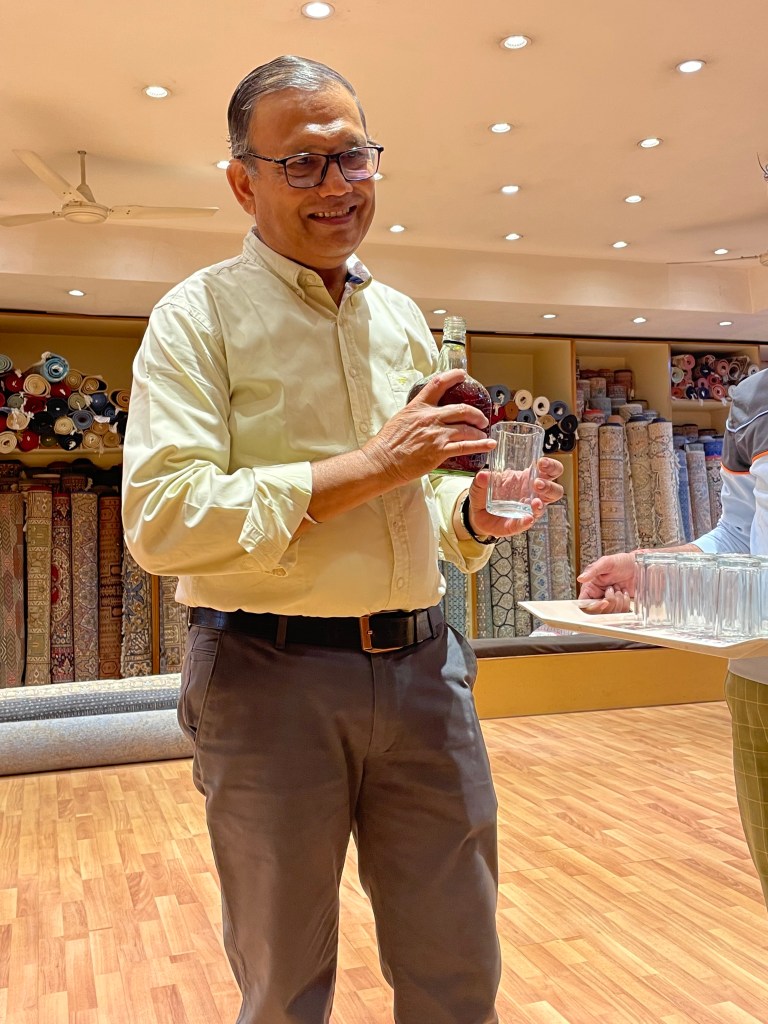
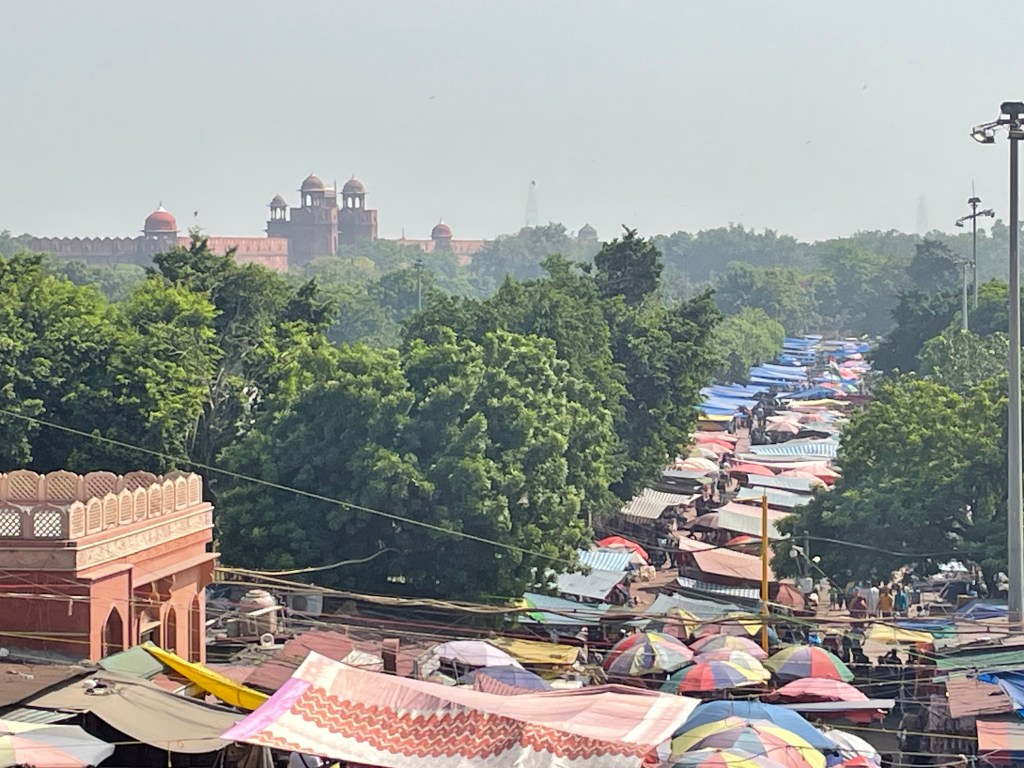
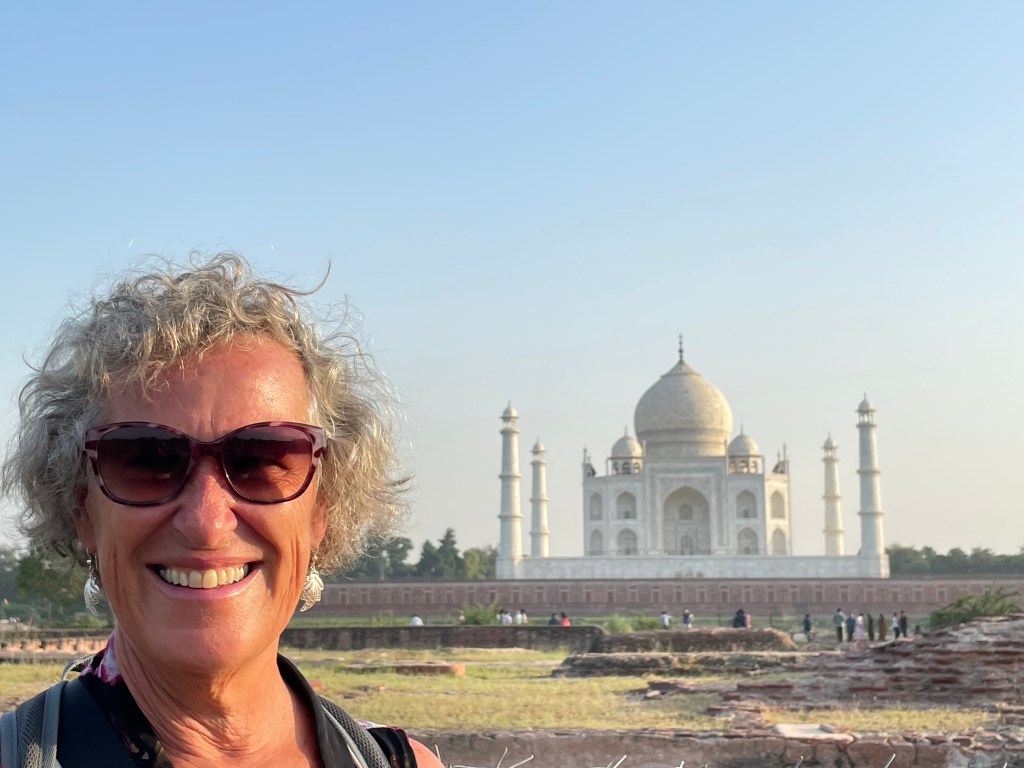
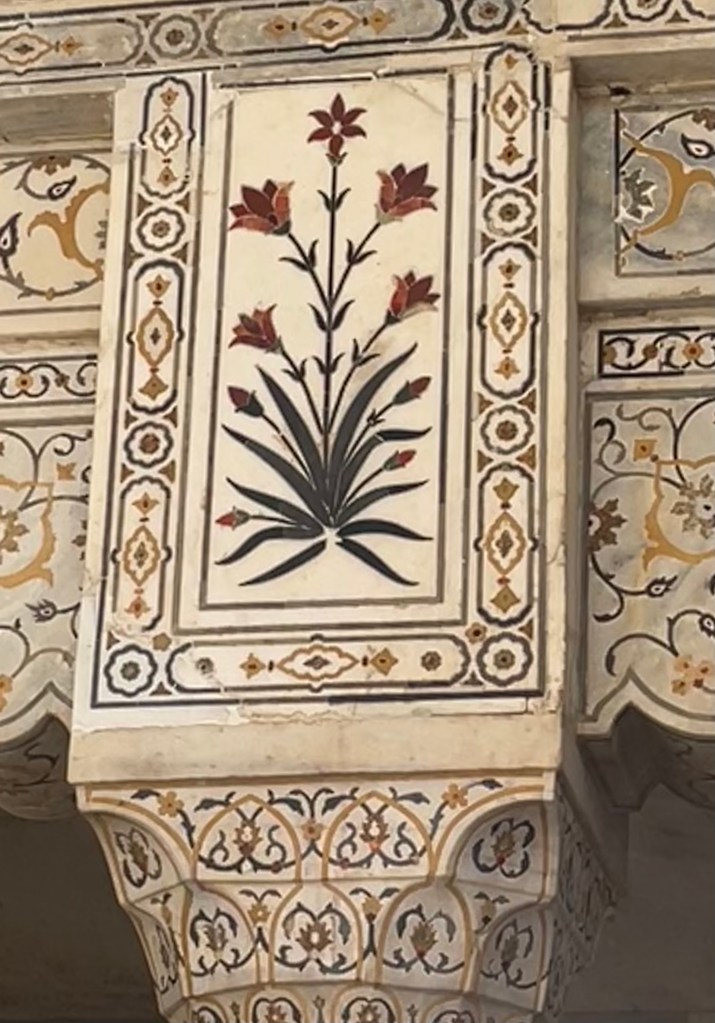
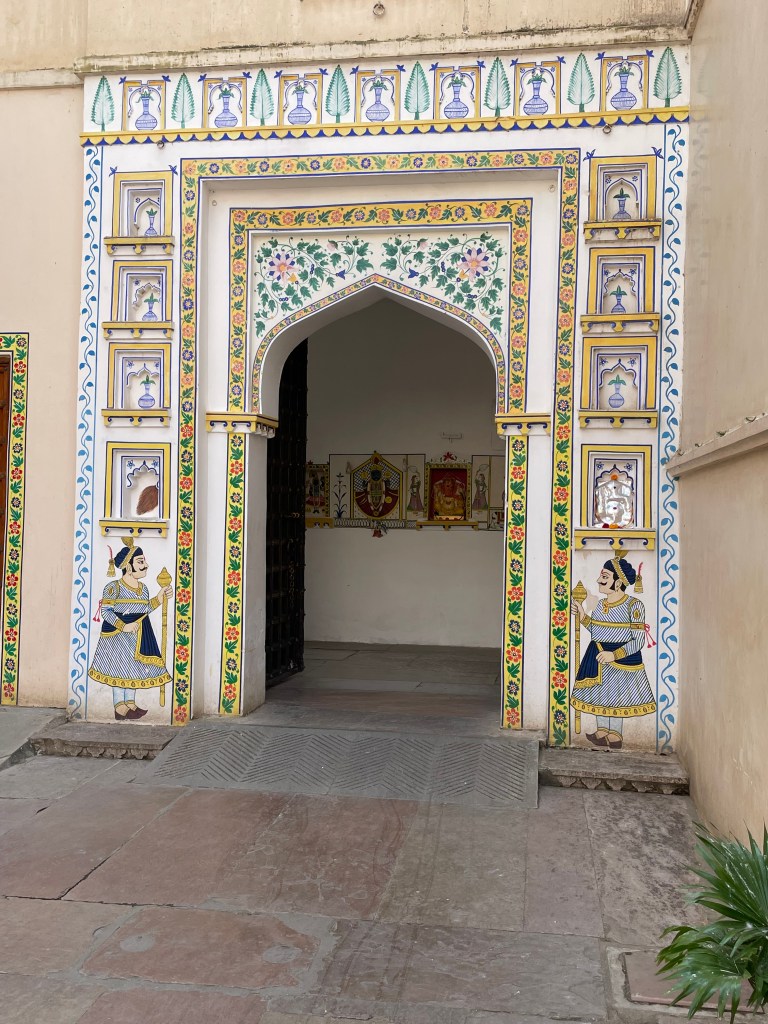
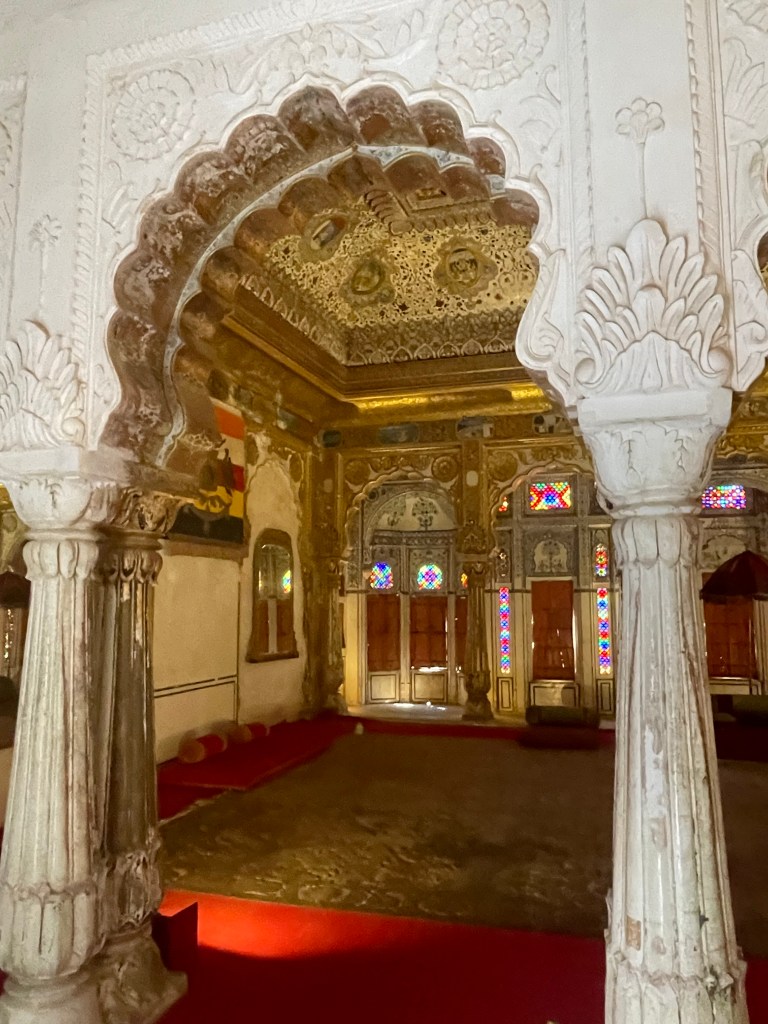
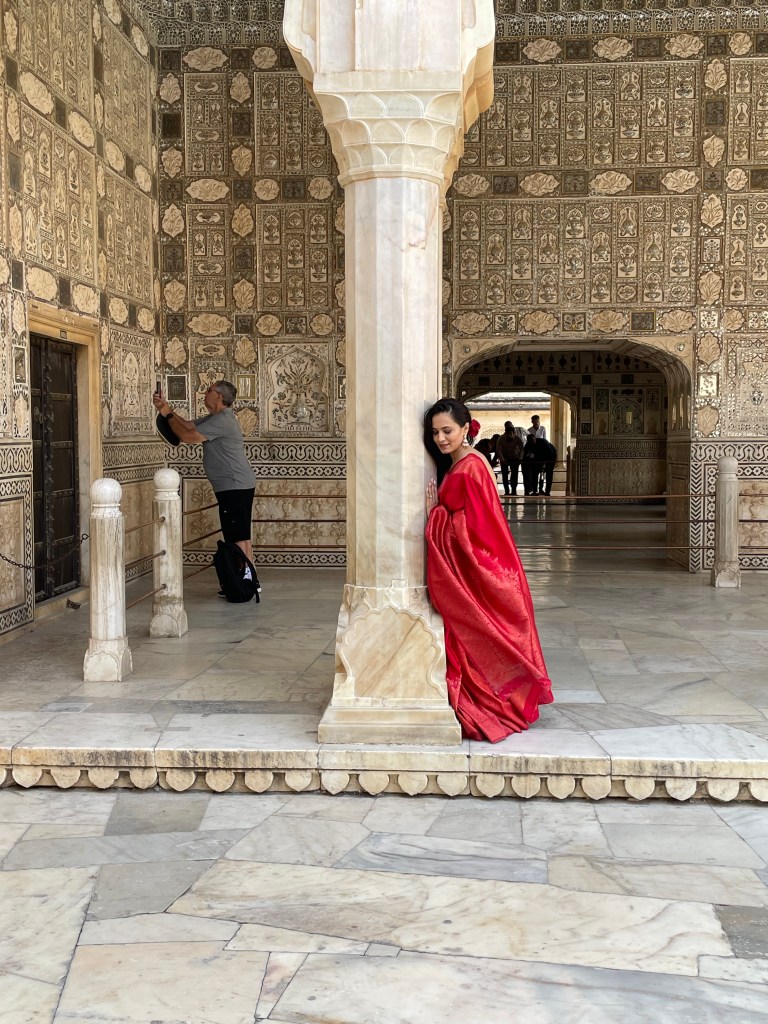
I saw the Taj Mahal, one of the new seven wonders of the world – I’ve now seen 5, an amazingly beautiful mausoleum. There are 22 national languages in India and over 1,000 dialects. It is quite diverse. We went to many forts and palaces, even staying in one in the small village of Deogarh. All had fascinating histories, beautiful in different ways with inlaid marble, delicately carved sandstone and rosewood, lovely gardens and courtyards, or arresting views. Many of the properties of the former rulers of the 562 kingdoms that existed in India before they became a nation, have been put to work earning incomes for the princes, either as tourist destinations or 5 star hotels. We shopped at street markets in many locations, filled with everything imaginable. It’s fun and overwhelming. If I only had more room in my suitcase, I would bring so many beautifully woven pashminas, brightly printed fabrics, ornate jewelry, and rugs woven of silk and cashmere home with me.
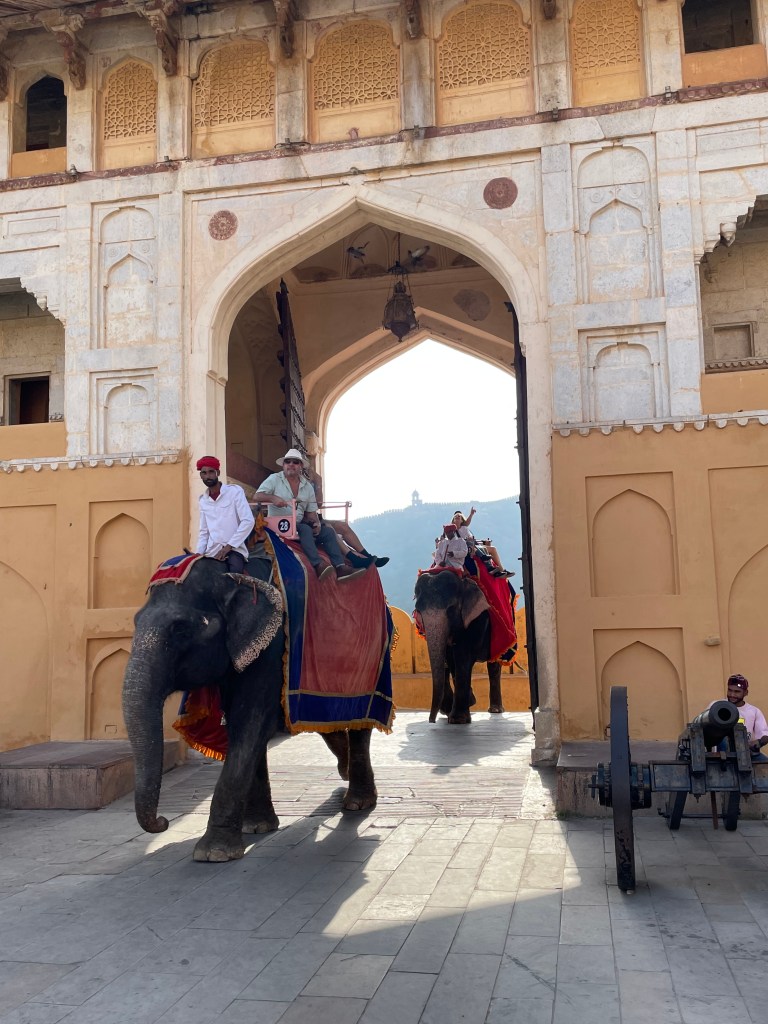


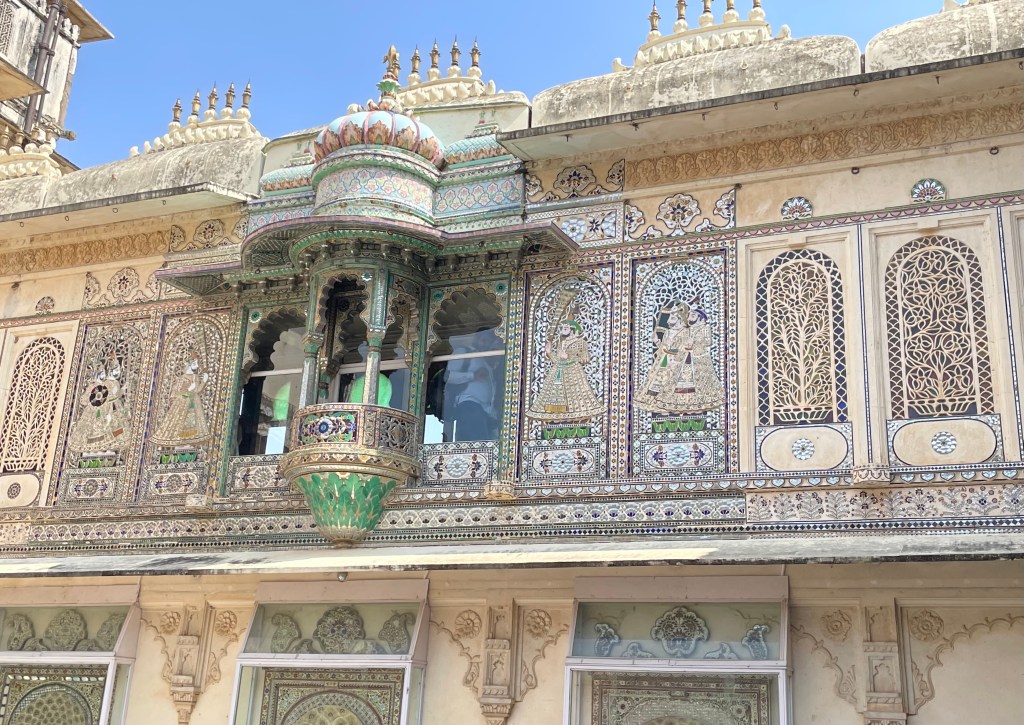

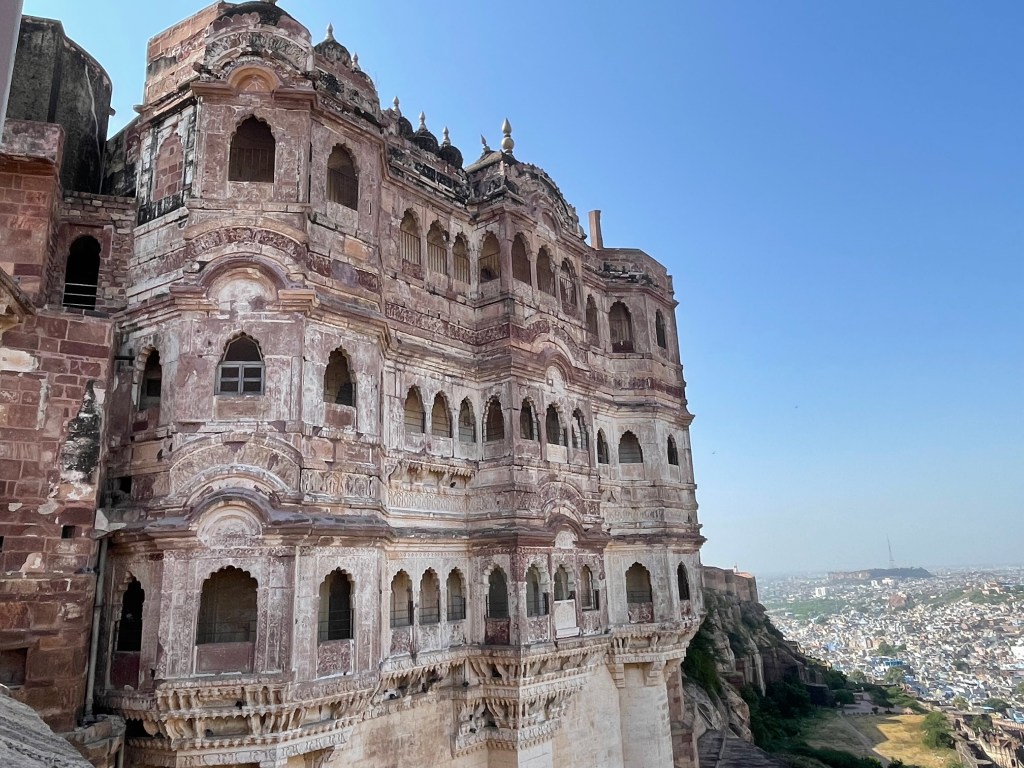

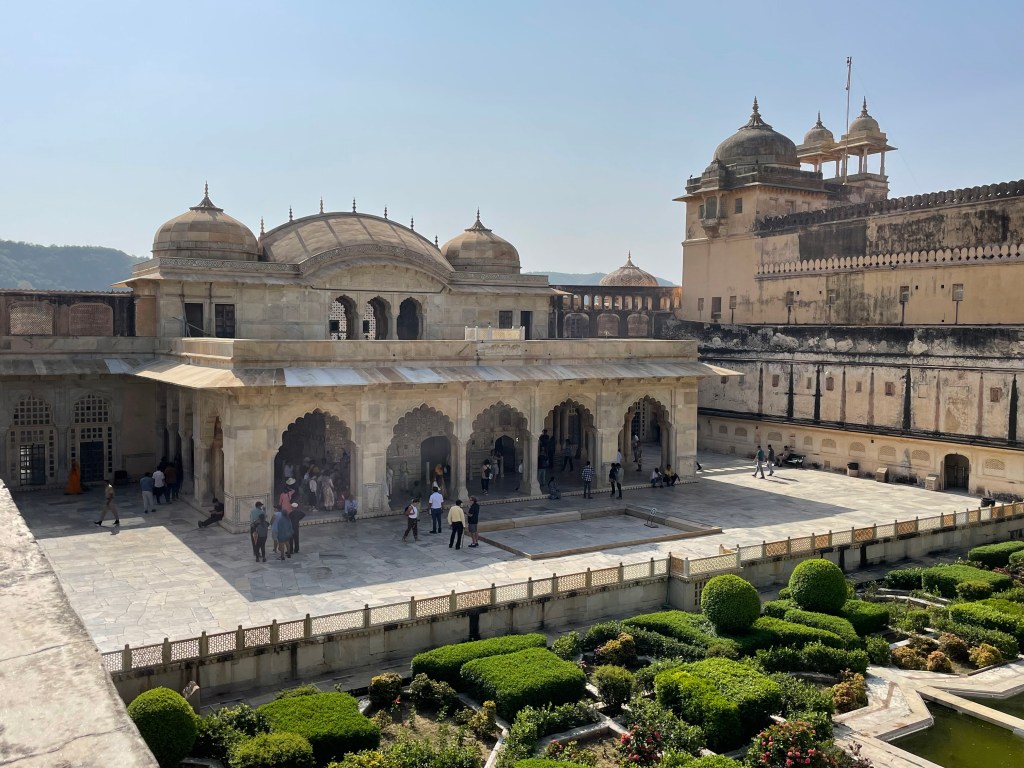
As with most tours, we traveled in an array of conveyances including our bus, a train, a boat, jeeps, a bicycle rickshaw, a motorized rickshaw or tuk tuk- several times, a taxi, as well as a local train, a city bus and ferry in Mumbai. Oh, and on the back of a motorcycle in Goa. My favorite was the rickshaws as they were the most hair raising. No animals were made to carry us on this trip.
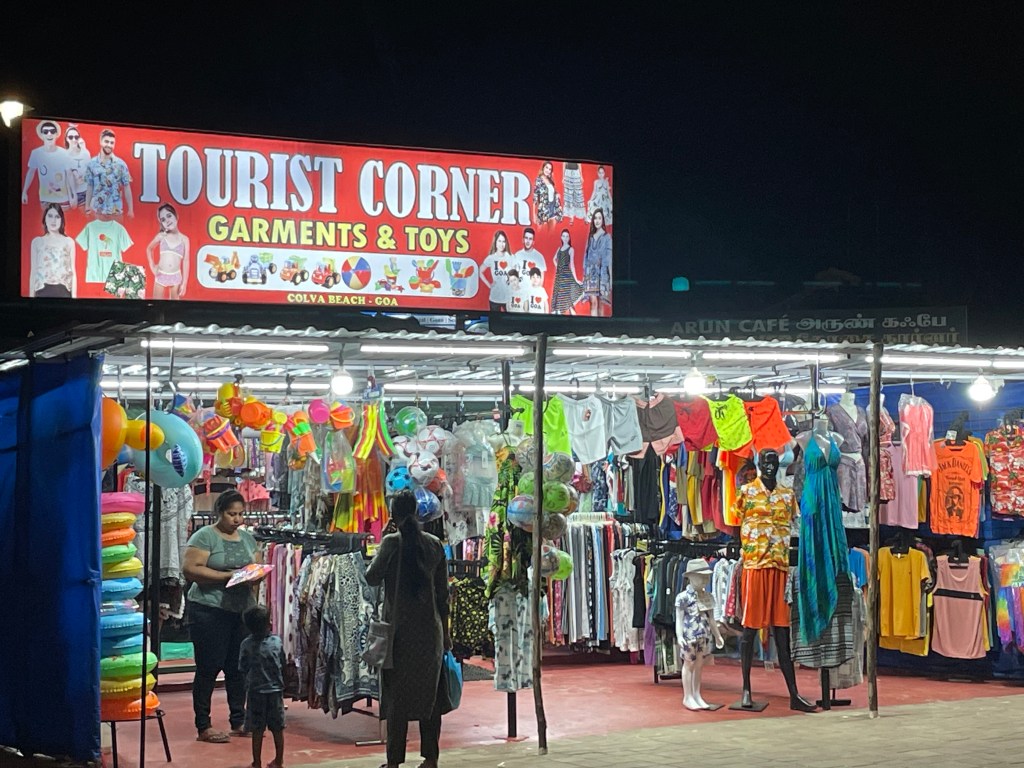
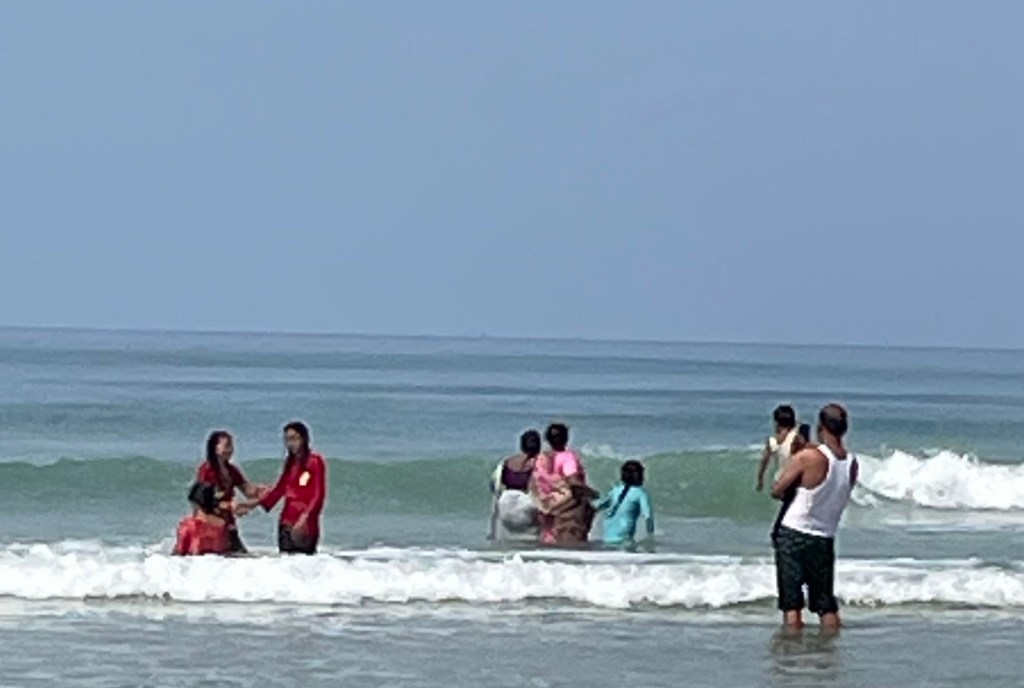
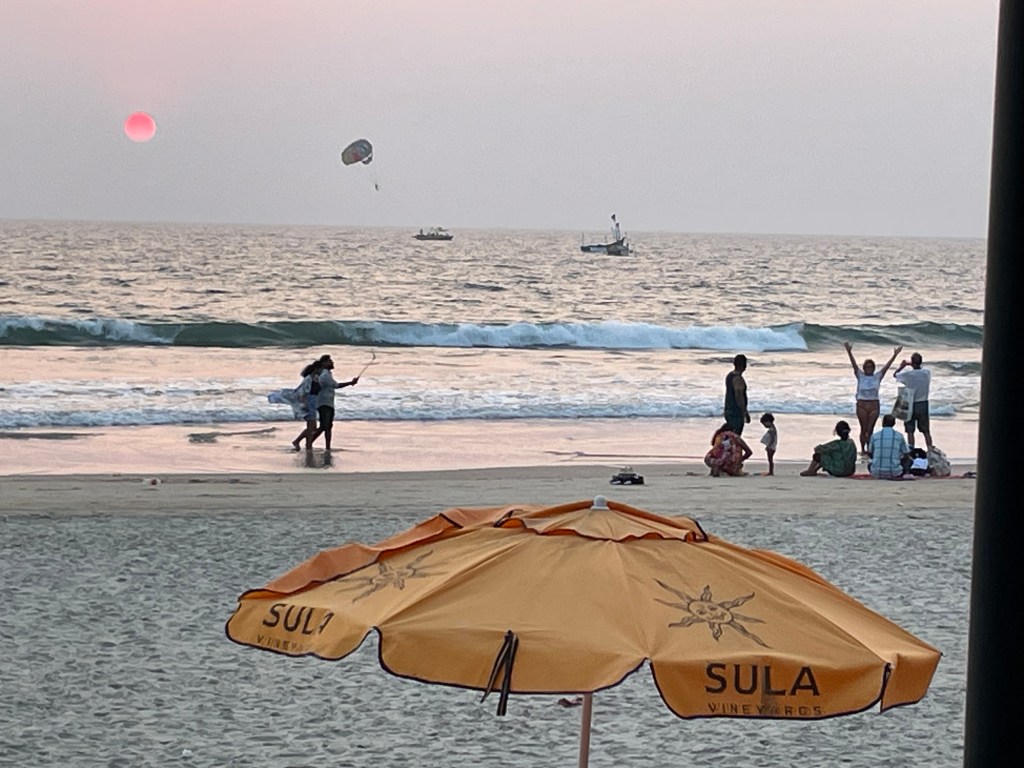
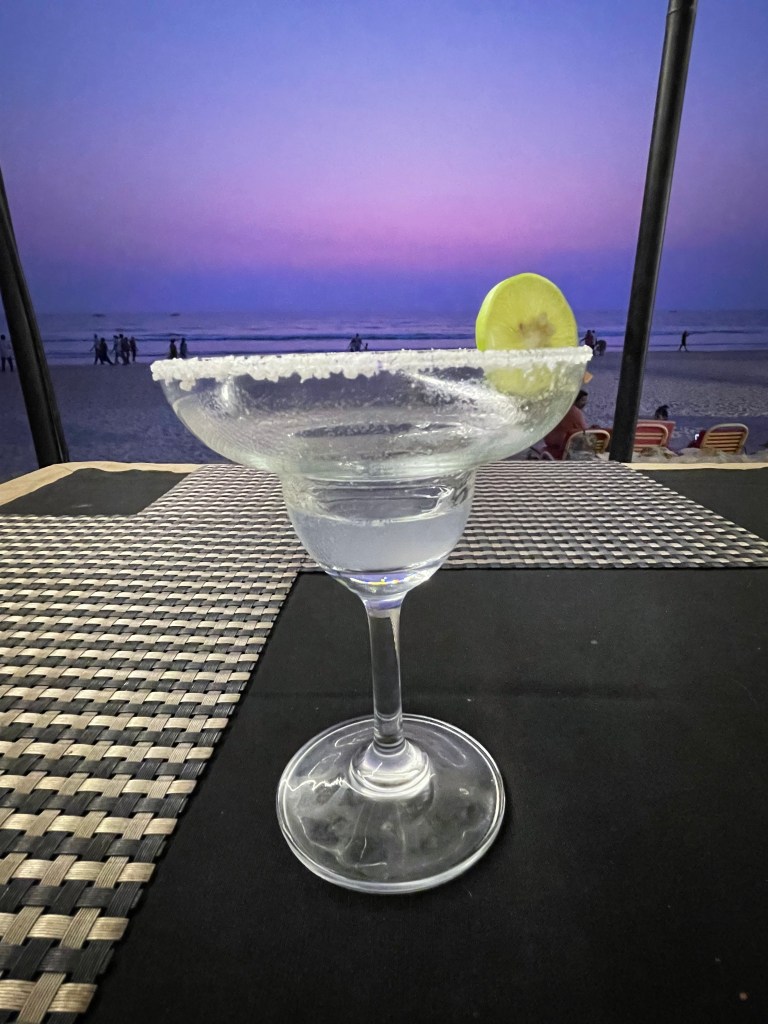
I stayed at Colva Beach in Goa, south of Mumbai and quite by accident picked an area that was not filled with international tourists, but Indians on a beach holiday. Goa is also a big honeymoon destination. It was so much fun to see the similarities and differences between a getaway I might take on the gulf beaches and what occurred here. There were restaurants and tourist gift shops lining the roads leading to the beach as well vendors with ice cream carts, plastic sand toys, balloons and more. The even had photographers there to help you capture the moment. I remember, quite a few years ago, I had a glamour shot done on the beach. They had dolphin watching boats, parasailing and jet skis available. Little kids were running naked through the shallow water and parents held the hands of slightly bigger ones as they tried to jump the waves. The beach was punctuated with red, yellow or orange warning flags, depending on the day and weather conditions. The ocean was dotted with bodies. But not one of them had on a swimming suit or costume as they call it here. Well maybe some of the men, but it’s hard to tell the difference between shorts and trunks really. The most risqué woman I saw had on blue jean shorts and a white t-shirt. Most of the other women were walking, standing or sitting in the ocean wearing either a sari, a kameez, or pants and a top. Most men donned t-shirts, only occasionally one was bare chested. Young or old, it didn’t matter. And of course there were dogs and cows on the beach. Dogs I’ve seen at home but nary a cow.


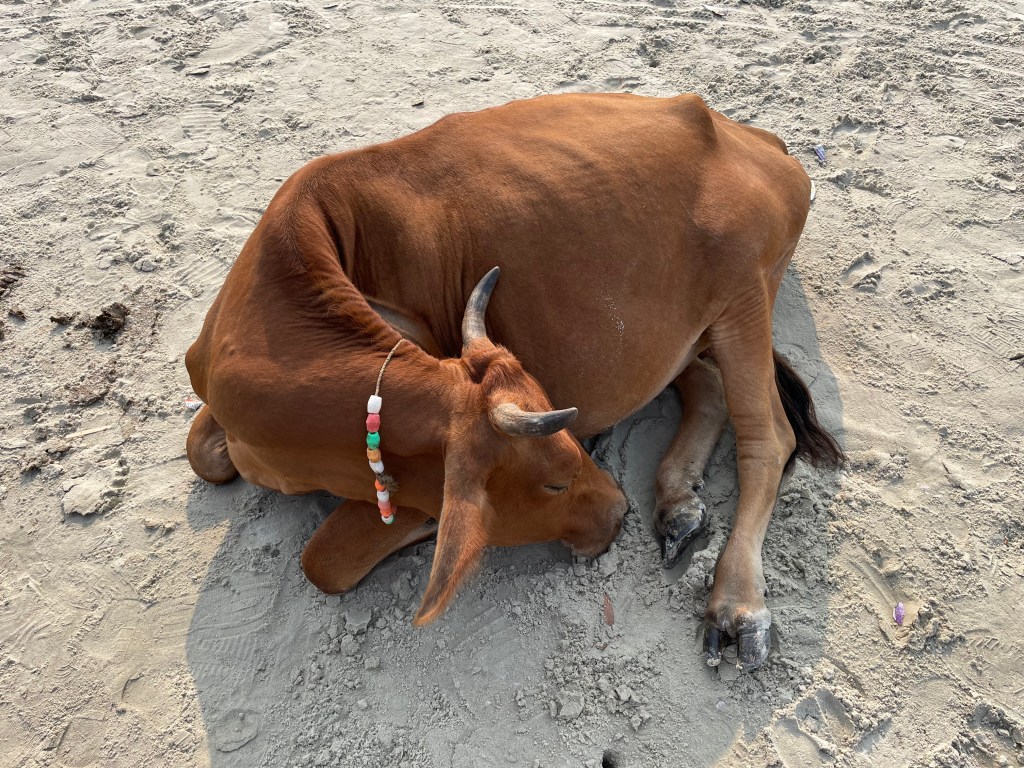
Speaking of cows. Those cows you see every where in India, most likely someone owns them. And they really have a racket going on. Hindus are supposed to feed a cow or dog everyday and maybe some other creature like a pigeon or a fish, if their astrologer suggests it to break a bad spell or bring good luck. So the owners, milk their cows in the morning and then let them loose to wander and scour the countryside or city for food. Good Hindus will then feed them on their way to work or the temple for morning prayers. Some of the owners also bring cut hay into the town or city and sell it, providing the grass for people to feed their cows. Cows, being a creature of habit, will then walk home in the evening, be milked again and put up for the night before being let loose to meander again in the morning.


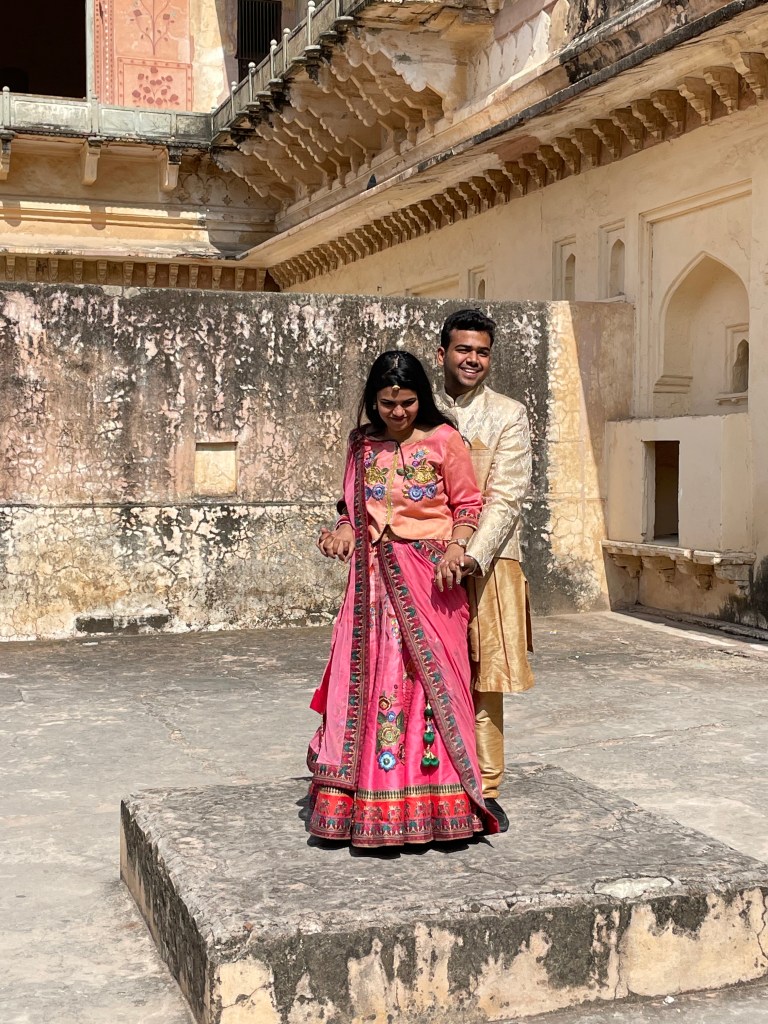
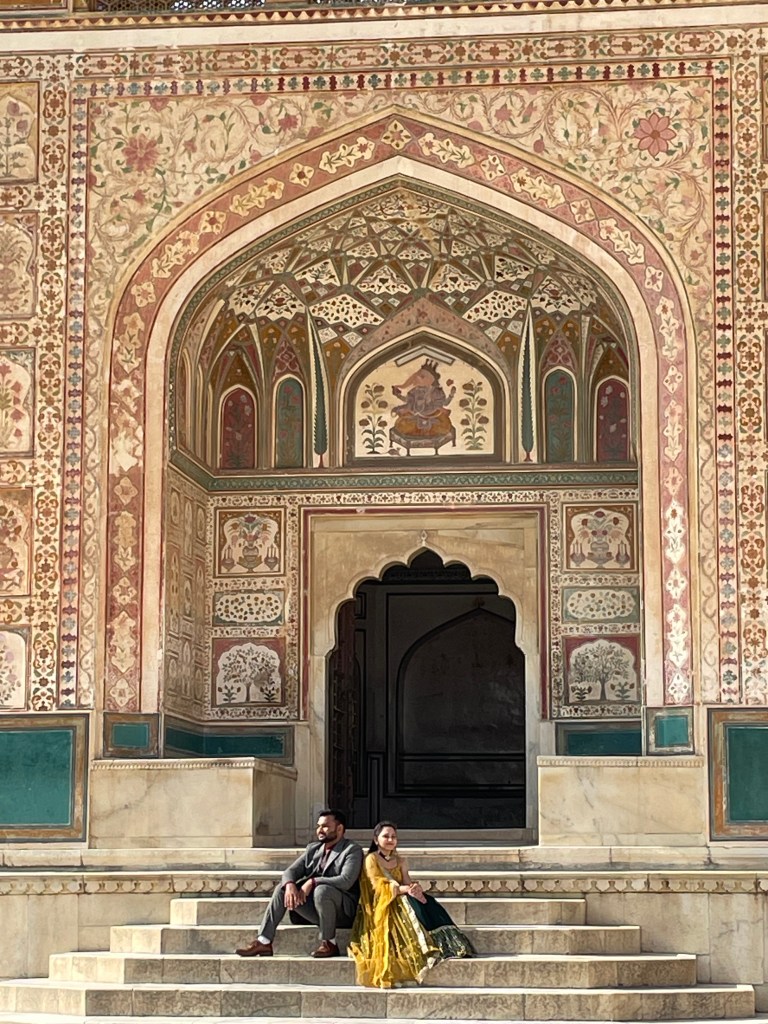
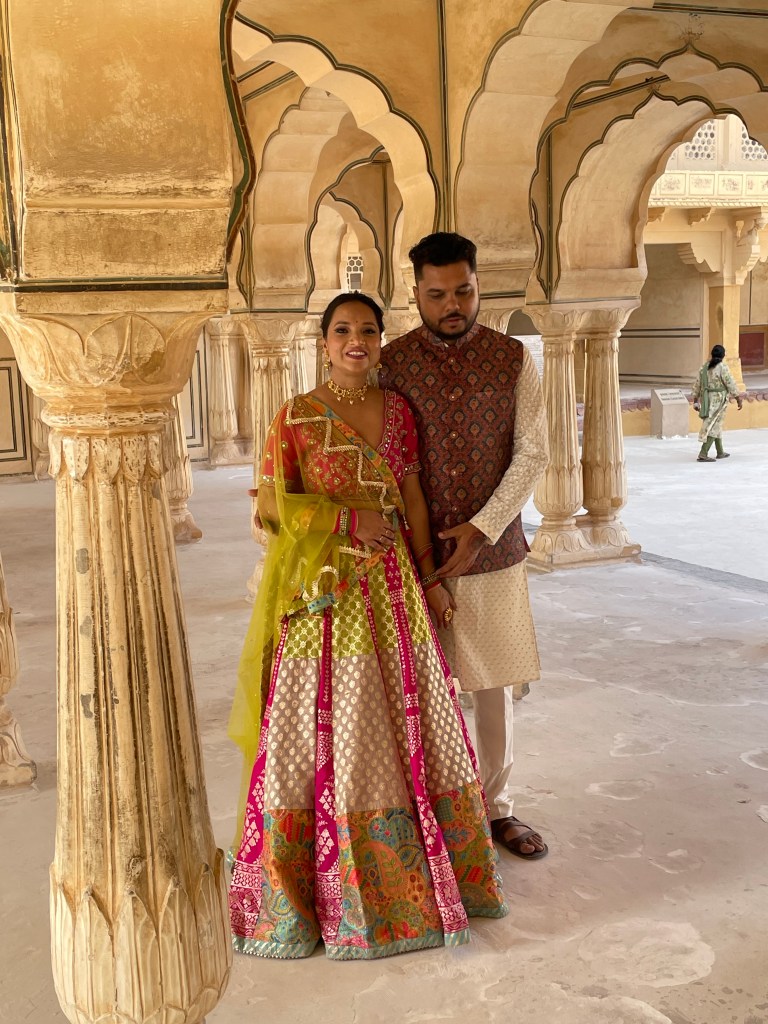
I know this is getting really long but just a few more things. Arranged marriage is still common here, 95 to 97 percent. And they have less than a 1% divorce rate. My guide joked that the only reason his arranged marriage worked was because he traveled so much. I wondered if there was a lot of truth to that. Here though a wedding is a union of two families so it’s much more complex. Divorces are available but it’s a long process, with multiple interventions by family members to get them to work it out. When it’s time for the divorce hearing, why the wanted to get divorced may be forgotten. Several of the young guides I talked with seemed pretty content with the idea of an arranged marriage. A few felt if they found a good match on their own before they got too old – late 20’s to early 30’s, they would be allowed to marry their choice. The minimum number of people invited to a middle class wedding is 800 to 1000, weddings of 3,000 people is not uncommon. Dowries are still given but in my guide’s viewpoint, it is a way to give any sisters their share of the estate as the oldest son usually lives with his parents even after he’s married and inherits the property. Gold is a common wedding gift and dowry here, 2.5 tons of gold are sold every day in India. It’s a way to hide your wealth.
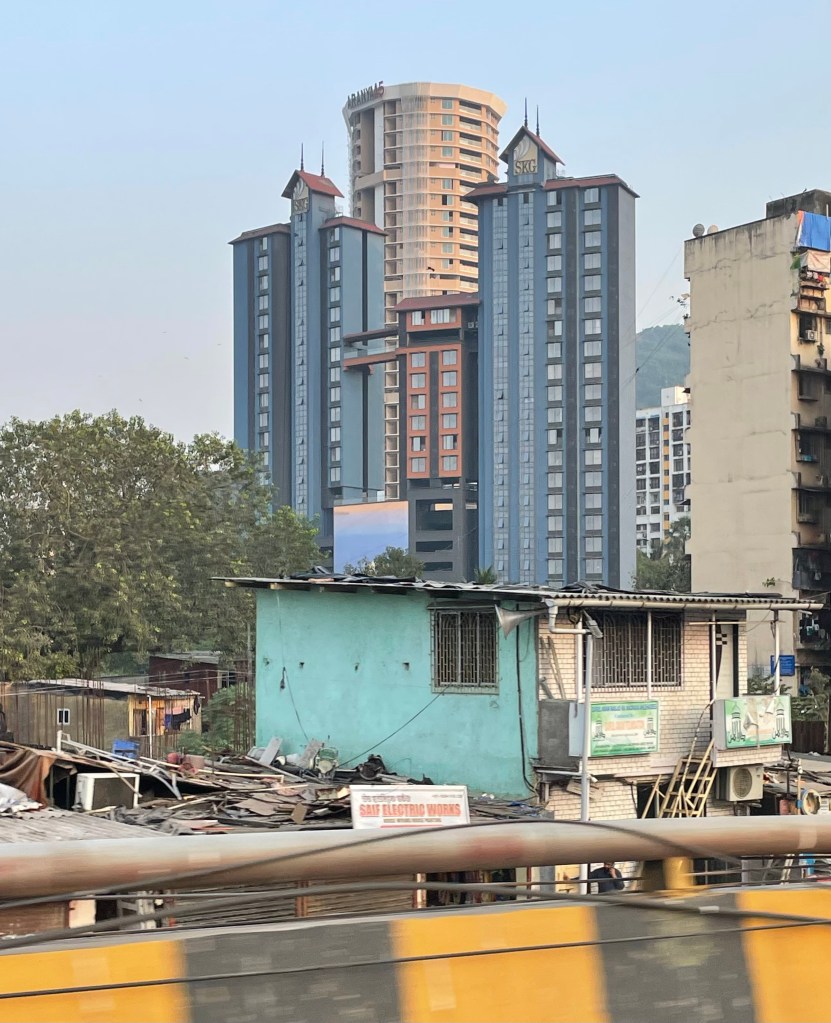
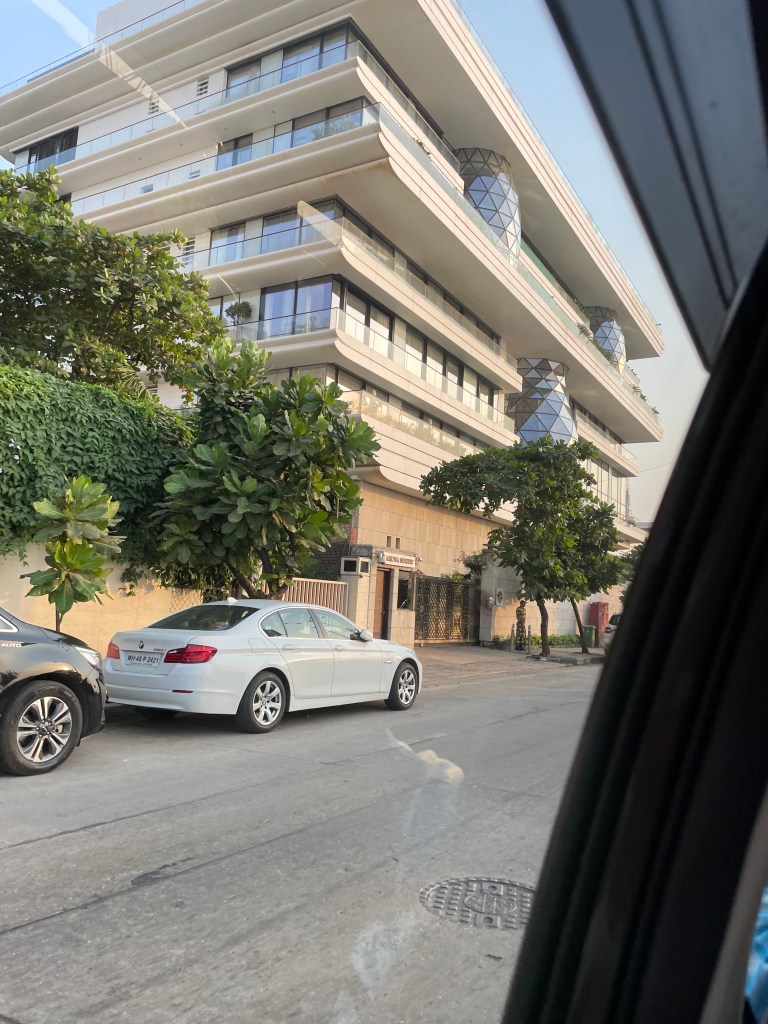
I think in Mumbai the inequality between the rich and poor was most evident. The slum here is one of the largest in the world with over 1 million residents. Not far away the richest man in India owns a 27 story home that cost 2.7B to build, has 6 floors just hold his 166 cars – which I would bet he never drives in Mumbai. Only 6 people live in the home but they have 600 servants. He also built another large, expensive home, though not quite as expansive, for his daughter. It seems ostentatious. An increase in his employee’s wages could go along way to raise people out of poverty. “There is a sufficiency in the world for man’s need but not for man’s greed.” Mahatma Gandhi. Less than 2% of the Indian population are Jains but they control 62% of the wealth, and as business men have for centuries.

I was tempted to invest some of my money in India but didn’t have time to really explore the possibility. There were advertising 9.2% interest rates for seniors with deposits of 400 days. That’s almost twice what I’m earning at home. Even the everyday person could get 7.5%. Interest rates on mortgages? 8.5%
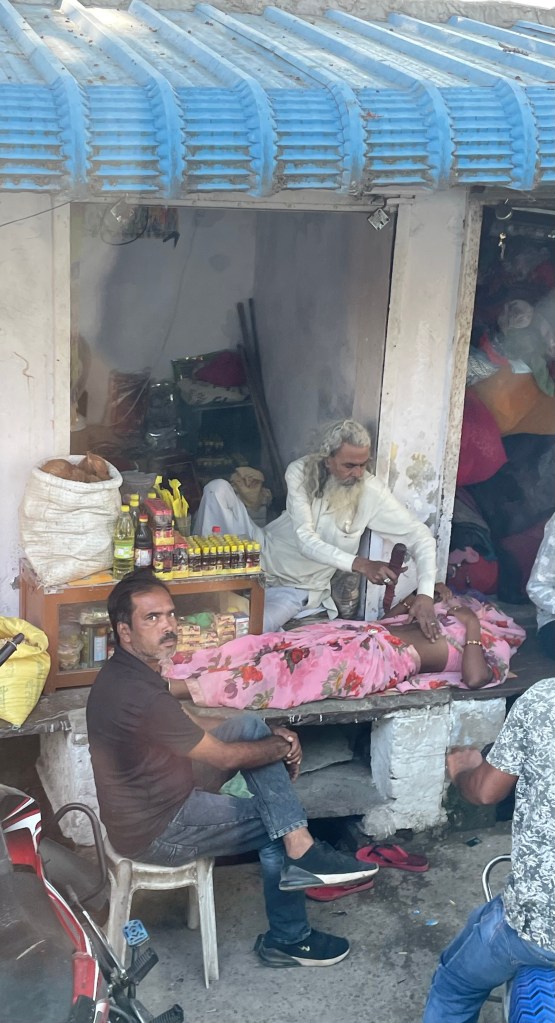
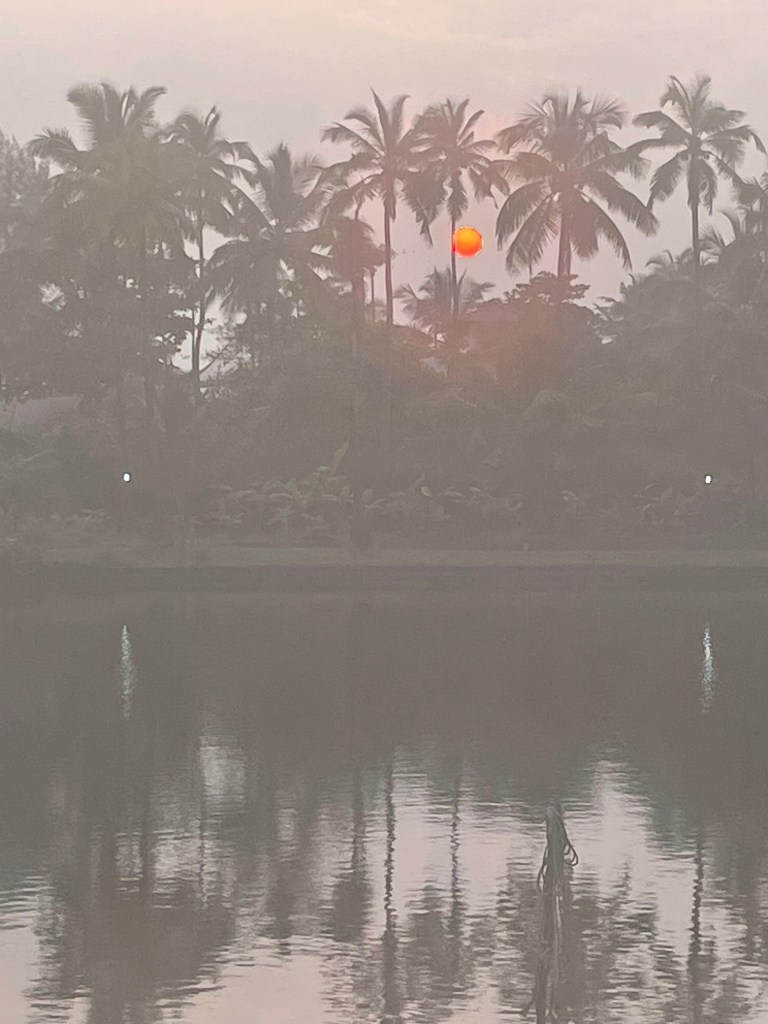
My week at the wellness retreat was great. It helped me recover from my sinus infection. I rested a lot, did yoga one or twice a day, as well a Yoga Nidra – 30 minutes of relaxation while a singing bowl is played, had a daily massage – lovely, and walked around the small lake in the middle of the compound. I learned to meditate and am trying to make it a daily practice, it’s very relaxing and 15-20 minutes goes by in no time. And ate plenty of vegetarian food, detox drinks, and fresh juices. I even went the whole week without one alcoholic drink!
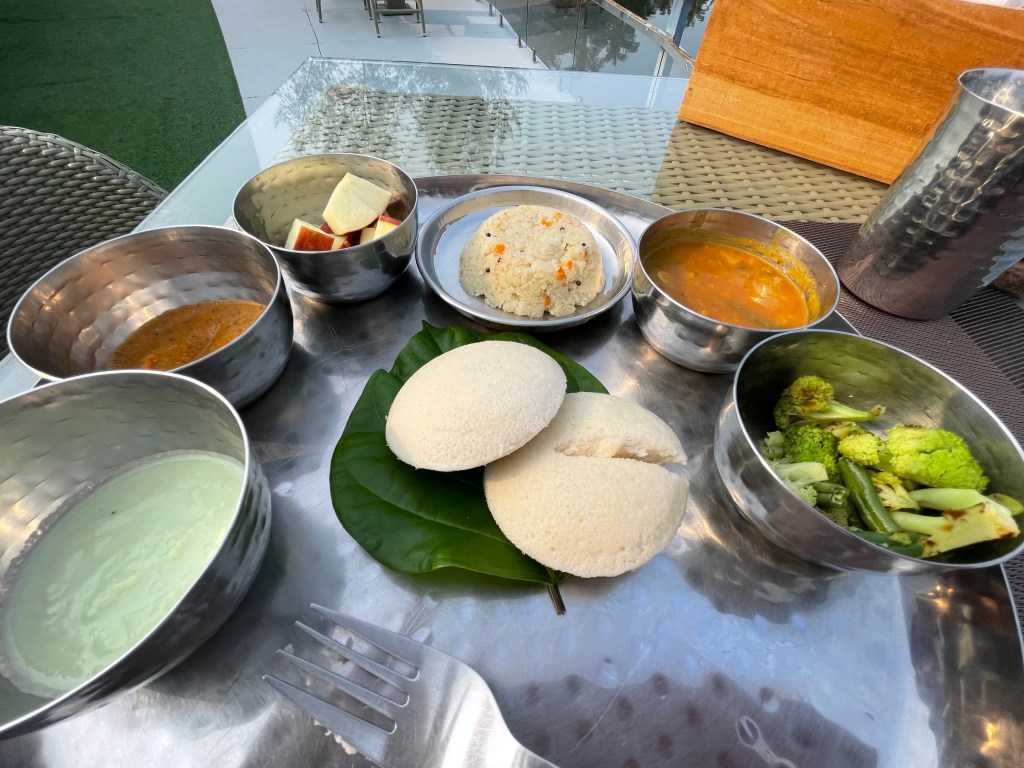
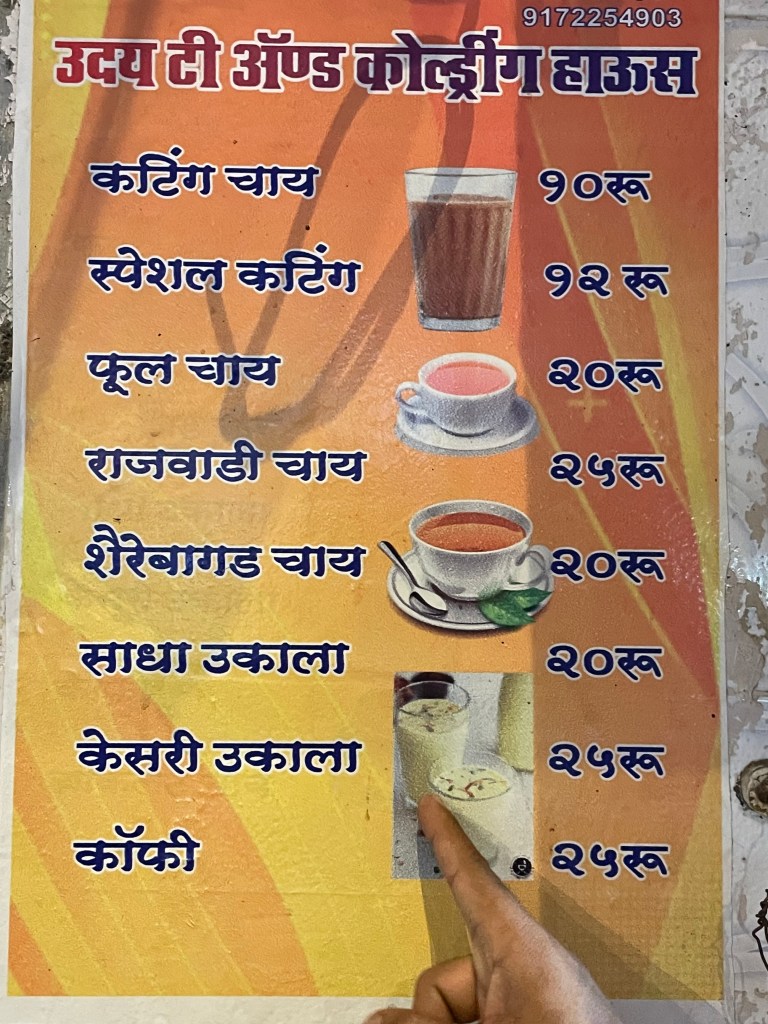
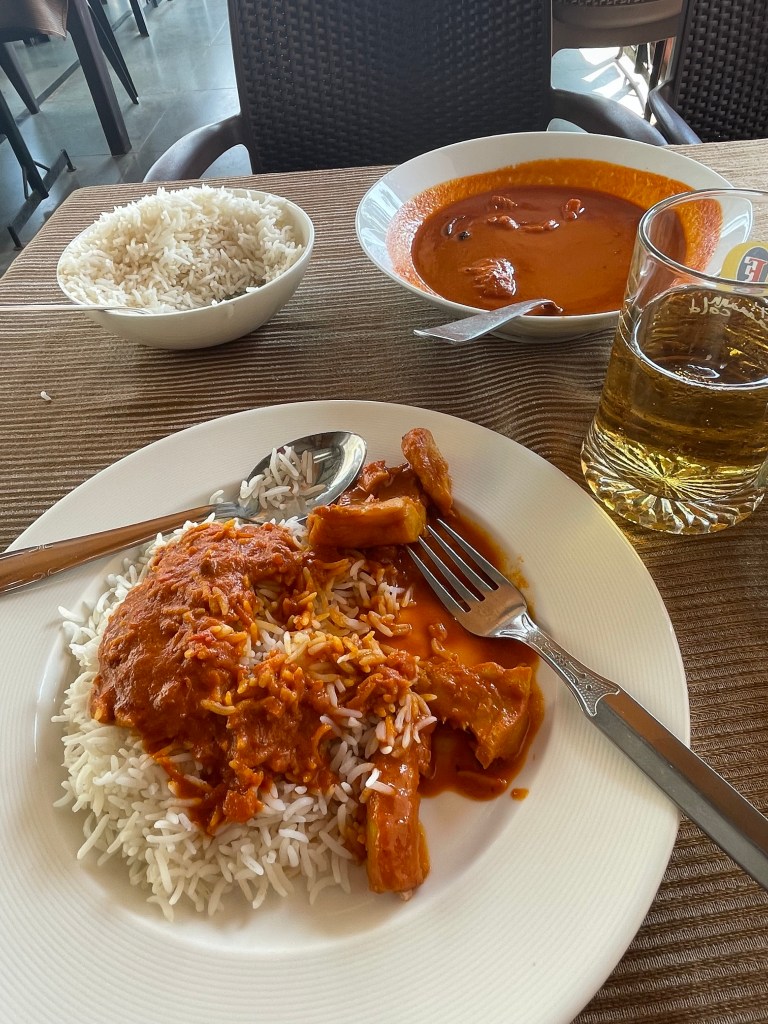
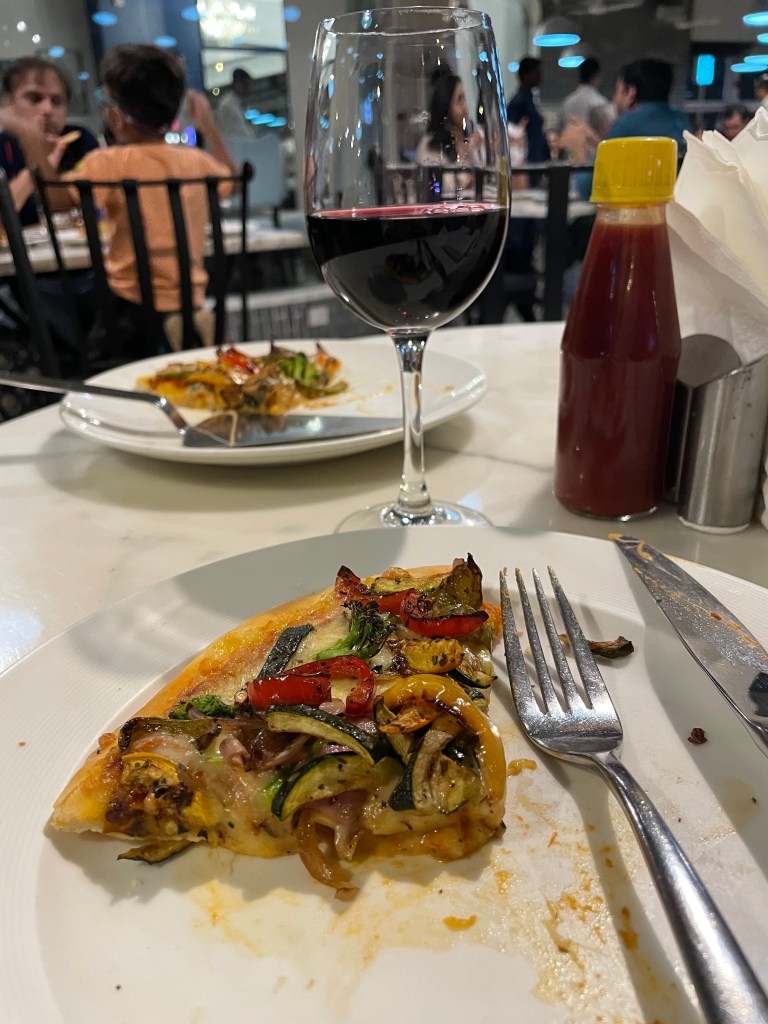
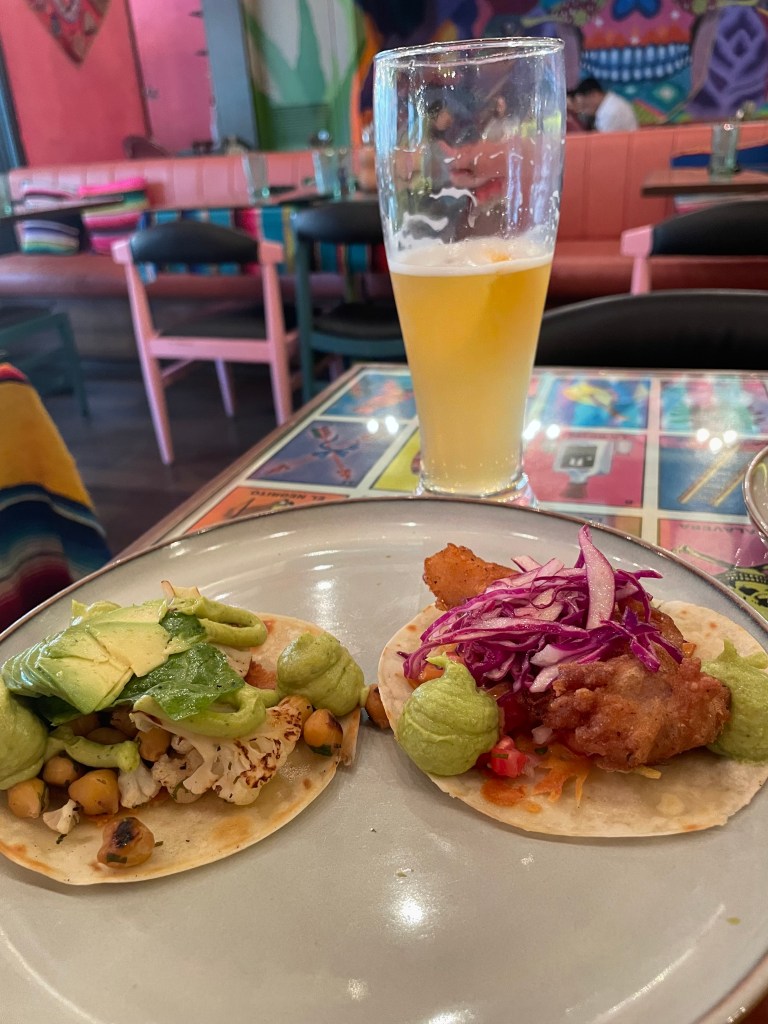
Ok, food and I am out of here. Way too much food to describe. Of course super easy to find vegetarian food here. We were served a Thali most days at the retreat, which is like a buffet on a platter, a little bit of this and that – I like those. I like the various puri’s I had, they’re small, crisp, hollow little orbs about the size of ping pong balls filled with potatoes or chick peas and then dunked in flavored water. You pop the whole thing in your mouth. I also had ones filled with yogurt and spices which were yummy and creamy with that crunchy outside. I got used to eating idli, a soft, white pillow of rice and lentils served with sambar, a spicy soup, for breakfast as well as several kinds of savory dishes kind of like grits. They also make piquant pancakes, with onions and peppers in them. I love naan, pakoras, and samosa. I had a dosa once, which is a crepe filled with a little potato in the middle, at least it is at Woodlands in Nashville, but here it was huge, could have served a family of 4. Now I know, dosa come in many shapes and sizes. There were lots of vegetable curries with rice, some spicy, some not so spicy. Kheer, halwa, kulfi, and gulab jamun for dessert. Did you know that those sweet little balls are made from milk? I always thought it was like a doughnut. And at the beach lot of fresh fish and prawns. And so many other things. I also had pasta, pizza, Chinese and Mexican food in Mumbai.


Book list:
Sideways on a Scooter by Miranda Kennedy
The Palace of Illusions by Chitra Banerjee Divakaruni
The Henna Artist by Alia Joshi
Sculpting the Elephant by Sylvia Vetta
The God of Small Things by Arundhati Roy
And I tried to read Midnight’s Children by Salman Rushdie but I wasn’t enjoying it so put it down for the time being. I may not be intellectual enough.
If you’re made it this far, I appreciate it. There is still is so much I haven’t shared or shown. Although a very sensory intensive trip, I found it fascinating and very enjoyable. I think India may require a return visit, I know I’ve barely scratched the surface.

Next up: Nepal


 Where in the World is Debra Grimes?