“A mind that is stretched by a new experience can never go back to its old dimensions.” – Oliver Wendell Holmes
September 9-15, 2023
I decided to go to Oman for three reasons. One, someone suggested it. Two, I had time to fill before my next scheduled tour. Three, it made sense geographically as I moved from Africa to Dubai and then on to Asia. I’m struggling however to decide if I liked it.
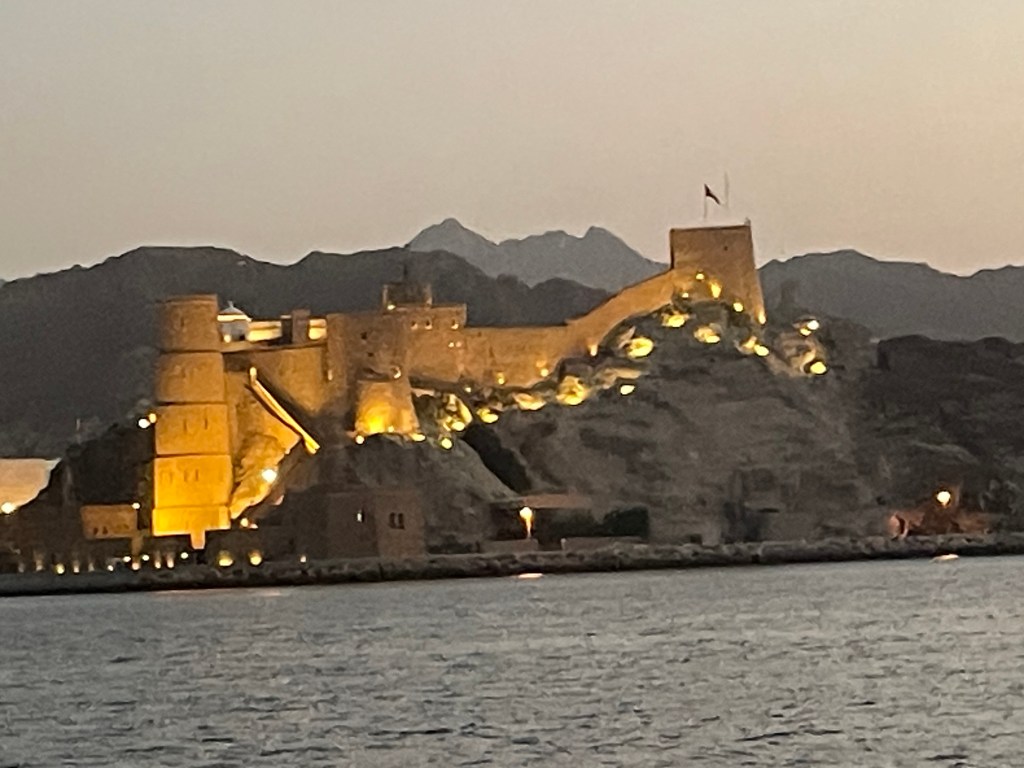
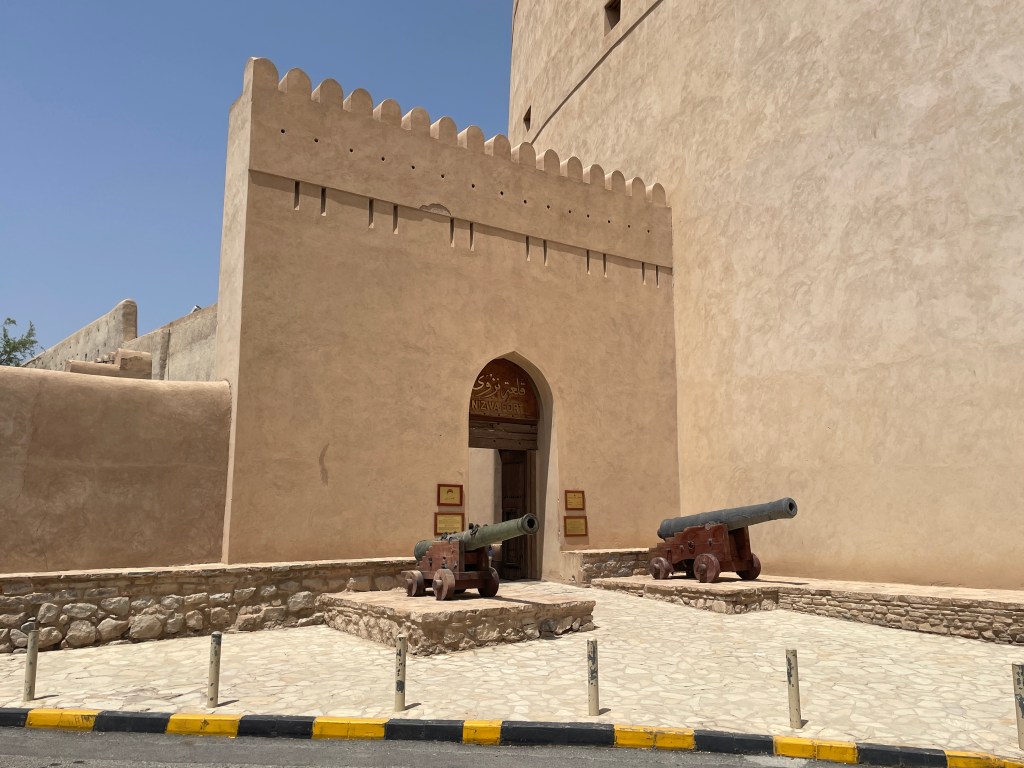
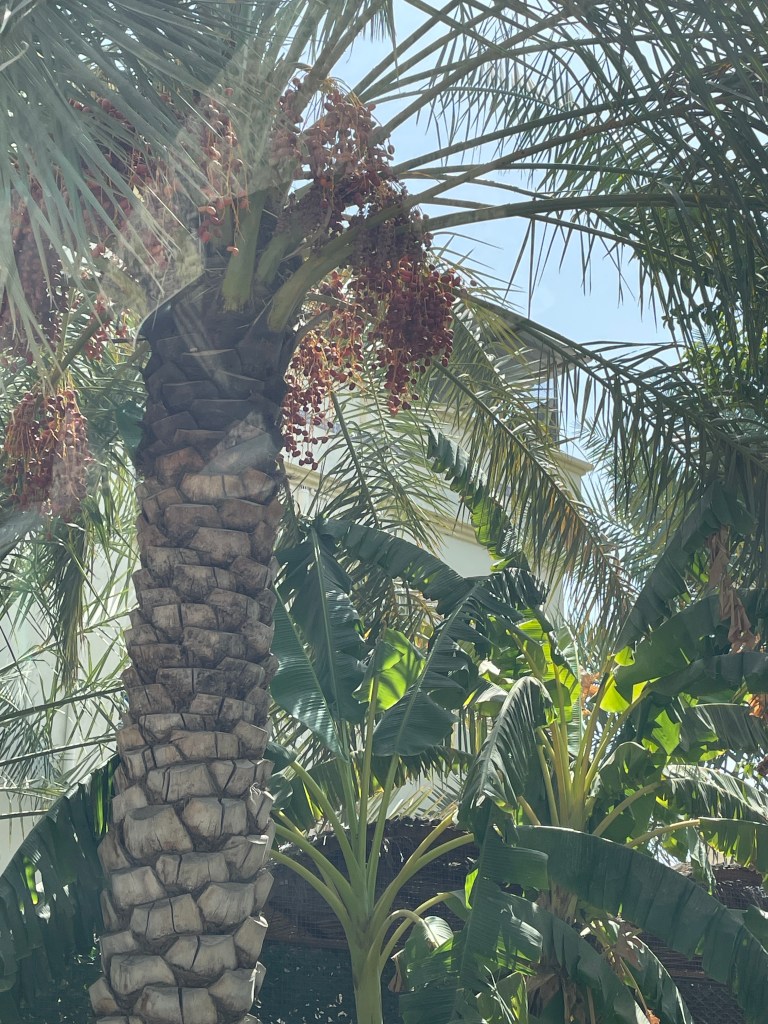
Oman has an amazing history. It is one of the oldest human inhabited places on earth. It’s the oldest independent state in the Arab world. The Al Said family is the longest-ruling royal family in the whole of Arabia, whose reign has been continuous since 1744. I visited the Nizwa Fort and Castle which was built in the 1650’s with many ingenious ideas, such as the murder hole, where you pour hot date oil down a shaft onto your enemies heads as they try to break into your front door. I learned about frankincense, one of the riches the Wise Men brought to Jesus at his birth. Did you know it was the hardened sap of a tree? They have some of the finest frankincense in the world and have been exporting it for centuries. I saw several examples of falaj irrigation channels, the system dating back to 500 AD, with fresh clear water flowing through them. And I began to understand the importance of the date palms, where every part of the tree was used in some way.

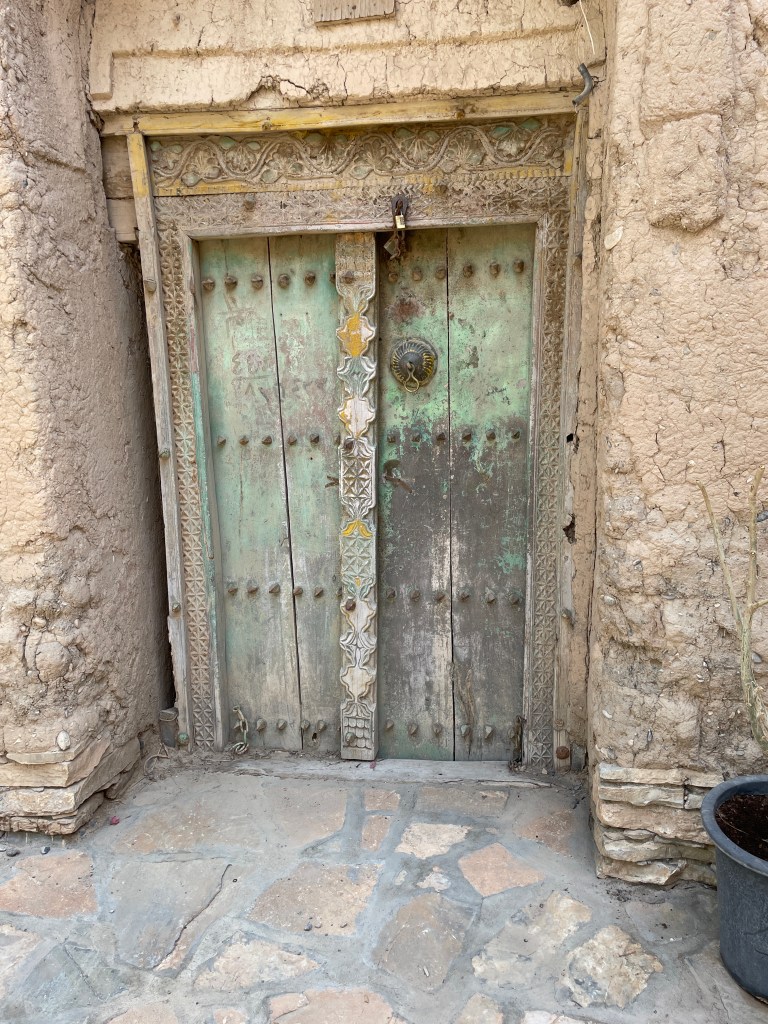

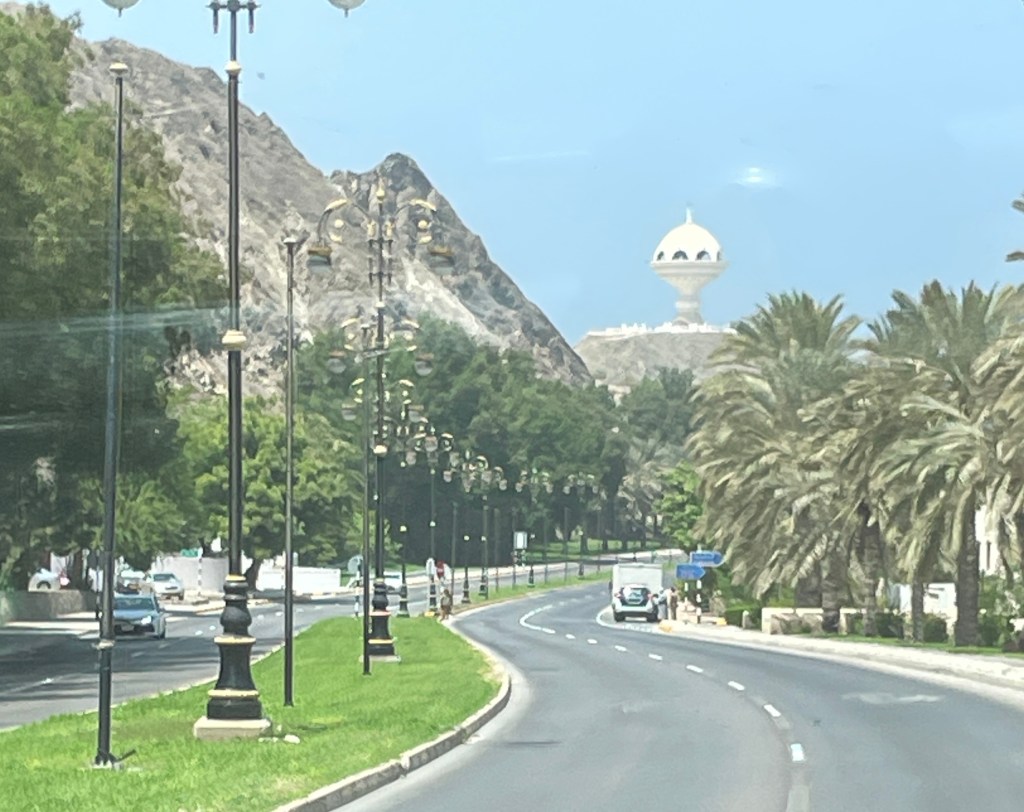
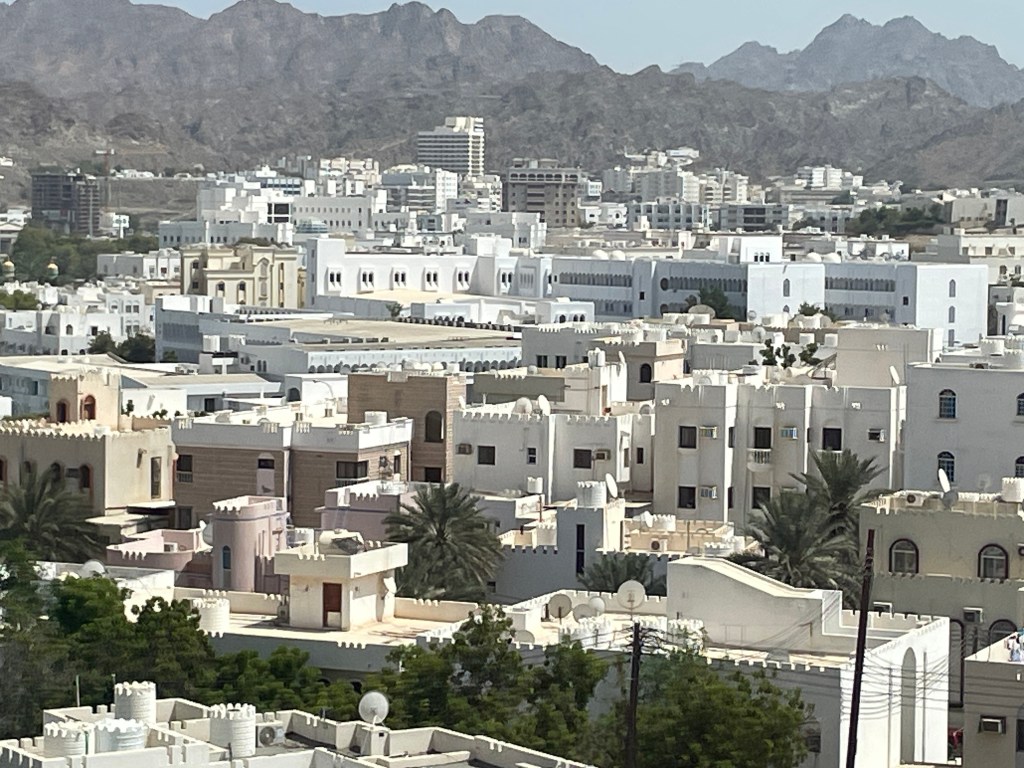
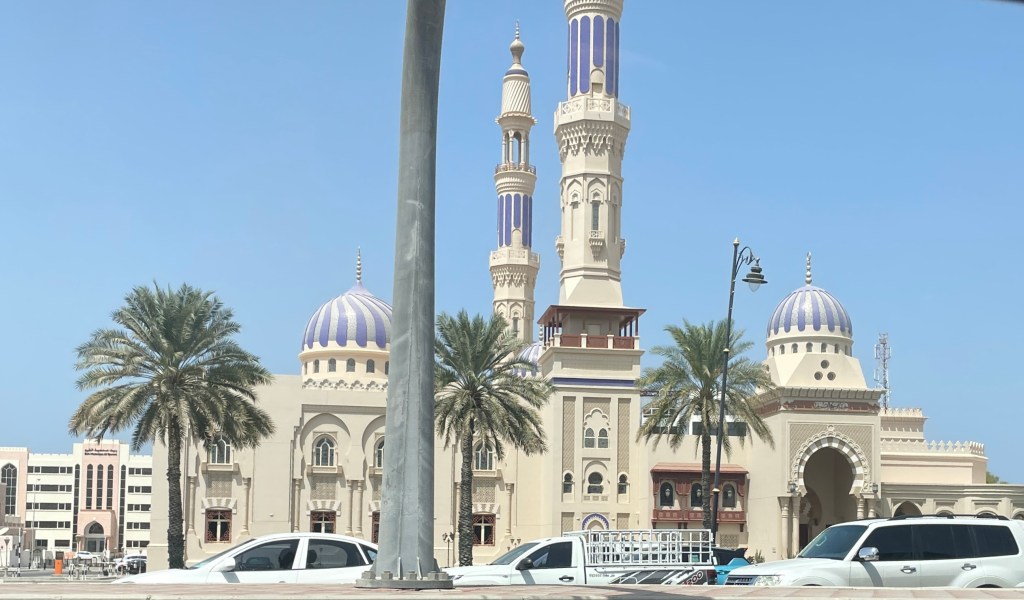
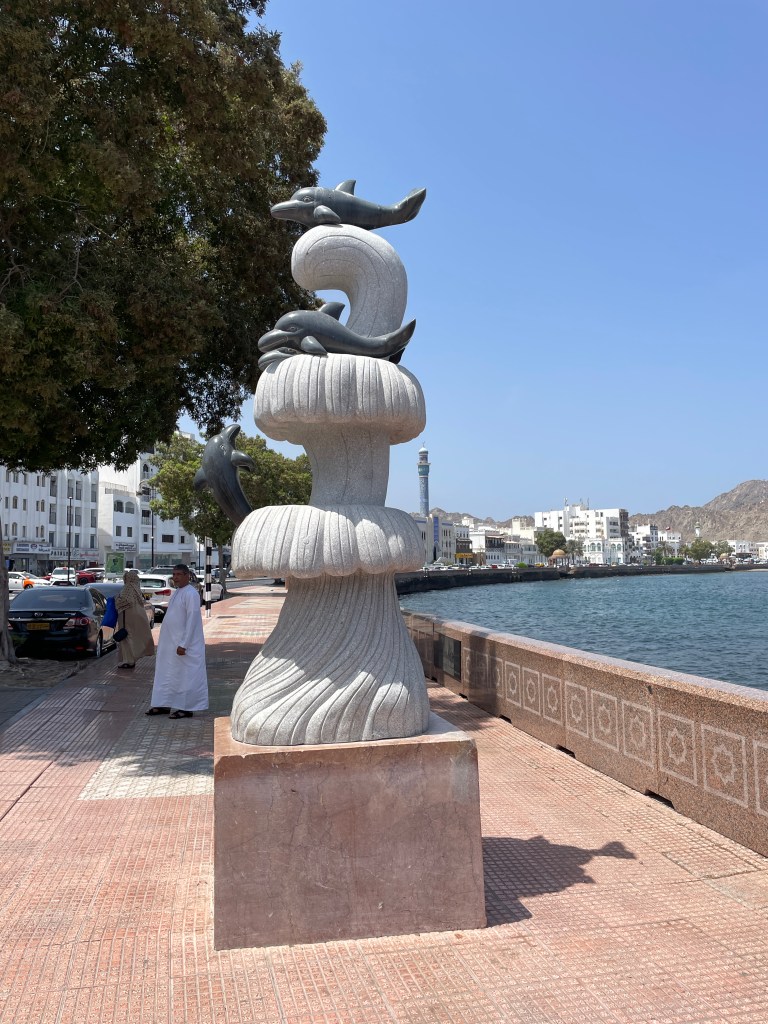
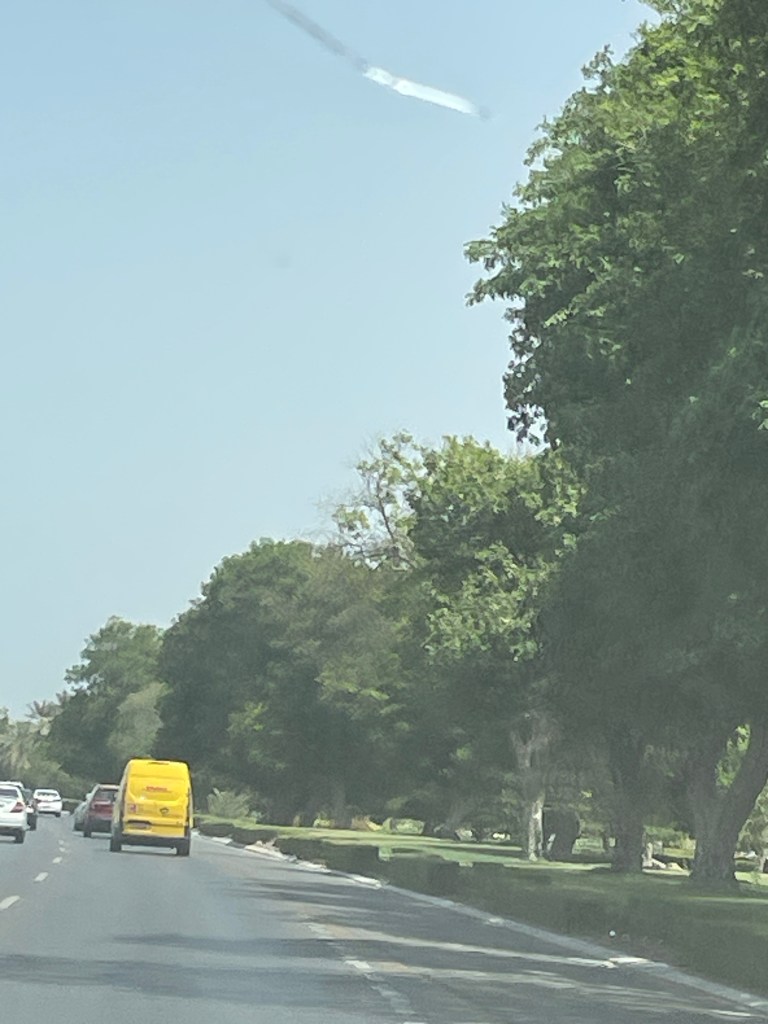
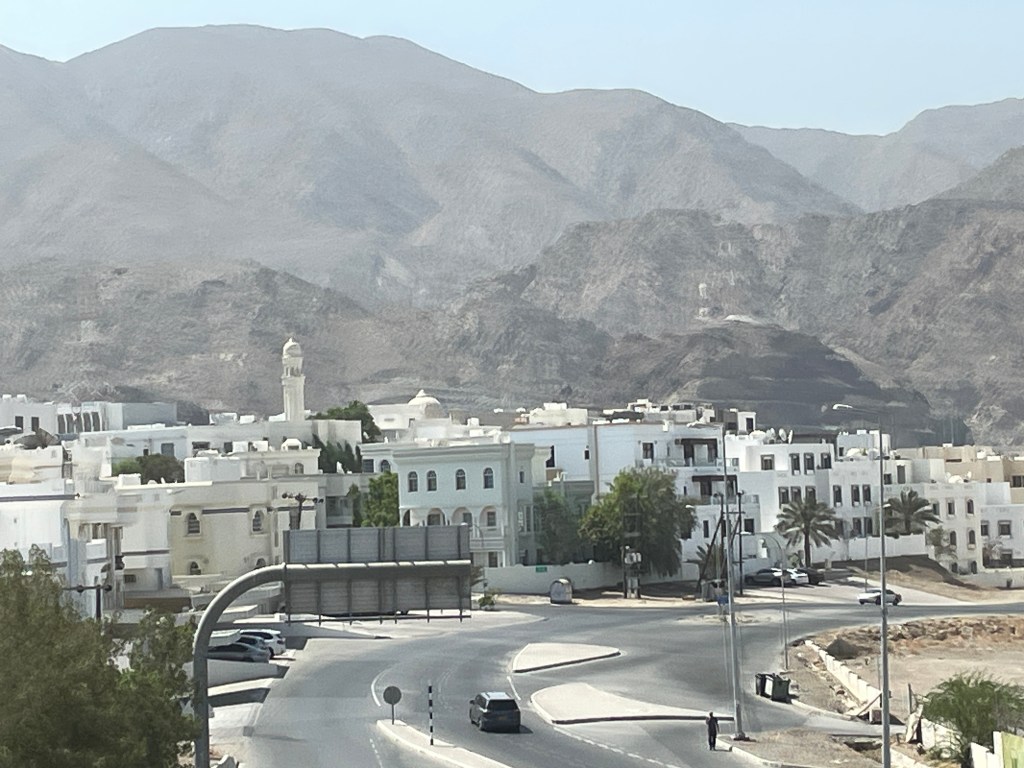
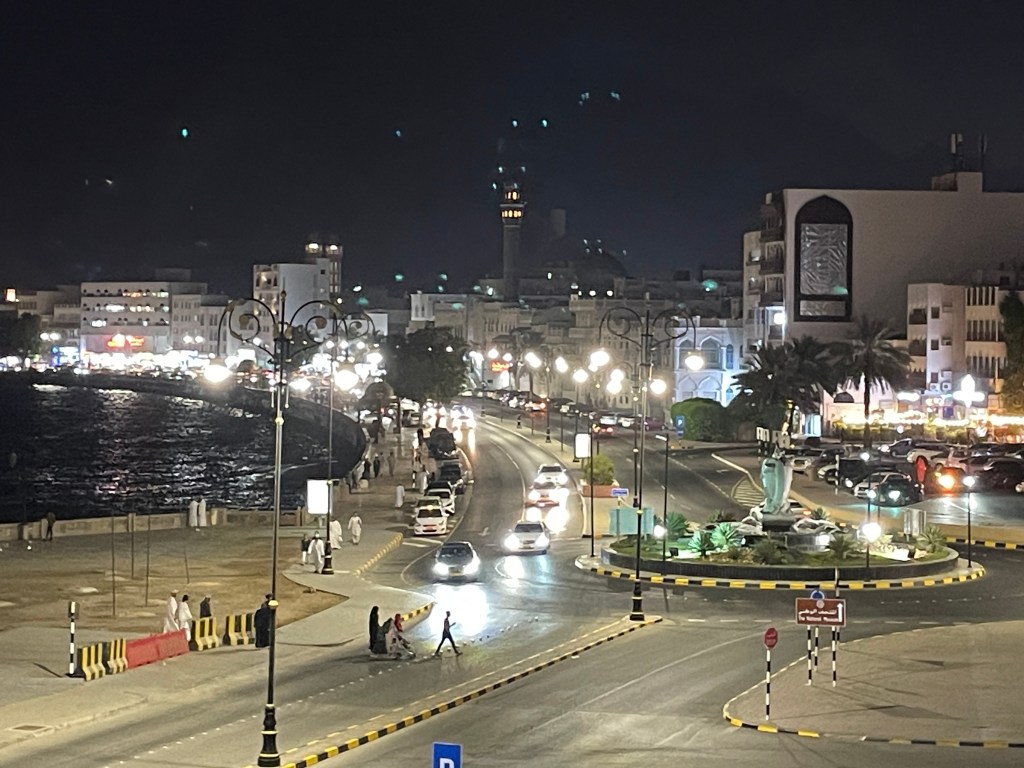
I was most struck by the newness of the city of Muscat, as well as the towns and villages I passed on my two hour drive to Nizwa. In 1970, the then new Sultan Qaboos decided to modernize Oman and started to develop the infrastructure needed – roads, buildings, schools, hospitals, a harbor- you get the idea. He decided to build out not up, so the city skyline of Muscat is not very tall, most of the buildings are shorter than 10 stories, as the city stretches out along the coast. The majority of the structures are white or beige with flashes of color from the signs on store fronts or the brightly decorated domes and minarets on the mosques that punctuate the skyline. The rooftops are all flat to reflect the unrelenting heat. While I was there, at the beginning of fall, it was ‘only’ in the high 90’s. There are major multi-lane highways through the city and countryside. Trees planted along the road add green to the otherwise very brown landscape. Muscat, which means safe harbor, is built along the sea coast and has what looks like piles of rocks, albeit very high piles, surrounding it.


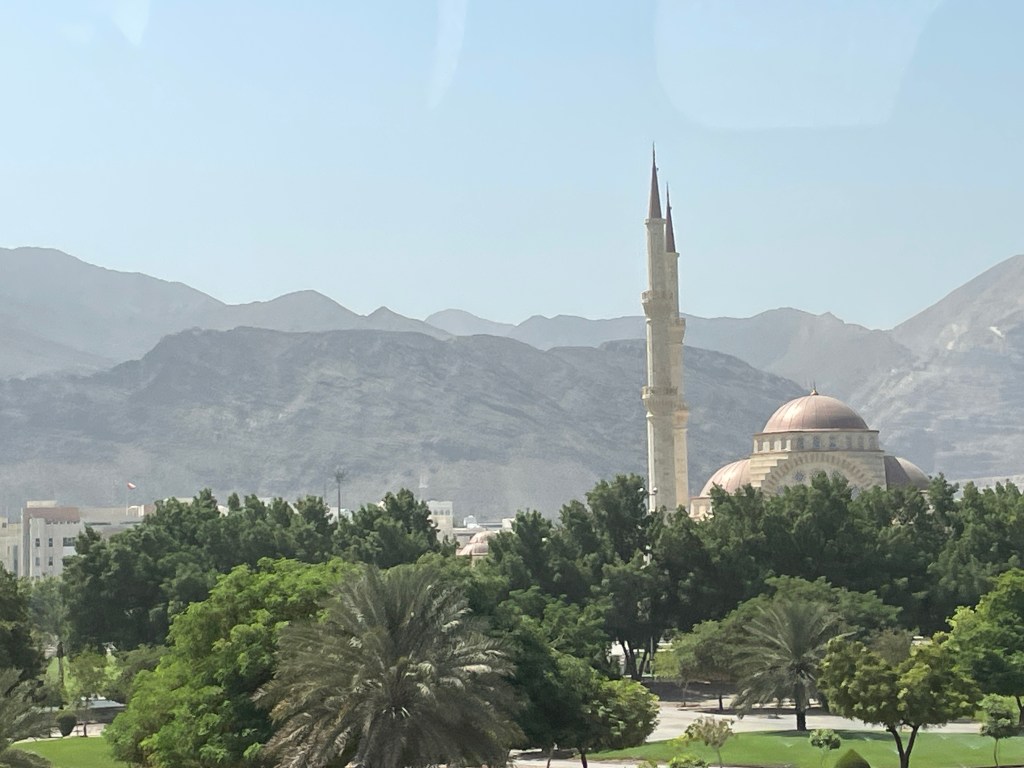
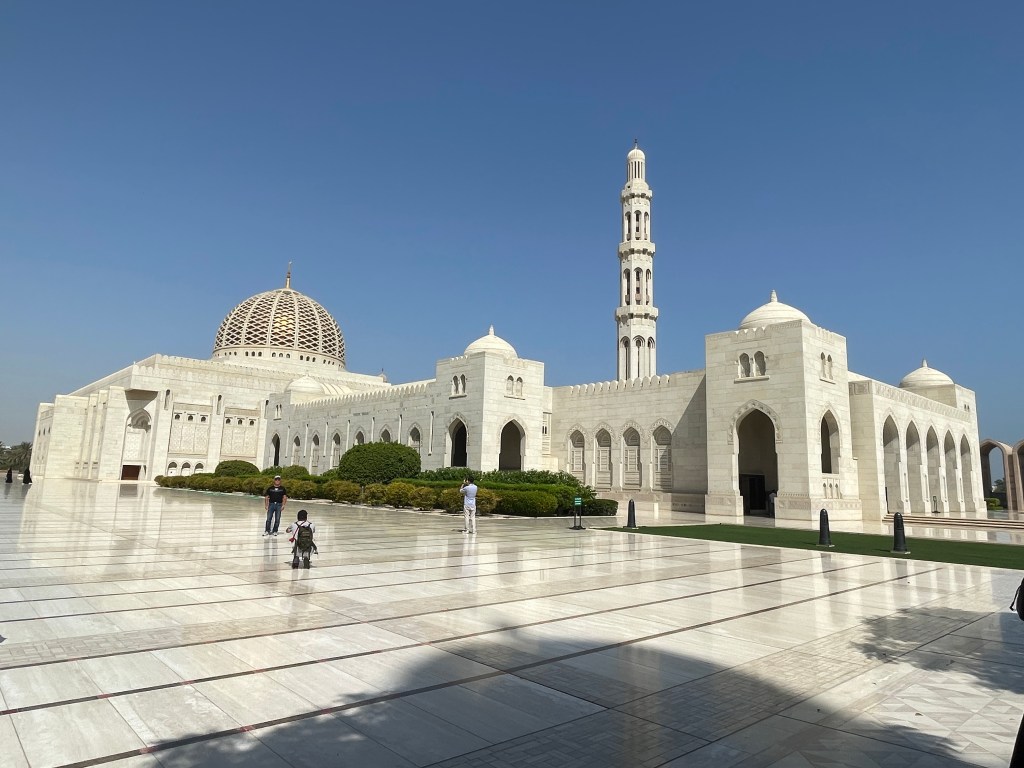
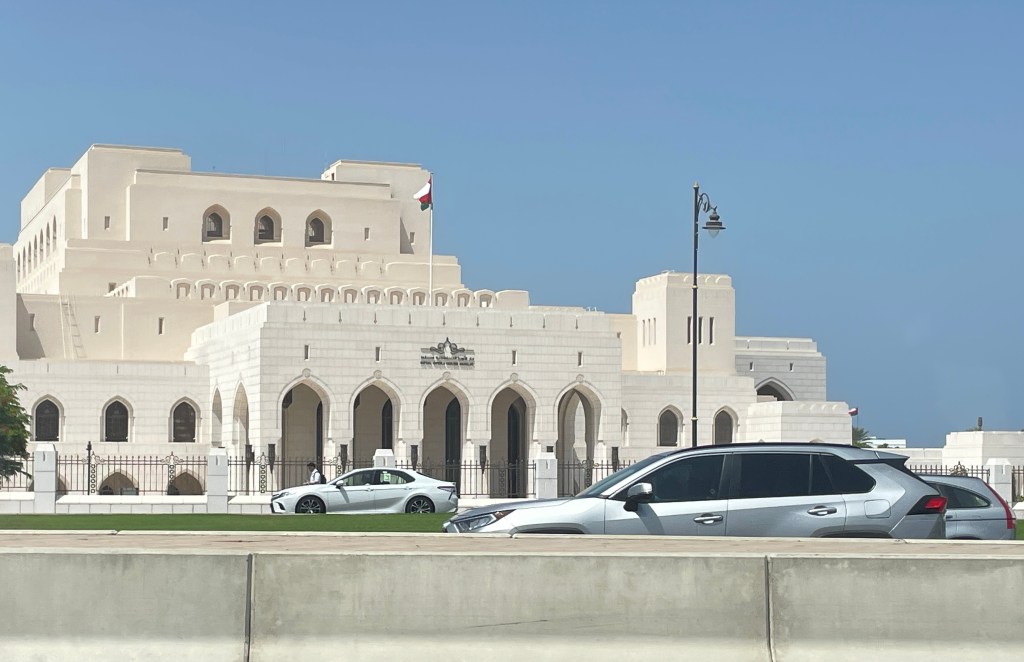
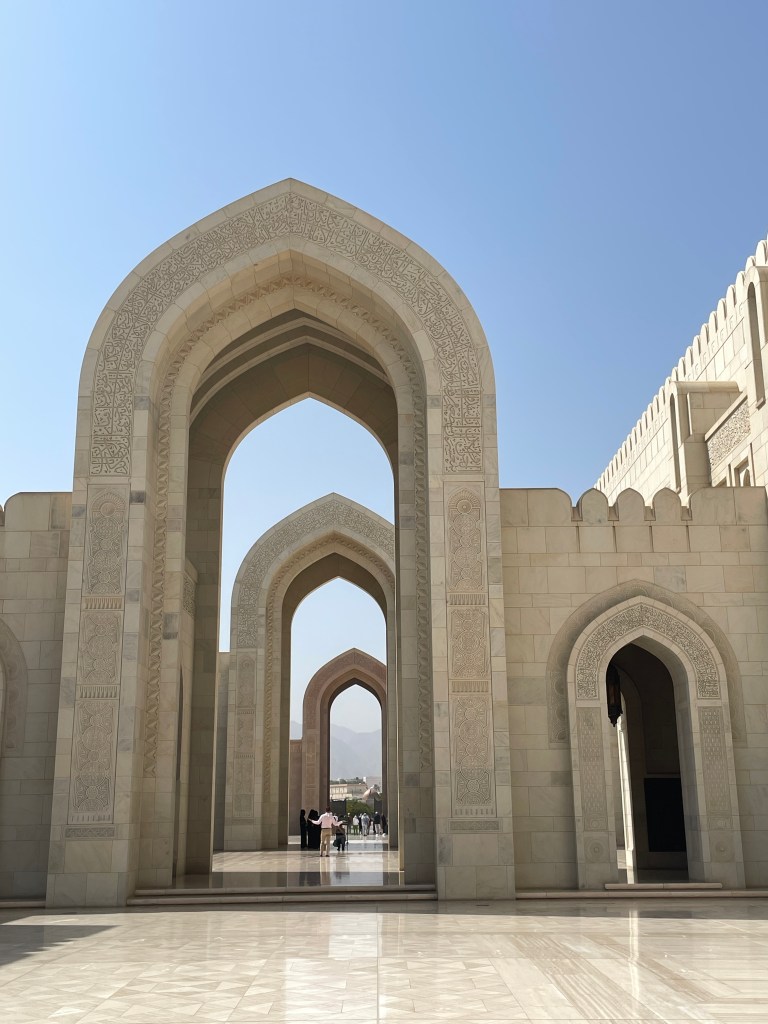
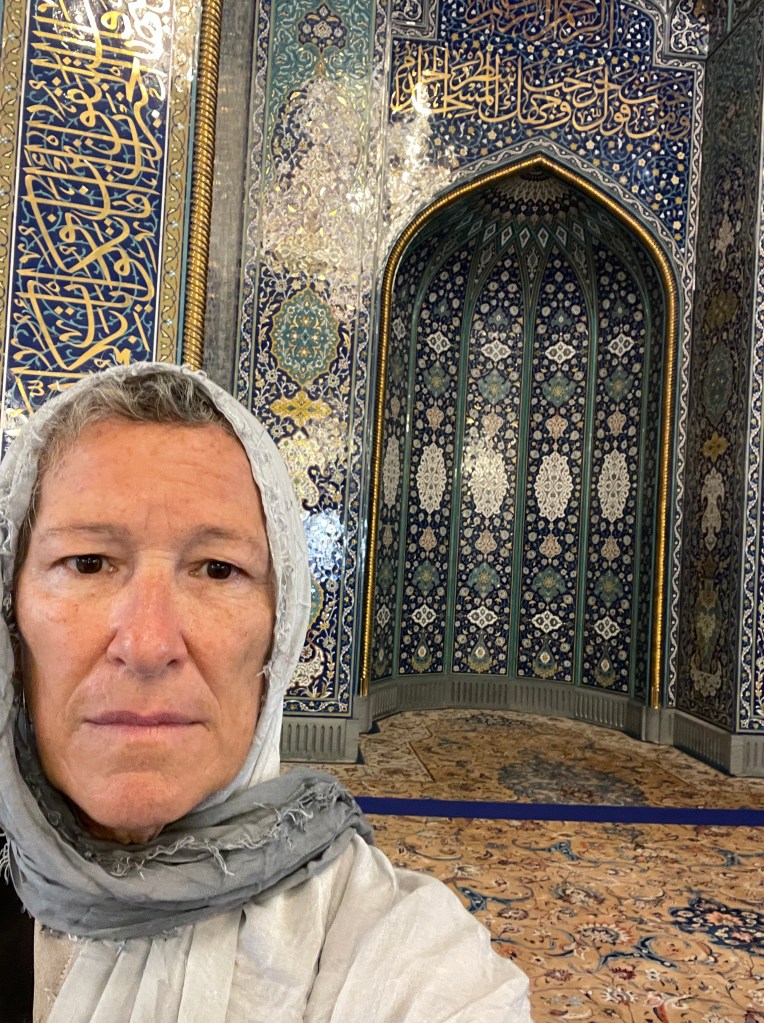
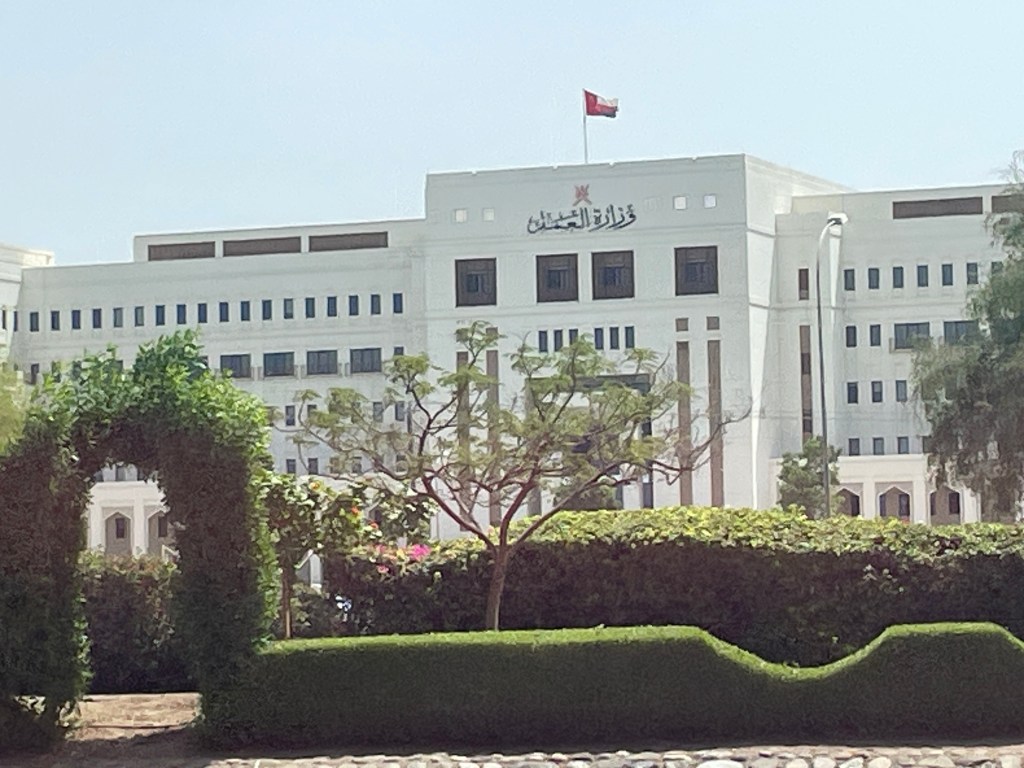
As you would expect, there are a lot of mosques in this city of almost two million people, but the Grand Mosque is the most impressive. It has a 8.5 ton chandelier with 600,000 Swarovski crystals, the second largest woven rug in the world, beautiful mosaics, and has a capacity for 20,000 worshippers. Sultan Qaboos paid for the construction himself. I thought I was appropriately dressed to enter the mosque, including a head scarf, but my sleeves were 3 inches too short so I had to rent an abaya. Nearby is the Royal Opera House which is very grand. And further down the road is a series of buildings hosting the government ministry offices – all new and imposing. In many ways, the houses and buildings look like fortresses with notches edging the tops and walls encircling them.


Besides building, the Sultan also focused on the lives of his people. The literacy rate when he assumed office was near 30%, now it’s 95%. School is free and mandatory and educating its population is a priority. The challenge now is creating good jobs for its very young population. There is no charge for health care and from the few conversations I had, it seems to be good. My driver for the week thought very highly of the Sultan as his house was given to him – I wasn’t able to ferret out why, and two of his 5 children attend medical school for free. Oman is considered one of the safest countries in the world, as punishment for any crimes is harsh under Shia law. Oman is neutral as far as the politics in the region and the Sultan often negotiates peace between other countries in the area. And although 95% of its population is Muslim, mostly Sunni and Ibadi sects, its Ministry of Faith works with all religions and all faiths are accepted here.
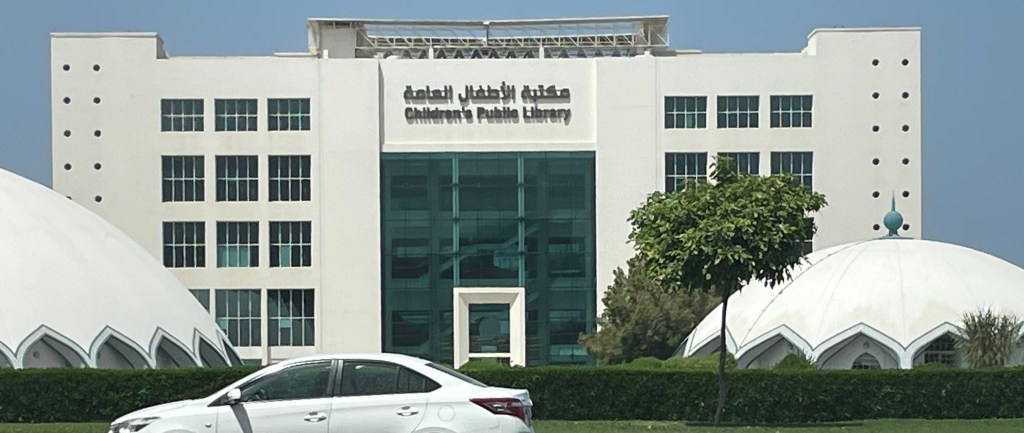
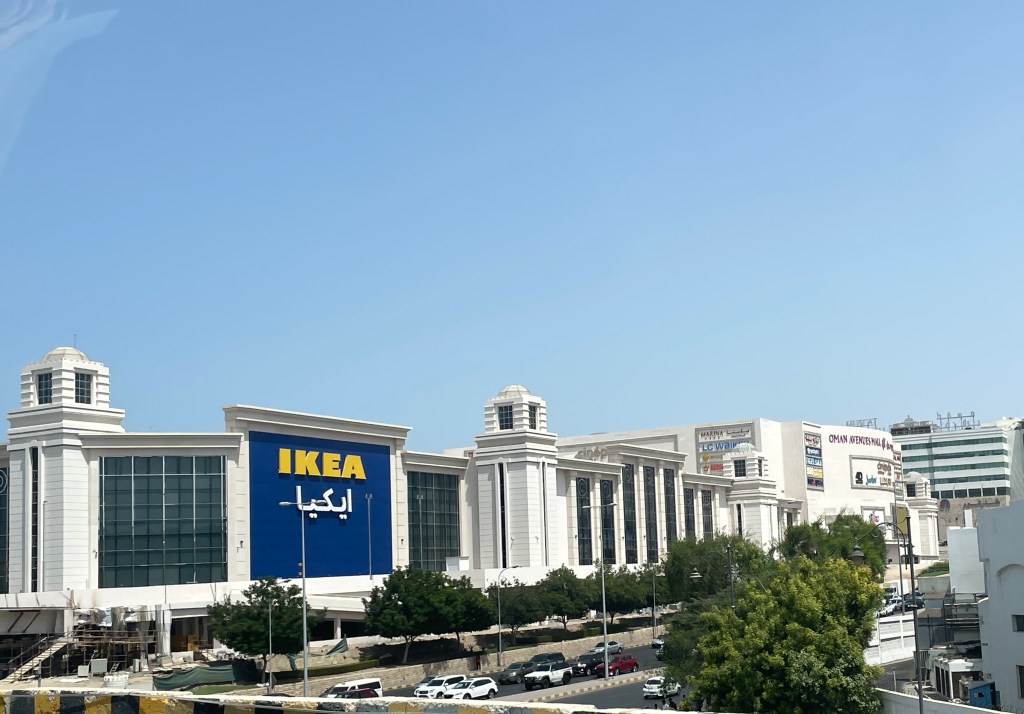
Very few of the people I interacted with were actually Omani, not necessarily atypical of the hospitality industry. I enjoyed conversation with servers, guides, bar tenders, hostesses, front desk staff from Sri Lanka, Rwanda, Yemen, Morocco, Tanzania, India, Albania, etc. All were here for better jobs, some also to escape the violence and poverty in their countries. Oman however embraces the diversity. I had a few Omani guides but they were harder to engage with, maybe my Southern accent throws them off. Although an oil rich country, Oman knows it cannot rely on its oil forever, so is trying to diversity its industries. Tourism is one of those ways. However, because of its abundant oil, it is a car centric city. Mass transportation is very limited, though there are plans to build a rail system, potentially throughout the region. As a tourist you need a car or you rely on taxis which is expensive, especially since the city is so spread out. I remember back when Nashville wanted to increase its tourism, and made a concerted effort to develop enough activities for a family to fill a week. This was the era when the zoo was relocated to Grassmere, Bridgestone arena was built, the Titans stadium constructed, money invested in the Adventure Science Center, the Country Music Hall of Fame moved to downtown, with additional development in the works. And it brought in lots of visitors, 14.4 million in 2022. Muscat has yet to create a tourist centric center- as most of the activities of interest required day trips outside the city and there were few places for me to walk. Only 3 million people visited Oman last year.
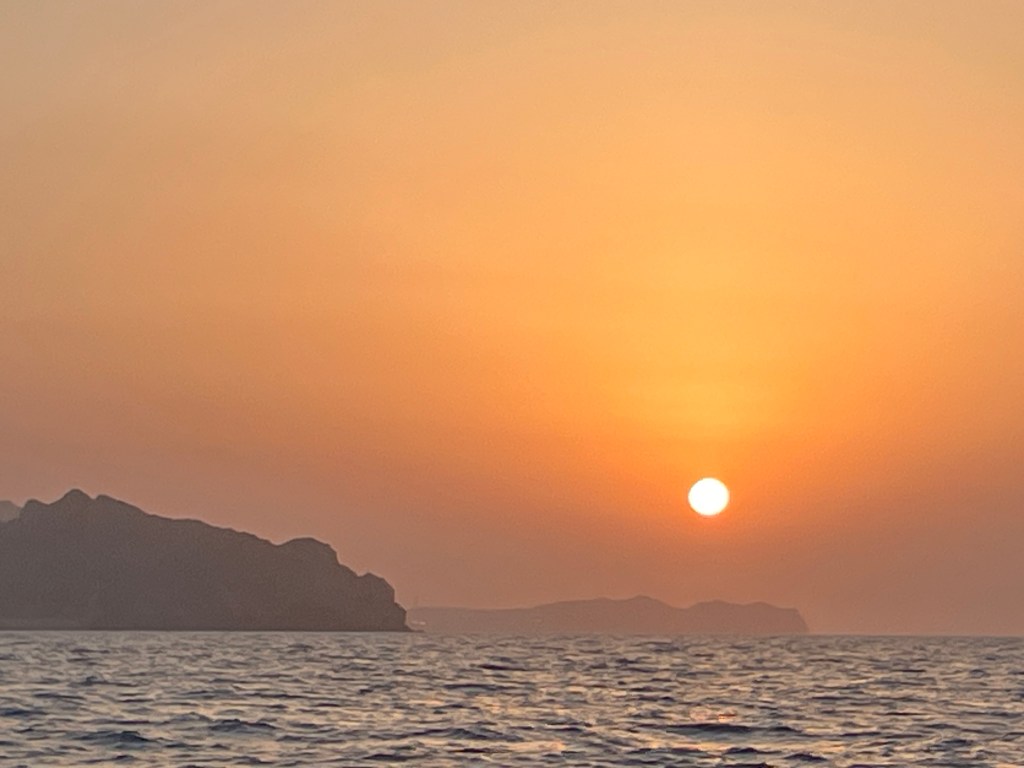
My first day in Muscat I needed a taxi to get to the marina for a scheduled sunset cruise. My server shared with me an app, called otaxi, where I could book a ride – no Uber here. I entered my destination and the rate was just over 20 OMR or $52 for a 15 minute ride, and that was one way. This was going to get expensive! But first I needed cash, so I asked directions to an ATM machine. The doorman kindly pointed out the way, just a few blocks from our location. As I hit the road outside the hotel, a taxi pulled up asking if I needed a ride. I said yes and told him where I was going and he quoted me 5 OMR including a stop at the ATM. Still not cheap, $12 versus the $5 I would pay for the same ride in let’s say Cape Town, but probably close to Nashville rates. And then he waited for me for two hours and drove me back to the hotel. Needless to say, I became friends with Ahmed and asked him to take me wherever I needed to go, including the two hours to Nizwa. He often had to get out of the taxi to direct me to the right door, befuddled tourist that I am. He even followed me as I climbed through some old ruins. English wasn’t his strong suit, but then Arabic certainly isn’t mine – though I’d like to learn because I like how the writing looks, but we managed to learn enough about each other to enjoy a comfortable ride.
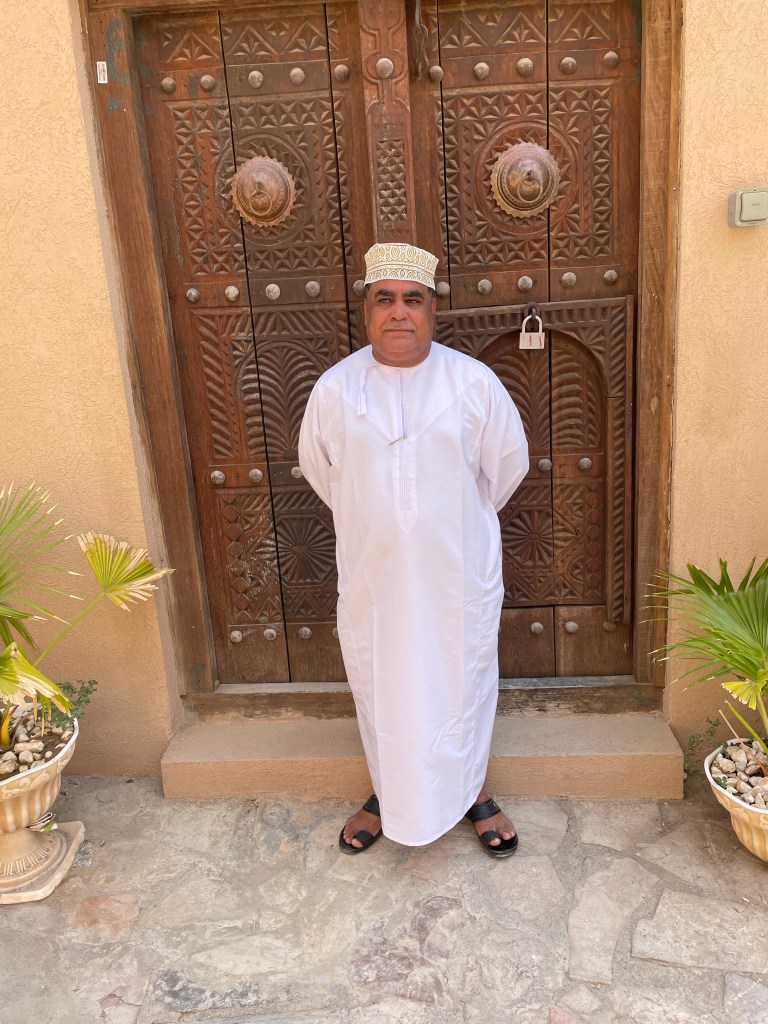
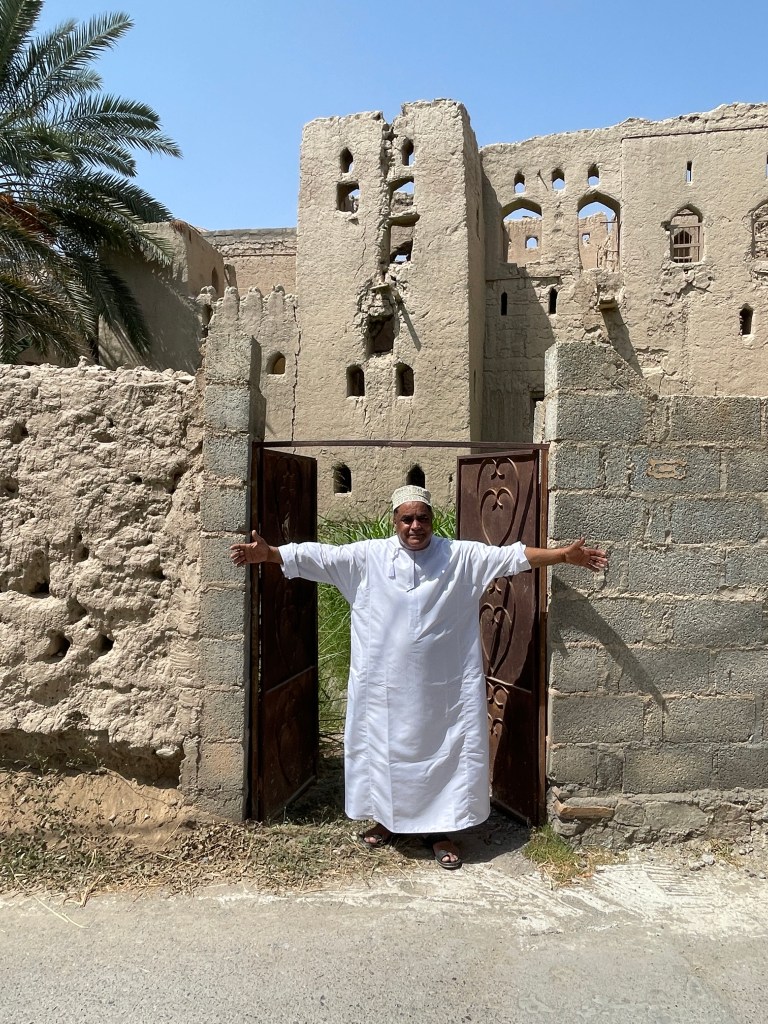
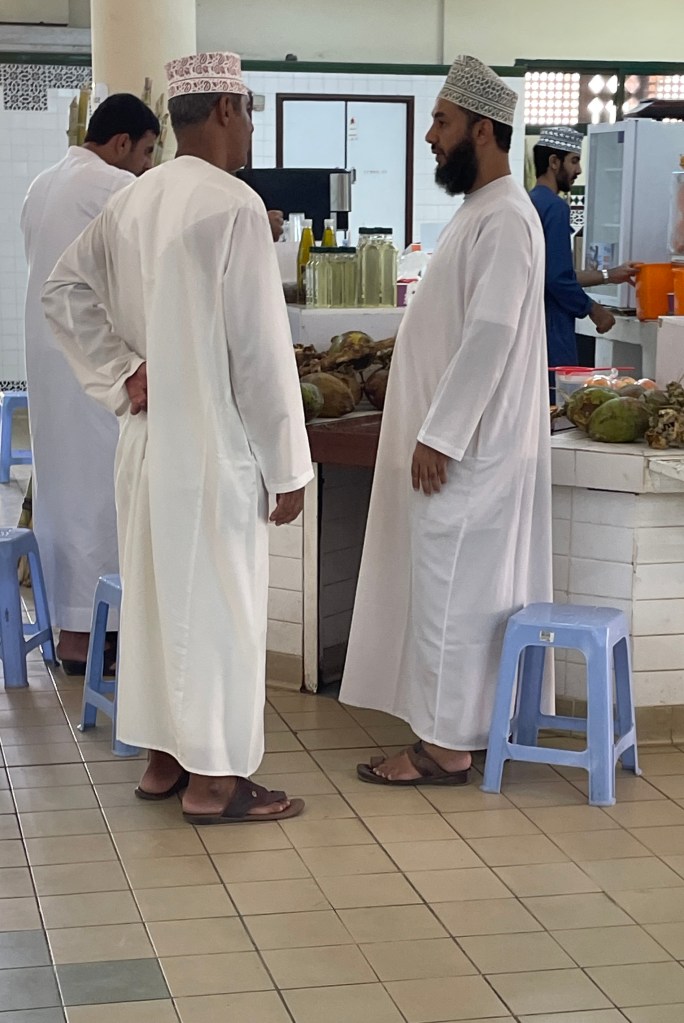
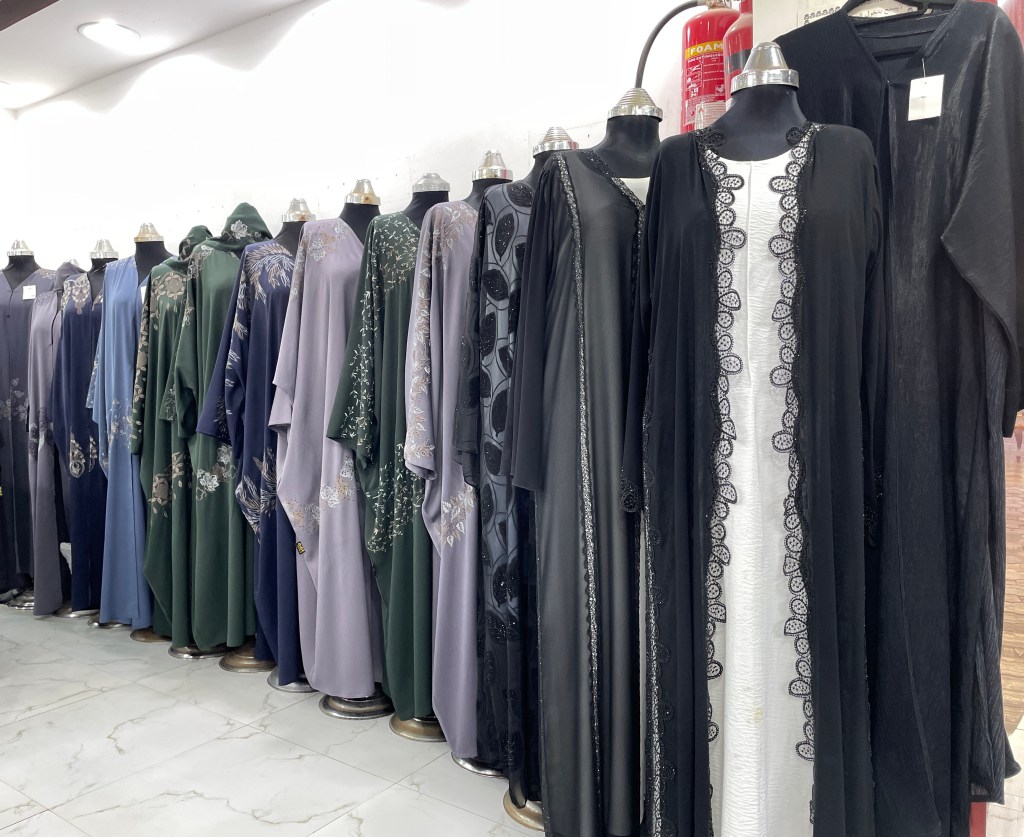
Ahmed and most the of the men in Oman wear a dishdasha, a long collarless, a-line robe that flows to their ankles. White was the most often seen color though others were in evidence, especially on Thursday and Friday which is their weekend. The men also wear a kumma, a round cotton cap similar to a pillbox hat, intricately embroidered, available in a variety of colors. The colors it seems is simply a matter of personal choice. They were very jaunty. Women wear abaya, typically a dark color. Traditionally however, the different regions of Oman had brightly colored robes with lot of decorations, augmented with silver bracelets, ankle cuffs, necklaces, and earrings. The influence of bordering countries has shifted the dress toward black, which I think is unfortunate. You’re not allowed to take pictures of the women in Oman.
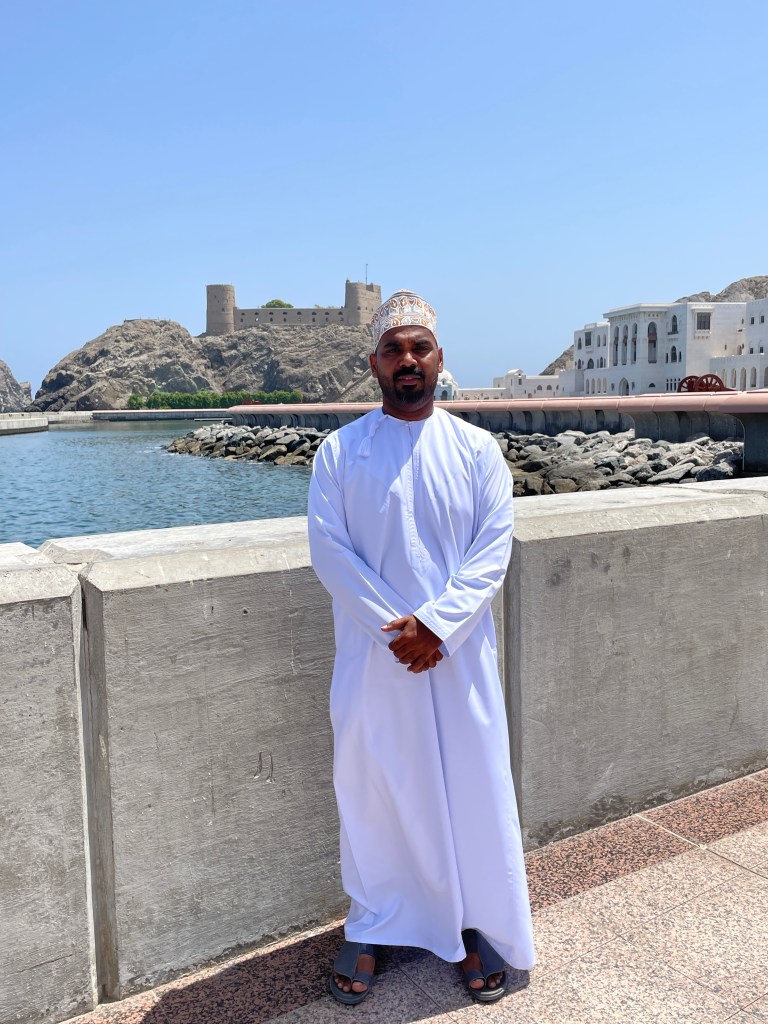


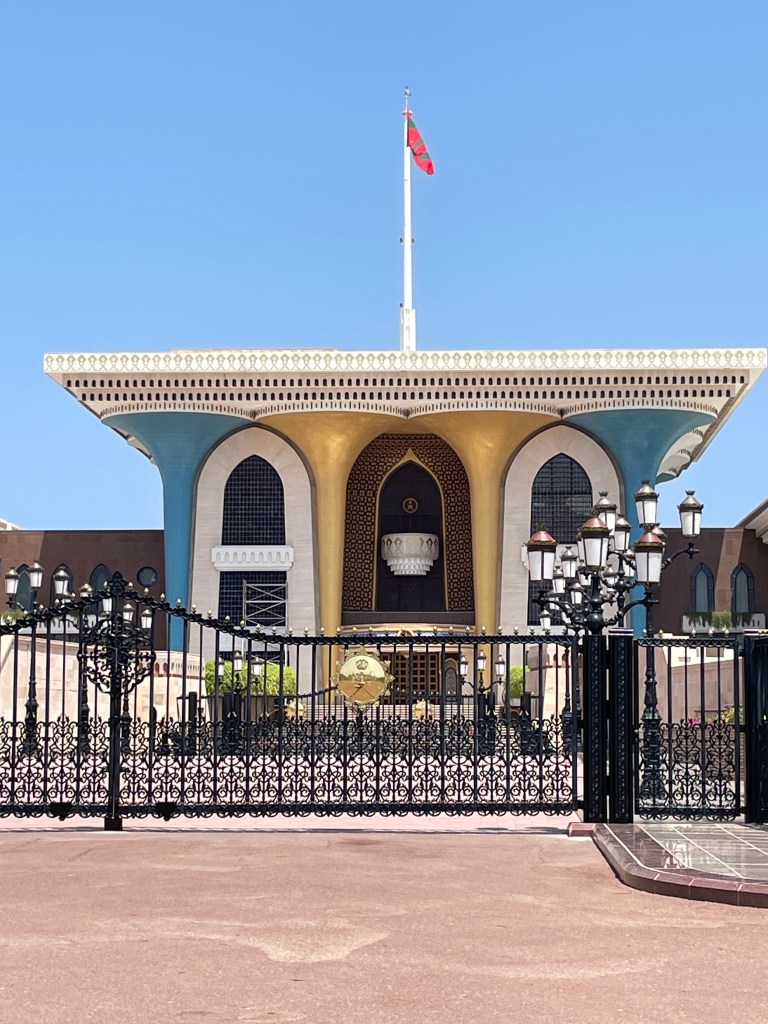
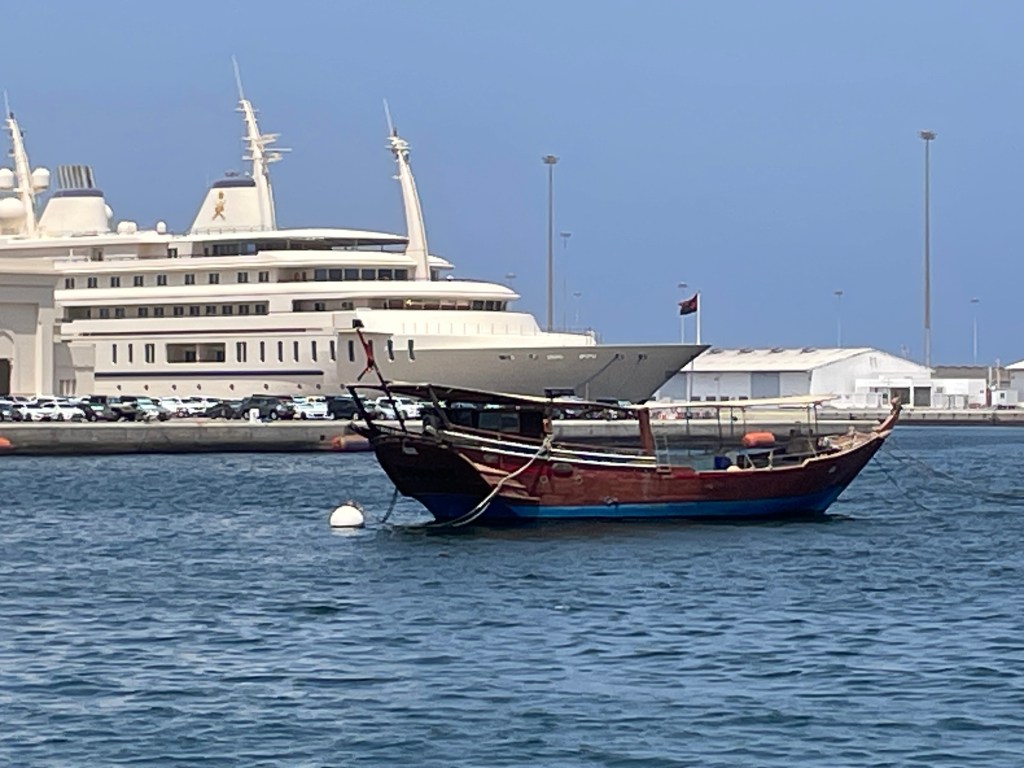
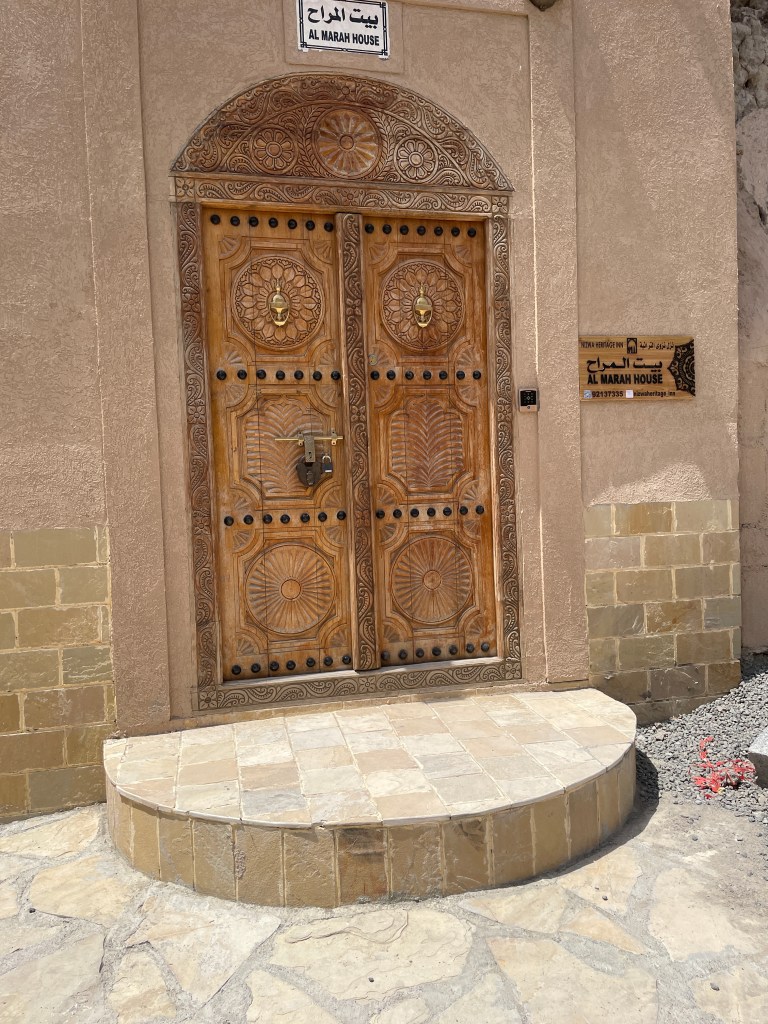
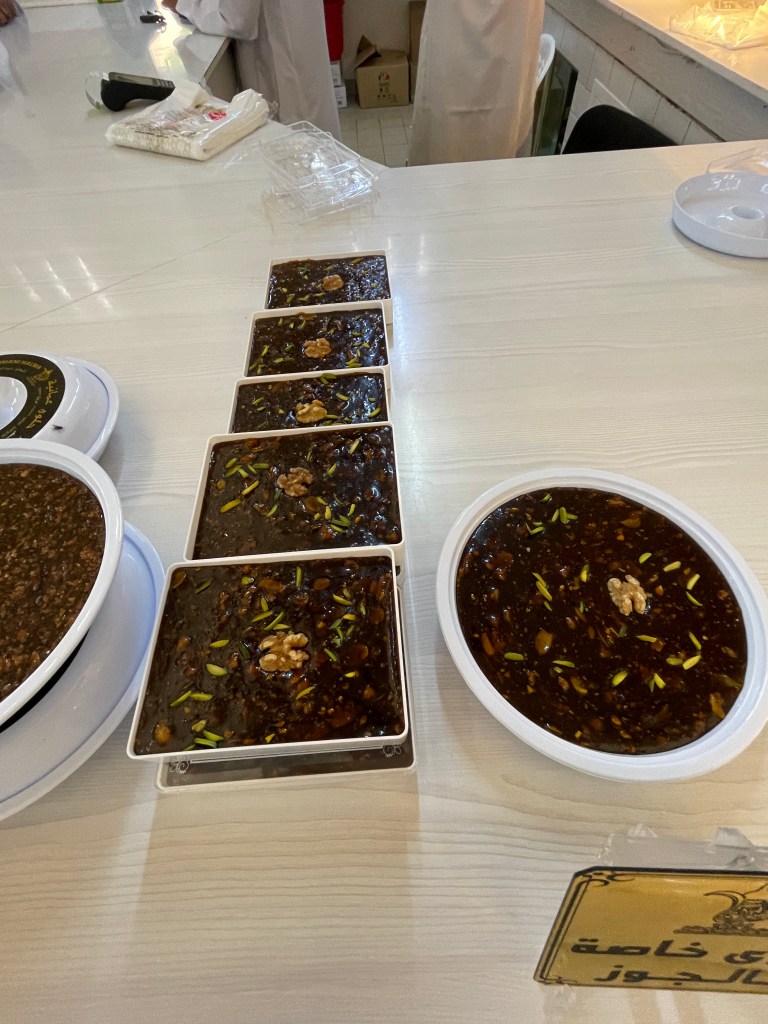
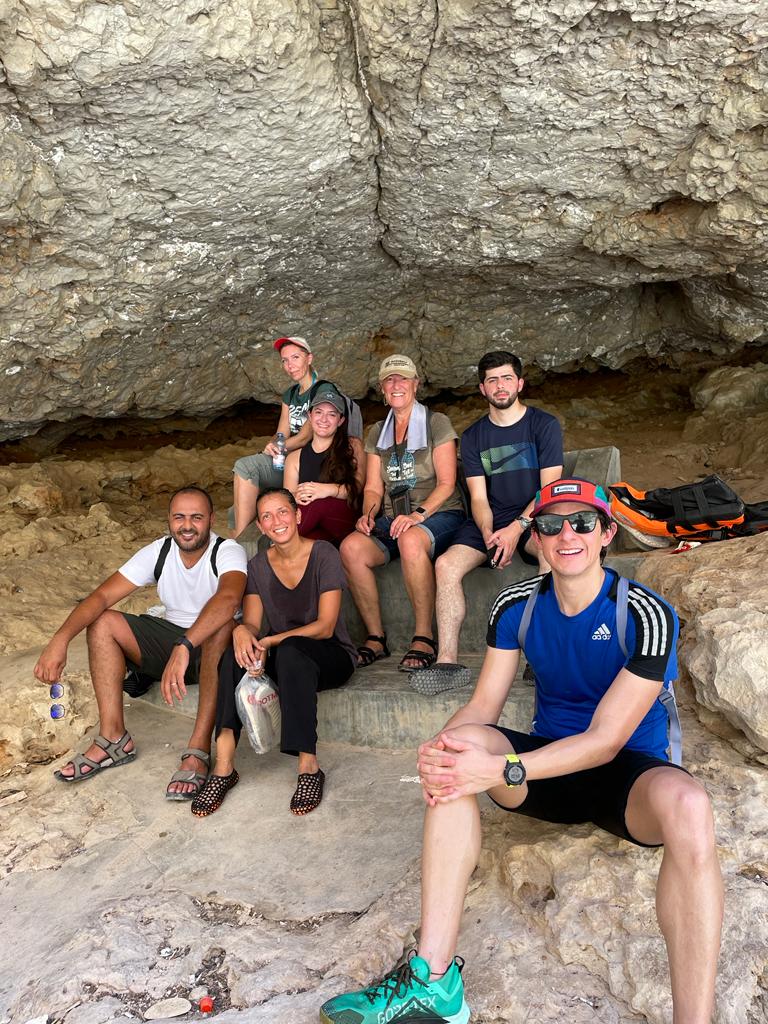
I took a city tour of Muscat, where I saw the Grand Mosque, The Royal Palace- just a view from the outside as no visitors are allowed, The Muttrah Souq – one of the oldest markets in the world, the cornice or harbor, a view of the old Portuguese forts, a history museum, and the fish and fruits & vegetable markets. I wandered two souqs -the Muttrah and Nizwa. The first was filled with anything you could think of, with the touristy items- jewelry, pashminas, t-shirts, magnets, jeweled boxes, etc on the main drag and the everyday household things on the side streets. Outside each shop stood a man with something in his hand to lure you in. The second, had more traditional items like clay vessels and lanterns, dates – a major crop and usually served with coffee at the end of a traditional meal, and a whole hallway filled with halwa – a sweet, sticky treat kind of like jello jigglers but brown with various nuts captured in the mass. On Friday, this souq is also full of cows, goats, donkeys and camels as well as produce from the countryside – unfortunately we were there on Thursday. I hiked the Wadi Shab to swim in the cool pools and a cave- a welcome relief after walking in the heat, and swam in a sinkhole filled with salt water with little fishes that liked to nibble on your skin. I went snorkeling and took the trip to Nizwa. Other than traveling to other parts of the country, I did all I could find to do.


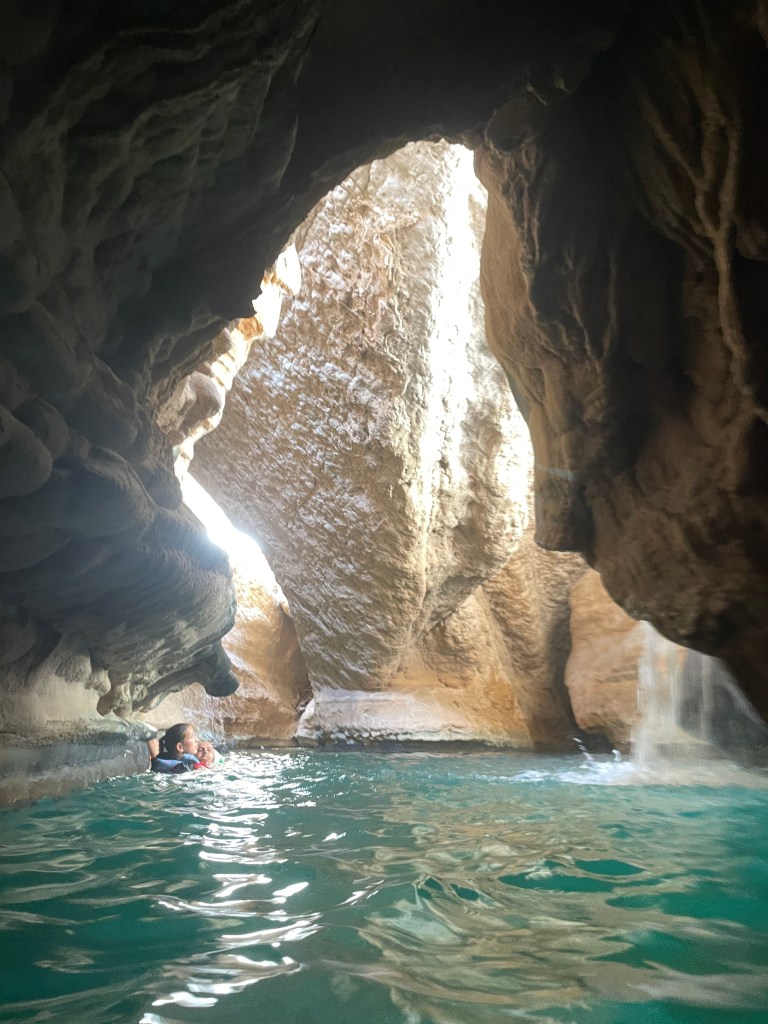
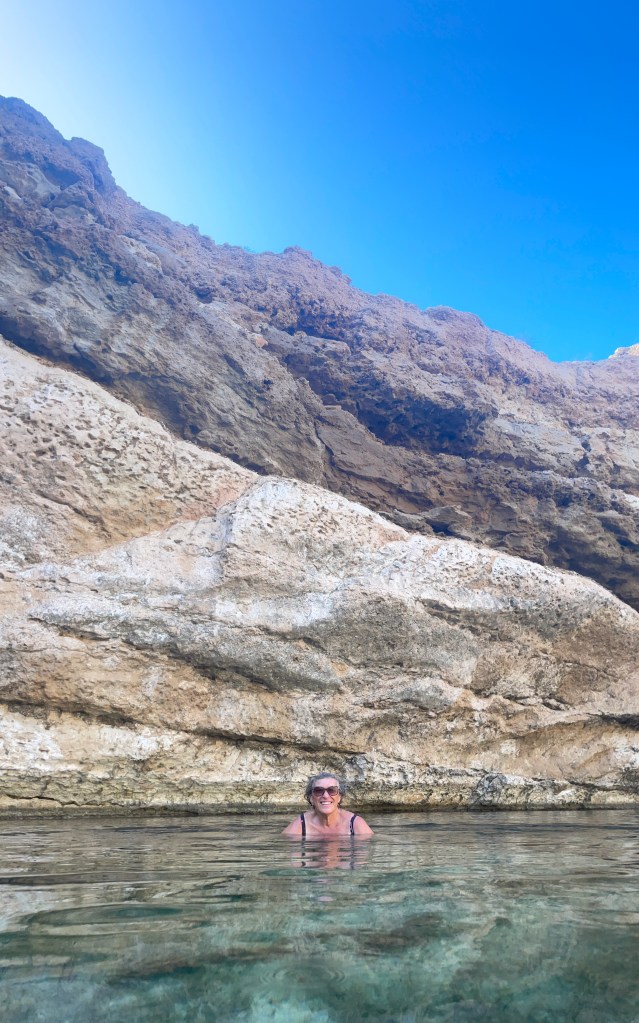

It was fun to meet Haider, a young man born in Iran but raised and living in London; Anna Maria, a Columbian who grew up in Georgia and now lives in Germany; her cousin Nicolas also from Columbia but residing in Abu Dhabi; Elena from Siberia; along with a French couple, on my hike. And then Tim and Paulina from Germany- also doing a year of travel though focused on Asia, Kim and Boris from Holland and a couple from Spain, while snorkeling. I really enjoy meeting these young people who live and work in multiple countries, what a rich life to experience so much so young.
So why can’t I decide how I feel about Oman? It is a fascinating country and I am impressed with the changes the Sultans, especially Qaboos, has brought about, and its focus on its people. It’s safe, even for a woman traveling alone, and it’s peaceful. But it felt expensive, though probably less so than Scandinavia. It may have just seemed that way relative to Africa. And there wasn’t a lot to do and it wasn’t easy to get to the things there was to do. Give me cute neighborhoods to walk through, cafes and bars where I can sit and watch the people go by, galleries and boutiques to browse in, and opportunities to interact with local people who are not trying to sell me something. And maybe there were some, but I was not able to discover them. Provide me an opportunity to see the fine horses they raise, how some their traditional crafts are made, or the history of their ship building prowess. They have a rich cultural history to build from, so I hope they find more ways to engage tourists when they visit.
I’ve been asked about the books I’ve read set in the countries I am visiting. In Scandinavia, I read The Almost Nearly Perfect People by Michael Booth, Similla’s Sense of Snow by Peter Hoag, The Year of the Hare by Arto PaasiIinna, The Mercies by Kiran Millwood. In Greece, I read The Song of Achilles and Galatea by Madeline Miller. In Africa, I read Out of Africa by Karen Blixen, The Eden Legacy by Will Adam- a thriller set in Madagascar, The Last Son by Nathacha Appanah which was set in Mauritius, The Fever Tree by Jennifer McVeigh, Disgrace by J.M. Coetzee, Cry, The Beloved Country by Alan Paton, and The Promise by Damon Galgut all set in South Africa.
Next up – Dubai


 Where in the World is Debra Grimes?